
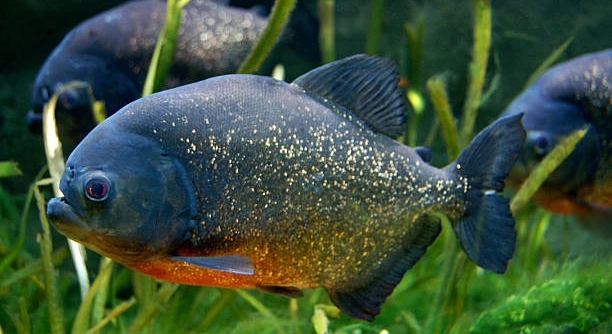
Is your piranha living alone and showing signs of distress? Many people keep these fascinating fish as pets but might not realize the impact of isolation on their well-being. Understanding these signs can help improve your piranha’s quality of life.
Isolation in piranhas can lead to stress, reduced activity, and abnormal behavior. Piranhas are social animals that thrive in groups, so prolonged solitude can affect their mental and physical health. Recognizing the symptoms early allows for timely intervention and better care.
Knowing these signs will help you create a healthier environment for your piranha and support its natural behaviors. It’s important to pay attention to how your fish reacts to being alone for extended periods.
Decreased Activity and Lethargy
When a piranha is too isolated, you might notice it becoming less active than usual. These fish are naturally energetic and often swim around their tanks. If your piranha starts hiding more or moves sluggishly, it can be a sign of loneliness. Isolation affects their motivation and can cause them to lose interest in their surroundings. Over time, this lack of movement can lead to health problems. It is important to observe your piranha’s daily behavior closely. A piranha that once explored the tank but now stays in one spot needs attention. Providing social interaction or environmental enrichment may help bring back its energy.
Lethargy in piranhas due to isolation is more than just tiredness. It can indicate stress or depression from being alone for too long. This behavior should not be ignored.
Adding companions or rearranging the tank with plants and hiding spots can stimulate your piranha. These changes can encourage it to swim more and regain its natural activity levels. Regular observation helps ensure your fish stays lively and healthy.
Loss of Appetite
When piranhas feel isolated, their eating habits often change. They may refuse food or eat much less than usual. This behavior is a direct result of stress caused by loneliness. A healthy piranha typically shows interest in food and feeds regularly. Ignoring this change can lead to weakness and more serious health issues. If your piranha stops eating, it’s important to check for other signs of isolation or illness. Sometimes, adding tank mates or adjusting the environment can improve their appetite.
Loss of appetite signals a deeper problem related to isolation stress.
Stress from isolation triggers hormonal changes that affect feeding behavior. Piranhas kept alone miss social cues that normally stimulate feeding. In groups, they compete and interact, which encourages them to eat regularly. Without this stimulation, they may become disinterested in food. It’s essential to provide a more social or enriched setting to help restore their normal feeding patterns. Introducing compatible companions or creating a more dynamic tank environment can improve appetite. Monitoring water quality and temperature also supports overall health. Addressing these issues quickly prevents long-term harm and helps your piranha return to a balanced routine.
Increased Aggression
Isolation can make piranhas more aggressive than usual. Without other fish to interact with, they may become frustrated or stressed. This often results in sudden attacks on tank decorations or even on their own reflection.
Aggression in isolated piranhas usually stems from boredom and lack of stimulation. In a natural environment, they are part of groups that establish social hierarchies. When kept alone, this social structure is missing, and the fish may react aggressively to anything in their territory. This behavior can be harmful to the fish and damaging to the tank. Providing companionship or enriching the tank environment can reduce this aggression and improve your piranha’s overall mood.
Increased aggression is often a way for piranhas to release built-up tension. They may nip at tank walls or exhibit rapid, erratic swimming. These signs suggest that changes are needed to help your fish feel more secure and comfortable.
Erratic Swimming Patterns
Erratic swimming is a common sign that your piranha is feeling stressed from isolation. The fish may dart around the tank without purpose or swim in repetitive loops.
This behavior indicates anxiety and confusion caused by a lack of social interaction. Piranhas in groups follow natural movement patterns and respond to each other’s presence. When isolated, they lose these cues and may become restless. Stress from loneliness can also cause physical discomfort, making smooth swimming difficult. Watching for this behavior early helps you take steps to improve your piranha’s environment, like adding tank mates or rearranging decorations to create hiding spots. These adjustments provide stimulation and reduce stress, leading to calmer swimming patterns and a healthier fish.
Excessive Hiding
When a piranha is too isolated, it may start hiding more than usual. This behavior shows that the fish feels insecure or stressed. It might stay behind decorations or in dark corners of the tank.
Excessive hiding can lead to reduced activity and poor health. A piranha needs a balanced environment where it feels safe but also stimulated to explore.
Changes in Coloration
Isolation can cause noticeable changes in a piranha’s color. The fish might become duller or lose its usual vibrant hues. This fading often signals stress or poor health caused by loneliness.
Lack of Social Behavior
Piranhas kept alone may stop showing normal social behaviors, like following or interacting with other fish. This withdrawal is a clear sign they need companionship or environmental changes to feel secure and engaged.
What causes piranhas to become isolated?
Piranhas often become isolated because they are kept alone in tanks without other fish. Their natural environment includes groups, so solitary conditions cut them off from social interactions. Tank size and setup can also limit their movement, making them feel trapped. Lack of stimulation and environmental enrichment contributes to this isolation.
How can I tell if my piranha is lonely?
Signs of loneliness in piranhas include decreased activity, loss of appetite, aggression, and erratic swimming. They may hide excessively or change color. Watching your fish’s behavior regularly helps spot these signs early. If your piranha seems listless or stressed, it could be suffering from isolation.
Is it safe to keep multiple piranhas together?
Keeping multiple piranhas together can be safe if the tank is large enough and properly set up. Piranhas are social but territorial, so space and hiding spots are important to reduce aggression. Introducing tank mates slowly and monitoring their behavior helps maintain harmony.
What are good tank mates for piranhas?
Good tank mates for piranhas are usually other robust fish that can handle the same water conditions. Species like larger catfish or certain types of cichlids might work. Avoid small or slow fish, as piranhas may see them as food. Research compatibility carefully before adding any new fish.
How can I reduce my piranha’s stress from isolation?
To reduce stress, increase environmental enrichment by adding plants, rocks, and hiding places. Introducing compatible companions is often the best way to improve social interaction. Regular tank maintenance and proper feeding schedules also help your piranha feel comfortable and secure.
Can piranhas survive alone long-term?
While piranhas can survive alone, long-term isolation often harms their mental and physical health. They thrive best in groups where they can display natural behaviors. Prolonged loneliness can lead to stress-related illnesses and shortened lifespan.
What should I do if my piranha shows aggression?
If your piranha is aggressive, check for signs of isolation or overcrowding. Improving tank conditions or adding companions can reduce aggression. Make sure the tank is large enough and has enough hiding spots. Avoid sudden changes in the environment that might increase stress.
How often should I observe my piranha’s behavior?
Daily observation is ideal to catch early signs of isolation or illness. Watching how your piranha swims, eats, and interacts with its environment helps you respond quickly if problems arise. Small changes in behavior can indicate bigger health concerns.
Does diet affect isolation symptoms?
A healthy diet supports overall well-being but does not replace social interaction. Poor nutrition can worsen symptoms of isolation like lethargy or loss of appetite. Feeding a balanced diet regularly keeps your piranha stronger and better able to handle stress.
Can environmental changes improve a lonely piranha’s mood?
Yes, adding plants, rocks, and hiding spots can make your piranha feel more secure. These changes mimic natural habitats and provide stimulation. Even if you can’t add tank mates immediately, a well-designed environment helps reduce stress and boredom.
Taking care of a piranha means paying close attention to its behavior and environment. Isolation can affect your piranha’s health and happiness more than many people realize. When a piranha is kept alone for too long, it may show signs like lethargy, aggression, or loss of appetite. These signs are important clues that your fish needs a change. Recognizing these early can help you make adjustments that improve your piranha’s life. Whether that means adding tank mates or making the environment more interesting, small changes can have a big impact.
Creating a good environment for your piranha is not just about water quality or food; it also includes social needs. Piranhas are used to living in groups, where they interact and follow certain social behaviors. When these social opportunities are missing, the fish may become stressed and develop unhealthy habits. Providing companionship, if possible, or adding decorations and hiding spots can help reduce stress. These additions give your piranha things to explore and places to feel safe. A comfortable and engaging tank supports your fish’s natural behaviors and overall well-being.
It is important to keep observing your piranha regularly and be ready to make changes when needed. Each fish is different, and some might tolerate isolation better than others. However, most piranhas benefit from social interaction and a stimulating environment. Taking small steps to prevent isolation can lead to a healthier, happier fish. Remember, your attention and care are key to helping your piranha thrive. Keeping these points in mind will help you provide the best home possible for your aquatic pet.

Hello,
If you enjoy the content that we create, please consider saying a "Thank You!" by leaving a tip.
Every little bit helps us continue crafting quality advice that supports the health, happiness, and well-being of pets around the world, for pets of all shapes, sizes, and species.
We really appreciate the kindness and support that you show us!