
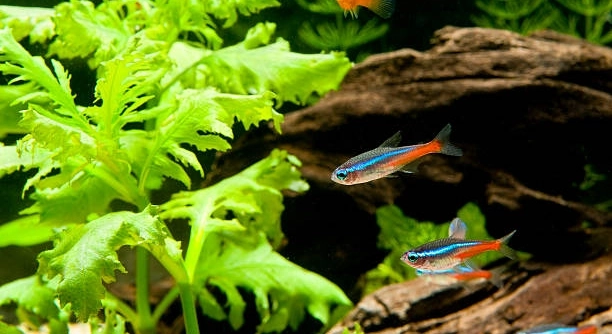
New tetra owners often find themselves learning about their fish’s needs and behaviors. These small, colorful fish bring life to any aquarium but require certain care to thrive. Knowing key facts early helps ensure a happy and healthy environment for them.
Tetras are schooling fish that thrive in groups of six or more, requiring stable water conditions with a temperature between 72 and 80 degrees Fahrenheit. Proper diet and tank maintenance are essential to prevent common health issues such as fin rot and stress.
Understanding these basics will help you create a thriving home for your tetras and avoid common beginner mistakes. This article covers essential tips for a smooth start with your new fish.
Setting Up the Right Tank Environment
Creating the proper tank environment is the foundation for your tetra’s health. Tetras prefer a well-planted aquarium with plenty of hiding spots created by plants or decorations. This helps reduce stress and mimics their natural habitat. The tank should be at least 10 gallons for a small school, but larger tanks are better for maintaining stable water conditions. Use a good filtration system that keeps the water clean without strong currents, as tetras prefer gentle water movement. Regular partial water changes, about 25% weekly, keep the water quality high and remove toxins. Maintaining a stable temperature between 72 and 80 degrees Fahrenheit is crucial. Avoid sudden changes in temperature or pH, as tetras are sensitive to fluctuations. Keeping the tank in a quiet spot away from direct sunlight also helps prevent algae growth and temperature swings. Attention to these details makes a comfortable and safe space for your tetras.
Tetras need consistent water conditions with gentle filtration and stable temperature to stay healthy and stress-free.
Balancing these factors creates a stable home where your tetras can thrive. Paying attention to tank setup prevents many health issues before they start. You’ll notice your fish are more active and colorful in the right environment, which makes caring for them more rewarding.
Feeding Your Tetras Properly
Feeding your tetras a balanced diet is key to their well-being. They are omnivores, so a mix of high-quality flakes, frozen or live foods like brine shrimp or daphnia, and occasional vegetable matter is best. Feed small amounts twice daily to avoid overfeeding, which can pollute the tank and harm water quality. Tetras have small mouths, so finely crushed flakes or small pellets are easier for them to eat. Remove uneaten food after a few minutes to keep the tank clean and prevent bacterial growth. A varied diet supports their vibrant colors and boosts immunity. Avoid feeding human food or large pellets that could cause choking or digestive problems. Observing their feeding behavior helps you adjust the amount and type of food to keep them healthy.
Proper feeding maintains water quality and supports your tetras’ natural behavior and health.
Overfeeding is a common mistake that leads to water pollution and stress for your fish. Feeding the right portions and variety will improve their lifespan and reduce tank maintenance. Keeping your tetras well-nourished means watching their reactions to food and adjusting as needed. This ensures they get the nutrients necessary for growth, reproduction, and overall vitality.
Understanding Tetra Behavior
Tetras are social fish that prefer to swim in groups. Their natural schooling behavior helps them feel secure and reduces stress. They are active swimmers and often occupy the middle and upper levels of the tank.
Watching their interactions can tell you a lot about their health. Healthy tetras swim smoothly, interact with their school, and show bright colors. If you notice hiding, lethargy, or aggression, it may indicate stress or illness. Tetras also communicate through body language, such as flaring fins or changes in coloration. Recognizing these signs early helps you address problems before they worsen. Providing enough space and companions prevents bullying and promotes natural behavior.
Keeping a group of at least six ensures your tetras feel safe and display their natural social habits. This lowers stress and encourages active swimming, making your tank more lively.
Common Health Issues
Tetras are prone to fin rot, ich, and stress-related illnesses if their environment isn’t well maintained. Poor water quality is the main cause of most diseases. Regular water changes and proper filtration are essential to prevent these problems. Watch for signs like torn fins, white spots, or unusual swimming patterns. Early treatment is important to avoid spreading infections to other fish.
Stress weakens their immune system, making them vulnerable. Avoid overcrowding and sudden water parameter changes. Quarantining new fish before adding them to your tank reduces disease risk. Healthy diet and clean conditions support strong immunity.
Recognizing symptoms early and maintaining a clean tank environment will help your tetras live longer, healthier lives. This effort is worth it for their vibrant appearance and active behavior.
Tank Mates for Tetras
Tetras do well with peaceful tank mates that share similar water requirements. Avoid aggressive or much larger fish that may bully or eat them. Ideal companions include small rasboras, guppies, and Corydoras catfish.
Keeping compatible species helps maintain a calm environment and reduces stress, allowing tetras to thrive alongside other fish peacefully.
Water Parameters to Monitor
Maintaining stable water parameters is vital for tetra health. Regularly check temperature, pH, ammonia, nitrite, and nitrate levels. Tetras prefer a temperature range of 72-80°F, pH between 6.0 and 7.5, and zero ammonia and nitrites. High nitrate levels should be avoided through water changes. Monitoring these values helps prevent illness and keeps fish comfortable.
Consistent water testing allows early detection of issues and maintains a healthy tank environment, ensuring your tetras remain active and vibrant.
Breeding Tetras
Breeding tetras requires specific conditions such as slightly acidic water and dim lighting. They scatter eggs among plants and may eat their own eggs if left unattended. Using a separate breeding tank improves survival rates.
Avoid Overcrowding
Overcrowding increases stress and health problems in tetras. It also impacts water quality, making maintenance harder.
FAQ
How many tetras should I keep together?
Tetras are schooling fish and need to be kept in groups of at least six. Keeping fewer can cause stress and abnormal behavior. Larger groups help them feel secure and show more natural activity. A group of six or more also creates a balanced social environment that reduces aggression.
What temperature is best for tetras?
Tetras thrive in water temperatures between 72 and 80 degrees Fahrenheit. Maintaining this stable range helps prevent stress and illness. Sudden temperature changes can shock them, so use a reliable heater and monitor the tank regularly to avoid fluctuations.
What do tetras eat?
Tetras are omnivores. They eat high-quality flake food, frozen or live brine shrimp, daphnia, and occasionally vegetable-based foods. Feeding small amounts twice a day prevents overfeeding, which can harm water quality. Variety in their diet helps maintain vibrant colors and overall health.
Can tetras live with other fish?
Yes, tetras do well with peaceful, small fish that share similar water needs. Avoid aggressive or large fish that may bully or eat them. Good tank mates include small rasboras, guppies, and Corydoras catfish. Compatibility helps keep stress levels low.
How often should I change the water?
Perform a 20-25% water change every week to maintain good water quality. Regular changes remove toxins and reduce nitrate buildup, which is harmful to tetras. Clean water supports their immune system and overall well-being.
What signs indicate my tetra is sick?
Watch for torn or discolored fins, white spots, lethargy, loss of appetite, or erratic swimming. These symptoms can indicate fin rot, ich, or other illnesses. Early detection and treatment improve recovery chances. Quarantining new fish helps prevent spreading disease.
Can I breed tetras at home?
Breeding tetras is possible but requires specific conditions like slightly acidic water and dim lighting. They scatter eggs among plants and often eat their own eggs, so a separate breeding tank is recommended. Patience and proper care increase the chances of success.
Why is my tetra hiding?
Hiding can be a sign of stress or illness. It may result from poor water conditions, bullying, or sudden changes in the environment. Check water parameters and observe tank mates. Providing enough hiding spots with plants or decorations helps reduce stress.
What causes fin rot in tetras?
Fin rot usually results from poor water quality and bacterial infection. Overcrowding and stress weaken their immune system. Maintaining clean water, stable conditions, and a balanced diet helps prevent this disease. Treat infected fish promptly with appropriate medication.
How big do tetras get?
Most common tetras grow to about 1.5 to 2 inches long. Their small size makes them suitable for community tanks. Keeping the tank clean and providing proper nutrition ensures they reach their full healthy size. Avoid overcrowding to allow space for swimming.
Is a filter necessary for a tetra tank?
Yes, a filter is essential for maintaining water quality by removing waste and toxins. Tetras prefer gentle water flow, so choose a filter that does not create strong currents. Proper filtration reduces stress and supports healthy living conditions.
Can tetras live in a planted tank?
Tetras thrive in planted tanks because plants offer hiding places and help maintain water quality by absorbing nitrates. Live plants also mimic their natural habitat, which promotes natural behavior and reduces stress.
How do I acclimate new tetras to my tank?
Float the sealed bag in your tank water for 15-20 minutes to match the temperature. Slowly add small amounts of tank water into the bag over 30 minutes. This gradual process reduces shock from water parameter differences. Then gently release them into the tank.
Why are my tetras losing color?
Color fading often signals stress, poor diet, or illness. Ensure water quality is stable, feed a varied diet rich in nutrients, and check for signs of disease. Improving these factors usually restores their vibrant appearance.
Final Thoughts
Taking care of tetras requires attention to several important factors. From setting up the right tank environment to feeding and monitoring their health, each step plays a role in ensuring your fish thrive. These small, active fish are sensitive to changes in water quality and temperature, so maintaining stable conditions is essential. Regular water changes, proper filtration, and a balanced diet create the foundation for their well-being. Understanding their social needs by keeping them in groups also helps reduce stress and promotes natural behavior.
It is common for new tetra owners to face challenges in the beginning, but learning from experience and observing your fish closely will improve your care skills. Recognizing early signs of illness or stress can prevent serious problems and save your fish from harm. Patience and consistency are important when managing the tank environment and feeding routines. Avoid overcrowding the tank and be mindful of suitable tank mates to keep a peaceful aquarium. These steps will help your tetras live longer and more active lives.
Overall, tetras make rewarding pets for those willing to provide proper care. Their bright colors and lively swimming add charm to any aquarium. By focusing on stable water conditions, appropriate diet, and social grouping, you create a healthy home for them. Keeping your tank clean and regularly monitoring water parameters supports their health. With time, you will gain confidence in caring for your tetras, leading to a more enjoyable and successful experience as a fish owner.

Hello,
If you enjoy the content that we create, please consider saying a "Thank You!" by leaving a tip.
Every little bit helps us continue crafting quality advice that supports the health, happiness, and well-being of pets around the world, for pets of all shapes, sizes, and species.
We really appreciate the kindness and support that you show us!