
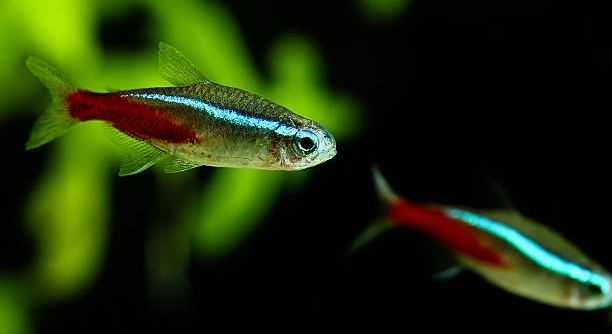
Do your tetras often swim aggressively or nip at each other during feeding time, leaving you worried about their behavior and wellbeing?
Tetras fight over food due to territorial instincts, competition for limited resources, social hierarchy, stress from overcrowding, irregular feeding schedules, lack of hiding spots, and natural schooling dynamics. These factors can disrupt harmony in a community tank.
Understanding these reasons helps create a more peaceful environment and ensures all your tetras receive proper nutrition without unnecessary stress.
Tetras Compete When Food Is Scarce
When food is limited, tetras become more aggressive. In a natural setting, they forage constantly, so scarcity increases stress and competition. In an aquarium, this leads to chasing, nipping, or blocking others from reaching food. Smaller or less dominant fish often miss out entirely. If you notice your tetras lunging at each other during feeding, it’s likely because they don’t feel there’s enough to go around. Feeding them at consistent times and spreading the food out can help reduce this tension. Offering food in multiple areas gives all tetras a fair chance to eat peacefully.
Feeding small amounts too infrequently can trigger competition. A more generous, evenly spaced routine reduces this problem.
Tetras feel safer and calmer when their feeding schedule is predictable. Regular feeding teaches them they don’t have to fight for their next meal. This creates a more peaceful tank where all fish have a better chance to thrive.
Social Rank Can Influence Aggression
Some tetras naturally form hierarchies. These social rankings can lead to minor conflicts, especially during meals.
In a group, dominant tetras tend to eat first and guard food sources. Submissive ones stay back or get chased away. This behavior is common in species that live in schools, where a clear structure forms over time. If you notice one or two fish always eating first or acting more boldly, they are likely higher in this informal ranking. You can reduce the tension by ensuring everyone has space and food. Adding more hiding spots and plant cover can help weaker tetras avoid conflict. It’s also useful to observe the group regularly. Subtle signs like flared fins, quick dashes, or certain swimming patterns can indicate stress. Providing enough space and enrichment, like decorations or live plants, gives each fish a safe zone. These changes make it easier for all your tetras to eat calmly and stay healthy without constant stress.
Overcrowding Makes Tetras Feel Threatened
When too many fish share a small tank, tetras feel anxious and act out. Limited space increases aggression, especially during feeding when personal space becomes even more important.
Tetras are schooling fish, but that doesn’t mean they enjoy cramped conditions. Overcrowding leads to stress, poor water quality, and more frequent fights. When fish are packed closely together, it becomes harder to establish natural social order. Dominant tetras may become more territorial, while others struggle to find space. Feeding time only intensifies these issues. Each fish wants access to food, but the tight environment triggers aggressive behavior. Creating more space or reducing the number of fish can help. If downsizing isn’t an option, increasing the tank’s horizontal swimming area with proper aquascaping can ease tension. A more open layout allows natural movement and limits the chances of tetras running into each other during feeding.
Frequent chasing and nipping during meals are often signs that your tank is too crowded. These behaviors aren’t just about food—they’re a reaction to constant stress. Even in small tanks, giving fish enough room to swim and rest without constant contact makes a big difference. A peaceful environment lets them focus on feeding rather than defending space or resources.
Irregular Feeding Triggers Panic
Tetras rely on a routine. Skipping feedings or feeding at random times causes anxiety and unpredictable behavior during meals.
Fish remember patterns. When feeding is inconsistent, tetras become nervous and start to compete more aggressively. They don’t know when the next meal is coming, so they rush, grab, and guard food. This creates a feeding frenzy that makes even calm fish act out. Keeping a steady schedule helps them feel secure and balanced. Feed them small portions at the same times every day. Use a timer if needed. Avoid large gaps between meals, especially in tanks with mixed species. Hungry tetras behave differently—they’re faster, more defensive, and easily irritated. Regular feeding isn’t just about nutrition. It’s a way to reduce stress and give them structure. The more reliable the feeding routine, the less likely they are to fight or chase others during meals.
Lack of Hiding Spots Increases Stress
Tetras feel exposed when a tank has few plants or decorations. This makes them anxious, especially during feeding, where they have no shelter to retreat to.
Adding plants, driftwood, or caves gives weaker fish places to hide. It helps reduce tension and allows all tetras to eat calmly.
Natural Schooling Instincts Can Turn Competitive
Tetras are instinctive schoolers, but competition can still happen inside the group. In the wild, they swim in large groups for protection and food sharing, but in tanks, the dynamic shifts. Food appears in one place, and some fish rush ahead while others stay back. This can lead to unintentional aggression, where faster tetras crowd or bump others away from the food. It’s not always true aggression—just instinct-driven feeding habits. Offering food in more than one area can help. It breaks the habit of chasing and gives everyone a fair chance, especially those that are slower or more timid.
Feeding the Wrong Food Sparks Aggression
Some tetras ignore flakes but go after larger bites, leading to chasing and nipping. Uneven food sizes cause competition and stress.
FAQ
Why do my tetras always chase each other at feeding time?
Tetras chase each other during feeding when they feel the need to compete for food. This often happens in overcrowded tanks, when the food is limited, or when they’re not being fed on a regular schedule. It’s instinctive behavior, but it’s usually intensified by stress. Dominant fish try to push others away from the food source, which leads to chasing. You can ease this by spreading food across the tank so everyone has a chance to eat without confrontation. Adding hiding spots and making sure the group has enough space also helps reduce this behavior.
Is aggression normal in tetra groups?
Yes, a small amount of aggression is normal in most tetra species, especially during feeding or territorial displays. Tetras are social fish, but like all animals, they have a way of establishing roles within their group. This can include chasing or short bursts of nipping. However, if the aggression becomes frequent or leads to injuries, that’s a sign of a problem. It could mean the tank is too small, the feeding routine isn’t consistent, or the group dynamics are unbalanced. Watching their behavior closely will help you spot changes and respond before it becomes harmful.
How often should I feed my tetras to avoid food fights?
Feeding tetras twice a day in small amounts works well. Regular feeding at consistent times keeps them calm and reduces stress. If you skip feedings or feed them at different times each day, they may become anxious and more aggressive. It’s also important to make sure the food is reaching all the fish, especially those that are smaller or less dominant. Try using sinking food, flakes, or micro-pellets that spread out quickly. Avoid dumping too much food at once—it can lead to fights and poor water quality.
Can tank size really affect feeding aggression?
Yes, tank size has a big impact. A small tank limits swimming space and increases tension during feeding. In tight quarters, fish constantly bump into each other, which creates more stress. Larger tanks with more horizontal space allow tetras to move more freely, spread out while eating, and establish peaceful routines. If your tetras are often aggressive during meals, upgrading to a larger tank or reducing the number of fish might help. You can also improve the tank environment by adding plants and decorations to break up open space and create safe zones.
Do certain types of tetras fight more than others?
Some species are naturally more assertive. For example, serpae and black skirt tetras tend to be more aggressive, especially in small or poorly managed tanks. Neon tetras and ember tetras are generally more peaceful but can still become competitive under stress. The group size also matters—keeping tetras in proper schools of six or more helps spread out aggression and reduces bullying. Choosing compatible tank mates and watching for signs of trouble during feeding can prevent future problems.
What should I do if one tetra is always attacking the others?
If one fish consistently bullies others, try rearranging the tank decorations to break up its territory. Add more plants or hiding areas so the other fish have safe spots to retreat to. Feeding in multiple places can also help reduce direct confrontation. If nothing changes and the aggression continues, consider separating the aggressive tetra temporarily or rehoming it if necessary. Persistent aggression usually means the environment doesn’t meet the fish’s needs, so it’s worth reviewing tank size, group composition, and your feeding approach.
Final Thoughts
Tetras are small, active fish with big personalities. While they often get along well in a group, food can bring out aggressive behavior. This isn’t always a sign of serious trouble, but it is something worth paying attention to. Fighting during feeding is usually caused by stress, overcrowding, inconsistent meals, or the wrong type of food. These issues are easy to overlook, especially in a busy tank. But once you spot the signs—chasing, nipping, or guarding food—it’s helpful to step back and look at the full picture of your tank setup and routine.
Keeping a peaceful tank starts with meeting your tetras’ basic needs. That includes giving them enough space, feeding them regularly, and offering a variety of food that suits all fish in the group. It also helps to include plenty of plants and decorations, which provide hiding spots and reduce tension. Feeding in more than one spot and avoiding overcrowding are small changes that can make a big difference. These simple steps support natural behavior while lowering stress levels, especially during feeding times. The goal isn’t just to stop the fighting—it’s to create a tank where every fish can feel safe, calm, and well-fed.
Tetra care isn’t just about the water or equipment—it’s also about watching how your fish behave and making small adjustments as needed. Aggression over food is common but manageable when the right conditions are in place. A calm tank leads to better health, stronger color, and more natural schooling. Taking the time to observe your tetras, understand their habits, and adjust the environment accordingly helps prevent conflict before it starts. These fish may be tiny, but they thrive in a stable, low-stress space. By supporting their needs, you can enjoy a more peaceful, balanced aquarium where every fish has the chance to grow, explore, and eat in harmony.

Hello,
If you enjoy the content that we create, please consider saying a "Thank You!" by leaving a tip.
Every little bit helps us continue crafting quality advice that supports the health, happiness, and well-being of pets around the world, for pets of all shapes, sizes, and species.
We really appreciate the kindness and support that you show us!