
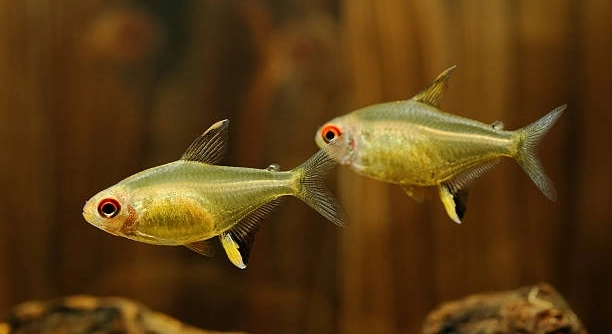
Lemon tetras are small, bright fish that add life to any freshwater aquarium. Their subtle movements and social behavior can reveal a lot about their comfort and well-being in your tank environment.
Lemon tetras communicate through body language, swimming patterns, and color changes. Observing these signs allows aquarists to interpret stress, hunger, social interactions, and environmental preferences, helping ensure the fish remain healthy and thrive under proper care conditions.
Recognizing these signals can improve both your tank management and the happiness of your fish, making your aquarium a more harmonious environment.
Rapid Darting
Lemon tetras often swim quickly back and forth across the tank, which can seem alarming at first. This rapid darting is usually a natural behavior, especially when they are exploring or reacting to sudden changes in light or movement outside the aquarium. It can also indicate stress if it happens frequently or is accompanied by hiding, clamped fins, or loss of appetite. Environmental factors, such as water quality, temperature, or overcrowding, may trigger this behavior. Ensuring consistent tank conditions, proper filtration, and hiding spots can reduce stress and encourage calmer movements. Observing how your tetras interact with each other during these bursts of speed can give insight into their social dynamics. Sometimes, one fish may chase another, which is normal schooling behavior. Recognizing the difference between playful darting and frantic swimming helps maintain a healthy tank atmosphere and prevents unnecessary worry or overcorrection in care routines.
Rapid darting can signal either excitement or stress in lemon tetras. Maintaining stable water conditions and providing adequate space minimizes stress-related behavior.
Consistently observing these patterns allows you to adjust feeding schedules, tank placement, and social grouping to better match the fish’s needs. Over time, recognizing subtle changes can prevent health issues, creating a calmer, healthier environment.
Color Fading
Color fading in lemon tetras can indicate poor health or stress.
Faded coloration is often caused by insufficient light, low-quality food, illness, or water issues. Monitoring water parameters and ensuring a balanced diet are key steps.
When a lemon tetra loses its bright yellow hue, it is important to assess its environment and diet. Inadequate lighting can prevent pigments from developing fully, while nutritional deficiencies may weaken the immune system and reduce vibrancy. Stress factors, such as overcrowding or aggressive tank mates, can also cause temporary color loss. Diseases, including parasites or bacterial infections, often present with faded or patchy coloration, making early observation crucial. Regular water testing, proper filtration, and consistent feeding routines improve overall health. Supplementing diet with high-quality flakes, frozen foods, or live brine shrimp encourages brighter colors. Observing fish behavior in combination with color changes helps distinguish between natural variation and serious problems, allowing timely intervention to restore their vitality and maintain a visually appealing, thriving aquarium.
Hiding Frequently
Lemon tetras may hide often when stressed, scared, or adjusting to a new tank. Providing plants, caves, or decorations gives them safe spaces and helps them feel secure.
Frequent hiding is usually a response to environmental changes, such as sudden loud noises, bright lights, or the introduction of new tank mates. Overcrowding or incompatible fish species can also trigger this behavior. Observing patterns in hiding can reveal which factors are affecting them most. By rearranging decorations or adjusting lighting, you can encourage them to explore more openly while still having retreats when needed.
Consistent water quality is also essential. Sudden shifts in temperature, pH, or ammonia levels can stress fish and lead to excessive hiding. Gradually acclimating new fish and maintaining a calm, stable environment supports their confidence and encourages natural swimming and social behaviors within the school.
Fin Clamping
Fin clamping is a common sign of discomfort or illness in lemon tetras.
When fins remain close to the body, it often indicates stress, poor water conditions, or the early stages of disease. Immediate attention to tank maintenance and water parameters can prevent further health decline.
Clamped fins may be accompanied by lethargy, loss of appetite, or unusual swimming patterns. Poor water quality, including high ammonia or nitrite levels, is frequently the cause, but parasitic or bacterial infections may also be responsible. Monitoring the fish closely allows for early intervention. Adjusting temperature, ensuring proper filtration, and performing partial water changes can relieve stress. Providing a balanced diet rich in nutrients strengthens their immune system and promotes fin recovery. Observing interactions with other fish helps ensure that aggression or bullying is not contributing to the behavior. Prompt action preserves overall health and maintains the stability of the aquarium ecosystem.
Gasping at the Surface
Gasping at the surface usually indicates low oxygen levels or poor water quality. Improving aeration and performing regular water changes helps prevent this behavior.
Check for high temperatures, overcrowding, or excess waste, as these can reduce oxygen. Adding a bubbler or adjusting filtration can restore proper conditions.
Loss of Appetite
A sudden loss of appetite may result from stress, illness, or changes in diet. Observing other signs can help determine the cause.
Monitoring water conditions, checking for disease symptoms, and ensuring a balanced diet are essential. Gradually reintroducing high-quality foods can encourage eating. Consistency in feeding times also supports recovery and overall health.
Lethargy
Lethargy often signals stress, poor water quality, or underlying illness.
Fish may become inactive or rest near the bottom when uncomfortable. Regular tank maintenance and observation of behavior help identify and address the issue early.
FAQ
Why is my lemon tetra hiding all the time?
Hiding is often a response to stress, environmental changes, or new tank conditions. Lemon tetras naturally seek cover in plants or decorations when they feel unsafe. Overcrowding, sudden loud noises, or aggressive tank mates can trigger this behavior. Providing more plants, caves, and gentle lighting encourages them to explore without forcing exposure. Regularly monitoring water parameters and gradually acclimating new fish can reduce excessive hiding and make the fish more comfortable in their environment.
What causes lemon tetras to dart quickly around the tank?
Rapid swimming can be normal exploration or a reaction to stress. Changes in lighting, sudden movements, or the presence of other fish often trigger quick bursts. Consistent tank conditions, proper space, and stable water quality reduce frantic swimming. Observing patterns helps distinguish between natural behavior and stress-induced reactions.
Why are my lemon tetras’ colors fading?
Faded colors usually indicate stress, poor diet, or water issues. Insufficient lighting, low-quality food, or illness may reduce their vibrant yellow hue. Ensuring a balanced diet rich in carotenoids and maintaining stable water parameters improves coloration over time. Stress from aggressive tank mates or overcrowding can also dull colors temporarily. Regular observation helps identify whether fading is natural, temporary, or a sign of health issues.
What does it mean when lemon tetras clamp their fins?
Fin clamping is a common stress indicator. It can result from poor water quality, parasites, or bacterial infections. Fish with clamped fins may also show lethargy or reduced appetite. Immediate water checks and gradual improvements in tank conditions support fin recovery. Providing a balanced diet strengthens their immune system and helps prevent further problems.
Why is my lemon tetra gasping at the surface?
Gasping at the surface usually signals low oxygen levels or water quality problems. Overcrowding, high temperatures, or excess waste reduces oxygen. Adding a bubbler, adjusting filtration, or performing partial water changes restores proper conditions. Observing the behavior ensures that it does not indicate illness.
How can I encourage my lemon tetra to eat again?
Loss of appetite can stem from stress, illness, or sudden diet changes. Offering small portions of high-quality food, such as flakes or frozen brine shrimp, helps encourage feeding. Maintaining regular feeding times and stable water conditions improves appetite. Observing other symptoms ensures that loss of appetite is not due to underlying disease.
Why is my lemon tetra lethargic?
Lethargy often indicates stress, poor water quality, or illness. Fish resting near the bottom or moving minimally require close observation. Regular water testing, proper filtration, and consistent feeding routines help restore activity. Identifying environmental or social stressors early prevents long-term health issues.
Can lemon tetras live alone?
Lemon tetras are schooling fish and prefer living in groups. Keeping them alone can increase stress and lead to abnormal behaviors. A minimum of six fish is recommended to maintain natural social interactions. Group living promotes swimming patterns, reduces fear, and enhances coloration and overall health.
How do I know if my lemon tetra is sick?
Signs of illness include faded colors, clamped fins, lethargy, loss of appetite, or abnormal swimming. Water quality issues often contribute, but parasites or infections may also be responsible. Early detection through careful observation and water maintenance is crucial. Quarantining sick fish can prevent the spread of disease to the rest of the tank.
What is the best diet for lemon tetras?
A varied diet supports bright colors, strong immune systems, and active behavior. High-quality flake food, supplemented with frozen or live foods such as brine shrimp and daphnia, provides essential nutrients. Feeding small portions multiple times daily reduces waste and maintains water quality. Consistency in feeding promotes long-term health.
How often should I check water conditions for lemon tetras?
Regular monitoring is essential to prevent stress and illness. Checking ammonia, nitrite, nitrate levels, temperature, and pH at least once a week ensures stable conditions. Partial water changes and proper filtration help maintain a healthy environment. Prompt adjustments prevent behavioral and health problems.
What tank setup is ideal for lemon tetras?
A 20-gallon or larger tank with plenty of swimming space, plants, and hiding spots works well. Moderate lighting, stable temperature between 72-78°F, and clean water support their health. Grouping them with peaceful tank mates avoids aggression and encourages natural schooling behavior. Regular maintenance keeps the tank thriving.
Can lemon tetras coexist with other fish?
Yes, they thrive with peaceful species of similar size. Avoid aggressive or fin-nipping fish, as stress can affect health and coloration. Observing interactions ensures all fish remain comfortable. Schools of six or more tetras maintain social harmony and reduce fear-related behaviors.
How do I prevent disease in lemon tetras?
Maintaining water quality, providing a balanced diet, and avoiding overcrowding reduces disease risk. Quarantining new fish and inspecting for signs of illness prevents introduction of pathogens. Prompt treatment of infections and keeping the tank clean ensures long-term health. Preventive care is more effective than reactive measures.
Why do lemon tetras sometimes swim near the bottom?
Swimming low can indicate stress, illness, or environmental discomfort. Monitoring water parameters, tank conditions, and social dynamics helps determine the cause. Providing plants and hiding spots allows them to feel safe while encouraging natural swimming patterns. Adjusting light and temperature can restore normal activity.
What is the best way to introduce new lemon tetras to an existing tank?
Gradual acclimation reduces stress and prevents shock. Float the bag in the tank to equalize temperature, then slowly mix tank water into the bag over an hour. Release the fish gently, monitor their behavior, and provide hiding spots to support a smooth transition. Proper introduction maintains social balance.
How can I tell if my lemon tetra is happy?
Active swimming, bright coloration, normal appetite, and schooling behavior are good indicators of well-being. Calm, exploratory movements and interactions with other tetras suggest they are comfortable. Maintaining stable tank conditions, proper diet, and a peaceful environment encourages natural behavior and supports long-term health.
What should I do if multiple symptoms appear at once?
Observe the fish closely and check water quality immediately. Identify potential environmental, dietary, or social stressors. Isolate affected fish if necessary, treat underlying issues, and maintain consistent tank conditions. Prompt action prevents escalation and supports recovery, keeping the entire school healthy and stable.
Can lemon tetras breed in a home aquarium?
Yes, but they need specific conditions such as slightly acidic water, gentle lighting, and plenty of plants for spawning. Separate pairs in a breeding tank often yield better results. Eggs must be protected from adult fish, and fry require fine foods to grow successfully.
How long do lemon tetras live?
With proper care, lemon tetras typically live three to five years. Stable water conditions, a balanced diet, and a peaceful environment help maximize lifespan. Observing behavior and health regularly ensures they live full, active lives in the aquarium.
Lemon tetras are small, active fish that add brightness to any freshwater aquarium. Their behavior can tell you a lot about their comfort and health. By paying attention to movements, color, and social interactions, you can better understand what they need. Observing signs such as hiding, rapid darting, clamped fins, or gasping at the surface helps identify stress or environmental issues before they become serious. Maintaining a stable and clean tank environment, including proper temperature, water quality, and space, is essential for their well-being.
Diet and nutrition play an important role in the health and appearance of lemon tetras. Feeding high-quality flake food, supplemented with live or frozen foods like brine shrimp, helps maintain bright coloration and strong immunity. Consistent feeding schedules and offering small portions reduce waste and prevent water quality problems. Along with proper diet, providing hiding spots, plants, and decorations allows the fish to feel secure. Grouping lemon tetras in schools of six or more encourages natural social behaviors and reduces stress, making them more active and lively.
Regular monitoring and observation are key to keeping lemon tetras healthy. Checking water parameters, maintaining filtration, and performing partial water changes prevents common issues such as faded colors, illness, and lethargy. Watching for changes in behavior or appetite gives early warning of potential problems. Responding quickly to stress or environmental changes ensures long-term health and comfort. By understanding the subtle signals lemon tetras give, you can create an environment where they thrive, remain vibrant, and exhibit natural, joyful behavior in your aquarium.

Hello,
If you enjoy the content that we create, please consider saying a "Thank You!" by leaving a tip.
Every little bit helps us continue crafting quality advice that supports the health, happiness, and well-being of pets around the world, for pets of all shapes, sizes, and species.
We really appreciate the kindness and support that you show us!