
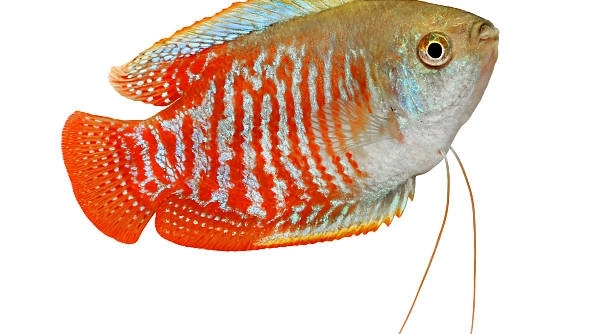
Gouramis are popular freshwater fish known for their calm nature and unique behavior. They often react to their surroundings in ways that can surprise even experienced fish keepers. Understanding what they notice first can help improve their care and environment.
Gouramis observe changes in light, movement, water quality, and nearby activity before humans typically do. Their sensitive lateral lines and eyes allow them to detect subtle shifts, helping them respond quickly to potential threats or changes in their tank.
Knowing what gouramis pick up on first can make a big difference in how you manage their habitat and interactions. This insight helps build a better relationship between you and your fish.
Changes in Light and Shadows
Gouramis are very sensitive to light changes in their environment. Sudden shifts in brightness or shadows can make them cautious or even stressed. They rely on consistent lighting to feel safe and maintain their daily rhythms. Too much light might cause them to hide more, while too little can reduce their activity levels. These fish also notice flickering or uneven lighting quickly, which can confuse them. This sensitivity helps gouramis stay alert to potential dangers but also means that keeping a stable light schedule is important. Tank owners should aim to provide natural daylight cycles or use aquarium lights on timers. Avoiding rapid changes in lighting will help keep gouramis comfortable and healthy. Observing how your gourami reacts to light can guide adjustments to improve their environment. When their surroundings are steady, gouramis display more natural behaviors like swimming calmly and exploring.
Sudden light changes can stress gouramis and affect their behavior negatively. Consistent lighting promotes their well-being.
Maintaining a steady light cycle supports your gourami’s natural habits. This simple adjustment improves their comfort and helps prevent stress-related health issues. Watching how they respond to light will tell you when it’s time to make changes.
Sensitivity to Movement Around the Tank
Gouramis are quick to notice any movement near their tank. They can see subtle gestures like someone walking by or even hand motions close to the glass. This sensitivity is part of their survival instinct, allowing them to detect threats early. However, frequent sudden movements can make them nervous or cause them to hide. It’s best to approach their tank calmly and avoid tapping on the glass or making rapid motions. Over time, gouramis can become accustomed to familiar people, showing less fear with steady, gentle interactions. This behavior also helps when feeding or cleaning the tank, as they learn when to expect these activities. Understanding their sensitivity can improve your relationship with them and reduce stress in their environment. Calm and predictable actions around the aquarium create a more peaceful habitat for gouramis to thrive.
Awareness of Water Quality
Gouramis notice even small changes in water quality quickly. They respond to shifts in temperature, pH, and clarity, which affect their comfort and health.
Poor water conditions can cause stress, disease, and unusual behavior in gouramis. They rely on clean, stable water to thrive. Sudden changes in temperature or chemical balance can make them sluggish or hide more often. Regular testing and maintenance help prevent these problems. Keeping the tank clean and the water parameters consistent is essential for their well-being.
Gouramis often show signs like loss of appetite, faded colors, or gasping near the surface when water quality drops. Watching these signals closely allows timely action. Proper filtration, frequent water changes, and avoiding overfeeding are simple ways to keep water healthy. Your gouramis will be more active and display natural behaviors when their water is ideal.
Reaction to Tank Mates
Gouramis carefully observe the behavior of other fish in the tank before interacting. They prefer peaceful companions and avoid aggressive ones. This cautious approach helps reduce conflicts and stress. Introducing new tank mates slowly and monitoring interactions supports a harmonious environment.
Social dynamics can affect gourami behavior deeply. Aggressive fish may intimidate them, causing hiding or aggression in return. Proper tank size and decorations provide space to retreat. Pairing gouramis with compatible species encourages natural social behavior and reduces tension. Paying attention to these interactions ensures your gouramis stay comfortable and healthy.
Recognition of Feeding Patterns
Gouramis quickly learn and recognize feeding times. They notice when food is being prepared or the sound of a container opening.
This anticipation helps reduce stress and makes feeding more efficient. Consistent feeding schedules build trust and improve their overall health.
Sensitivity to Vibrations
Gouramis detect vibrations in the water caused by nearby movement or tapping. These signals alert them to potential danger or changes in their environment.
Awareness of Territorial Boundaries
Gouramis notice the limits of their personal space in the tank. They defend these areas to feel secure and reduce stress from overcrowding.
What do gouramis notice first when they enter a new tank?
When gouramis enter a new tank, the first things they notice are changes in light and water conditions. Sudden shifts in brightness or unusual shadows can catch their attention. They also sense temperature and water chemistry changes through their sensitive skin and lateral line system. Movement around the tank, like people walking nearby or objects shifting, is quickly detected as well. These observations help them assess safety and comfort in their new environment before exploring further.
How do gouramis react to changes in light?
Gouramis respond to light changes by adjusting their behavior. Bright, constant lighting makes them more active, while flickering or overly intense light can stress them. If the light suddenly goes off or on, they may freeze or hide briefly. Gradual changes in lighting, like natural day and night cycles, keep them calm and maintain their internal rhythms. Keeping tank lights on a timer can support a healthy routine.
Can gouramis sense when feeding is about to happen?
Yes, gouramis quickly learn to associate certain signals with feeding time. Sounds like opening a food container or movements near the tank alert them that food is coming. Over time, they anticipate feeding and may swim eagerly or gather near the surface. Consistent feeding schedules help reinforce this recognition and reduce anxiety about when they will eat.
Do gouramis get stressed by too much movement near the tank?
Frequent sudden movements or tapping on the glass can stress gouramis. They are sensitive to vibrations and visual cues, so erratic behavior nearby makes them wary. Stress may cause hiding, loss of appetite, or aggressive behavior. Approaching the tank calmly and avoiding loud noises helps keep gouramis relaxed.
How do gouramis react to other fish in the tank?
Gouramis are cautious when introduced to other fish. They observe tank mates carefully before interacting, preferring peaceful companions. Aggressive or very active fish can intimidate gouramis, leading to stress or territorial behavior. Proper tank size, decorations for hiding, and compatible species choices support a balanced community tank.
What signs show gouramis are uncomfortable with water quality?
If water quality drops, gouramis may lose color, become lethargic, or gasp near the surface. They may also hide more or refuse food. These signs indicate stress due to poor water parameters like incorrect pH, ammonia, or temperature levels. Regular testing and maintenance keep water conditions safe and comfortable.
Can gouramis recognize their owners?
Gouramis can become familiar with their owners over time. They notice repeated movements, feeding habits, and sounds, which build recognition and reduce fear. While not as social as some pets, gouramis may swim toward familiar people or react calmly when approached gently.
Why do gouramis defend certain areas in the tank?
Gouramis establish and defend territories to feel safe and reduce conflicts. This behavior is natural, especially in smaller tanks or when other fish encroach on their space. Providing ample space and hiding spots helps minimize territorial disputes and stress.
How important is a stable environment for gouramis?
A stable environment is crucial for gouramis’ health and well-being. Consistent water quality, temperature, lighting, and minimal sudden disturbances create comfort. Stability allows gouramis to exhibit natural behaviors, maintain immune health, and enjoy their tank without unnecessary stress.
What can I do to help my gouramis feel more secure?
To help gouramis feel secure, maintain steady water conditions and lighting. Limit sudden movements or noises near the tank. Provide hiding places and suitable tank mates. Feed on a regular schedule and handle tank maintenance calmly. These steps reduce stress and build trust.
Gouramis are sensitive fish that notice many things before we do. They pick up on changes in light, movement, water quality, and the behavior of other fish around them. These early signals help gouramis feel safe or alert them to danger. Paying attention to what your gouramis notice can improve their comfort and reduce stress. When their environment is stable and peaceful, they show healthier behavior and seem more relaxed. Knowing these details helps fish keepers provide better care.
Creating the right tank setup is important for gouramis. Consistent lighting, clean water, and gentle tank mates all make a difference. Gouramis also appreciate calm surroundings without sudden noises or vibrations. They respond well to regular feeding times and quiet interaction. Small changes that might seem unimportant to us can affect gouramis greatly. By making thoughtful adjustments, you help your fish thrive and enjoy their home. It’s rewarding to see gouramis swim confidently and interact naturally.
Overall, understanding what gouramis notice first gives valuable insight into their needs. They rely on their senses to stay safe and comfortable. This awareness helps keepers avoid problems like stress or illness. Taking time to observe your gouramis’ reactions can guide better care decisions. Simple actions such as keeping water quality steady and minimizing disturbances make a big difference. Providing a peaceful environment supports the health and happiness of your gouramis every day.

Hello,
If you enjoy the content that we create, please consider saying a "Thank You!" by leaving a tip.
Every little bit helps us continue crafting quality advice that supports the health, happiness, and well-being of pets around the world, for pets of all shapes, sizes, and species.
We really appreciate the kindness and support that you show us!