
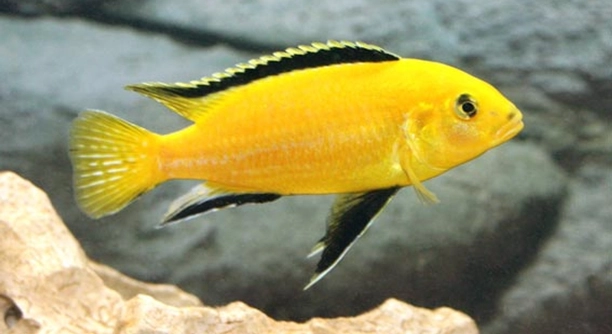
Electric Yellow Cichlids are lively fish that brighten any aquarium with their vivid colors. Over time, they adapt to their environment and develop behaviors that reflect both instinct and learned experience. Observing them can reveal fascinating patterns.
Electric Yellow Cichlids gradually learn social hierarchy, territory boundaries, feeding routines, and responses to environmental changes. These behaviors emerge through repeated interactions and consistent exposure, highlighting their capacity for adaptation and memory within controlled aquatic habitats.
Learning these behaviors helps you understand their needs and maintain a balanced, healthy aquarium environment for long-term enjoyment and fish well-being.
Social Hierarchy and Dominance
Electric Yellow Cichlids quickly recognize the social order within their tank. They establish dominance through displays, chasing, and body posturing, which reduces constant conflict. Observing these interactions can help you anticipate behaviors and maintain harmony. Over time, submissive fish learn to avoid dominant ones and respect established boundaries.
This social structure allows the tank to function smoothly, minimizing stress and aggression among the fish.
Maintaining the proper number of fish and adequate hiding spaces helps reinforce these natural hierarchies. When a new fish is introduced, it takes time for it to find its place without triggering fights. Careful observation of behavior can indicate if adjustments are needed. Providing enough space, consistent feeding schedules, and environmental enrichment encourages peaceful interactions. By understanding these patterns, you can create a balanced setting where all fish thrive. These habits highlight how Electric Yellow Cichlids adapt to social cues and modify their behavior to live in a stable community.
Feeding Patterns
Electric Yellow Cichlids learn the timing and location of food in the tank.
They remember feeding routines and respond quickly to signals like movement near the tank or tapping. Consistency in feeding helps reduce stress and prevents aggressive scrambling for food. Over time, they even anticipate feeding times and adjust activity levels accordingly.
Feeding them at regular intervals encourages healthy growth and maintains energy levels. Observing their response can indicate appetite changes or potential health issues. Gradual changes in diet can also be introduced, as they adapt to new food types with minimal conflict. The fish learn to associate the caretaker’s presence with feeding, demonstrating their memory and adaptability. By monitoring behavior, you can ensure each fish gets an appropriate share, preventing competition or overfeeding. Understanding these feeding patterns improves overall tank management, creating a predictable and secure environment. This knowledge also supports long-term health and encourages natural behaviors, allowing the fish to thrive while minimizing stress.
Territory Awareness
Electric Yellow Cichlids quickly learn which areas of the tank are theirs. They defend specific spots, especially near hiding places or feeding zones, and avoid entering spaces claimed by others unless challenged. This territorial behavior reduces conflict and establishes clear boundaries among tank mates.
Marking their territory often includes chasing intruders, flaring fins, or circling objects. Over time, each fish memorizes the limits of neighboring territories, which minimizes constant fighting. Providing rocks, plants, and shelters helps reinforce these zones, giving each fish a personal space. Territorial learning also influences social behavior, as dominant fish often claim prime areas while subordinate ones adapt to less desirable spaces. This adjustment demonstrates their ability to recognize environmental patterns and adjust behavior for safety and comfort.
Territory awareness also affects feeding and breeding behaviors. Fish that feel secure in their space are more likely to explore, interact, and engage in natural activities. Observing how they navigate their territory gives insight into their confidence levels and social dynamics. Adjustments to tank layout can improve harmony and reduce stress, supporting long-term health and well-being of the fish in a structured environment.
Environmental Adaptation
Electric Yellow Cichlids adjust quickly to water temperature, light, and decorations. They learn which areas provide comfort and shelter.
They monitor changes in their environment and modify swimming patterns or resting spots accordingly. Over time, they avoid zones with strong currents, harsh lighting, or disturbances. Environmental adaptation is crucial for stress reduction and promotes natural behavior.
Adapting to the tank also involves learning the location of food, hiding places, and safe zones during aggressive interactions. Fish observe patterns in water movement, light cycles, and other species’ behaviors, using this information to navigate safely. Providing consistent conditions with gradual changes allows them to adjust without panic. Observing their reactions to shifts in surroundings offers insight into their comfort and coping mechanisms. This behavior demonstrates cognitive learning, as the fish remember safe spots, preferred resting areas, and ideal swimming zones. Maintaining a stable environment encourages exploration, reduces aggression, and supports overall health, making it easier to manage a peaceful and thriving aquarium.
Recognizing Tank Mates
Electric Yellow Cichlids learn to identify each fish in their tank. They remember who is dominant and who is submissive, adjusting their behavior accordingly.
This recognition reduces unnecessary aggression. Fish interact more smoothly when they know their neighbors, creating a calmer and more predictable environment.
Breeding Behavior
When ready to breed, Electric Yellow Cichlids develop specific routines. They select territories, clean surfaces, and perform courtship displays. Over time, they remember preferred spots and mates. Experienced fish also recognize threats to their eggs and fry, adapting protective behaviors to ensure offspring survival. Learning these breeding habits helps maintain healthy populations in a home aquarium and supports natural instincts. Monitoring these behaviors allows caretakers to provide optimal conditions for successful breeding while minimizing stress.
Response to Stress
Electric Yellow Cichlids quickly react to sudden changes in their tank, such as new fish, loud noises, or water disturbances. They may hide, change swimming patterns, or become more aggressive to cope with stress.
FAQ
How long do Electric Yellow Cichlids live?
Electric Yellow Cichlids typically live between 8 and 10 years in a well-maintained aquarium. Providing clean water, balanced nutrition, and stable tank conditions helps maximize their lifespan. Avoid sudden temperature changes and overcrowding, as these factors can shorten their life expectancy.
What is the ideal tank size for Electric Yellow Cichlids?
A minimum of 30 gallons is recommended for a small group, but larger tanks are preferable. They need enough space to establish territories, swim freely, and reduce aggression. Including rocks, caves, and plants creates hiding spots and supports natural behaviors. Overcrowding can lead to stress and increased aggression.
Can Electric Yellow Cichlids live with other fish?
They can coexist with similarly sized and semi-aggressive species, but care must be taken to avoid smaller, timid fish. Monitoring interactions is essential, as dominance displays can escalate into fights. Choosing tank mates that tolerate similar water conditions helps maintain harmony. Providing enough hiding spaces minimizes conflicts.
What do Electric Yellow Cichlids eat?
They are omnivorous, consuming high-quality flakes, pellets, and occasional live or frozen foods like brine shrimp or bloodworms. A varied diet ensures proper growth and vibrant coloration. Avoid overfeeding, as it can cause obesity and water quality issues. Feed small amounts two to three times daily.
How do I prevent aggression in my tank?
Maintaining proper tank size, consistent feeding schedules, and adequate hiding spots reduces conflicts. Observing social interactions allows timely intervention if a fish is being bullied. Rearranging decorations occasionally can reset territorial claims and reduce prolonged dominance struggles.
Why is my Electric Yellow Cichlid hiding frequently?
Hiding can indicate stress, illness, or discomfort. Check water quality, temperature, and pH levels, as poor conditions can trigger this behavior. Frequent hiding may also result from bullying by dominant tank mates. Ensuring sufficient hiding places allows fish to feel secure.
How often should I change the water?
Performing partial water changes of 20–30% weekly helps maintain optimal water quality. Regular water testing for ammonia, nitrite, and nitrate levels ensures a healthy environment. Avoid drastic changes, as sudden shifts can stress the fish and disrupt their learned routines.
Do Electric Yellow Cichlids recognize their owners?
They can associate regular feeding and tank maintenance with specific people. Over time, they may respond to your presence by approaching the tank or becoming more active during feeding. This behavior demonstrates memory and learning based on consistent interactions.
What are common health issues for Electric Yellow Cichlids?
They are prone to ich, fin rot, and swim bladder disorders if water quality is poor. Early detection through observation of behavior and physical appearance helps prevent serious illness. Quarantining new fish and maintaining a clean tank reduces disease risks.
How do I encourage breeding?
Provide flat rocks or caves for spawning, maintain stable water parameters, and feed a nutrient-rich diet. Experienced pairs establish territories and display courtship behaviors. Observing these actions helps determine readiness for breeding. Reducing stress and ensuring a safe environment increases the likelihood of successful reproduction.
Can Electric Yellow Cichlids change color?
Color intensity can vary based on mood, stress, diet, and health. Bright colors often indicate a healthy and confident fish, while duller tones may signal stress or illness. Consistent water quality, proper nutrition, and adequate lighting help maintain vibrant coloration.
Are Electric Yellow Cichlids hardy for beginners?
They are moderately hardy but require stable water conditions, proper tank size, and attention to social dynamics. Beginners can manage them successfully with research, regular maintenance, and careful monitoring of behavior. Establishing a routine helps the fish adapt and thrive.
How do I introduce a new fish?
Quarantine new fish before adding them to the main tank. Introduce them gradually by placing them in a separate area or using a tank divider initially. Monitor interactions and rearrange decorations to reduce territorial disputes. Proper introduction reduces stress for all tank inhabitants.
Do Electric Yellow Cichlids recognize feeding times?
Yes, they quickly learn schedules and associate specific cues like movement or tapping with food. Consistent feeding routines reinforce this behavior, making the fish more active and engaged during expected times. Predictable patterns support health and reduce anxiety in the tank.
What water parameters are best for Electric Yellow Cichlids?
Maintain a temperature between 74–80°F, pH of 7.8–8.6, and moderate hardness. Stable conditions are essential, as sudden changes can cause stress or illness. Regular monitoring and adjustments help maintain an environment where fish can thrive and display natural behaviors.
Electric Yellow Cichlids are fascinating fish that demonstrate a surprising capacity for learning and adaptation. Over time, they develop social hierarchies, establish territories, and recognize their tank mates. These behaviors are not just instinctive but shaped through experience and repeated interactions. Watching them navigate their environment can provide insights into their preferences, comfort zones, and coping mechanisms. Their ability to remember feeding routines, identify safe hiding spots, and react to changes in their surroundings shows a level of intelligence that is often underestimated in freshwater fish. Providing a well-maintained tank with consistent conditions allows them to fully express these learned behaviors and maintain a stable, peaceful environment.
Maintaining their tank properly is key to supporting these behaviors. Regular water changes, monitoring temperature and pH levels, and offering hiding places all contribute to a healthy environment where fish can thrive. A balanced diet that includes high-quality flakes, pellets, and occasional live or frozen foods ensures that they remain active and vibrant. Observing their interactions with tank mates and noting their responses to changes can guide adjustments in tank setup or social dynamics. Over time, this careful attention reduces stress, minimizes aggression, and encourages natural behavior. Electric Yellow Cichlids are more responsive to their environment than many realize, and consistent care helps them reach their full potential in terms of health, social learning, and overall activity.
Understanding these fish on a behavioral level can also improve the overall enjoyment of maintaining an aquarium. Their territorial behaviors, feeding responses, and recognition of familiar people or routines make them engaging and rewarding to observe. Learning how they adapt to environmental changes or adjust to new tank mates offers insight into their cognitive abilities and resilience. Providing a structured environment with ample space and enrichment encourages exploration, reduces conflict, and supports breeding behaviors when desired. Electric Yellow Cichlids respond well to care that respects their natural instincts and learned behaviors, making them an excellent choice for hobbyists who appreciate both color and personality in their fish. Observing their development over time allows caretakers to form a deeper connection with their aquatic pets and ensures that each fish can live a healthy, active, and balanced life.

Hello,
If you enjoy the content that we create, please consider saying a "Thank You!" by leaving a tip.
Every little bit helps us continue crafting quality advice that supports the health, happiness, and well-being of pets around the world, for pets of all shapes, sizes, and species.
We really appreciate the kindness and support that you show us!