
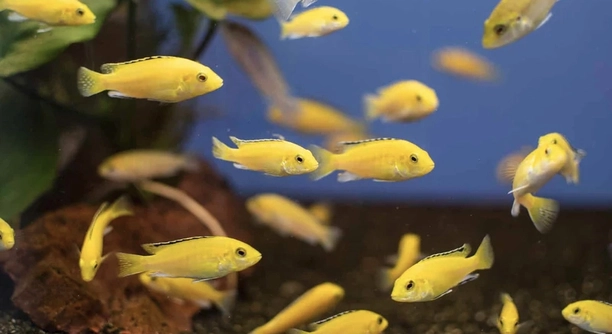
Have you ever noticed how your electric yellow cichlids react to certain sounds around their tank, making you wonder which noises might bother them and influence their calm daily routine in subtle but meaningful ways.
Electric yellow cichlids are sensitive to a range of low frequency vibrations and sudden sharp noises that travel through water, affecting their stress levels and natural behavior. These sounds can disrupt feeding patterns and create tension within their social environment.
Learning about these sound triggers helps you understand how noises influence their mood and create a comfortable space for them.
Low Frequency Vibrations
Low frequency vibrations can influence electric yellow cichlids in strong ways, especially when the tank sits close to appliances or heavy foot traffic. These vibrations travel through the glass and water, touching the fish before you even notice anything happening in the room. The constant movement can make them feel tense, pushing them to hide or stay still for long periods. Even when the source seems small, the effect becomes larger inside their enclosed space. Keeping the tank steady helps them feel safe, giving them more control over their reactions. I have seen how a simple shift in placement can change their mood, allowing them to swim calmly and interact more naturally. When the tank sits on a stable stand and stays away from steady tremors, the fish appear brighter and more active throughout the day, showing a stronger sense of comfort in their environment during quiet evening hours daily.
Reducing constant vibrations gives electric yellow cichlids a calmer space that supports better feeding and natural swimming habits. This simple adjustment creates a safer setting that helps them feel more at ease, leading to steadier behavior and a gentle, relaxed rhythm in their tank throughout their peaceful daily routine today.
Noticing early signs of stress from vibrations helps you understand your fish with more confidence. Small shifts in movement patterns, hiding, or clamped fins often show that something around the tank needs attention. Adjusting the location of nearby speakers, closing doors softly, or placing padding under equipment can make a meaningful difference. These changes give your fish a more stable space that supports calm behavior and steady growth. When the environment feels predictable, electric yellow cichlids show brighter colors and spend more time exploring. This helps you maintain a peaceful habitat that supports their well being each day and more.
Sudden Sharp Noises
Sudden sharp noises can unsettle electric yellow cichlids by breaking their sense of safety. Loud clanks, dropped objects, or abrupt tank lid movements carry through the water, creating fast changes that leave them tense and cautious for long moments after the sound passes inside their quiet home each single day.
Managing sudden noises around the tank helps keep electric yellow cichlids comfortable and steady in their behavior. These fish respond strongly to abrupt sounds because water carries vibrations quickly, making every impact feel larger than it seems. Placing the tank in a low traffic room lowers the chance of loud surprises reaching them. Softening the area with rugs or pads under furniture can also reduce harsh impacts from footsteps or moving objects. I have noticed that even small changes like closing cabinets carefully or avoiding quick taps on the glass support a calmer atmosphere. When the surroundings stay steady, the fish spend more time swimming openly and interacting with each other without signs of stress. Their colors appear brighter and their movements become smoother, showing that the quiet environment supports their comfort. Creating predictable patterns in daily activities helps them settle into a stable rhythm. Over time, these thoughtful adjustments lead to a healthier, more peaceful habitat that encourages natural behavior and gentle exploration, making the tank feel like a safe place for them to thrive while helping them maintain steady energy levels and develop stronger social bonds within their group each calm and predictable day in your home setting.
Household Appliance Noise
Household appliance noise can unsettle electric yellow cichlids when the tank sits close to machines that run on steady cycles. Washers, dryers, and dishwashers create vibrations that travel through floors and stand surfaces, making the fish tense and less willing to move naturally.
Keeping the tank away from running appliances helps reduce the constant humming that affects their behavior. I have noticed that when the tank sits in a quieter corner, the fish seem more at ease and their movements stay steady throughout the day. Appliances produce vibrations that may feel faint to you but become stronger once they reach the tank. Creating distance between the tank and these machines softens the impact and gives the fish space to settle into a calmer rhythm. This helps them maintain healthy patterns in swimming, feeding, and social interactions.
Paying attention to how appliances influence their comfort can guide you toward better placement decisions. When the tank rests on a sturdy piece of furniture in a calm section of the home, the fish appear brighter and more relaxed. Even small changes, like shifting the tank away from shared walls or adding soft padding beneath the stand, can lessen vibrations. These adjustments help the fish feel safer and more in control, encouraging natural movement and reducing signs of hidden stress.
Door Slams and Footsteps
Door slams and heavy footsteps can send quick bursts of vibration through the floor that startle electric yellow cichlids. Even when the source seems small to you, the sound becomes sharper once it reaches the water, causing the fish to dart or hide suddenly.
Keeping the area around the tank calm helps limit these fast changes. Placing the tank away from busy walkways or rooms with frequent door use lets the fish settle into a more predictable routine. I have seen how gentle movement in the home keeps them from reacting so strongly to every unexpected noise. Adding soft rugs can reduce the impact of footsteps, and closing doors with care prevents sudden shifts that might unsettle them. These steps give the fish a stable setting where they can swim, explore, and interact without constant interruptions. When the environment stays consistent, they show smoother movement, clearer colors, and a stronger sense of comfort each day.
Loud Television and Music
Loud television and music can unsettle electric yellow cichlids by creating strong vibrations that reach the tank quickly. Even when the volume feels normal to you, the sound becomes more intense once it travels through the water, making the fish feel uneasy and less steady in their movements.
Keeping the tank away from speakers or entertainment areas helps reduce these disturbances. Lowering the volume during shows or music sessions can also make a meaningful difference. I have noticed that when the room stays calm, the fish show smoother swimming patterns and appear more relaxed throughout the day without sudden signs of tension.
Clattering Kitchen Sounds
Clattering kitchen sounds can carry sharp vibrations that reach the tank in quick bursts. Pots, pans, and utensils create sudden noises that often make the fish dart or hide. When the tank sits farther from the kitchen, these impacts soften, giving them a calmer space where they can move comfortably and settle with ease.
Outdoor Construction Noise
Outdoor construction noise can disrupt your fish by sending strong vibrations through walls and floors. These deep sounds travel easily and may cause the fish to stay tense for long periods. Placing the tank in a room farther from exterior walls helps soften these impacts and supports a steadier atmosphere for them.
What sounds are electric yellow cichlids most sensitive to?
Electric yellow cichlids are highly sensitive to low frequency vibrations, sudden sharp noises, and consistent loud sounds. These include household appliances, construction, door slams, heavy footsteps, clattering kitchen items, and loud television or music. Vibrations travel easily through glass and water, making even distant sounds impactful. I have noticed that subtle changes in their environment, like moving the tank away from a washing machine or placing soft padding under a stand, make the fish calmer and more willing to swim openly. Their reactions can range from brief hiding to long periods of stillness, showing that even minor sound disturbances affect their daily comfort. Reducing exposure to these sounds improves their behavior, feeding patterns, and social interactions within the tank.
How can I tell if my fish is stressed by noise?
Signs of stress from sound include hiding, clamped fins, darting movements, or refusing to eat. Some fish may appear pale or stay near the tank’s bottom for long periods. I have observed that when sudden noises occur, cichlids often freeze for several seconds before moving again. Over time, repeated exposure can affect their health, so monitoring their behavior is crucial. Small adjustments, like lowering the volume of nearby music or softening footsteps with rugs, help reduce stress levels. Keeping a quiet, stable environment allows them to explore the tank fully and interact naturally with other fish. Stress can also manifest as aggression or territorial disputes if the fish feel constantly threatened by vibrations.
Are there ways to reduce noise without moving the tank?
Yes. Soft padding under the stand or using rubber mats can absorb vibrations from floors. Closing doors slowly and limiting loud activities near the tank also helps. I have noticed that even small changes, such as placing furniture between the tank and noisy appliances, reduce the intensity of vibrations reaching the water. Lowering the volume of televisions or speakers in adjacent rooms further minimizes disruption. You can also introduce plants or decorations inside the tank to provide hiding spots, which help fish feel secure when unexpected sounds occur. These adjustments create a calmer environment without requiring major relocations of the aquarium, supporting more natural behavior and stable routines for your cichlids.
Is it normal for cichlids to react to construction or outdoor noise?
Yes, cichlids often react to vibrations from construction, traffic, or other outdoor sounds. These deep noises travel through walls and floors, affecting their sense of safety. I have seen electric yellow cichlids freeze or dart whenever heavy machinery operates nearby. Moving the tank away from exterior walls, or adding padding and insulation, helps reduce these disturbances. Creating predictable patterns in your household’s activities also minimizes their stress. Fish that feel secure in their environment display brighter colors, maintain regular swimming patterns, and show calmer social interactions. Even subtle changes, like adjusting blinds or curtains to reduce outdoor noise, can make a noticeable difference in their comfort.
Can loud music or television permanently harm cichlids?
Loud, frequent noise can have long-term effects if it causes chronic stress. Stress weakens their immune system, reduces appetite, and may trigger aggressive behavior. I have noticed that fish constantly exposed to high volumes can appear paler and less active. While a single loud event is unlikely to cause permanent harm, repeated disturbances can affect overall health. Managing the environment with quieter routines, soundproofing measures, and strategic tank placement helps prevent lasting damage. Providing a calm, stable habitat ensures that cichlids retain their natural behaviors, maintain healthy growth, and remain visually vibrant over time.
How can I make my tank quieter naturally?
You can reduce noise naturally by positioning the tank in a low-traffic area away from doors, appliances, and external walls. Soft mats or padding under the stand absorb vibrations. I also recommend using decorations and plants inside the tank to give fish hiding spots, which help them feel secure during unavoidable noises. Limiting loud activities near the aquarium, keeping household routines steady, and lowering speaker volumes create a calmer environment. Over time, these changes help electric yellow cichlids move confidently, interact peacefully, and maintain stable swimming and feeding patterns without constant disruption. A quiet habitat supports their overall health and comfort.
What immediate steps should I take if my fish seem stressed by sound?
If fish react to sudden noises, first ensure the source is minimized or removed. I often turn down music, close doors gently, or pause appliance use temporarily. Providing hiding spots like caves, plants, or decorations helps fish feel secure. Observe their behavior for changes, and maintain calm routines around the tank. Over several days, check if swimming patterns and feeding improve. Adjusting surroundings gradually rather than making abrupt changes avoids additional stress. This method allows electric yellow cichlids to regain normal activity and color vibrancy while ensuring their environment supports long-term comfort and reduces repeated stress from everyday sounds.
How often should I monitor their response to noise?
Monitoring should be daily, especially during known noisy periods like appliance use or construction. I watch for darting, hiding, or clamped fins as signs of stress. Keeping notes on behavior helps identify patterns and decide on long-term adjustments. Small changes can significantly improve comfort and routine, supporting healthy growth and social interactions.
Can other fish help reduce stress caused by noise?
Yes, having compatible tank mates can provide social reassurance, but they should not overcrowd the tank. Electric yellow cichlids often find comfort when other calm fish swim nearby, offering distraction from minor disturbances. I have seen that balanced social environments improve confidence and reduce hiding behaviors during brief noisy moments. Proper tank design and thoughtful species selection enhance overall stability, supporting both social and environmental well-being in your aquarium.
Creating a calm environment for electric yellow cichlids is essential to keeping them healthy and comfortable. These fish are sensitive to vibrations and sudden noises that travel through water, affecting their behavior and overall well-being. From household appliances and heavy footsteps to construction and loud music, many everyday sounds can cause stress without you realizing it. By observing their reactions, such as hiding, darting, or clamped fins, you can identify which noises bother them most. Even subtle disturbances can influence their feeding, swimming, and social interactions. Paying attention to these small details allows you to provide a stable and secure habitat where they can thrive.
Placement of the tank plays a major role in controlling noise exposure. Keeping the aquarium away from external walls, high-traffic areas, and loud machines helps reduce vibrations and sudden disruptions. Adding soft padding under the stand or furniture absorbs some of the energy from footsteps or appliance use. Inside the tank, decorations, rocks, and plants provide hiding spots, giving cichlids a sense of security when unexpected sounds occur. Adjusting the surrounding environment in small, practical ways can significantly reduce stress. Over time, fish that experience fewer disturbances appear brighter, swim more naturally, and display steadier social behaviors. These changes not only improve daily comfort but also support long-term health.
Consistent observation and small adjustments go a long way in maintaining a peaceful tank. Monitoring daily behavior helps you notice early signs of stress, allowing for timely corrections. Limiting sudden loud noises, softening household impacts, and creating predictable routines can make a noticeable difference in how your fish feel. Electric yellow cichlids respond well to stability, and providing a calm, secure environment enhances their natural behavior and interaction with other fish. By prioritizing their comfort and understanding their sensitivity to sound, you can maintain a thriving aquarium that balances visual beauty with the well-being of its inhabitants. With these strategies, your cichlids are more likely to live healthier, calmer lives, showing vibrant colors and steady energy each day.

Hello,
If you enjoy the content that we create, please consider saying a "Thank You!" by leaving a tip.
Every little bit helps us continue crafting quality advice that supports the health, happiness, and well-being of pets around the world, for pets of all shapes, sizes, and species.
We really appreciate the kindness and support that you show us!