
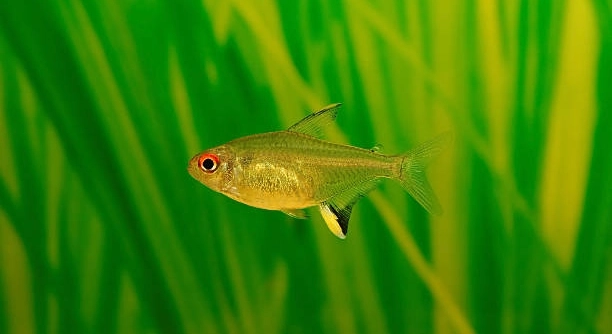
Arowanas are fascinating fish that move gracefully in their tanks. Watching them swim can feel playful, but there is more to their behavior than just simple movement. These fish have unique habits that can seem entertaining.
Arowanas often engage in behaviors that resemble play, including surface skimming, chasing reflections, and interacting with objects in their environment. These actions serve purposes such as exercise, exploration, and sensory stimulation, rather than being purely recreational.
Observing these actions can give insight into their instincts and needs. Learning more about them helps understand how they interact with their surroundings naturally.
Chasing Reflections
Arowanas often chase their own reflections on the glass. I’ve noticed my fish darting quickly across the tank whenever light hits at the right angle. This behavior may look playful, almost like a game, but it serves as mental and physical stimulation. They seem to enjoy testing their speed and precision while following the moving image. Sometimes they tap the glass lightly or change direction rapidly, which adds to the impression of playful activity. Over time, I realized it’s not about the reflection itself but about honing their instincts. Chasing reflections keeps them active, preventing lethargy and boredom in an indoor environment. Observing these movements can be surprisingly calming and shows how alert they remain even when nothing is threatening them. Their natural predatory instincts are engaged subtly, allowing them to practice timing and reflexes without harm. It also highlights their intelligence and awareness, traits that are often overlooked by casual observers.
Reflection chasing strengthens coordination and stimulates mental activity. It allows Arowanas to practice predatory skills safely while maintaining alertness, improving overall well-being.
Watching them move with focus is strangely captivating. It makes one appreciate their instinctive intelligence and grace.
Skimming the Surface
Arowanas skim the water surface constantly, appearing to glide with purpose.
Surface skimming helps them sense changes in the environment. By moving near the top, they detect currents, water quality, and possible prey. It also engages their muscles differently than deep swimming, providing a low-impact form of exercise. I’ve seen my fish hover just below the surface for long periods, then suddenly dart to catch tiny floating particles or bubbles. This behavior is often mistaken for simple play, but it’s linked to instinct and environmental awareness. Skimming also allows them to maintain balance in the water column and control their buoyancy effectively.
Observing these moments up close shows how deliberate their actions are. Each movement is purposeful, combining physical coordination with environmental monitoring. Their elegance comes from this efficiency, moving with minimal effort yet maximum awareness. Even when they appear relaxed, they are alert and engaged with the surroundings. Over time, I’ve found skimming behavior to be a reliable indicator of health. A healthy Arowana will skim actively, showing energy, curiosity, and proper swimming technique. Ignoring this instinct could reduce activity levels and diminish their quality of life. Understanding surface behavior gives insight into their natural patterns and helps provide better tank conditions. Watching them in these moments can be almost meditative, revealing both strength and subtlety in their movements. Proper tank setup, clean water, and floating elements can enhance this behavior, making it easier to observe and appreciate. It’s a small but important way to connect with their natural instincts and ensure they remain lively and well-stimulated.
Playing with Floating Objects
Arowanas often push or nudge floating objects in their tank. I’ve noticed my fish circling small leaves or bubbles, tapping them gently with their mouths, sometimes rolling them along the surface. It looks playful, but it also engages their senses.
Floating object interaction helps Arowanas develop coordination and sharpen reflexes. My fish will carefully track a leaf or foam piece, moving it in a pattern across the tank, sometimes flipping it with precise nudges. This action stimulates their mind and provides mild exercise. It mimics natural hunting behavior, giving them a controlled way to practice targeting and manipulating objects without stress.
Over time, I observed that certain objects attract more attention than others. Light, round pieces or reflective materials tend to keep them engaged longer. The fish will repeat movements, almost like testing outcomes, which shows a level of problem-solving and persistence. While it may appear playful, it’s a combination of instinct and curiosity that keeps them active. Regularly placing safe, floating objects can help maintain their activity and reduce boredom. Watching them interact with these items is rewarding because you see both intelligence and physical skill at work.
Shadow Chasing
Arowanas frequently follow shadows in the tank. My fish often darts after my hand or objects passing over the water, staying alert and reactive.
Shadow chasing keeps Arowanas mentally sharp and physically active. They rely on movement detection to sense prey or threats in nature. I’ve observed mine following subtle changes, adjusting speed and angle precisely to stay on target. It is a form of exercise that engages their vision and coordination, helping maintain muscle tone.
This behavior can last several minutes, with the fish weaving through decorations or adjusting depth to follow the moving shadow. It is particularly noticeable when the tank is well-lit or when sunlight moves across the water. I’ve found that shadows cast by different objects elicit varying responses—sometimes the fish investigates carefully, sometimes it reacts with sudden bursts of speed. These moments demonstrate instinctive alertness and problem-solving, revealing intelligence often overlooked. Shadow chasing also reinforces environmental awareness, helping them interpret movement cues and respond effectively. Repeating this behavior regularly shows their adaptability and natural hunting instincts in action. Proper lighting and tank arrangement can enhance this activity, creating safe, stimulating conditions that encourage frequent engagement.
Tail Flicking
Arowanas often flick their tails quickly while swimming. I’ve noticed my fish make sharp, sudden movements that ripple through the water, sometimes while hovering or approaching objects.
Tail flicking helps with balance and minor course corrections. It can also signal alertness, showing how sensitive they are to changes in the tank environment.
Swimming in Circles
Arowanas sometimes swim in tight circles repeatedly. I’ve observed this behavior when my fish is exploring a corner or interacting with objects. Circling engages muscles differently than straight swimming and allows them to practice turning agility, coordination, and speed.
This circular movement also helps them release excess energy safely. My Arowana often repeats the pattern several times, adjusting pace and path with precision. It appears playful, but it also strengthens swimming control, keeps reflexes sharp, and maintains alertness. Circling is a subtle indicator of their overall well-being, showing activity levels and mental engagement.
Nipping at Tank Decorations
Arowanas occasionally nip at decorations or tank surfaces. This behavior helps them explore textures and practice precise movements with their mouths.
Why does my Arowana chase its reflection?
Chasing reflections is a natural behavior for Arowanas. I’ve noticed mine react quickly when light hits the tank at certain angles, appearing almost playful. This behavior is not random; it engages their mental and physical senses. They are honing reflexes and practicing tracking skills. While it looks like they are playing, it is mostly instinctive. Reflections mimic movement of prey or rivals in the wild, so this behavior allows them to stay alert and active. Regular observation of this activity shows me how engaged and healthy my fish is.
Is tail flicking a sign of stress?
Not always. Tail flicking often indicates normal movement and balance adjustments. I’ve seen my Arowana flick its tail while swimming around the tank or nudging floating objects. In many cases, it is part of normal exercise and muscle engagement. Stress-related tail flicking usually comes with other signs like hiding, clamped fins, or rapid breathing. Watching the context helps distinguish between playful or instinctive flicks and stressed behavior.
Why does my Arowana swim in circles?
Swimming in circles is common, especially when they are exploring the tank or testing agility. My fish often circles decorations or open areas repeatedly. This helps strengthen swimming control and engages different muscles compared to straight swimming. It also releases energy safely while keeping reflexes sharp. Circular swimming can indicate curiosity, alertness, and good health when accompanied by smooth movements and clear eyes.
Is nipping at decorations normal?
Yes, it is normal and often a form of exploration. My Arowana occasionally nips at plants, rocks, or artificial objects in the tank. This behavior allows them to investigate textures, practice precision, and interact with their environment. It also mimics natural hunting instincts, helping them engage with objects safely without stress. Watching my fish interact with decorations gives insight into their intelligence and activity levels. Consistently biting everything aggressively, however, can indicate boredom or improper tank enrichment.
Why do Arowanas skim the surface?
Surface skimming is an instinctive behavior. I notice my Arowana moving just below the water top, sometimes nudging small debris or bubbles. This behavior helps monitor water quality, currents, and potential prey. It also provides low-impact exercise, engaging muscles differently than deep swimming. Skimming reflects alertness and curiosity. A healthy Arowana often skims actively, showing interest in its surroundings.
Do Arowanas like shadows?
Yes, they often follow shadows cast over the tank. I watch my fish dart after my hand or moving objects. Shadow chasing keeps them mentally stimulated and physically active. It helps develop alertness, coordination, and problem-solving skills. Shadows provide a safe form of engagement, simulating movement that could indicate prey or a threat in nature. Regularly observing this behavior shows their intelligence and sensitivity to changes.
Are floating objects beneficial?
Absolutely. Floating objects like leaves or foam pieces provide enrichment. My Arowana enjoys nudging and rolling them around, which strengthens coordination and engages curiosity. This activity mimics hunting behavior safely and encourages problem-solving. Introducing safe, lightweight objects periodically keeps them active, reduces boredom, and encourages natural instincts without stress.
Can these behaviors indicate health issues?
Yes, observing changes is important. If your Arowana stops chasing reflections, swimming actively, or interacting with objects, it may signal illness, stress, or poor water conditions. Consistent engagement in these behaviors usually indicates good health. Monitoring these patterns helps me ensure my fish remains active and well. Adjusting tank conditions, diet, or enrichment often restores natural behaviors quickly.
Do Arowanas get bored without stimulation?
Yes, they do. I’ve noticed my fish become sluggish when left without objects, light variation, or environmental changes. Lack of stimulation reduces natural behaviors like surface skimming, tail flicking, or object interaction. Providing enrichment like floating objects, varied lighting, and decorations maintains their physical and mental health. Engaged Arowanas are more alert, active, and display their natural instincts consistently.
How can I encourage playful behaviors safely?
Providing safe, non-toxic decorations, floating objects, and appropriate tank space encourages these behaviors. I occasionally move objects or adjust light to create movement they can follow. Consistent water quality, proper diet, and space for swimming are also essential. Encouraging natural behaviors ensures my Arowana remains healthy, active, and mentally stimulated. Observing and supporting these instincts strengthens my understanding of their needs.
This FAQ highlights common behaviors that look playful but serve deeper purposes. Understanding these instincts helps maintain their well-being while offering engaging, safe opportunities for exercise and mental stimulation.
Arowanas are fascinating fish, and observing their behaviors can be both entertaining and insightful. Many of the actions that appear playful, like chasing reflections, skimming the water surface, or nudging floating objects, are actually linked to their natural instincts and physical needs. Over time, I’ve realized that these behaviors are essential for their mental and physical health. Each movement, whether it’s swimming in circles, flicking their tails, or nipping at decorations, helps them stay alert and engaged in their environment. Watching these behaviors closely allows you to see how intelligent and adaptable Arowanas can be, even within the confines of a tank. What may seem like simple play is actually a complex combination of instinct, curiosity, and exercise. Providing an environment that encourages these actions can improve their overall well-being, ensuring they remain active, healthy, and mentally stimulated.
Creating a suitable tank environment is important for supporting these behaviors. Floating objects, plants, and decorations give Arowanas opportunities to explore, interact, and refine their movements. Surface skimming, chasing shadows, and tail flicking all benefit from a tank setup that allows free movement and variation in depth. I’ve found that maintaining clean water and proper lighting also encourages these behaviors. When the tank environment supports their instincts, Arowanas tend to be more confident, alert, and lively. Observing these activities gives insight into their health; a lack of engagement often signals stress, boredom, or improper conditions. By paying attention to these subtle cues, you can adjust the tank and routine to better meet their needs. It’s fascinating to see how small changes in the environment can influence the behaviors of these fish, encouraging them to stay active while practicing natural instincts.
Understanding Arowanas’ seemingly playful behaviors helps build a better relationship with them as caretakers. While these actions might look like entertainment, they serve real purposes like exercise, mental stimulation, and environmental awareness. Over time, I’ve come to appreciate that observing and supporting these instincts is a form of care that promotes their overall health. Providing enrichment, monitoring activity, and maintaining the tank properly ensures that they can display natural behaviors safely. Paying attention to these details allows you to appreciate both their beauty and intelligence. The time spent observing their movements, from chasing reflections to circling objects, not only gives insight into their instincts but also offers a sense of connection. By recognizing the reasons behind each behavior, you can create a habitat that allows Arowanas to thrive, making it possible to enjoy their natural grace and curiosity every day.

Hello,
If you enjoy the content that we create, please consider saying a "Thank You!" by leaving a tip.
Every little bit helps us continue crafting quality advice that supports the health, happiness, and well-being of pets around the world, for pets of all shapes, sizes, and species.
We really appreciate the kindness and support that you show us!