
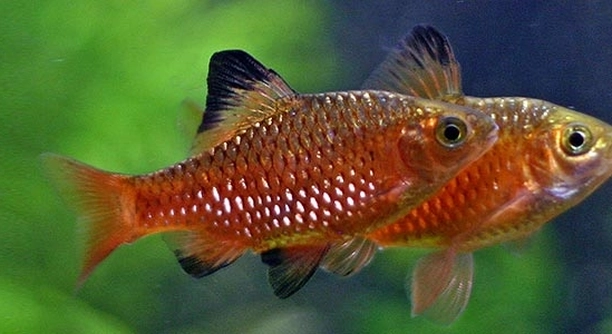
Rosy barbs are popular freshwater fish known for their vibrant colors and active behavior. They can be sensitive to changes in their tank environment. Small adjustments in their surroundings may affect their comfort and actions.
Seven specific tank changes can cause disorientation in rosy barbs. These include alterations in water temperature, lighting, tank decorations, water flow, tank mates, feeding schedules, and water chemistry. Each factor influences their behavior and overall well-being in measurable ways.
Understanding these changes can help maintain a stable habitat for your rosy barbs and promote their health and happiness. This article explains how each adjustment impacts them and what to consider for their care.
Water Temperature Shifts
Water temperature plays a big role in how rosy barbs feel and act. When the temperature changes suddenly or goes outside their comfort zone, they may become stressed or confused. Ideal temperatures for rosy barbs range from 64°F to 72°F. If the tank becomes too warm or too cold, their metabolism can slow down or speed up, causing unusual swimming patterns. Consistent temperature is key for keeping them calm and active. Sudden drops or spikes in temperature may also weaken their immune systems, making them more vulnerable to illness. Using a reliable heater and thermometer helps maintain a stable temperature, which supports their overall health and behavior.
Maintaining steady water temperature helps rosy barbs feel secure and keeps their activity normal.
Even small temperature changes can disrupt their swimming and feeding habits. For example, colder water may slow them down, while warmer water can make them restless or aggressive. Monitoring your tank’s temperature daily allows you to catch any shifts early and correct them. Avoid placing the tank near drafts, heaters, or windows where temperature can fluctuate easily. This simple step reduces stress and prevents long-term health problems, making your rosy barbs more comfortable and balanced in their environment.
Lighting Adjustments
Lighting changes can confuse rosy barbs and disrupt their normal routines. Bright or flickering lights may cause them to hide or swim erratically. Dimming lights suddenly can startle them. Consistent, moderate lighting simulates their natural habitat and supports healthy behavior.
Proper lighting is essential for regulating their day-night cycle, which influences feeding and resting patterns.
Lighting affects not only their behavior but also their coloration. Too much light may bleach their colors, while too little can dull their appearance. It also impacts the growth of plants and algae in the tank, which are important for a balanced ecosystem. Using a timer to maintain regular light periods helps create a stable environment. If you need to adjust lighting, do so gradually over several days to avoid shocking your fish. Keeping the light on for 8 to 12 hours daily mimics natural conditions and encourages a calm, active tank atmosphere.
Changes in Tank Decorations
Changing tank decorations too often can confuse rosy barbs. They rely on familiar hiding spots and landmarks to feel secure. When decorations are moved or replaced, the fish may become disoriented and swim nervously as they adjust.
Frequent rearranging removes the sense of stability they need. Rosy barbs explore their environment based on what they know. When decorations disappear or move, it disrupts their normal routes and resting places. This can lead to stress or aggression. Keeping decorations consistent helps maintain a peaceful environment. If you want to add something new, try to introduce it slowly without removing too much at once.
Familiar decorations also reduce stress by giving rosy barbs places to retreat when they feel threatened. A stable tank layout encourages natural behaviors like schooling and resting. Avoiding sudden or major decoration changes helps keep your fish comfortable and less likely to show signs of confusion or distress.
Water Flow Variations
Water flow affects how rosy barbs swim and interact with their environment. Sudden changes in flow speed or direction can startle them or cause them to struggle.
Rosy barbs prefer moderate water currents. Too strong a flow can tire them out and force them to fight the current constantly, leading to stress and fatigue. Too weak a flow may reduce oxygen levels and cause water to become stagnant. Adjusting filters or pumps gradually allows the fish to adapt without panic. Regular maintenance prevents unexpected shifts in water flow that might confuse the fish.
Consistent water movement also helps distribute oxygen and nutrients evenly, supporting healthy fish and plants. Understanding your tank’s flow needs means you can create a comfortable space for your rosy barbs to swim naturally.
Tank Mate Changes
Introducing new tank mates can unsettle rosy barbs. They may feel threatened or stressed by unfamiliar fish, especially if the newcomers are aggressive or too large.
Rosy barbs prefer peaceful companions. Sudden changes in social dynamics can cause hiding, erratic swimming, or aggression. It’s best to add new fish slowly and monitor their interactions to ensure harmony.
Feeding Schedule Adjustments
Changing feeding times or types of food can disrupt rosy barbs’ routines. They are used to consistent feeding patterns, which help regulate their behavior and metabolism.
Unexpected changes may cause stress or overeating. Maintaining a regular feeding schedule supports their health and keeps them active.
Water Chemistry Shifts
Sudden changes in pH, hardness, or ammonia levels can disorient rosy barbs. They thrive in stable water conditions, so monitoring and adjusting chemistry carefully is important for their well-being.
How do temperature changes affect rosy barbs?
Rosy barbs are sensitive to water temperature shifts. Sudden changes can stress them out and affect their metabolism. If the water is too cold, they may become sluggish and eat less. Too warm, and they might swim erratically or show signs of aggression. Keeping the temperature stable between 64°F and 72°F helps them stay healthy and calm.
What is the best way to adjust lighting for rosy barbs?
Gradual lighting changes are key. Sudden bright or dim lights can scare or confuse rosy barbs. Using a timer to keep a consistent 8 to 12-hour light cycle mimics natural daylight, which supports their feeding and resting behaviors. Avoid flickering lights, as they can cause stress and disrupt normal activity.
Why do decoration changes confuse rosy barbs?
Rosy barbs use tank decorations as landmarks and hiding spots. When these change too often or suddenly, they lose their familiar routes, making them nervous or disoriented. Keeping a consistent tank layout reduces stress. If adding new items, introduce them slowly and keep some familiar features intact.
Can changing water flow affect rosy barbs’ behavior?
Yes, it can. Rosy barbs prefer moderate water currents. If the flow suddenly becomes stronger, they may struggle to swim, which tires them out. Too weak a flow can lead to poor oxygen circulation. Gradual changes and regular equipment checks help keep the flow steady, supporting natural swimming and breathing.
How do new tank mates impact rosy barbs?
New fish can disturb rosy barbs if they are aggressive or larger. This can cause hiding, stress, or fights. Rosy barbs are social but prefer peaceful companions. Introducing new tank mates slowly and watching interactions helps keep the tank balanced and the fish comfortable.
What happens if the feeding schedule changes abruptly?
Rosy barbs rely on routine feeding times. Sudden changes can confuse them and cause overeating or stress. Keeping feeding consistent helps regulate their metabolism and behavior. If a schedule change is necessary, adjust feeding times gradually to help them adapt.
Why is stable water chemistry important for rosy barbs?
Rosy barbs thrive in stable water conditions. Sudden shifts in pH, hardness, or ammonia can harm them or cause disorientation. Regular water testing and careful adjustments prevent harmful spikes and maintain a healthy environment for your fish.
How long does it take for rosy barbs to adjust after a tank change?
Adjustment time varies, but it generally takes several days to a week. During this time, they may swim nervously or hide more than usual. Keeping conditions stable and avoiding multiple changes at once helps speed up their comfort and return to normal behavior.
Are there signs that rosy barbs are stressed from tank changes?
Yes, signs include erratic swimming, hiding more often, loss of appetite, or aggressive behavior. These reactions show discomfort or confusion. Observing these signs early allows you to make necessary adjustments and reduce stress for your fish.
What can be done to help rosy barbs feel comfortable after changes?
Provide hiding spots and keep conditions as stable as possible. Make changes gradually and monitor the fish closely. A calm environment with familiar decorations and regular feeding schedules helps rosy barbs regain comfort and confidence quickly.
Changes in a rosy barb’s tank environment can have a big impact on their behavior and well-being. These fish are sensitive to their surroundings and rely on a stable habitat to feel safe and comfortable. When things like water temperature, lighting, decorations, or tank mates are altered, even slightly, it can cause stress or confusion. Understanding how each factor affects rosy barbs helps in providing the best care for them. Stability and consistency in the tank setup are important to keep these fish healthy and happy.
It is natural to want to improve or update the tank from time to time, but making too many changes too quickly can be harmful. Gradual adjustments give rosy barbs time to adapt and avoid shock. For example, slowly changing the water temperature or adding new decorations one at a time will help reduce stress. Keeping a steady routine with feeding and lighting also supports their natural behaviors. When new tank mates are introduced, careful observation ensures that all fish live peacefully together. Being mindful of these details can prevent unnecessary problems and keep the tank environment balanced.
Taking good care of rosy barbs means paying attention to the small things that make a big difference in their lives. Regular monitoring of water conditions, gentle handling during changes, and maintaining a consistent environment all contribute to their overall health. When their habitat is stable, rosy barbs show brighter colors, swim actively, and behave normally. Remembering that these fish thrive best in calm and steady surroundings will guide you in making thoughtful choices for their care. With patience and care, your rosy barbs can enjoy a comfortable and stress-free home.

Hello,
If you enjoy the content that we create, please consider saying a "Thank You!" by leaving a tip.
Every little bit helps us continue crafting quality advice that supports the health, happiness, and well-being of pets around the world, for pets of all shapes, sizes, and species.
We really appreciate the kindness and support that you show us!