
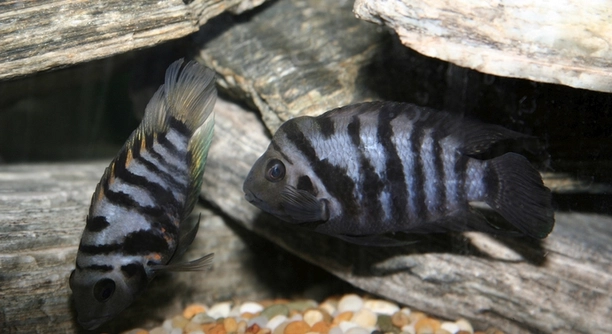
Aggressive cichlids require special care to thrive in a home aquarium. Setting up the tank properly can help manage their behavior and maintain a healthy environment. Attention to details in the setup is essential for their well-being and your enjoyment.
Effective tank setup for aggressive cichlids involves providing ample hiding spaces, maintaining proper water parameters, and carefully selecting compatible tank mates. Using sturdy decorations and creating territorial boundaries reduces stress and aggressive encounters, ensuring a balanced aquatic community.
These simple but important tricks can improve your tank’s harmony and make caring for aggressive cichlids more manageable. The following tips offer practical guidance to enhance your aquarium setup.
Provide Plenty of Hiding Spaces
Aggressive cichlids feel more secure when they have places to hide. Rocks, caves, and dense plants can break the line of sight, reducing aggression by giving fish their own space. Creating multiple hiding spots helps reduce stress and prevents dominant fish from constantly bullying others. It also encourages natural behavior like exploring and resting. Using sturdy decorations ensures these spaces won’t easily shift or fall, which could harm the fish. Avoid overcrowding the tank with too many decorations, as this limits swimming room. The right balance between open space and hiding spots creates a peaceful environment where aggressive cichlids can coexist. Consider arranging hiding spots so each fish has access without confrontation.
Adding hiding spots is one of the easiest and most effective ways to reduce aggression in your tank. It improves fish well-being and promotes harmony.
When planning your tank, think about different types of hiding places. Use smooth rocks stacked to form caves or dense clusters of plants for shelter. You can also add artificial caves or driftwood. Variety and placement matter because cichlids establish territories, and well-distributed hiding spots prevent fights over the same area. Rearrange decorations if aggression becomes a problem. Make sure to clean and check the hiding spaces regularly to avoid buildup of waste or algae. These small steps will keep your cichlids calmer and healthier.
Maintain Stable Water Parameters
Keeping water conditions steady is key for aggressive cichlids’ health and behavior. Sudden changes in temperature, pH, or hardness cause stress, making fish more prone to aggression and disease. Regular testing and consistent water changes maintain ideal levels. Cichlids usually prefer warmer water with a pH between 7.5 and 8.5, but research the specific species you have for best results. Use a reliable heater and filter to keep conditions stable. Avoid overcrowding to prevent waste buildup, which can affect water quality. Stable water means less stress and fewer aggressive outbursts, helping the fish to feel comfortable in their environment.
Aggression often worsens when fish are stressed by poor water conditions. Stable water quality supports calmer behavior.
To maintain proper water quality, test your tank weekly for ammonia, nitrites, nitrates, pH, and temperature. Perform regular partial water changes, usually 20-30% weekly, to keep the water clean and balanced. Using a good filtration system is essential to remove waste and toxins effectively. Keep the substrate and decorations clean but avoid disturbing the tank too much. Changes should be gradual when adjusting parameters. Proper maintenance reduces aggression and supports your cichlids’ immune system, making your tank a healthier place. Establishing a routine will save you from many problems and improve your fish’s quality of life.
Select Compatible Tank Mates Carefully
Choosing the right tank mates is important to minimize fights and stress among aggressive cichlids. Some species tolerate others better, while some combinations lead to constant battles. Avoid mixing very different sizes or highly territorial fish in the same tank. Selecting cichlids of similar size and temperament helps create balance. Adding fish that are fast swimmers or bottom dwellers can reduce conflicts by occupying different parts of the tank. Keep in mind that each cichlid species has unique needs, so research their behavior before introducing new fish. Compatibility reduces stress and helps maintain a peaceful aquarium.
Proper tank mate selection supports a healthier and calmer environment.
When adding new fish, introduce them slowly and watch how they interact. Avoid overcrowding to give each fish enough space to establish territory. If aggression becomes an issue, be prepared to separate or rehome incompatible fish. Choosing compatible species and managing tank population carefully will ensure a smoother experience with aggressive cichlids.
Use Durable Decorations
Durable decorations withstand the rough behavior of aggressive cichlids. Fragile items can break easily, causing injury and stress. Choose sturdy rocks, solid caves, and heavy driftwood that won’t topple or crack. This protects your fish and keeps the tank safe.
Strong decorations prevent accidents in the tank. Aggressive cichlids often rearrange their environment, so lightweight or delicate objects can shift and fall, harming fish or increasing aggression due to stress. Solid materials resist damage and offer stable territories. Avoid sharp edges to protect fins and scales. Durable decorations help maintain a safer, more stable habitat.
Heavy and stable decorations help create clear territorial boundaries. Cichlids claim these spots, reducing fighting over space. Regularly inspect decorations for wear or damage and replace them if necessary. Choosing the right materials saves time and keeps your fish healthy.
Create Clear Territorial Boundaries
Clear territorial boundaries reduce fights among aggressive cichlids. Using decorations to divide the tank helps each fish claim its own area. This lowers stress and aggressive behavior significantly.
Setting up distinct territories allows cichlids to establish dominance without constant confrontation. Use rocks, caves, and plants to break sight lines and separate spaces. Territorial fish defend these areas, reducing direct clashes. This strategy mimics their natural habitat, where physical boundaries help maintain order.
It’s important to balance space between boundaries. Overcrowding makes it harder for fish to respect territories. Too much empty space can increase roaming and aggression. Observe your tank regularly and rearrange decorations if necessary. Creating clear, well-defined territories supports peaceful coexistence and helps your cichlids thrive.
Monitor Feeding Times
Feeding aggressive cichlids on a regular schedule helps reduce food-related fights. Uneven feeding can increase competition and stress, leading to more aggression. Consistent meal times keep them calm.
Provide enough food so all fish can eat without rushing. Overfeeding causes water quality issues, so balance quantity carefully.
Avoid Overcrowding
Overcrowding increases stress and triggers aggressive behavior. Each cichlid needs enough space to establish territory and swim freely.
A spacious tank reduces conflicts and supports healthier fish. Follow recommended stocking levels based on species and tank size.
Use Soft Substrate
Soft substrates like sand prevent injuries from aggressive digging. Rough or sharp substrates can harm fins and skin during territorial disputes.
Sand also helps mimic natural habitats, making cichlids feel more comfortable and less stressed, which reduces aggressive tendencies.
FAQ
How can I reduce aggression among cichlids in my tank?
Reducing aggression starts with providing plenty of hiding spaces and clear territorial boundaries. Using sturdy decorations like rocks and caves helps fish claim their own areas. Keeping water parameters stable also lowers stress, which often triggers fighting. Feeding on a regular schedule with enough food ensures less competition during meals. Avoid overcrowding to give each fish enough space. These steps combined create a calmer environment and reduce aggressive encounters.
What type of decorations work best for aggressive cichlids?
Durable and heavy decorations are best because aggressive cichlids often move objects around. Choose smooth rocks, solid caves, and heavy driftwood that won’t easily topple. Avoid fragile or sharp items that could injure the fish. Decorations should be arranged to create distinct territories without overcrowding the tank. This setup helps keep the peace and supports natural behavior.
Why is stable water important for aggressive cichlids?
Sudden changes in water temperature, pH, or hardness stress cichlids and can increase aggression. Maintaining steady water parameters helps fish feel secure and healthy. Frequent testing and partial water changes keep conditions optimal. A reliable heater and filter also contribute to stability. Stress from poor water quality weakens the immune system and leads to more fights, so proper maintenance is essential.
Can all cichlids live together peacefully?
Not all cichlids are compatible. Some species are highly territorial or aggressive toward others, especially those of different sizes or temperaments. Choosing tank mates with similar size and behavior reduces conflicts. Fast swimmers or bottom dwellers can share space more easily. It’s important to research the specific species and watch interactions closely. Be prepared to separate fish if aggression becomes harmful.
How often should I clean the tank with aggressive cichlids?
Regular cleaning is crucial for water quality and fish health. Perform partial water changes of 20-30% weekly to remove waste and toxins. Clean decorations and substrate carefully to avoid disturbing territories too much. A clean tank reduces stress and aggressive behavior caused by poor conditions. Avoid full water changes unless necessary, as this can shock the fish.
What feeding practices help manage aggression?
Feed cichlids at consistent times daily to reduce competition. Offer enough food so all fish get a chance to eat without rushing or fighting. Use sinking pellets or target feeding to reach shy or bottom-dwelling fish. Avoid overfeeding, as leftover food pollutes the water and can increase stress. Balanced nutrition supports overall health and calmer behavior.
How much space does each cichlid need?
Space requirements vary by species, but generally, each aggressive cichlid needs enough room to establish a territory without crowding. Overcrowding increases stress and fights. Larger tanks allow better distribution of hiding spots and territories. As a rule, plan for at least 20 gallons per medium-sized cichlid, adjusting for species and individual behavior.
What signs indicate that aggression is harming my fish?
Look for torn fins, missing scales, or constant chasing. Stress behaviors include hiding too much or loss of appetite. If aggression causes injuries or weakens fish, it’s time to adjust tank setup or separate individuals. Early detection helps prevent serious health problems and keeps the community balanced.
Is it necessary to rearrange decorations often?
Rearranging decorations can sometimes reduce established aggression by disrupting territories, but it may also stress fish. Only change the layout if aggression becomes a problem or if some fish are excluded from hiding places. Make adjustments gradually and observe how fish respond. The goal is to balance stability and flexibility.
Can plants help control aggression?
Yes, live or artificial plants create natural barriers and hiding spots. They break sight lines, giving fish places to retreat. Dense planting helps reduce tension, especially if combined with rocks and caves. Choose hardy plants that tolerate cichlid activity and won’t be uprooted easily. Plants contribute to a healthier tank environment overall.
Final Thoughts
Setting up a tank for aggressive cichlids requires careful planning and attention to detail. Providing plenty of hiding spaces and sturdy decorations creates a safe environment where fish can establish territories and reduce conflicts. Maintaining stable water conditions is equally important, as sudden changes cause stress that can lead to more aggression. Keeping the tank clean and feeding your cichlids on a consistent schedule also helps keep their behavior in check. These steps work together to create a balanced and healthier aquarium.
Choosing compatible tank mates and avoiding overcrowding are other key factors in managing aggression. Different cichlid species have varied temperaments, so selecting fish with similar size and behavior reduces fighting. Each fish needs enough room to claim its own space and swim freely. Overcrowding often increases stress and leads to more aggressive encounters. Watching how fish interact and making changes when necessary can prevent serious problems and improve the overall atmosphere in your tank.
While aggressive cichlids require more effort than some other fish, their striking colors and interesting behaviors make the work worthwhile. By following the setup tricks outlined, you can enjoy a peaceful aquarium where your cichlids thrive. Taking time to observe your fish and adjust the environment as needed supports their health and happiness. With patience and care, keeping aggressive cichlids can be a rewarding experience that brings vibrant life to your home.

Hello,
If you enjoy the content that we create, please consider saying a "Thank You!" by leaving a tip.
Every little bit helps us continue crafting quality advice that supports the health, happiness, and well-being of pets around the world, for pets of all shapes, sizes, and species.
We really appreciate the kindness and support that you show us!