
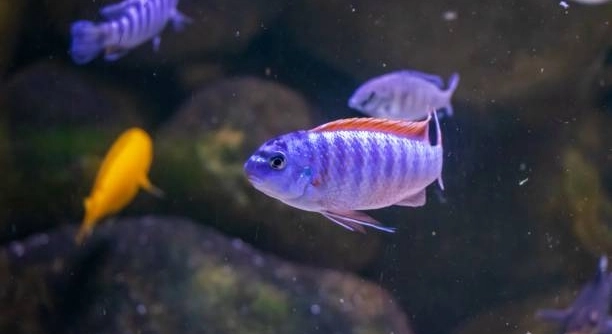
Are your African cichlids swimming around more when kept in groups rather than alone? Many aquarium enthusiasts notice differences in activity levels depending on how these colorful fish are housed. Understanding their behavior can improve their care.
African cichlids generally exhibit higher activity levels when kept in groups. This is due to their social nature, which encourages interaction, territorial displays, and movement within the tank. Group dynamics stimulate natural behaviors and increase overall fish activity.
Knowing how group size affects their behavior can help create a healthier, more engaging environment for your cichlids. This insight benefits both the fish and the aquarium keeper alike.
How Group Size Influences African Cichlid Activity
African cichlids are naturally social fish that often feel more comfortable and active in groups. When kept alone, they tend to hide or remain still, which can make the aquarium seem dull. In groups, they establish territories and engage in displays to assert dominance, which leads to more swimming and movement. The presence of other fish also encourages exploration and interaction, reducing stress and boredom. However, overcrowding should be avoided because it can cause aggression and harm. Finding the right group size depends on the tank’s space and species, but generally, keeping several cichlids together encourages their natural behaviors and livelier activity levels.
Group size directly affects how much your cichlids move and interact, shaping their daily behavior and overall wellbeing.
Providing a balanced group with enough space allows cichlids to thrive, showing their bright colors and energetic personalities. It’s important to observe their interactions and adjust the group size if aggression or stress signs appear.
Signs Your Cichlids Are Happier in Groups
Active swimming, chasing, and defending territory are clear signs your cichlids enjoy being in a group. When they seem lively and interact often, it shows they are comfortable and engaged.
If your cichlids are kept alone, you may notice less movement and hiding, which indicates boredom or stress. Group housing helps mimic their natural environment, which supports their mental and physical health. Watching their group behavior can reveal social hierarchies and help you identify if the tank needs adjustment. Make sure to provide enough space, hiding spots, and resources like food to reduce competition. Maintaining a balanced group keeps aggression in check and supports a more peaceful and active aquarium. Overall, group living encourages cichlids to express their natural behavior, improving their quality of life.
Tank Setup for Active African Cichlids
A properly arranged tank encourages African cichlids to be more active and comfortable. Include plenty of rocks, caves, and hiding spots to create territories and reduce aggression.
Good water quality is essential. Keep the temperature stable around 75–82°F and maintain pH between 7.8 and 8.6. Regular water changes and filtration help keep the environment healthy, which supports fish activity. Lighting should mimic natural conditions, avoiding extremes that cause stress or lethargy.
Spacing matters too. Provide enough swimming room for the group to move freely without overcrowding. Too small a tank can lead to stress, while too large without enough structure may reduce interaction. A balanced environment makes your cichlids feel secure and encourages natural behaviors.
Feeding and Activity Levels
Feeding routines affect how much African cichlids move throughout the day. Providing food at consistent times helps create activity peaks as the fish anticipate feeding.
Offering a varied diet keeps cichlids interested and active. Include high-quality pellets, flakes, and occasional live or frozen foods. Feeding smaller amounts multiple times a day encourages regular movement and exploration in the tank. Avoid overfeeding, which can reduce activity and cause health issues.
Watching feeding behavior also helps detect stress or illness. Active, eager fish are usually healthy and well-adjusted to their group and environment. Adjusting feeding schedules and diet variety can improve overall liveliness and interaction among your cichlids.
Common Behavioral Patterns in Groups
African cichlids show clear social hierarchies when kept in groups. Dominant fish patrol and claim territories, while subordinate fish avoid conflict by staying near hiding spots.
This behavior reduces stress by establishing order. Active chasing and displays are normal but should not turn into constant aggression.
Managing Aggression in Group Tanks
Some aggression is natural among African cichlids, especially when territories overlap. To manage this, provide ample space and multiple hiding places to break lines of sight.
Carefully selecting compatible species and balancing male-to-female ratios also reduces fights. Regular observation helps catch early signs of stress or injury. Adjusting group size or rearranging the tank can ease tension and keep activity positive.
Effects of Tank Size on Activity
A larger tank allows more space for swimming, exploration, and territory establishment. This generally increases activity and reduces aggressive encounters.
Smaller tanks limit movement and increase stress, leading to less natural behavior and potential health problems.
Lighting and Activity Levels
Proper lighting encourages natural daily rhythms in cichlids. Too bright or too dim lighting can stress fish, reducing their activity.
FAQ
Are African cichlids always more active in groups?
Most African cichlids tend to be more active in groups because they are social and territorial by nature. When kept alone, they may become less active or hide more. However, activity levels can vary based on species, tank size, and environment. Some species prefer smaller groups or even solitary living. Observing your specific cichlids will help determine what works best for their activity and wellbeing.
How many cichlids should I keep together to encourage activity?
A small group of around five to seven fish is usually ideal for many African cichlid species. This allows natural social behavior without overcrowding. Too few can lead to boredom or stress, while too many may cause aggression and overcrowding. The tank size also matters; larger tanks can support more fish while maintaining activity and reducing tension.
What signs show my cichlids are stressed or unhappy in a group?
Signs of stress or unhappiness include hiding excessively, loss of appetite, faded colors, and constant chasing or fighting beyond normal displays. Lethargy or damaged fins can also indicate problems. If these behaviors appear, consider adjusting tank conditions, adding more hiding spots, or changing the group size to improve their comfort.
Can aggressive behavior ever be positive in cichlid groups?
Yes, some aggression is part of normal social interaction and territory establishment. It helps establish a stable hierarchy and encourages movement and displays, which keeps fish active. Problems arise only when aggression becomes constant or violent, causing injury or stress. Monitoring behavior helps keep aggression balanced and healthy.
Does tank size impact how active African cichlids are?
Absolutely. Larger tanks give cichlids more space to swim, explore, and establish territories, promoting natural and active behavior. Small tanks limit their movement, increase stress, and often reduce activity. Providing adequate space based on the number of fish and species ensures healthier and more active cichlids.
How important is tank decoration for cichlid activity?
Tank decorations like rocks, caves, and plants create hiding spots and territories that encourage exploration and reduce stress. These structures give cichlids places to claim and defend, which naturally increases activity levels. A plain tank often results in boredom and less movement. Decorating the tank thoughtfully supports a lively and balanced group.
What role does feeding play in African cichlid activity?
Feeding routines stimulate activity since fish become more active around feeding times. Offering a varied diet keeps their interest high and encourages exploration. Feeding small amounts multiple times a day supports consistent activity and prevents overeating, which can reduce movement and lead to health issues. Watching feeding behavior also helps detect stress or illness early.
Can lighting affect African cichlid activity?
Yes, lighting influences their daily rhythms. Proper lighting mimics natural conditions, helping cichlids stay active during the day and rest at night. Too bright or too dim lighting can cause stress or lethargy, reducing movement. Using a light schedule that matches their natural environment helps maintain healthy activity levels.
Is it better to keep African cichlids with other fish or only in cichlid groups?
African cichlids are best kept with similar species or other compatible cichlids that share similar behavior and environmental needs. Mixing with very different fish can cause stress or aggression, reducing activity and wellbeing. Researching species compatibility and tank conditions before adding other fish helps maintain a peaceful and active aquarium.
How often should I observe my cichlids’ activity?
Regular observation, ideally daily, helps monitor activity levels and detect any changes early. Watching how your cichlids interact, feed, and move provides clues about their health and comfort. Early detection of stress or aggression issues allows timely adjustments to tank conditions, group size, or decoration to keep activity balanced.
African cichlids tend to be more active when they are kept in groups rather than alone. Their natural behavior encourages interaction with other fish, which leads to more movement and displays of territorial behavior. Group living helps reduce stress and boredom, making the fish feel more comfortable and engaged. However, it is important to balance the number of fish with the size of the tank and provide enough space and hiding places to avoid overcrowding and aggression. When the environment supports their natural social habits, cichlids show livelier and healthier behavior.
The setup of the tank plays a big role in how active African cichlids will be. A well-arranged tank with rocks, caves, and enough swimming space allows them to explore and establish territories. These elements mimic their natural habitat, encouraging more natural activity. Good water quality and stable temperature are also essential, as poor conditions can make fish lethargic or stressed. Feeding routines also influence activity, with regular feeding times and a varied diet encouraging movement and interest in the tank. Careful observation helps to make sure the fish remain healthy and active.
Managing aggression is an important part of keeping African cichlids in groups. Some level of aggression is normal and helps establish social order, but it should not become harmful. Providing enough space, hiding spots, and balancing the number of males and females can reduce conflict. Monitoring their behavior and adjusting the tank conditions as needed ensures a peaceful environment where the fish can be active without stress. Overall, keeping African cichlids in groups with the right care and environment supports their natural behaviors and leads to a more dynamic and enjoyable aquarium.

Hello,
If you enjoy the content that we create, please consider saying a "Thank You!" by leaving a tip.
Every little bit helps us continue crafting quality advice that supports the health, happiness, and well-being of pets around the world, for pets of all shapes, sizes, and species.
We really appreciate the kindness and support that you show us!