
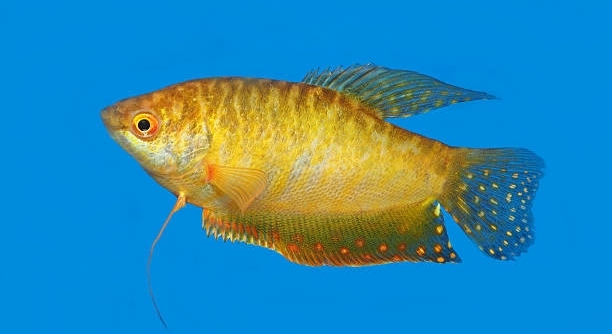
Many aquarium enthusiasts love keeping gourami as pets, but their well-being can often be affected by improper tank setups. These mistakes can lead to stress, impacting their health and behavior.
Common mistakes in setting up a tank for gourami include overcrowding, poor water conditions, and improper tank mates. These factors contribute to stress and can affect the fish’s overall health, making it essential to understand and avoid them.
Understanding these mistakes can help create a better environment for your gourami, ensuring a healthier and happier life in their tank.
Overcrowding the Tank
When setting up a tank for your gourami, overcrowding is one of the most significant mistakes to avoid. Too many fish in a small space can create stress and tension. Gourami, in particular, require ample space to swim and explore their environment. Overcrowding leads to competition for resources like food and oxygen, resulting in weakened immune systems and a higher risk of diseases.
The general rule of thumb is to allow at least 20 gallons of water for every three to four fish. This gives your gourami enough space to thrive. When you overcrowd the tank, fish are more likely to engage in aggressive behavior, which leads to further stress. Additionally, it disrupts water quality, which is vital for your gourami’s health.
Proper tank size ensures that your fish feel comfortable and less stressed. The space allows them to interact naturally without feeling cramped. A well-planned tank setup is essential for their long-term well-being. Maintaining proper stocking levels supports a stable ecosystem that allows all fish to live peacefully and healthily.
Poor Water Quality
Water quality is crucial in keeping your gourami healthy. Regular maintenance is required to ensure the water remains clean, well-filtered, and properly aerated. If the water is polluted or too acidic, it can lead to stress for your gourami. Inadequate filtration causes waste buildup, which makes the water toxic for fish.
Test the water regularly for ammonia, nitrate, nitrite levels, and pH. A sudden change in water parameters can be shocking to gourami, making them more prone to illness. Keep water temperature consistent as well, as rapid fluctuations can lead to further stress. The key is routine care.
Having a reliable filtration system ensures water stays clean, and your fish remain stress-free. Adding plants can also help naturally purify the water, creating a more balanced and peaceful environment for your gourami.
Incompatible Tank Mates
Choosing the right tank mates for your gourami is essential. Some fish species are more aggressive and can stress your gourami. Avoid keeping gourami with fast-moving or overly territorial fish. It’s important to research potential tank mates to ensure they will coexist peacefully.
Gourami are generally peaceful but can become stressed when housed with aggressive species. Fish like bettas, large tetras, or other fin-nipping species should be avoided. Instead, opt for peaceful fish that won’t challenge your gourami for space or resources. This helps keep stress levels down, which is essential for their health.
A harmonious community tank benefits all fish. When choosing tank mates, consider the size and temperament of both your gourami and other fish. Create an environment where all fish can coexist without tension. This reduces stress and promotes healthier, happier fish in your aquarium.
Poorly Positioned Decorations
Aquarium decorations are a common source of stress if not placed correctly. Improperly positioned rocks, plants, or other ornaments can limit your gourami’s swimming space. Avoid overcrowding the tank with too many decorations, as this reduces the amount of free space for your fish to move.
Ensure decorations are spread out and leave enough open water space for your gourami to explore. Decorations should also have smooth edges to prevent injuries. Gourami like to hide in plants or behind rocks, but make sure they can move freely between spaces without feeling trapped.
Arranging decorations carefully enhances the tank’s overall aesthetic while making the fish feel more comfortable. A few well-placed plants or rocks can create hiding spots and provide security without overwhelming the fish. This balance promotes better health and well-being.
Incorrect Tank Temperature
Gourami are sensitive to temperature changes. If the tank is too cold or too hot, it can stress your fish, causing health issues. Maintaining a stable water temperature is vital for their well-being. Use a reliable heater to ensure the tank stays within the optimal range for your gourami.
The ideal temperature for gourami is between 74°F and 80°F. Any significant fluctuation outside this range can make your fish uneasy. Invest in an aquarium thermometer to monitor the water regularly. Keeping the water within the proper range supports your gourami’s immune system and prevents stress.
Inadequate Feeding
Overfeeding or underfeeding your gourami can cause stress and health problems. A proper feeding schedule is essential to maintain their health. Offering the right amount of food ensures your fish stay well-nourished without overloading the water with uneaten waste.
Feed your gourami small amounts of food 2-3 times a day. Avoid leaving excess food in the tank, as it can decay and degrade water quality. A balanced diet consisting of high-quality flakes, pellets, and occasional live foods ensures that your gourami stays healthy and happy.
Excessive Lighting
Gourami can become stressed with too much lighting. Bright lights can disturb their natural behavior, especially if the tank lacks areas of shade. A consistent light cycle is necessary for your gourami to feel secure and rest properly.
Provide about 10 to 12 hours of light per day, followed by a dark period for rest. Excessive lighting can lead to algae growth, which negatively affects water quality. Gourami need time to relax in darker spaces, and creating such areas helps reduce stress and supports a healthier environment.
FAQ
How often should I clean my gourami’s tank?
Cleaning your gourami’s tank regularly is essential to maintaining good water quality. Perform partial water changes every week, removing about 25% of the water to keep it fresh. This prevents the buildup of harmful toxins like ammonia, nitrites, and nitrates, which can stress your fish. In addition, vacuum the substrate during water changes to remove uneaten food and waste. Clean the tank’s decorations and filter every 2-4 weeks, but don’t disrupt the tank too much to avoid stressing the fish.
What kind of plants are best for a gourami tank?
Live plants are an excellent addition to a gourami tank. They provide hiding spots, help with water filtration, and create a more natural environment. Floating plants like water lettuce or duckweed are perfect for gourami since they provide coverage while allowing your fish to swim freely. Java fern and Anubias are also great choices for their low maintenance. Ensure the plants are well-placed to give your gourami enough space to swim. Avoid overcrowding the tank, as too many plants can limit their swimming area and increase stress.
Can gourami live with bettas?
It is not recommended to house gourami with bettas. Both fish species are territorial and can become aggressive toward each other, especially the males. Betta fish are known for their fin-nipping tendencies, which can irritate gourami, leading to stress and injury. If you want a peaceful tank, it’s best to choose tank mates that are calm and not aggressive, such as peaceful tetras or rasboras. The ideal approach is to research potential tank mates thoroughly before introducing them to avoid conflicts.
How do I know if my gourami is stressed?
Stressed gourami often display changes in behavior. They may swim erratically, stay at the surface, or hide more than usual. You may also notice them rubbing against objects or glass, which could indicate irritation from poor water quality or parasites. Changes in appetite, such as refusing food or overfeeding, can also be signs of stress. Pay attention to your gourami’s physical condition as well; visible signs like faded colors, clamped fins, or sores suggest stress or illness. It’s important to identify stress early to address any issues promptly.
What should I feed my gourami?
Gourami are omnivores, meaning they eat both plant and animal matter. A balanced diet includes high-quality flake food or pellets as a staple, supplemented with live or frozen food like brine shrimp, bloodworms, and daphnia. They also enjoy blanched vegetables like zucchini and spinach. Be sure to feed your gourami small amounts 2-3 times a day, allowing them to finish everything in a few minutes. Overfeeding can lead to water contamination and stress, so only provide what they can consume in 2-3 minutes to maintain a healthy environment.
Why is my gourami hiding all the time?
Gourami may hide due to stress, illness, or discomfort. If they are constantly hiding, check the water quality and temperature. Ensure the tank is clean, the water is well-filtered, and the temperature is within the ideal range of 74°F to 80°F. Gourami are also sensitive to changes in their environment, so any recent changes in tank conditions or new tank mates could be causing them to seek refuge. If the fish isn’t eating or showing other signs of illness, it may be a good idea to perform a health check and consult a vet if necessary.
Is it normal for my gourami to swim at the surface?
Yes, it is normal for gourami to swim at the surface of the tank, as they are labyrinth fish. They have a specialized organ that allows them to breathe air from the surface. While they will spend time at various depths, you’ll often find them near the surface, especially when they’re actively exploring or feeding. However, if they are consistently staying at the surface and gasping for air, it could be a sign of poor water quality, low oxygen levels, or a tank that’s too hot. Regular water changes and maintaining proper aeration can help prevent these issues.
Can gourami live with other peaceful fish?
Yes, gourami generally do well with other peaceful fish. Some ideal tank mates include tetras, corydoras catfish, and rasboras. These species are calm and non-aggressive, making them suitable companions for gourami. Always make sure the fish in the tank are compatible in terms of size, temperament, and water requirements. Avoid mixing them with aggressive or fin-nipping fish, as this will cause stress and may lead to injury. It’s always best to research potential tank mates and ensure they’ll coexist without conflict.
Why is my gourami losing color?
If your gourami is losing color, it could be a sign of stress, poor water conditions, or illness. Stress factors such as overcrowding, incompatible tank mates, or improper tank setups can cause gourami to lose their vibrant hues. In addition, illness or parasites can result in dull or faded colors. Check the water parameters to ensure they’re within the ideal range and address any issues with tank conditions. If your gourami’s coloration does not improve after addressing environmental factors, a visit to an aquatic vet may be necessary for a thorough diagnosis.
How do I maintain good water quality in my gourami tank?
Maintaining good water quality is essential for the health of your gourami. Regular water changes, at least 25% of the tank’s water every week, help keep the water clean and fresh. Use a reliable filter that suits the size of your tank and clean it every few weeks. Test the water regularly for ammonia, nitrite, nitrate, and pH levels, and adjust the filtration system accordingly. Adding live plants can also help naturally filter the water and reduce harmful toxins. Avoid overfeeding to prevent excess waste buildup, which can lead to poor water quality.
Final Thoughts
Maintaining a healthy and stress-free environment for your gourami requires careful attention to their tank setup. Ensuring proper water conditions, temperature, and space will go a long way in promoting their well-being. Regular water changes are vital to remove toxins and maintain water quality. Monitoring the temperature is equally important, as gourami thrive in stable, warm environments. By creating a tank that mimics their natural habitat, your fish will feel more secure and comfortable, reducing the chances of stress.
Feeding habits also play a crucial role in keeping your gourami healthy. Offering a balanced diet of high-quality food, including live or frozen options, helps maintain their health and reduces stress. It’s important to avoid overfeeding, as excess food can deteriorate water quality and create an unhealthy environment for your fish. A feeding routine of small portions multiple times a day ensures that your gourami get the nutrition they need without overwhelming the tank. Monitoring how much they eat and adjusting accordingly will help you keep the tank in optimal condition.
Lastly, tank mates should be chosen carefully to avoid conflict. Gourami are peaceful fish but can become stressed if placed with aggressive species. Selecting calm, non-aggressive fish will help maintain harmony in the tank. Additionally, providing plenty of plants, hiding spots, and swimming space will allow your gourami to feel secure. Regularly checking on their behavior and overall health will ensure that any issues are addressed quickly. By following these basic guidelines, you can create a comfortable and stress-free home for your gourami, allowing them to thrive.

Hello,
If you enjoy the content that we create, please consider saying a "Thank You!" by leaving a tip.
Every little bit helps us continue crafting quality advice that supports the health, happiness, and well-being of pets around the world, for pets of all shapes, sizes, and species.
We really appreciate the kindness and support that you show us!