
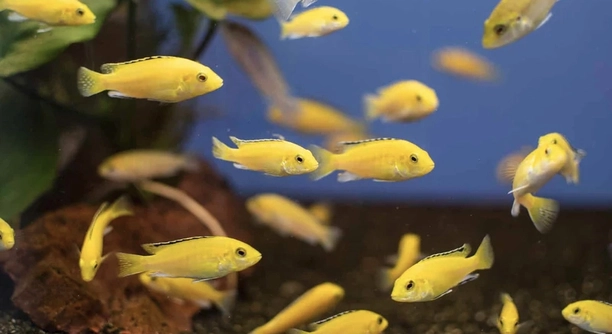
Are your cichlids showing dull colors despite a healthy diet and clean water? The materials used in your tank can subtly affect how vibrant their hues appear, influencing their overall appearance and well-being.
Tank materials such as substrate, rocks, driftwood, and background elements can impact cichlid coloration by altering water chemistry, light reflection, and stress levels. Selecting appropriate materials supports optimal pigmentation and creates a healthier, visually appealing aquatic environment.
Understanding these material effects can enhance both your fish’s color and tank aesthetics. This guide will help you make informed choices for a brighter aquarium display.
Substrate Choices and Their Effects
The type of substrate in your cichlid tank plays a major role in color display. Darker substrates, such as black sand or gravel, can make cichlid colors appear more vivid. Lighter substrates, like white sand, may wash out certain hues and make patterns less distinct. Beyond appearance, substrate affects water parameters and overall fish health. Some cichlids prefer sandy bottoms for digging, which is a natural behavior that reduces stress and promotes bright coloration. Using inert substrates helps maintain stable pH levels, while certain mineral-rich substrates can slightly increase hardness, benefiting species from the African rift lakes. Choosing the right substrate balances both aesthetics and the natural behavior of your fish, creating a more vibrant and active tank environment that enhances the visual appeal of each individual. Observing your cichlids over time allows you to adjust substrate choices according to their comfort and display needs.
Dark substrates enhance contrast, making colors appear richer and more defined. Lighter substrates may dull the vibrancy.
Selecting the correct substrate is about matching fish species with tank conditions. Many African cichlids thrive on sand or fine gravel, which supports digging and territorial behaviors. Maintaining substrate cleanliness prevents waste accumulation, which can affect water clarity and fish pigmentation. For softer-water species, avoiding substrates that release excessive minerals is important. Experimenting with subtle variations in substrate color can highlight specific color traits, while ensuring that the environment stays natural and low-stress. Combining substrate choice with consistent lighting and balanced feeding amplifies the visual impact of your cichlids’ colors, creating a healthier and more appealing aquarium for long-term enjoyment.
Rocks and Decorative Elements
Rocks provide hiding spots and territorial markers, affecting stress levels and coloration. They also influence water chemistry in subtle ways.
Properly chosen rocks support territorial behavior and reduce aggression. Placement should mimic natural habitats to enhance color and activity.
Different rock types impact both aesthetics and fish health. Limestone and other calcareous rocks can increase water hardness and pH, benefiting species like African cichlids, while volcanic or inert rocks maintain stable water chemistry for sensitive fish. Rocks offer shaded areas where fish can retreat, lowering stress and allowing brighter color display. Arranging rocks in layers or caves provides visual depth and promotes natural behavior such as defending territories or exploring crevices. Avoid sharp rocks that may injure fish. Additionally, combining rocks with other decorations like driftwood or plants creates a balanced environment, enhancing the tank’s overall appearance while ensuring your cichlids remain vibrant and active. The right rock selection can make a significant difference in both the aesthetic appeal and the well-being of your fish.
Driftwood Influence
Driftwood can slightly darken water and add tannins, which may enhance warm tones in cichlid coloration. It also provides hiding spots, reducing stress and supporting natural behavior.
The type and placement of driftwood matter. Hardwoods like Malaysian or Mopani release fewer tannins over time, gradually tinting the water. Softwoods may decompose faster, affecting water clarity and pH more quickly. Driftwood creates shaded areas that allow timid fish to retreat, which can reduce aggression and improve overall health. A natural setup with driftwood can make bright colors, such as reds and oranges, appear more vivid against the slightly tinted water. Over time, observing how your cichlids interact with driftwood helps determine whether the placement is effective. Driftwood can also act as a surface for beneficial biofilm growth, providing a secondary food source for certain species and enhancing tank ecology.
Driftwood placement affects territory and social interaction. Proper arrangement reduces conflict, which helps cichlids display their true colors more consistently.
Using multiple pieces of driftwood adds complexity to the tank without overcrowding. It encourages exploration and natural digging behavior, which is common among many cichlid species. The tannins released from driftwood can subtly warm the water tone, accentuating red, orange, and yellow pigments. Combining driftwood with rocks or plants allows fish to establish territories while maintaining visual balance in the aquarium. Driftwood also supports microbial life, benefiting the overall ecosystem and providing a supplemental food source. By carefully choosing and arranging driftwood, you create a habitat that is visually appealing, low-stress, and promotes the natural vibrancy of your cichlids’ colors, making them stand out more vividly against the tank environment.
Tank Backgrounds
Dark or neutral-colored backgrounds can intensify cichlid coloration, while bright or reflective backgrounds may reduce vibrancy. Placement and material influence the overall effect.
Backgrounds act as a visual contrast that highlights color patterns. Matte or natural-colored backgrounds prevent glare, allowing fish to display true hues without distraction. A well-chosen background can mimic natural habitats, reducing stress and encouraging territorial behavior. For example, a dark brown or black background enhances red, blue, and yellow shades, making them more noticeable. Reflective or overly bright backgrounds may cause fish to hide more often, dulling their appearance. Consider backgrounds that complement both the species and tank decorations to create a harmonious environment that emphasizes natural coloration.
Adding a textured background adds depth and simulates natural surroundings. Smooth backgrounds may feel empty, while plants, rocks, and textured panels enhance visual contrast. Matte finishes reduce reflection, helping fish display optimal colors. Certain backgrounds can also minimize stress by providing perceived shelter, reducing aggressive interactions. Combining background selection with substrate, rocks, and driftwood creates a cohesive aesthetic that supports both the physical and behavioral needs of your cichlids. The right background reinforces the tank’s visual balance and allows their true colors to shine, making the overall aquarium more engaging and lively.
Lighting Effects
Proper lighting brings out the natural colors of cichlids. Bright, full-spectrum lights enhance blues, reds, and yellows, while dim or uneven lighting can make them appear dull.
Positioning lights correctly avoids harsh shadows or overly bright spots. Even coverage helps all fish show consistent color and reduces stress in shy or territorial species.
Water Chemistry Impact
Water parameters like pH, hardness, and mineral content directly influence cichlid pigmentation. Stable conditions support vibrant colors, while fluctuations can stress fish and cause dulling. Regular testing and adjustments ensure the environment matches the species’ natural habitat, supporting both health and optimal coloration.
Plant Influence
Live plants provide shaded areas and subtle background contrast, which can make cichlid colors appear more vivid. They also reduce stress, encourage natural behavior, and improve water quality by absorbing nitrates and providing hiding spots for timid fish.
FAQ
How does substrate color affect cichlid coloration?
Darker substrates like black sand or gravel make cichlid colors appear brighter and more defined. Light-colored substrates can wash out their natural hues, especially reds and blues. The substrate also influences stress levels, as fish feel safer digging and exploring areas that mimic their natural habitat. Choosing the right substrate balances aesthetics with natural behavior, helping your cichlids show their true colors consistently.
Can driftwood change the color of my cichlids?
Yes, driftwood can slightly tint the water with tannins, which enhances warm color tones like reds, oranges, and yellows. It also provides hiding spaces that reduce stress and support natural behaviors. Hardwoods like Mopani release tannins slowly, maintaining a stable environment that promotes healthier coloration over time. Placement matters too—creating shaded areas helps timid fish feel secure and encourages consistent color display.
Do rocks impact cichlid color?
Rocks influence color both directly and indirectly. Certain rocks, like limestone, can increase water hardness and pH, benefiting species from African rift lakes and improving pigmentation. Rocks also create territories, reducing aggression and stress, which helps colors stay vibrant. Arranging rocks to mimic natural environments encourages natural behaviors while enhancing the visual contrast of the fish against their surroundings.
Does water chemistry play a big role in coloration?
Absolutely. Stable pH, hardness, and mineral levels are crucial for vibrant cichlid colors. Fluctuations in water parameters can stress fish, leading to dull or faded pigmentation. Testing water regularly and adjusting as needed ensures a consistent environment. Matching water conditions to the species’ natural habitat not only boosts color but also promotes long-term health.
How does lighting affect cichlid colors?
Proper lighting highlights natural coloration. Full-spectrum LED or fluorescent lights bring out blues, reds, and yellows, while dim or uneven lighting can dull colors. Positioning the light for even coverage reduces shadows and helps shy or territorial fish display their colors consistently. Matching light intensity with the species’ needs ensures both color and behavior remain natural.
Can plants influence how vibrant my cichlids look?
Yes, live plants provide subtle background contrast, making colors appear more vivid. They also reduce stress by offering hiding spots and shaded areas, allowing fish to display true pigmentation. Plants help improve water quality by absorbing nitrates, which indirectly supports healthy coloration. Combining plants with the right substrate and decorations creates a balanced, visually appealing environment for your fish.
Is tank background important for color display?
The background can dramatically affect how cichlid colors are perceived. Dark or neutral-colored backgrounds create contrast, intensifying vibrant shades, while bright or reflective backgrounds may reduce color visibility. Matte backgrounds reduce glare, allowing true hues to shine. Selecting a background that complements the fish and tank decor enhances both aesthetics and natural behavior.
Do stress and territory affect coloration?
Stress from overcrowding, aggressive tank mates, or lack of hiding spots can dull cichlid colors. Providing adequate territory, using rocks, driftwood, and plants, reduces conflict and allows dominant and shy fish alike to maintain their natural pigmentation. A calm, structured environment encourages brighter and more consistent color displays.
Will changing tank materials suddenly alter colors?
Changes in substrate, rocks, or decorations can temporarily affect stress and behavior, which may influence color. Sudden changes can make fish retreat or hide, dulling their appearance. Gradual adjustments, paired with monitoring water chemistry, help fish adapt without negatively impacting coloration.
How often should I test water for optimal color?
Regular testing is essential, ideally weekly for pH, hardness, and nitrates. Stable water conditions support vibrant color and reduce stress-related fading. Monitoring changes after adjustments in tank materials ensures that your cichlids maintain healthy, vivid hues in a stable environment.
Cichlid coloration is influenced by a combination of environmental factors that go beyond diet and genetics. The materials used in a tank, such as substrate, rocks, driftwood, and backgrounds, play a significant role in how colors are displayed. Substrates can enhance or dull certain pigments depending on their shade, while rocks and driftwood create territories and shaded areas that reduce stress, encouraging natural behavior. Even the background and plant placement contribute to how the fish’s colors are perceived, providing contrast and depth that highlight their natural patterns. Understanding these factors allows you to create an environment that both supports your fish’s health and brings out their full visual potential. Paying attention to the details of your tank setup can make a noticeable difference in the vibrancy and consistency of your cichlids’ colors, helping them look their best while staying healthy and active.
Water chemistry and lighting are equally important for maintaining optimal coloration. Stable pH levels, appropriate hardness, and mineral content directly affect pigmentation, and fluctuations can stress fish, leading to dull or faded colors. Lighting should mimic natural conditions as closely as possible, providing even coverage and the correct spectrum to enhance reds, blues, and yellows. Proper lighting also reduces shadows and reflections, ensuring that all fish in the tank have equal exposure, which helps maintain uniform color across the group. When combined with careful selection of tank materials and decorations, these environmental controls create a balanced habitat that supports both physical and behavioral well-being. The overall effect is a tank where fish feel comfortable, behave naturally, and display their colors to the fullest. Regular monitoring of water parameters and adjustments to lighting or materials as needed ensures long-term success in maintaining vibrant cichlid coloration.
Creating a visually appealing and healthy environment for cichlids is about more than just choosing bright-colored fish. Each choice you make in tank setup—from substrate to rocks, driftwood, plants, and backgrounds—interacts with water chemistry, lighting, and fish behavior to influence coloration. Observing how your fish respond to these conditions allows you to make informed adjustments, whether it’s changing substrate color, rearranging rocks, or adjusting light intensity. A calm, structured, and natural-feeling environment encourages the display of true pigmentation and reduces stress-related fading. By carefully considering these factors, you ensure your cichlids not only thrive but also display their colors in a way that is both striking and natural. A well-planned tank setup ultimately benefits the fish’s health, promotes natural behavior, and creates an aquarium that is enjoyable to observe and maintain over the long term.

Hello,
If you enjoy the content that we create, please consider saying a "Thank You!" by leaving a tip.
Every little bit helps us continue crafting quality advice that supports the health, happiness, and well-being of pets around the world, for pets of all shapes, sizes, and species.
We really appreciate the kindness and support that you show us!