
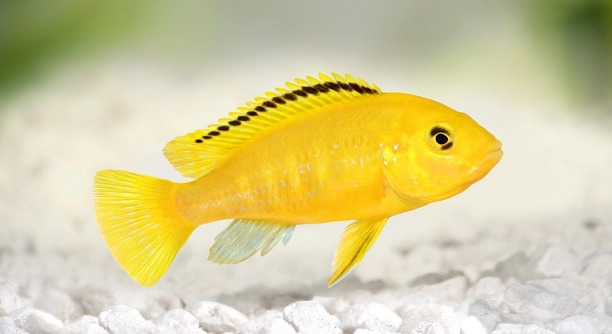
Breeding fish in smaller tanks can be both exciting and stressful. Many hobbyists enjoy the close observation, but limited space often brings unexpected difficulties. Small tanks require careful attention to water quality and fish behavior.
Breeding in smaller tanks presents multiple challenges, including maintaining stable water conditions, preventing overcrowding, managing aggression, and ensuring sufficient oxygen and nutrition. Limited space increases stress levels, reduces survival rates, and demands precise planning for successful reproduction.
Understanding these challenges will help you create a healthier environment for your fish. Practical strategies can improve survival and breeding success, even in confined spaces.
Limited Space for Fry
Breeding fish in smaller tanks means there’s less room for the fry to swim and grow. Tiny spaces can lead to overcrowding quickly, making it hard for young fish to find food and hide from aggressive adults. I’ve noticed that even a few extra fry can make a tank feel cramped, and the water quality drops faster than expected. When fry are packed too tightly, they may develop stunted growth, weaker immune systems, and higher stress levels. Providing sufficient hiding spots, like plants or small decorations, helps, but space will always remain a major limitation. Monitoring feeding carefully is also essential because leftover food can pollute the water quickly. Small tanks demand constant observation to ensure all fry have access to nutrition and safe areas. Keeping an eye on growth rates and removing excess fry when necessary can help maintain a healthier environment and prevent unnecessary losses.
Overcrowding in small tanks can stress fish and reduce survival rates if not carefully managed.
To handle limited space, it’s important to separate fry from adults early. Using breeding boxes or smaller compartments within the tank allows fry to grow safely without constant competition. Adding plants or mesh barriers creates hiding spots and reduces aggression. Water changes become more critical, as waste builds up faster in confined areas. I usually monitor ammonia and nitrite levels daily and perform partial water changes more frequently than in larger tanks. Feeding should be small and frequent to prevent uneaten food from decaying, which can quickly damage water quality. Even with precautions, overcrowding can still cause stunted growth, so it’s necessary to plan for tank upgrades or transfers. Keeping notes on fry survival, growth, and behavior helps anticipate problems and make adjustments before the situation worsens. In small tanks, proactive care is the key to successful breeding and healthier, more resilient fry.
Water Quality Challenges
Maintaining water quality in a small tank is tricky because waste accumulates quickly, affecting fish health. Even minor changes can stress both adults and fry.
Poor water quality can lead to disease, slower growth, and high mortality rates among fry. Regular testing and partial water changes are essential to keep ammonia, nitrites, and nitrates under control. Using a reliable filter suited to the tank’s size helps stabilize conditions, but in small tanks, filters can’t fully compensate for overcrowding or overfeeding. I’ve learned that daily observation of water clarity, fish behavior, and plant health gives clues when conditions start to deteriorate. Temperature fluctuations can also be more extreme in small volumes, so a heater or consistent room temperature is important. Avoid introducing too many fish or large meals at once, as both can overwhelm the tank’s natural balance. In addition, removing uneaten food and waste promptly prevents spikes in harmful compounds. While managing water in a small tank requires more effort, consistent care ensures the fish remain healthy and more likely to breed successfully.
Aggression Among Fish
Aggression increases in smaller tanks because fish have limited space to escape each other. Territorial disputes become more frequent, and dominant fish can stress or injure weaker ones.
I’ve observed that even usually peaceful species act more aggressively when confined. Fry are especially vulnerable, as adults may chase or nip at them. Providing hiding spots and separating aggressive fish early can reduce injuries, but in very small tanks, tension is almost inevitable. Careful monitoring of interactions and timely intervention, such as moving particularly aggressive fish to another tank, is often necessary. Overcrowding amplifies these behaviors, so keeping fewer fish than the tank’s full capacity is safer. Even subtle signs of stress, like hiding or color fading, can indicate aggression is affecting the tank environment.
Controlling aggression requires constant observation, suitable tank décor, and strategic separation. Small tanks demand proactive adjustments to protect both adults and fry.
Feeding Difficulties
Feeding in smaller tanks can be tricky because fry and adults compete for the same food. Uneven feeding can result in weaker fry not getting enough nutrition.
I usually feed smaller portions multiple times a day to ensure every fish eats. Using specialized fry food or crushed flakes allows young fish to access nutrition without large adults consuming everything first. Observation during feeding helps me see if any fry are being pushed away or missing meals entirely. Removing leftover food promptly is also critical in small tanks to prevent water quality issues.
Timing and consistency are essential. Even minor delays or overfeeding can stress the tank, making survival harder. Separating fry during feeding, when possible, improves growth rates and reduces competition. Observing eating patterns daily lets me adjust portions and methods, keeping both adults and fry healthy. Using tools like small feeding spoons or pipettes can help distribute food evenly. In my experience, this careful attention prevents malnutrition and keeps the tank environment stable, making breeding more successful overall.
Oxygen Levels
Oxygen can deplete quickly in smaller tanks, especially when overcrowded. Fry and adults both need sufficient oxygen to stay healthy, making aeration essential.
I use air stones and gentle water movement to keep oxygen levels stable. Even small changes in temperature or water volume can reduce dissolved oxygen, stressing fish.
Temperature Fluctuations
Small tanks heat and cool faster than larger ones, causing unstable water temperatures. Sudden changes can shock both adults and fry, impacting growth and survival. I monitor the tank daily and adjust heaters or room conditions to maintain a steady, comfortable temperature for all fish.
Limited Hiding Spots
Fry and timid fish need places to hide. Without enough cover, stress and injuries increase, and aggressive adults dominate the space. Adding plants, rocks, or small decorations can help create safe areas and reduce stress, even in a very small tank.
FAQ
How many fish should I keep in a small breeding tank?
In small tanks, it’s better to understock rather than overcrowd. I usually keep fewer adults than the tank can technically hold. Overcrowding leads to stress, aggression, and rapid water quality decline. Planning for enough space for fry to grow safely is essential.
What is the best way to feed fry in a small tank?
Small, frequent feedings work best. I crush flakes or use specialized fry food so young fish can eat without competition from adults. Observing each feeding session helps ensure no fry are left out, and removing leftover food prevents ammonia spikes.
How often should I change water in a small breeding tank?
Partial water changes are critical and more frequent than in larger tanks. I usually change 20–30% every other day or as needed based on water tests. Small tanks accumulate waste faster, so monitoring ammonia, nitrites, and nitrates daily is helpful.
How can I reduce aggression in a small tank?
Adding hiding spots like plants, rocks, or mesh dividers helps reduce fights. Separating overly aggressive adults early also protects fry. Even with precautions, some aggression is unavoidable in tight spaces, so consistent observation is necessary to prevent injuries.
How do I maintain oxygen levels in a small tank?
Air stones, gentle water flow, and avoiding overstocking help maintain oxygen. I’ve found that small changes in temperature or crowding can lower dissolved oxygen quickly. Keeping the tank well-aerated ensures both adults and fry remain healthy.
What should I do if the water temperature fluctuates?
Small tanks heat and cool faster, so I check temperatures daily. Using a small, reliable heater and adjusting the room environment keeps conditions stable. Sudden changes can stress fish or slow fry development, so monitoring is key.
Are small tanks suitable for all types of fish?
Some species adapt better to small spaces than others. I usually choose smaller, less aggressive species for limited tanks. Large, territorial fish are harder to breed successfully without frequent stress and injuries. Researching species compatibility is critical before starting.
How do I prevent diseases in a small breeding tank?
Maintaining clean water, avoiding overfeeding, and monitoring fish behavior helps prevent disease. I quarantine new fish before adding them and remove sick fish immediately. Small tanks are less forgiving, so proactive care is essential to keep everyone healthy.
Can fry survive in a small tank with adults?
It depends on the species and tank setup. Adding hiding spots and observing interactions can help, but sometimes separating fry is necessary. I’ve noticed survival rates improve significantly when fry have safe spaces away from adults.
What are the signs of stress in a small tank?
Fish hiding constantly, color fading, or refusing to eat are clear signs. I also watch fry for stunted growth or unusual swimming patterns. Recognizing stress early lets me make adjustments before serious problems occur.
How do I balance feeding adults and fry?
I feed adults first or in separate sections of the tank, then provide smaller portions for fry. Careful timing and portion control prevent competition and ensure both groups get enough nutrition without compromising water quality.
Is filtration different in small tanks?
Filters in small tanks need to be efficient but gentle. Strong currents can harm fry. I use small sponge filters or gentle filters that maintain water clarity while keeping fry safe from suction or turbulence.
Can I breed multiple species in a small tank?
It’s risky. Different species have varied needs and temperaments. I generally stick to one species or very compatible species to avoid competition, aggression, and water quality complications. Separate tanks are safer for multi-species breeding.
How do I manage waste in a small breeding tank?
Frequent partial water changes, removing uneaten food, and monitoring water parameters are essential. In my experience, even minor lapses can quickly affect the environment. Consistent cleaning ensures healthier adults and higher fry survival rates.
What’s the ideal tank size for beginners attempting breeding?
While very small tanks can work, I’ve found 10–20 gallons offer more flexibility. They are easier to maintain, reduce stress, and allow for better water quality management, making breeding less stressful for both fish and the keeper.
How do I monitor fry growth effectively?
Observing fry daily helps track growth and detect problems early. I sometimes use small marks or grids to estimate sizes. Even minor variations in feeding or water quality can affect development, so careful attention makes a big difference.
How do I prevent mold or fungus in a small tank?
Removing uneaten food promptly and keeping water conditions stable helps prevent fungal growth. I also check plants and decorations regularly, as decaying matter can encourage mold, which is particularly risky in confined spaces.
Can small tanks support long-term breeding?
Yes, but only with careful management. I’ve found that continuous monitoring, regular water changes, and proactive adjustments are necessary. Small tanks require more effort, but with proper care, they can support healthy, successful breeding cycles over time.
How important is observation in a small tank?
Observation is critical. Even minor changes in behavior, water clarity, or growth rates can indicate bigger problems. I check my tanks daily to catch issues early, which makes breeding more predictable and reduces losses.
What equipment is essential for a small breeding tank?
I rely on a reliable heater, gentle filter, air stones, water testing kits, and hiding spots. Each piece plays a role in maintaining a stable, healthy environment. Skipping any of these can compromise fish health and reduce breeding success.
How do I handle sudden problems like disease or aggression?
Quick intervention is key. I remove sick or aggressive fish immediately and perform partial water changes. Having spare tanks or breeding boxes ready helps manage emergencies efficiently and prevents major losses.
Can small tanks produce healthy fry?
Yes, with consistent care and proper planning. I’ve successfully raised fry in small tanks by controlling water quality, feeding carefully, and managing space and aggression. Attention to detail makes all the difference.
What’s the most common mistake in small tank breeding?
Overcrowding and neglecting water quality are the biggest issues. Even slight lapses can stress fish, reduce survival, and make breeding difficult. I’ve learned that patience and careful monitoring are far more effective than trying to speed up the process.
How do I prevent adults from eating fry?
Providing hiding spots, using breeding boxes, or separating fry is essential. I always make sure fry have areas to escape and never leave aggressive adults unchecked, which greatly improves survival rates.
What should I do if water conditions deteriorate quickly?
Perform immediate partial water changes and check filtration. I also test for ammonia, nitrites, and nitrates to identify issues. Prompt action prevents long-term harm and keeps both adults and fry alive and healthy.
How do I know when to move fry to a larger tank?
Once fry grow enough to compete with adults or overcrowding becomes apparent, I transfer them. Observing growth patterns helps me decide timing, which ensures healthier development and reduces stress in the small tank environment.
How important is tank decoration in small breeding tanks?
Decorations and plants provide hiding spaces, reduce aggression, and create safe areas for fry. I always use them thoughtfully to maximize space without overcrowding, which supports a calmer, healthier environment for breeding success.
How can I keep stress low in a small tank?
Consistent feeding, stable water, hiding spots, and limited crowding help reduce stress. I’ve noticed that calm environments lead to better breeding results and healthier fry overall.
What’s the easiest way to monitor water quality?
I use test kits for ammonia, nitrites, and nitrates, combined with visual checks of water clarity and fish behavior. Small tanks need frequent observation to catch changes before they cause serious problems.
Can small tanks support multiple breeding cycles?
Yes, if managed carefully. I keep track of previous cycles, adjust feeding, water changes, and space, and monitor health closely. Consistent attention ensures the tank remains suitable for repeated breeding attempts without harming fish.
How do I prevent algae growth in a small tank?
Controlling light exposure, avoiding overfeeding, and maintaining water quality are key. I remove excess algae manually and monitor nutrient levels to prevent outbreaks that could stress fry and adults.
Is it possible to breed fast-growing species in small tanks?
Yes, but growth rates can increase competition and waste. I plan for extra space or early separation to ensure fry develop properly without overcrowding, which is especially important for rapidly growing fish.
What signs show fry are healthy?
Active swimming, consistent growth, bright color, and interest in food are good indicators. I track these daily to catch any issues early and ensure all fry thrive in the confined environment.
How do I prevent water from becoming cloudy?
Frequent partial water changes, careful feeding, and proper filtration help. I also remove debris and uneaten food quickly, which is crucial in small tanks where water quality deteriorates faster than in larger setups.
How do I decide when to add more hiding spots?
If aggression increases, fry are hiding too little, or adults dominate certain areas, I add plants or decorations. I observe fish behavior regularly to determine when adjustments are needed for safety and comfort.
Can I use small tanks for livebearers and egg layers together?
It’s tricky. Different reproductive needs can create competition and stress. I usually separate species to avoid complications, ensuring both have the best chance to breed successfully.
How do I manage sudden deaths in a small tank?
Remove the deceased fish immediately, check water parameters, and monitor survivors closely. I investigate potential causes to prevent repeat incidents, as small tanks are more sensitive to changes and disease outbreaks.
Is lighting important in small breeding tanks?
Yes, balanced lighting supports plant growth and helps regulate fish behavior. I avoid excessive light to prevent algae and stress, keeping a natural day-night cycle for healthier fish.
How do I prevent fry from getting injured?
Adding hiding spots, gentle water flow, and separating aggressive adults are key. I always watch interactions closely and intervene if fry are being chased or nipped. Safe areas significantly increase survival rates.
How do I balance water temperature and oxygen in a small tank?
Stable temperatures and aeration go hand-in-hand. I use heaters, air stones, and gentle circulation to maintain comfort and prevent oxygen depletion. Consistency ensures both adults and fry remain healthy and grow properly.
What should I do if fry stop eating?
Check water quality first, as stress or poor conditions often reduce appetite. I offer small portions of suitable food and observe behavior. Ensuring a calm environment and proper nutrition helps fry recover quickly.
How can I tell if adults are stressed?
Color fading, erratic swimming, hiding excessively, or refusing food are signs. I adjust water parameters, reduce crowding, and provide cover to lower stress and improve breeding outcomes.
How do I make a small tank more comfortable for breeding?
Balanced stocking, hiding spots, stable water quality, gentle filtration, and proper feeding create a calmer environment. I focus on monitoring and adjusting conditions regularly, which supports healthier adults and fry.
What is the most important routine in small tank breeding?
Daily observation, partial water changes, and careful feeding are critical. I’ve learned that consistency in these routines prevents stress, maintains water quality, and increases survival rates for both adults and fry.
How can I improve fry survival in small tanks?
Providing hiding spots, careful feeding, monitoring water quality, and separating aggressive adults all help. I’ve found that attention to detail and quick responses to problems make the biggest difference.
Can small tanks be used for long-term breeding programs?
Yes, with careful management. Tracking cycles, monitoring growth, and maintaining water quality ensure multiple breeding attempts without major losses, even in confined spaces. Proper planning is essential for success over time.
How do I prevent ammonia spikes in small tanks?
Frequent partial water changes, controlled feeding, and efficient filtration are essential. I monitor water chemistry closely and remove waste promptly to keep ammonia at safe levels for all fish.
What’s the best way to acclimate fry to small tanks?
Introduce them gradually, maintain stable water conditions, and provide immediate access to food and hiding spots. I observe them closely during the first days to ensure they adjust well and remain healthy.
How do I balance breeding multiple generations in a small tank?
Separate adults and older fry from newly hatched fish. I track growth and health to avoid overcrowding, ensuring each generation has enough space and resources to thrive without stress or competition.
How do I prevent filter intake from harming fry?
I use sponge filters or cover filter intakes with mesh. This allows water circulation without sucking in small fry, which is particularly important in confined tanks with limited space for escape.
How can I tell if the tank is too small for current fish?
Frequent aggression, rapid water quality deterioration, stunted growth, and high stress levels indicate insufficient space. I consider moving fish to larger tanks or reducing numbers to maintain a healthier environment.
How do I reduce stress when transferring fry to a new tank?
I acclimate them slowly, maintain similar water parameters, and provide hiding spots immediately. Observing behavior after transfer helps ensure fry settle safely without excessive stress or injury.
How important is consistent feeding in small tanks?
Consistency prevents competition, malnutrition, and water quality issues. I feed at the same times daily and monitor consumption closely, which keeps both adults and fry healthy in confined spaces.
Can small tanks support live plants during breeding?
Yes, live plants help provide cover, reduce aggression, and support water quality. I choose hardy species that survive well in small tanks and do not overtake space needed for fry.
What should I do if fry are hiding too much?
Check for stressors like aggressive adults, poor water quality, or inadequate food. I adjust hiding spots and monitor interactions to encourage healthy activity while maintaining safety.
How can I keep adults and fry healthy simultaneously?
Separate feeding, careful monitoring, hiding spots, and regular water maintenance ensure both groups thrive. I track behavior and growth closely, making adjustments quickly to prevent conflict or malnutrition.
What is the most effective way to monitor tank conditions daily?
I test water parameters, observe fish behavior, check for leftover food, and inspect decorations or plants. Daily routines prevent minor issues from becoming serious problems, keeping the tank stable and suitable for breeding.
How do I manage unexpected water contamination?
Immediate partial water changes, checking filtration, and isolating affected fish are crucial. I also monitor water chemistry for several days after, ensuring the tank returns to safe, stable conditions.
How do I keep fry safe during cleaning?
Move them to a temporary container or breeding box. I carefully clean the tank and decorations, then return fry once water parameters are stable. This prevents accidental injury or stress.
How do I handle rapid fry growth in small tanks?
Monitor for overcrowding and prepare to move older fry to larger tanks. I adjust feeding and hiding spots as they grow, ensuring all fish have space, nutrition, and safety.
How can I prevent water from cooling too fast?
I use heaters, insulate the tank if necessary, and maintain a stable room temperature. Sudden drops in temperature stress fish, especially fry, in smaller volumes of water.
What should I do if fry start showing signs of illness?
Isolate sick fry, test water quality, and adjust feeding. Prompt action prevents disease from spreading quickly in small tanks, where confined conditions make infections more dangerous.
How do I track fry development efficiently?
I observe growth, note feeding habits, and check health indicators daily. Keeping simple records helps plan water changes, feeding, and tank adjustments for optimal survival and development.
Can I use small tanks for schooling species?
Yes, but I keep groups small to prevent overcrowding. Limited space increases stress, so maintaining proper numbers ensures both safety and natural behavior.
How do I prevent adults from monopolizing food?
Feed in multiple locations, use small portions, or separate adults temporarily. I monitor feeding closely to ensure fry receive adequate nutrition without being outcompeted.
What is the best way to prepare a small tank for breeding?
Clean thoroughly, add hiding spots, set up filtration and aeration, and stabilize temperature and water parameters. I make sure adults are healthy before introducing fry to improve success rates.
How do I adjust feeding as fry grow?
Gradually increase portion size and food type as fry develop. I observe consumption and health, ensuring growth without overfeeding, which could compromise water quality.
Can small tanks support multiple breeding attempts in a year?
Yes, with careful monitoring and water management. I space breeding cycles and maintain clean conditions to prevent stress and maintain fish health over repeated attempts.
How do I prevent aggressive behavior during feeding?
Distribute food evenly, add hiding spots, and monitor interactions. I intervene if adults become too dominant, protecting fry and maintaining a calmer environment.
How do I avoid stunted fry growth in small tanks?
Ensure adequate space, nutrition, hiding spots, and stable water quality. I track development daily and make adjustments promptly to prevent competition or stress that could slow growth.
How do I manage tank decorations in small spaces?
Use minimal yet effective decor to create hiding spots without reducing swimming space. I balance coverage with open areas so fry and adults can coexist comfortably.
What is the safest way to introduce new fish?
Quarantine first, acclimate slowly, and monitor behavior closely. I add newcomers gradually to prevent stress, aggression, and disease in the existing population.
How do I prevent temperature swings at night?
I use heaters with thermostats, maintain room temperature, and monitor fluctuations. Consistency is important, as small tanks respond faster to environmental changes than larger ones.
Can I breed egg layers and livebearers in the same small tank?
It’s risky. I usually keep species separate due to differing reproductive behaviors, dietary needs, and space requirements, which prevents stress and reduces mortality.
How do I reduce stress after water changes?
I match new water parameters to the tank, add it slowly, and monitor fish behavior. Gentle handling and gradual adjustments minimize shock and maintain a stable environment.
How do I ensure all fry get enough food?
Small, frequent feedings and monitoring distribution help. I sometimes use pipettes or targeted feeding to reach shy or hidden fry, ensuring fair access to nutrition.
How do I balance multiple breeding pairs in a small tank?
I provide hiding spots, monitor aggression, and reduce numbers if needed. Observing interactions closely allows adjustments to maintain a safe and productive environment for all fish.
What should I do if algae spreads too quickly?
Control light, remove excess algae manually, and maintain water quality. I also monitor nutrient levels, as small tanks are more prone to algae growth that can stress fish.
How do I prevent fry from getting trapped in filter areas?
Sponge filters or mesh guards protect small fry. I check equipment regularly to ensure no fry are at risk of being
Breeding fish in smaller tanks can be challenging, but it is also very rewarding when approached carefully. Small tanks require constant attention to water quality, temperature, and oxygen levels. Even minor changes in these conditions can affect both adults and fry, making observation and maintenance crucial. Overcrowding is one of the biggest challenges, as it can quickly lead to stress, aggression, and poor growth. Keeping fewer fish than the tank’s maximum capacity allows room for fry to grow and helps maintain a healthier environment. Adding hiding spots, such as plants, rocks, or small decorations, provides safe areas for fry and reduces tension among adults. Proper feeding is equally important, with smaller, frequent portions preventing competition and minimizing leftover food that could pollute the water.
Maintaining consistent water parameters is another key factor for success in small tanks. Ammonia, nitrite, and nitrate levels rise faster in smaller volumes of water, so frequent partial water changes and careful monitoring are necessary. Using gentle filtration and aeration supports stable water quality while ensuring fry are not harmed by strong currents. Temperature control is also essential, as small tanks respond quickly to room temperature changes. Using a reliable heater and monitoring fluctuations daily helps prevent stress and supports healthy growth. Observing fish behavior can give early warnings about water quality or aggression issues. Stress can appear in many forms, including hiding, fading color, poor appetite, or erratic swimming. Identifying these signs early allows corrective actions before they become serious problems.
Even with these challenges, small tanks can be successfully used for breeding with careful planning and attention. Properly managing space, food, and water quality ensures that both adults and fry remain healthy. Separating fry from adults or using breeding boxes when necessary can increase survival rates. Consistency in daily observation, feeding, and water maintenance is key to avoiding unexpected problems. Small tanks require more hands-on care than larger setups, but they also allow closer observation of fish behavior and development. Over time, with experience and attention to detail, small tanks can support multiple breeding cycles and healthy fry production. Being proactive, rather than reactive, makes a significant difference, helping to create a stable environment where both adults and fry can thrive.

Hello,
If you enjoy the content that we create, please consider saying a "Thank You!" by leaving a tip.
Every little bit helps us continue crafting quality advice that supports the health, happiness, and well-being of pets around the world, for pets of all shapes, sizes, and species.
We really appreciate the kindness and support that you show us!