
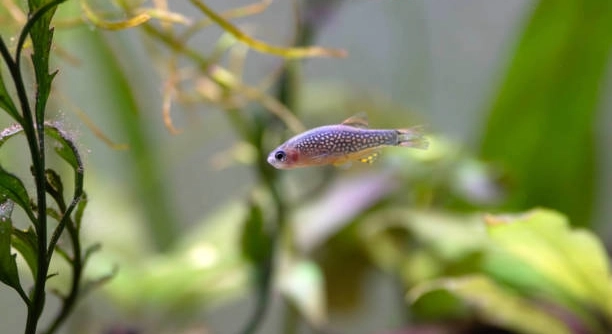
Danios are lively fish that thrive in well-planned aquariums. Observing their activity can be rewarding, but improper tank arrangements often limit their natural swimming patterns and interactions with the environment around them.
Optimizing tank layout for danios involves creating open swimming areas, incorporating varied decorations, and adjusting plant placement. Proper water flow, substrate choice, and lighting further enhance activity levels, ensuring a balanced environment that supports their social and physical behaviors.
Small layout adjustments can have a significant impact on danio behavior, making the tank more engaging and enjoyable for both fish and observer.
Open Swimming Space
Creating open swimming space is essential for danios to exhibit natural behaviors. I found that removing clutter from the center of the tank allows them to move freely, reducing stress and encouraging active schooling. Overcrowding decorations or plants can unintentionally restrict their swimming paths, making them less energetic and playful. By arranging taller plants and ornaments near the tank edges, danios gain clear pathways, which helps maintain consistent movement and interaction. Open areas also make it easier to observe their behavior and notice changes in health or activity. Even small rearrangements can produce noticeable improvements in swimming patterns, making the aquarium feel more lively. Balancing decoration with free space ensures that danios remain engaged and curious without feeling trapped. This approach not only benefits their physical activity but also enhances the overall aesthetic of the tank, creating a harmonious environment that supports their well-being.
Clear swimming zones encourage active behavior and help danios explore their surroundings without obstruction.
Open swimming spaces are critical for danios to stay healthy. When I adjusted my own tank, I noticed immediate improvements in movement. They darted across the tank, schooling together more frequently and exploring areas previously blocked by decorations. Even subtle shifts in rock or plant placement can make a difference. Observing this change highlighted how layout directly impacts activity levels. Proper spacing allows for natural chasing, foraging, and playful interactions. It also reduces stress by giving shy individuals room to retreat. Maintaining this balance requires occasional adjustments as plants grow and decorations shift. Keeping a few open zones ensures danios remain energetic while the tank remains visually appealing. Over time, these changes created a more dynamic environment where fish behaviors were easier to monitor, and overall vitality improved, proving that a simple layout strategy has tangible benefits for their daily activity.
Varied Plant Placement
Placing plants at different heights and positions creates visual interest and swimming challenges for danios. It encourages them to navigate around obstacles, promoting exercise and exploration.
Using a mix of floating and rooted plants keeps the tank dynamic and engaging.
Varied plant placement provides both shelter and stimulation for danios. Taller plants in the back offer hiding spots and a sense of security, while shorter plants in the front allow for open swimming lanes. Floating plants diffuse light and create soft currents, mimicking natural conditions that encourage movement. This combination also reduces territorial disputes by breaking up sightlines, making the tank calmer and more interactive. I noticed that when I arranged plants unevenly, my danios spent more time exploring corners and weaving through foliage, which kept them active throughout the day. Rotating plants or introducing new types periodically can maintain their interest and prevent boredom. Thoughtful placement contributes to a healthier, more balanced environment, supporting both social interaction and exercise without overcrowding the tank or limiting visibility. This method ensures danios remain lively while keeping the aquarium visually appealing.
Proper Water Flow
Strong but gentle water flow keeps danios active and engaged. They enjoy swimming against currents, which simulates natural river conditions and encourages exercise without causing stress.
Adjusting the filter to create varied water movement can significantly impact their activity. I noticed that when I positioned my filter near one side, it created a mild current that prompted my danios to swim more energetically. They would dart back and forth, exploring the flow, and it encouraged schooling behavior as they moved together. Too strong a current can tire them, while too weak leaves them idle. Balancing flow ensures they are active without fatigue, supporting healthy muscles and overall well-being. Using decorations to subtly redirect water can also create micro-currents that add interest.
Maintaining gentle, consistent currents promotes natural behavior, encouraging exercise and interaction among danios, while also improving oxygen circulation for a healthier tank environment.
Substrate and Decorations
Choosing the right substrate influences how danios explore the tank. Smooth gravel or sand allows easy swimming and prevents injuries while digging.
Adding varied textures with stones, driftwood, or small caves encourages exploration and keeps danios active.
I found that combining sand with occasional flat stones or small driftwood pieces created areas for hiding and weaving. Danios naturally investigate these features, darting between them and swimming around them repeatedly, which increases movement and reduces stress. Sharp or rough substrates caused hesitation, slowing their activity, while smooth substrates encouraged confident swimming. Changing decoration layout periodically keeps their environment dynamic, preventing boredom. Using natural elements also mimics their native habitat, making them more comfortable and active. Well-planned substrate and decoration choices transform a tank from static to lively, directly influencing danios’ behavior and overall health.
Lighting Adjustments
Proper lighting encourages natural activity patterns in danios. A balanced day-night cycle helps regulate movement, feeding, and resting behaviors consistently throughout the day.
Using LED or adjustable lighting allows gradual transitions, which reduces stress. I noticed my danios became more active in the morning when lights brightened slowly, instead of sudden illumination, creating a calmer and more natural environment.
Open Hiding Spots
Providing open hiding spots prevents territorial disputes while maintaining room for active swimming. Small caves or hollow decorations offer security without limiting movement.
Feeding Zones
Designating specific feeding zones encourages danios to swim actively toward food. I place flakes and small pellets in different areas to promote movement and interaction during feeding times.
How often should I rearrange my tank for danios?
Rearranging the tank too often can stress danios, but occasional adjustments keep their environment stimulating. I usually make small changes every few weeks, like shifting plants or decorations slightly. This prevents boredom, encourages exploration, and promotes natural activity without making them feel unsettled. Small, subtle changes are better than a complete overhaul, which can cause stress.
What type of plants work best for danio activity?
Danios thrive with a mix of tall and short plants. Taller plants provide shelter and vertical interest, while shorter plants keep swimming lanes open. I like using hardy species like java fern, anubias, and hornwort. Floating plants also create gentle currents and shade, which encourages movement and natural exploration. Placing plants unevenly allows danios to weave around them, simulating a more natural habitat.
Can lighting affect danio behavior?
Yes, lighting directly impacts danio activity. Gradual transitions between light and dark periods mimic sunrise and sunset, which encourages natural swimming and feeding routines. I use adjustable LED lighting that slowly brightens in the morning and dims in the evening. Sudden bright lights can startle them, reducing movement and making them hide. Proper lighting supports energy levels and overall health, keeping their swimming consistent throughout the day.
How do I balance water flow for activity without stressing the fish?
Danios enjoy mild currents that simulate river conditions, but too strong a flow can tire them. I position my filter to create gentle movement and use decorations to redirect water, forming smaller currents. This encourages darting and schooling without exhausting them. Observing their response is key; if they struggle or avoid certain areas, the flow is too strong. Balanced water flow promotes exercise, reduces lethargy, and makes the tank environment more dynamic.
Do substrate choices influence their activity?
Yes, the right substrate makes a difference. Smooth sand or fine gravel allows safe swimming and natural digging behaviors. Sharp or uneven substrates can make danios hesitant, slowing activity. I combine soft sand with flat stones or driftwood for hiding spots. This encourages darting, exploring, and interacting with the environment. Substrate also affects plant rooting and water quality, indirectly influencing overall behavior.
How can I encourage danios to explore more of the tank?
Using a mix of open spaces and small hiding spots encourages exploration. I scatter decorations and plants along the edges, keeping the center clear for swimming. Feeding in different areas also motivates movement, as they swim toward food. Varied plant heights, floating elements, and gentle currents make the tank dynamic, prompting them to navigate through the environment rather than staying in one spot.
Is tank size important for their activity levels?
Yes, tank size significantly affects danio behavior. Smaller tanks restrict movement and limit schooling, reducing natural activity. I recommend at least a 20-gallon tank for a small group, allowing enough room for swimming and exploration. A larger tank provides space to arrange plants, decorations, and open swimming lanes, encouraging exercise and social interactions. Proper tank size supports both physical health and mental stimulation.
How do I prevent territorial disputes while keeping them active?
Providing multiple hiding spots and open areas helps prevent conflicts. I arrange caves, driftwood, and plant clusters along the edges while keeping central zones open for swimming. This reduces competition for space and allows shy fish to retreat. Alternating feeding zones and varying plant placement also promotes movement and interaction without triggering aggression, keeping the tank lively yet peaceful.
Can introducing new decorations stress danios?
Yes, sudden changes can stress fish. I introduce new decorations gradually, placing them during evening hours or when fish are resting. Observing their reaction is important—if they hide excessively or avoid areas, the change is too abrupt. Gradual adjustments keep them curious and active without causing unnecessary stress. Small rotations or repositioning decorations periodically maintains stimulation.
How does group size affect activity?
Danios are schooling fish, so group size impacts movement. I keep at least six together to promote natural schooling, darting, and chasing behaviors. Smaller groups may feel insecure and hide, reducing activity. Larger groups increase interactions and exploration, creating a more dynamic tank. Social behavior encourages exercise and helps maintain balanced energy levels.
Are there signs that my danios are not active enough?
Yes, inactivity can indicate stress, illness, or poor tank conditions. I watch for fish lingering in corners, hiding excessively, or not engaging with food. Sudden changes in behavior may signal water quality issues, overcrowding, or insufficient stimuli. Maintaining open swimming space, proper water flow, and varied decorations can restore natural activity patterns.
How often should I feed to encourage movement?
Feeding multiple small portions throughout the day encourages swimming and exploration. I scatter flakes and pellets in different areas, prompting danios to move around. This mimics natural foraging and prevents lethargy. Overfeeding should be avoided, as leftover food can affect water quality and reduce active behavior. Balanced feeding keeps them energetic and engaged.
Do seasonal changes affect activity levels?
Yes, temperature and light fluctuations influence swimming patterns. I monitor water temperature closely, keeping it within the optimal range for danios. Gradual light adjustments during seasonal changes help maintain consistent routines. Proper environmental control ensures that activity levels remain stable throughout the year.
Final Thoughts
Creating an active and engaging tank for danios is largely about understanding their natural behaviors and needs. These fish are energetic and social, and their activity depends heavily on the environment we provide. Open swimming spaces, varied plant placements, gentle water flow, and thoughtful decoration choices all play important roles. Each element encourages exploration, schooling, and natural movement while reducing stress. Observing how danios interact with the tank helps identify areas that may need adjustment. Small changes, like moving a plant or adjusting the current, can have immediate and noticeable effects on their behavior. Even subtle adjustments can create a more dynamic and lively environment, benefiting both the fish and the visual appeal of the aquarium. Paying attention to the details, such as substrate type and lighting, ensures that danios have a comfortable and stimulating habitat.
Maintaining proper tank conditions also contributes to activity levels. Temperature, water quality, and lighting cycles influence swimming patterns and energy. I noticed that gradual light transitions in the morning and evening encouraged consistent movement, while sudden changes often caused hiding or reduced activity. Likewise, the correct water flow mimicked natural currents, prompting danios to swim more confidently and interact as a group. Feeding strategies also matter—distributing food in different areas of the tank encourages exercise and natural foraging behavior. Providing hiding spots and secure areas allows shy fish to feel safe while still giving room for active swimming. By balancing all these factors, it is possible to create a tank that supports both the physical and mental well-being of danios. A well-planned layout ensures that their behaviors appear natural and that their energy levels remain high.
Long-term observation and minor adjustments are key to sustaining danio activity over time. Tanks should not remain static; plants grow, decorations shift, and the needs of the fish can change. Regular monitoring helps maintain a dynamic yet stable environment. I learned that rearranging decorations gradually or introducing new elements occasionally keeps danios curious and engaged without causing stress. Ensuring that the tank provides space to swim freely, safe zones to retreat, and areas that stimulate exploration will continue to encourage movement and social interactions. These strategies are not only beneficial for their activity but also contribute to overall health and longevity. Paying attention to layout, water quality, and environmental enrichment results in a harmonious aquarium where danios thrive. By understanding their preferences and behaviors, it is possible to design a tank that meets their natural instincts, ensuring a lively and enjoyable habitat for years to come.

Hello,
If you enjoy the content that we create, please consider saying a "Thank You!" by leaving a tip.
Every little bit helps us continue crafting quality advice that supports the health, happiness, and well-being of pets around the world, for pets of all shapes, sizes, and species.
We really appreciate the kindness and support that you show us!