
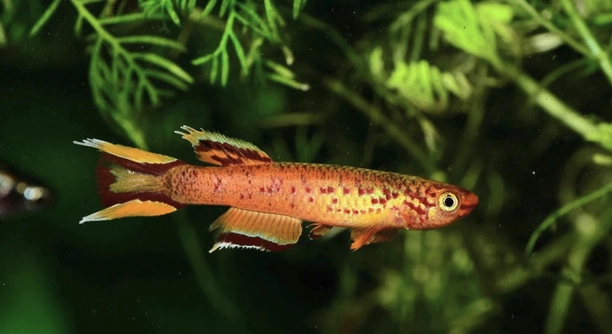
Many tank enthusiasts look for specific features that improve their experience and satisfaction. These qualities often make a tank stand out in terms of usability and performance. Knowing what features matter can help users choose the best option.
The seven tank features that Killis appreciate most include proper water filtration, stable temperature control, ample hiding spaces, gentle water flow, suitable tank size, quality lighting, and easy maintenance access. These elements contribute to the health and comfort of the fish.
Understanding these key features can enhance tank setup and fish well-being, providing a better environment for Killis to thrive and for owners to enjoy.
Proper Water Filtration
Good water filtration is crucial for keeping Killis healthy. It removes waste and toxins that build up in the tank, creating a cleaner environment. Without proper filtration, harmful chemicals like ammonia and nitrites can accumulate, which stress or even harm the fish. Filters also help maintain water clarity, which makes it easier to observe your fish and detect any health issues early. Many Killis prefer gentle filtration, so it’s important to choose a filter that does not create strong currents. Sponge filters are often a great choice because they provide both mechanical and biological filtration with gentle water movement. Regular maintenance of the filter, like cleaning and replacing parts when necessary, ensures it continues working well. A reliable filtration system supports a stable tank environment, which is essential for the delicate balance Killis need to thrive.
Proper filtration keeps water conditions stable and supports the overall health of Killis in the tank.
The quality of water in a Killis tank directly impacts their lifespan and behavior. Clean, well-filtered water reduces stress and the risk of diseases. Many fishkeepers find that investing time and effort into choosing the right filtration system pays off with healthier, more active fish. It is also important to monitor water parameters regularly, as filters alone cannot solve all water quality issues. Combining filtration with regular water changes creates an ideal environment. The best filter matches the tank size and the needs of the fish. Avoid filters that produce too much flow, as Killis prefer calmer water. The right setup encourages natural behavior, allowing the fish to feel safe and comfortable.
Stable Temperature Control
Killis require a stable water temperature to stay healthy and active. Temperature fluctuations can cause stress and weaken their immune system. Most Killis species do well in temperatures between 72°F and 78°F (22°C–26°C). Using a reliable heater with a thermostat helps keep the temperature steady. It is also useful to monitor the temperature daily to catch any changes quickly. Consistent warmth encourages regular feeding and breeding behaviors, which can be important for those looking to breed Killis. Avoid placing the tank near windows or vents where temperature changes might be sudden. Stable temperature control supports the fish’s natural rhythms and reduces the risk of illness, making it a key feature to focus on in any Killis tank setup.
Ample Hiding Spaces
Killis feel safer with plenty of places to hide. Plants, caves, and decorations offer shelter and reduce stress. These spots also help during breeding, providing secure areas for eggs and fry. Without enough hiding places, Killis may become nervous and less active.
Providing natural or artificial plants creates a comfortable environment. Floating plants can also offer shade and cover from bright lights. Smooth rocks and small caves work well to simulate natural hiding spots. Arrange these so fish have multiple choices for retreat. Avoid overcrowding, which limits swimming space but balance hiding with open areas. This setup encourages natural behavior and allows Killis to rest when needed. Regularly check and clean hiding places to prevent debris buildup that could harm water quality.
Hiding spaces also reduce aggression among Killis. When fish can retreat, they avoid constant chasing and fighting. This peaceful environment helps maintain healthier fish and lessens injuries. Overall, the right hiding spots improve both fish well-being and owner satisfaction.
Gentle Water Flow
Killis prefer calm water with slow currents. Strong flow stresses them and makes swimming difficult. Gentle water movement mimics their natural habitats, which often have still or slow-moving water. Filters or pumps should be adjusted to reduce force.
Choosing equipment that produces a soft flow is important for Killis tanks. Sponge filters, air-driven filters, or adjustable flow pumps are good options. These provide enough circulation to keep water clean but avoid creating rough currents. Positioning filter outlets to direct flow along the surface or tank sides can soften the water movement. Keeping the flow gentle helps Killis conserve energy and feel secure in their space.
A calm water environment supports feeding, breeding, and general health. When flow is too strong, fish can struggle to eat or rest. Reducing stress from water movement leads to more vibrant and active Killis. Proper water flow management is a simple yet vital part of tank care.
Suitable Tank Size
Killis need enough space to swim freely and establish territories. A tank that is too small limits their movement and can cause stress. Most Killis species do well in tanks starting at 10 gallons or larger.
Larger tanks allow for better water quality and more stable conditions. This helps reduce stress and promotes natural behavior. Providing enough room is key to keeping Killis healthy and active.
Quality Lighting
Lighting should be soft and mimic natural daylight. Too bright or harsh lighting can stress Killis and encourage algae growth. Using adjustable or dimmable lights is ideal for controlling brightness.
Easy Maintenance Access
Tanks designed for easy maintenance save time and reduce hassle. Features like accessible filter placement, wide openings, and simple cleaning options help keep the tank in good condition. This makes caring for Killis easier and more efficient.
FAQ
What is the best filter for a Killis tank?
A sponge filter is often the best choice for Killis tanks because it provides gentle water flow and effective biological filtration. It removes waste without creating strong currents that can stress the fish. Air-driven sponge filters are quiet and easy to maintain, making them popular among Killis keepers. Other filter types can work if adjusted for low flow.
How important is temperature stability for Killis?
Temperature stability is very important. Killis are sensitive to sudden changes, which can cause stress or illness. Keeping the tank between 72°F and 78°F (22°C–26°C) with a reliable heater and thermostat helps maintain a healthy environment. Consistent temperature supports feeding, breeding, and overall activity.
Can Killis live in smaller tanks?
Killis can live in tanks as small as 10 gallons, but larger tanks are better. Small tanks require more frequent maintenance and have less stable water parameters. A bigger tank provides more swimming space and reduces stress, helping Killis stay healthy longer.
How many hiding places does a Killis tank need?
A Killis tank should have several hiding spots, including plants, caves, or decorations. These allow the fish to feel secure and reduce aggression. Having at least three to five hiding places distributed around the tank works well. Balance hiding spots with open swimming areas.
What kind of lighting suits Killis tanks?
Soft, natural-looking lighting is best for Killis. Bright or harsh lights can stress them and encourage algae. Using dimmable or adjustable lights helps create a comfortable environment. Floating plants can also reduce light intensity naturally.
How often should I clean the tank?
Regular cleaning is essential but should be gentle. Partial water changes of 20–30% every week or two help maintain water quality. Clean filter media as needed without removing all beneficial bacteria. Over-cleaning can upset the tank’s balance and stress the fish.
What water flow level is ideal for Killis?
Killis prefer gentle water flow. Strong currents make swimming difficult and increase stress. Adjust filters or pumps to create slow, soft movement. Positioning filter outlets to break the flow or using sponge filters helps maintain a calm environment.
Is tank size linked to fish health?
Yes, tank size directly affects fish health. Larger tanks offer better water quality, stability, and space for natural behavior. Crowding can lead to aggression, poor water conditions, and illness. Giving Killis enough room supports their well-being.
Are live plants necessary for Killis?
Live plants are highly recommended but not strictly necessary. They provide hiding spots, improve water quality, and create a natural setting. If live plants are difficult to maintain, artificial plants can work as long as they offer enough cover and do not harm the water.
What is the easiest way to maintain Killis tanks?
Designing the tank with easy access to filters, wide openings for cleaning, and minimal decorations helps. Using simple equipment and regular maintenance routines reduces hassle. Keeping water parameters stable through partial water changes and gentle cleaning is key.
How do I prevent stress in Killis?
Providing stable temperature, clean water, gentle flow, and plenty of hiding places prevents stress. Avoid sudden changes in the tank environment. Proper feeding and minimizing disturbances around the tank also help Killis stay calm and healthy.
Can Killis breed in a home aquarium?
Yes, Killis can breed at home with the right conditions. Stable temperature, clean water, gentle flow, and hiding spots like dense plants or spawning mops encourage breeding behavior. Some species need specific triggers like seasonal temperature changes.
How do I handle aggressive behavior?
Aggression can be reduced by providing enough space and hiding spots. Avoid overcrowding and ensure compatible tank mates. Removing overly aggressive fish may be necessary if problems persist. Creating a peaceful environment benefits all tank inhabitants.
What water parameters are best for Killis?
Killis thrive in slightly acidic to neutral water (pH 6.0–7.5) and soft to moderately hard water. Regular testing helps maintain these levels. Stable water chemistry supports fish health and reduces the risk of disease.
Is feeding Killis difficult?
Feeding Killis is simple with the right diet. They prefer live or frozen foods like brine shrimp, daphnia, and bloodworms but will accept high-quality flakes or pellets. Feeding small amounts two to three times daily prevents overfeeding and keeps water clean.
How do I introduce new Killis to the tank?
Introduce new Killis slowly by floating their bag in the tank to equalize temperature. Then add small amounts of tank water to the bag over 20–30 minutes before releasing the fish. This reduces shock and helps them adjust to the new environment.
Final thoughts about keeping Killis focus on creating the best possible environment for these beautiful fish. Each feature of the tank plays an important role in their health and happiness. Proper water filtration ensures the tank stays clean and free from harmful substances. Stable temperature control prevents stress and supports natural behavior. Providing hiding spaces allows Killis to feel secure and reduces aggression. Gentle water flow mimics their natural habitat, making swimming easier and less stressful. Choosing the right tank size gives them enough room to swim freely and explore. Quality lighting helps maintain a natural day-night cycle without causing stress. Finally, easy maintenance access makes caring for the tank more manageable and keeps the environment safe for the fish.
Understanding these key features can make a big difference in how well Killis thrive. It is not just about having a tank filled with water but about creating a balanced space where the fish feel comfortable and healthy. Killis are sensitive to changes, so maintaining steady water conditions is vital. Their needs are simple but specific, and meeting those needs takes some thought and effort. For example, a strong filter might keep water clear but can cause too much flow. Finding the right balance requires attention and adjustment. Similarly, a tank that is too small or lacks hiding spots can increase stress levels, leading to poor health. When all features are considered together, the tank becomes a stable and supportive environment for Killis.
Taking care of Killis is rewarding when these fish show natural behaviors and vibrant colors. It requires patience and willingness to learn about their preferences. Watching Killis thrive in a well-maintained tank is satisfying, especially knowing the effort supports their wellbeing. Simple steps like monitoring water parameters, providing gentle water movement, and offering plenty of hiding places create a comfortable home. Maintenance tasks become easier with good tank design, which helps keep the habitat stable over time. In the end, paying attention to these important features leads to a healthier tank and happier fish. It is worth investing the time and care to see Killis live their best lives in your aquarium.

Hello,
If you enjoy the content that we create, please consider saying a "Thank You!" by leaving a tip.
Every little bit helps us continue crafting quality advice that supports the health, happiness, and well-being of pets around the world, for pets of all shapes, sizes, and species.
We really appreciate the kindness and support that you show us!