
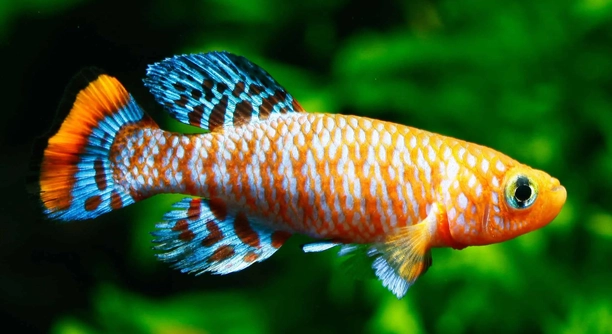
Keeping killifish healthy requires awareness of common diseases that may affect them. These vibrant fish are prone to specific illnesses that can impact their well-being. Recognizing these issues early is important for successful care.
Seven common killifish diseases include ich, fin rot, velvet disease, bacterial infections, fungal infections, swim bladder disorder, and parasitic infestations. Each disease presents distinct symptoms that require timely identification and appropriate treatment to prevent serious health decline.
Understanding these diseases will help you maintain your killifish’s health and respond effectively if problems arise. Proper care can make a big difference in your fish’s quality of life.
Ich (White Spot Disease)
Ich, also called white spot disease, is one of the most common illnesses in killifish. It appears as tiny white spots on the fish’s body and fins. These spots are caused by a parasite that attaches itself to the fish’s skin. Infected killifish may scratch against objects, become lethargic, and lose their appetite. The parasite thrives in poor water conditions, so maintaining clean water helps prevent ich. Treatment often involves raising the water temperature slightly and using medications designed to eliminate the parasite. Early detection is key to stopping the disease from spreading to other fish in the tank.
Ich can spread quickly, so it’s important to isolate infected fish immediately. Quarantining new fish before adding them to the main tank also reduces the risk of introducing ich.
Regular water changes, monitoring water quality, and keeping stress low in your killifish will help keep ich at bay. Consistent care makes a big difference.
Fin Rot
Fin rot causes the edges of the fins to become ragged or discolored. It is usually a result of bacterial infection due to poor water quality or injury. Fin rot weakens the fins, making swimming difficult. Removing the cause of stress and improving water conditions usually helps the fish recover. Antibiotic treatments can be necessary in more severe cases. Early treatment prevents permanent damage.
Fin rot begins with slight fraying, so close observation is needed to catch it early.
Treating fin rot involves cleaning the tank thoroughly and possibly using antibacterial medications. Maintaining a balanced diet supports the immune system, helping killifish heal faster. Avoid overcrowding the tank to reduce stress and injury. Proper filtration and regular water testing also prevent bacterial growth. If caught early, fin rot is reversible, but delayed care may cause lasting fin loss. Careful attention to tank hygiene is essential to keep your killifish healthy and their fins intact.
Velvet Disease
Velvet disease is caused by a tiny parasite that covers the killifish with a dusty, gold or rust-colored coating. This parasite irritates the skin and gills, leading to labored breathing and reduced appetite. It spreads quickly and needs immediate attention.
Treatment usually involves using copper-based medications or specific anti-parasitic drugs. Increasing water temperature slightly can help speed up the parasite’s life cycle, making treatments more effective. Maintaining good water quality and avoiding overcrowding helps prevent velvet disease from taking hold.
It’s important to quarantine new fish to avoid introducing this parasite. Regular observation for early symptoms like flashing or clamped fins helps catch velvet disease before it causes serious damage. Consistent tank maintenance keeps your killifish healthy and reduces stress, which lowers the risk of infections.
Bacterial Infections
Bacterial infections often appear as red sores, ulcers, or swollen areas on killifish. These infections usually occur after injuries or when fish live in poor water conditions. Bacteria thrive in unclean tanks, so maintaining cleanliness is critical. Treatment typically requires antibiotics, either added to the water or in medicated food.
Preventing bacterial infections involves regular water changes and avoiding overcrowding, which reduces stress and injury risks. Feeding high-quality food supports the immune system, helping fish resist infections. Identifying infections early and separating sick fish can stop bacteria from spreading through the tank. Healthy tank habits are essential to keep bacterial infections under control and preserve your killifish’s wellbeing.
Fungal Infections
Fungal infections usually appear as cotton-like growths on the killifish’s body or fins. These infections often occur after an injury or when the fish is stressed. Keeping the tank clean and stable helps prevent fungal growth.
Treating fungal infections involves antifungal medications and improving water quality. Early treatment prevents the infection from spreading and causing serious harm to your fish.
Swim Bladder Disorder
Swim bladder disorder affects a fish’s ability to control buoyancy. Killifish may float upside down or struggle to stay upright. Causes include poor diet, infections, or physical injury. Adjusting diet and maintaining water quality can help manage this condition.
Parasitic Infestations
Parasitic infestations include external and internal parasites that harm killifish. Symptoms vary but may include scratching, lethargy, and weight loss. Quarantining new fish and keeping the tank clean help prevent parasites.
Early diagnosis and appropriate medication are important to treat parasitic infestations effectively and maintain fish health.
FAQ
How can I prevent killifish diseases?
Preventing killifish diseases starts with keeping their environment clean. Regular water changes, proper filtration, and maintaining stable water parameters are essential. Avoid overcrowding the tank, and quarantine new fish before introducing them. Feeding a balanced diet helps keep their immune system strong, making them less vulnerable to infections.
What are the early signs of common killifish diseases?
Early signs often include changes in behavior, such as lethargy or loss of appetite. Physical symptoms can be white spots, ragged fins, discoloration, clamped fins, or unusual swimming patterns. Watching your fish closely helps catch these signs before the condition worsens.
Is it necessary to quarantine new killifish?
Yes, quarantining new fish for at least two weeks prevents spreading diseases to your main tank. It gives you time to observe any signs of illness and treat problems before they affect other fish.
How do I treat ich in killifish?
Treatment involves raising the tank temperature slightly and using medications designed to kill the ich parasite. Increasing water temperature speeds up the parasite’s life cycle, making the medicine more effective. Follow medication instructions carefully to avoid harming your fish.
Can fin rot be reversed?
Fin rot can be reversed if treated early. Improving water quality, removing stressors, and using antibacterial treatments help the fins heal. Delay in treatment may lead to permanent fin damage.
What causes velvet disease and how do I treat it?
Velvet disease is caused by a parasite that coats fish in a dusty film. Treating it requires copper-based or anti-parasitic medications and raising water temperature slightly. Quarantining new fish and maintaining clean tanks reduce the risk.
Are bacterial infections common in killifish?
Bacterial infections occur more in tanks with poor water conditions or when fish are injured. Symptoms include sores, ulcers, and swelling. Antibiotics and good tank maintenance are necessary to control these infections.
How do I know if my killifish has a fungal infection?
Fungal infections look like white or cottony patches on the fish’s body or fins. They usually appear after an injury or when the fish is stressed. Antifungal medications and improved water quality help clear infections.
What causes swim bladder disorder in killifish?
Swim bladder disorder is caused by infections, poor diet, or physical injury, affecting the fish’s ability to swim properly. Adjusting diet and maintaining clean water are key to managing the condition.
How do parasitic infestations affect killifish?
Parasites can cause irritation, scratching, lethargy, and weight loss. They may live on the skin or inside the fish. Early diagnosis and medication are important to stop the parasites from harming your fish.
Can diet impact killifish health?
Yes, a poor diet can weaken killifish and make them more prone to diseases. Feeding a varied and balanced diet supports their immune system and overall health.
When should I seek professional help for my killifish?
If symptoms persist despite treatment, or if multiple fish are affected quickly, consulting a veterinarian or fish specialist is recommended. Early professional advice can save your fish’s life.
How often should I clean my killifish tank?
Regular cleaning, including partial water changes every week or two, is ideal. Cleaning the substrate and filter also prevents buildup of harmful bacteria and parasites.
Are some killifish species more prone to diseases?
Some species may be more sensitive due to specific care needs. Researching the species’ requirements helps provide proper care and reduce disease risks.
Can stress cause diseases in killifish?
Stress weakens killifish’s immune system and makes them more vulnerable to illness. Causes include poor water quality, overcrowding, and sudden changes in the environment. Reducing stress improves their chances of staying healthy.
Final thoughts on killifish health focus on the importance of consistent care and attention. Killifish are beautiful and unique fish that can thrive when their needs are met properly. Like all pets, they require a clean and stable environment to stay healthy. Monitoring water quality regularly, performing timely water changes, and maintaining proper tank conditions are key steps in preventing many common diseases. It is important to remember that even small changes in water temperature, pH, or cleanliness can impact their well-being. Taking these factors seriously helps reduce the chances of infections or stress-related illnesses.
Another important aspect is observation. Spending time watching your killifish daily allows you to notice any unusual behavior or physical changes early. Early detection of diseases like ich, fin rot, or velvet disease greatly increases the chances of successful treatment. Even subtle signs, such as loss of appetite, slower swimming, or faded colors, can be warning signals. Acting quickly by isolating sick fish and treating the problem prevents the disease from spreading to other tank mates. Good record keeping of water parameters and any treatments can also be helpful for ongoing care.
Lastly, prevention is always better than cure. Quarantining new fish before introducing them to your main tank, feeding a balanced and varied diet, and avoiding overcrowding are simple practices that greatly improve your killifish’s health. Stress is a major factor that weakens fish immunity, so keeping your tank environment calm and stable makes a big difference. If a disease does occur, consulting a professional or using appropriate medication promptly can save your fish’s life. By staying informed and consistent with care, you can enjoy watching your killifish thrive for many years.

Hello,
If you enjoy the content that we create, please consider saying a "Thank You!" by leaving a tip.
Every little bit helps us continue crafting quality advice that supports the health, happiness, and well-being of pets around the world, for pets of all shapes, sizes, and species.
We really appreciate the kindness and support that you show us!