
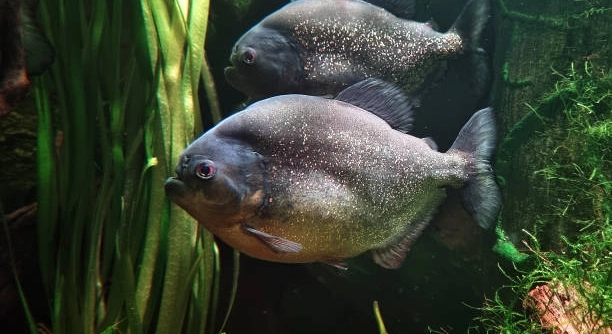
Keeping piranhas active and healthy requires attention to their environment. Certain tank features can encourage natural behaviors and promote overall well-being. Understanding these key factors helps create a better habitat for your piranha.
Seven tank features contribute significantly to boosting piranha activity. These include proper tank size, water flow, lighting, hiding spots, substrate type, temperature regulation, and enrichment elements. Together, they support natural movement, reduce stress, and enhance the fish’s engagement with their surroundings.
Exploring these features will help you provide a more stimulating and balanced environment for your piranhas to thrive. The following details explain how each aspect plays a role in their daily activity.
Proper Tank Size and Water Flow
A tank that is too small can limit piranha movement and cause stress, which lowers their activity levels. Ideally, each piranha should have at least 20 gallons of space. This allows them to swim freely and exhibit natural behavior. Water flow also plays a critical role. Moderate water circulation mimics their natural river environment, encouraging exploration and activity. Too strong a current can tire them out, while stagnant water makes them lethargic. Proper filtration helps maintain clean water without disturbing the fish excessively. A well-sized tank with balanced water flow creates a comfortable space where piranhas feel safe and stimulated.
Maintaining this balance supports healthy behavior. When piranhas have enough room and gentle currents, they stay more active and alert.
Having the right tank size and water flow helps avoid stress-related issues and keeps your piranhas moving naturally. This foundational setup is key to boosting their activity.
Lighting and Hiding Spots
Piranhas prefer dim lighting and areas to hide. Bright lights can make them shy and less active.
Providing shaded corners and plants gives them places to retreat. These hiding spots reduce stress and encourage natural behaviors like exploring and hunting. Using adjustable lighting allows you to mimic day and night cycles, which helps regulate their activity rhythms. Plants, driftwood, or caves can serve as shelters, making the tank environment feel safer. Without places to hide, piranhas may become nervous and inactive. Creating a varied environment with proper lighting and ample hiding spots encourages more movement and natural interactions inside the tank.
Substrate Type and Temperature Regulation
Choosing the right substrate matters for piranha comfort. Soft sand or smooth gravel works best, as it mimics their natural riverbeds. Rough or sharp materials can injure them and cause stress.
A gentle substrate allows piranhas to search for food naturally. It also helps maintain water quality by trapping less debris compared to larger rocks. Keeping the tank clean is easier with a proper substrate, which supports fish health and activity.
Temperature regulation is equally important. Piranhas thrive between 75 and 80 degrees Fahrenheit. Consistent temperature avoids stress and supports metabolism. Sudden changes can make them sluggish or sick. Using a reliable heater with a thermostat keeps the environment steady. Proper substrate and temperature combined create a comfortable base for your piranhas, encouraging them to be more active and lively.
Enrichment Elements
Adding enrichment like floating plants and toys provides mental stimulation. Piranhas enjoy exploring and interacting with their environment.
Enrichment elements reduce boredom, which can lead to inactivity or aggression. Introducing items like leaf litter or safe driftwood creates hiding spots and surfaces for natural behavior. Some piranhas even respond to gentle movements from floating objects. This variety mimics a natural habitat, encouraging them to swim and hunt more actively. Changing enrichment periodically keeps their interest fresh and prevents routine boredom. Simple additions can have a big impact on piranha activity, making the tank a dynamic place for them to thrive.
Water Quality Maintenance
Regular water changes are essential to keep piranhas healthy and active. Clean water reduces toxins that cause stress or illness.
Using a good filtration system helps maintain water clarity and removes harmful substances. Testing water parameters often ensures the environment stays stable.
Tank Companions
Piranhas are generally territorial and prefer to live with few or no other fish. Overcrowding can cause stress and reduce activity.
Choosing compatible companions or keeping them alone helps maintain peace in the tank. This balance supports more natural and active behavior in your piranhas.
Feeding Schedule
Feeding piranhas regularly but not excessively keeps them energetic. Overfeeding can cause lethargy and poor water quality.
Tank Decorations
Adding decorations like rocks and plants helps create a more natural habitat. These features encourage exploration and activity.
How often should I change the water in my piranha tank?
Regular water changes are very important for keeping piranhas healthy and active. It’s best to change about 20-25% of the tank water every week. This helps remove waste, leftover food, and toxins that build up over time. If you wait too long between changes, water quality will drop, causing stress and reducing your piranhas’ activity. Always use dechlorinated water at the right temperature to avoid shocking the fish. Keeping a steady schedule for water changes supports clean, healthy conditions where piranhas feel comfortable and move around more.
What is the ideal tank size for piranhas?
The ideal tank size depends on how many piranhas you keep. Each piranha needs about 20 gallons of water to have enough swimming space. For example, two piranhas should have at least a 40-gallon tank. A larger tank helps reduce stress and aggressive behavior by giving fish plenty of room. Smaller tanks crowd piranhas, making them less active and more prone to illness. Remember, bigger tanks are easier to maintain stable water conditions, which also promotes activity and health.
Can piranhas live with other fish?
Piranhas can sometimes live with other fish, but it’s tricky. They are naturally territorial and can become aggressive, especially if the tank is small or overcrowded. Smaller or slow-moving fish may be seen as food or targets. If you want tank mates, choose robust fish that are large enough not to be eaten and keep the tank spacious with lots of hiding spots. Many piranha keepers prefer keeping them alone or only with other piranhas to avoid conflicts and keep activity levels high.
How do I create hiding spots in the tank?
Creating hiding spots is simple and very helpful for your piranhas. Use natural decorations like driftwood, rocks, or artificial caves. Live or fake plants also provide shaded areas where fish can retreat. These spots help reduce stress by giving piranhas places to feel safe. When fish feel secure, they are more likely to explore and swim actively. Make sure hiding spots are spread throughout the tank so each piranha can claim its own space without constant competition.
What temperature should I keep my piranha tank?
Piranhas do best in water between 75 and 80 degrees Fahrenheit. Keeping the temperature stable within this range supports their metabolism and activity. Sudden drops or spikes in temperature can cause stress or illness, leading to less movement. Use a reliable aquarium heater with a thermostat to maintain steady warmth. Avoid placing the tank near windows or vents where temperature can fluctuate. Consistent heat makes your piranhas more comfortable and lively.
What kind of substrate is best for piranhas?
A soft substrate like sand or smooth gravel works best for piranhas. This type of bottom mimics their natural riverbed and prevents injuries to their sensitive fins and mouths. Rough or sharp substrates can cause cuts or stress. Soft substrate also helps keep water cleaner because it traps fewer waste particles. Regular vacuuming of the substrate during water changes keeps the tank healthy and encourages natural foraging behavior, which boosts activity.
How much and how often should I feed my piranhas?
Feed your piranhas a balanced diet regularly, about once or twice a day, giving only what they can eat in a few minutes. Overfeeding causes leftover food to pollute the water and can make fish sluggish or sick. Include a mix of pellets, frozen or live foods like small fish or insects to keep their diet varied and interesting. Proper feeding supports energy levels and encourages natural hunting behaviors, keeping your piranhas active and healthy.
Are piranhas active during the day or night?
Piranhas are mostly active during the day, but they also show activity at dawn and dusk. They prefer dim or subdued lighting, which helps them feel safe while swimming and hunting. Too bright light may make them hide or become less active. Adjusting tank lighting to mimic natural light cycles supports their daily rhythms. Providing shaded areas or floating plants creates a balanced environment that encourages activity during their natural active hours.
What signs show my piranhas are stressed or inactive?
Signs of stress or inactivity include hiding constantly, loss of appetite, clamped fins, or slow, listless swimming. Stress often comes from poor water quality, overcrowding, sudden temperature changes, or lack of hiding spots. When piranhas are stressed, their immune system weakens, making them more vulnerable to disease. Monitoring behavior regularly helps catch problems early. Improving tank conditions usually helps fish become more active and healthy again.
Can tank decorations really affect piranha activity?
Yes, tank decorations have a big impact on piranha behavior. Items like driftwood, rocks, and plants provide stimulation and places to explore or hide. This reduces boredom and stress, encouraging natural swimming and hunting habits. Changing decorations occasionally keeps the environment interesting. Without enough structure, piranhas may become bored or aggressive, leading to reduced activity. Simple decorations can make a tank feel more like home and keep your fish moving.
Creating a suitable environment for piranhas is key to keeping them active and healthy. Every detail matters—from the size of the tank to the type of decorations inside. When these factors work together, piranhas feel comfortable and show more natural behavior. A proper tank size gives them room to swim freely, while good water flow and quality keep their habitat clean and safe. These basic needs help reduce stress, which in turn encourages more movement and interaction.
Lighting and hiding spots are also important for piranha well-being. Piranhas prefer dimmer light and places where they can retreat if they feel threatened. Providing plants, caves, or driftwood not only offers shelter but also creates a more interesting space for them to explore. When piranhas feel secure, they are more likely to be active. Adding enrichment items and changing tank features regularly can keep their environment stimulating, which helps prevent boredom and lethargy.
Feeding and temperature control play vital roles too. Feeding the right amount at regular intervals keeps piranhas energetic, while maintaining stable water temperatures supports their metabolism. Sudden changes in temperature or overfeeding can cause health issues and reduce activity. By paying attention to these details, it’s possible to create a balanced and healthy tank where piranhas thrive. Overall, combining proper tank conditions with regular care leads to happier, more active fish that show off their natural behaviors.

Hello,
If you enjoy the content that we create, please consider saying a "Thank You!" by leaving a tip.
Every little bit helps us continue crafting quality advice that supports the health, happiness, and well-being of pets around the world, for pets of all shapes, sizes, and species.
We really appreciate the kindness and support that you show us!