
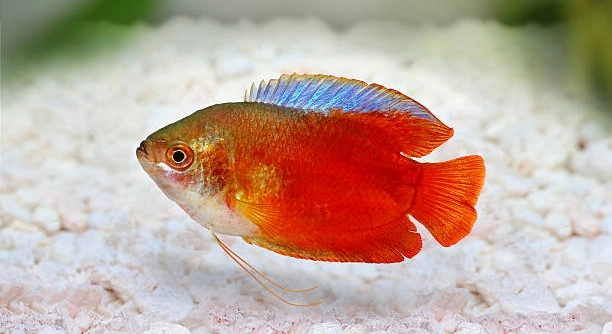
Tank changes are an important part of caring for gouramis. These fish live in aquariums where water quality can change over time. Knowing how gouramis respond to tank changes helps maintain their health and comfort.
Gouramis remember certain tank changes, such as water temperature shifts, filter replacements, lighting adjustments, and water chemistry variations. These experiences affect their stress levels and behavior, demonstrating an ability to recognize and adapt to environmental changes over time.
Understanding how gouramis react to tank adjustments can improve their well-being. This article explains key changes gouramis remember and how to manage them effectively.
Water Temperature Changes and Their Impact
Water temperature is a major factor in a gourami’s environment. Sudden or frequent temperature shifts can cause stress and affect their immune system. Gouramis prefer stable temperatures, typically between 74°F and 82°F. When the water temperature changes abruptly, they may become less active or hide more often. Consistent temperature helps maintain their metabolism and behavior. Small, gradual adjustments are easier for them to handle than sudden drops or spikes. Using a reliable heater and thermometer can help keep the tank stable. Monitoring the temperature daily prevents unwanted fluctuations. Temperature changes also influence oxygen levels in the water, which impacts their breathing. Being aware of these details ensures a healthier aquarium environment for gouramis. Keeping water temperature steady over time helps reduce stress and supports their natural activity patterns.
Stable temperature promotes gouramis’ overall health, reducing susceptibility to disease and encouraging normal behavior in the tank.
Regular temperature checks and gradual changes prevent shock. Avoid placing tanks near windows or vents to reduce temperature swings. This attention to temperature stabilizes the tank environment, keeping gouramis comfortable and active.
Filter Changes and Fish Memory
Gouramis notice when the tank filter is changed or cleaned. A new filter or media can alter water flow, noise, and even water quality temporarily. This change may cause momentary stress as gouramis adjust. However, regular filter maintenance is essential for water cleanliness. Keeping the filter in good condition prevents buildup of toxins like ammonia and nitrates, which harm fish health. When filters are cleaned, it’s best to rinse media gently with tank water to preserve beneficial bacteria. Replacing all filter media at once can shock the biological balance. Gouramis gradually get used to the noise and flow of the new or cleaned filter, showing their ability to remember changes and adapt. Proper filter care balances a healthy tank while minimizing stress on gouramis.
Filter changes can be unsettling but are necessary. Maintaining a consistent cleaning routine helps gouramis adapt more easily.
Changing filters affects water quality and environment. It is important to avoid abrupt, full replacements and maintain biological balance. Gentle cleaning using tank water keeps beneficial bacteria intact. Observing gouramis’ reactions during filter maintenance can guide timing and method. Proper management of filter changes ensures water remains clean and fish remain calm. Over time, gouramis learn to associate filter operation with stability in their habitat, adjusting their behavior accordingly. This memory supports their overall well-being and reduces anxiety linked to sudden environmental changes.
Lighting Adjustments and Gourami Behavior
Changes in lighting affect gouramis’ daily rhythms and stress levels. Sudden shifts from bright to dim light can startle them. They adapt better when light changes are gradual or follow a consistent schedule.
Consistent lighting helps gouramis maintain natural behaviors like feeding and resting. Abrupt changes can cause hiding or erratic swimming. A timer for aquarium lights ensures a regular day-night cycle, which reduces stress. Too much light encourages algae growth, which can affect water quality. On the other hand, too little light disrupts their activity and visibility. Monitoring light intensity and duration creates a balanced environment. Gouramis rely on light cues to regulate their biological clock and social interactions within the tank.
Proper lighting is essential for a healthy aquarium. When lighting is managed well, gouramis display calmer behavior and better overall health. Gradual adjustment periods after lighting changes help them get used to new conditions smoothly.
Water Chemistry Variations and Memory
Gouramis are sensitive to changes in water chemistry such as pH, hardness, and ammonia levels. Fluctuations in these parameters can cause stress or illness if not controlled carefully. Regular testing ensures stability in the tank environment.
Keeping water chemistry stable is key for gouramis’ long-term health. Sudden changes in pH or hardness affect their skin and gill function. High ammonia or nitrite levels are toxic and lead to health problems. Gouramis show signs of distress such as lethargy, loss of appetite, or rapid breathing when water chemistry is off. They can remember poor water conditions and may avoid areas in the tank where they experienced discomfort. Gradual adjustments to water parameters reduce shock and help them acclimate. Using conditioners and performing partial water changes keep chemistry within safe ranges.
Monitoring and maintaining water chemistry prevents stress and supports normal biological functions. Gouramis adapt better when changes occur slowly and consistently. This memory of water conditions influences their behavior and comfort in the tank, emphasizing the importance of careful water management.
Feeding Schedule Changes
Gouramis quickly notice when their feeding schedule changes. They rely on routine and become unsettled if feeding times vary too much.
Maintaining a consistent feeding schedule helps reduce stress and keeps their digestive system healthy. Unexpected changes can cause impatience or decreased appetite.
Tank Decoration Changes
Gouramis use tank decorations for shelter and territory. Changing or removing these items can make them feel insecure and stressed. They may hide more or become less active until they adjust.
Water Change Frequency
Regular water changes keep the tank clean and healthy. Sudden changes in frequency can disrupt the environment and stress gouramis. Keeping a steady schedule helps maintain water quality and fish comfort.
FAQ
How long do gouramis remember changes in their tank?
Gouramis can remember changes in their environment for several days to weeks. Their memory helps them adapt to new conditions but also means that stressful changes can affect them for a while. Stability in the tank reduces anxiety and promotes better health.
Can sudden tank changes harm gouramis?
Yes, sudden changes such as quick shifts in temperature, water chemistry, or lighting can cause stress. Stress weakens their immune system and may lead to illness. It is important to introduce changes gradually to avoid harming your gouramis.
How often should I change the water in a gourami tank?
Regular partial water changes of about 20-30% every one to two weeks are ideal. This keeps water clean without causing drastic shifts in water parameters. Too frequent or large changes can unsettle gouramis and disrupt their environment.
Are gouramis sensitive to water temperature changes?
Gouramis prefer stable temperatures between 74°F and 82°F. Even small temperature swings can stress them. Using a heater and thermometer helps maintain a steady temperature. Avoid placing the tank near windows or vents where temperature fluctuates.
Do gouramis notice changes in tank decorations?
Yes, gouramis use decorations as hiding spots and territory markers. Removing or rearranging decorations may cause temporary stress. It is best to keep decorations consistent or make changes slowly so gouramis can adjust.
How do gouramis react to changes in lighting?
Gouramis depend on a consistent light cycle for their daily rhythm. Sudden changes in lighting can cause hiding or erratic behavior. Using a timer ensures regular light periods, which helps gouramis feel secure and maintain normal activity.
What happens if I clean the filter too thoroughly?
Over-cleaning or replacing all filter media at once removes beneficial bacteria that maintain water quality. This can lead to spikes in harmful chemicals like ammonia. Clean the filter gently using tank water and replace media gradually to preserve the biological balance.
Can feeding schedule changes affect gouramis?
Gouramis rely on routine feeding times and may become stressed or less active if the schedule changes frequently. Consistent feeding helps maintain their digestion and behavior. Sudden changes in feeding times should be avoided when possible.
How can I help my gouramis adjust to tank changes?
Introduce changes slowly and one at a time. Monitor their behavior closely and avoid making multiple changes at once. Keeping conditions stable and predictable reduces stress and helps gouramis adapt smoothly to new tank conditions.
Are gouramis affected by water chemistry variations?
Yes, changes in pH, hardness, or ammonia levels can stress gouramis and cause health issues. Regular water testing and gradual adjustments help maintain a safe environment. Gouramis may avoid parts of the tank where water quality was poor, showing their memory of past conditions.
Is it necessary to maintain a routine for gouramis?
Routine is important for gouramis because it creates a stable environment. Predictable lighting, feeding, and maintenance schedules reduce stress. Gouramis are more comfortable when their surroundings do not change abruptly or unpredictably.
How can I tell if my gourami is stressed by tank changes?
Signs include hiding, reduced activity, loss of appetite, and rapid breathing. Stress can lead to illness if not addressed. Observing these behaviors after a tank change indicates that adjustments may be too sudden or conditions need improvement.
Can gouramis get used to frequent tank changes?
While gouramis can adapt over time, frequent or abrupt changes cause ongoing stress. It is better to minimize changes and maintain consistency. Gradual adjustments allow gouramis to remember and accept new conditions without harm.
What is the best way to maintain water quality for gouramis?
Perform regular partial water changes, clean filters gently, and test water parameters often. Keeping stable temperature, pH, and chemical levels creates a safe environment. This reduces stress and supports long-term health for gouramis.
How does stress from tank changes affect gouramis’ lifespan?
Chronic stress weakens the immune system and can shorten a gourami’s life. Preventing sudden or frequent changes helps avoid stress-related illnesses. Stable conditions promote a longer, healthier life for these fish.
Can gouramis recognize their owner or environment?
Gouramis can recognize patterns in their environment and may become familiar with feeding times and tank routine. While they do not recognize owners as pets do, they respond to consistent care and signals within their habitat.
What should I do if my gourami shows stress after a tank change?
Check water parameters first and correct any imbalances. Keep the tank environment stable and avoid further changes. Provide hiding spots and reduce disturbances until the gourami returns to normal behavior. Patience is key for recovery.
Final Thoughts
Maintaining a stable environment is essential for gouramis to thrive and feel comfortable in their tank. These fish remember changes in their surroundings, and sudden or frequent adjustments can cause stress. Stress not only affects their behavior but also their overall health. Small changes like shifts in water chemistry, lighting, or tank decorations may seem minor, but gouramis can recall these experiences and react accordingly. Keeping conditions steady helps reduce anxiety and supports their natural habits, such as feeding and resting. Gradual transitions when changes are necessary allow gouramis to adapt without excessive distress.
It is important to pay close attention to water quality when caring for gouramis. Regular water testing and partial water changes help maintain a safe environment. Sudden spikes in ammonia, nitrites, or fluctuations in pH and hardness can harm gouramis and cause long-lasting stress. A consistent cleaning and maintenance routine preserves beneficial bacteria and keeps the tank healthy. Lighting also plays a significant role in their well-being. Gouramis depend on a regular light cycle to regulate their daily rhythms. Using timers to keep lighting steady prevents unexpected stress and encourages normal behavior. All these factors combine to create a balanced habitat that gouramis can remember positively and feel secure in.
Feeding schedules and tank decorations are other important elements that affect gouramis’ memory and comfort. Gouramis learn when to expect food, and irregular feeding times can cause frustration or changes in appetite. Keeping feeding times consistent helps maintain their routine and supports good health. Likewise, decorations provide hiding places and establish territories within the tank. Abrupt changes or removal of these items may confuse gouramis or make them feel unsafe. Changing decorations slowly or keeping them consistent helps fish adjust smoothly. Overall, understanding how gouramis remember and react to changes helps improve their care and ensures they live healthy, less stressful lives in captivity.

Hello,
If you enjoy the content that we create, please consider saying a "Thank You!" by leaving a tip.
Every little bit helps us continue crafting quality advice that supports the health, happiness, and well-being of pets around the world, for pets of all shapes, sizes, and species.
We really appreciate the kindness and support that you show us!