
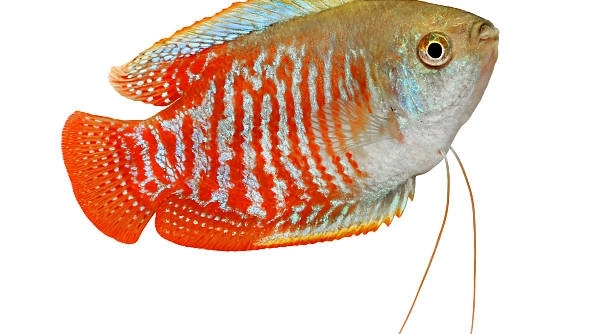
Gouramis are popular freshwater fish known for their vibrant colors and peaceful nature. Many aquarists notice that these fish tend to avoid swimming in the middle of the tank. Understanding this behavior can improve tank setup and fish wellbeing.
Gouramis avoid the tank middle primarily due to stress factors such as perceived predation risk, lack of shelter, water flow preferences, and territorial instincts. These elements cause them to seek safer, more secure areas near tank edges or plants.
Exploring the reasons behind this behavior will help aquarists create a more comfortable environment for their gouramis and promote healthier, more natural activity patterns.
Perceived Predation Risk
Gouramis instinctively avoid open spaces where they feel exposed to predators. The middle of the tank offers little cover, making them vulnerable. In natural habitats, they stay close to plants or structures that provide shelter and safety. Without adequate hiding spots in the tank center, gouramis feel unsafe and prefer the edges where they can quickly retreat if threatened. This behavior is a survival mechanism that carries over to captive environments. Even in peaceful tanks, the open middle triggers a natural caution response.
In addition, bright overhead lighting in the tank center can increase their sense of exposure. Gouramis are more comfortable in dimmer, shaded areas, which often are near plants or decorations.
Adding plants and decorations toward the center of the tank can help gouramis feel safer. Creating zones with varying light and cover encourages more balanced swimming patterns.
Lack of Shelter in Tank Middle
Gouramis need places to hide and rest. The tank middle often lacks these shelters, pushing them toward edges. They feel more secure near plants, rocks, or tank walls where they can hide from perceived threats. Without sufficient cover in the center, gouramis avoid it as an open and risky area. This behavior ensures they remain protected from sudden movements or other fish that may disturb them. Providing floating plants or mid-tank decorations helps reduce this issue by offering refuge.
Creating comfortable hiding spots can decrease their stress levels, improving overall health and behavior. Gouramis also use these shelters to rest and avoid strong water currents. Proper shelter placement encourages natural swimming behavior and reduces anxiety in the aquarium environment. Ensuring enough mid-tank cover benefits both the fish and the tank’s visual appeal. A well-planted tank center invites gouramis to explore the entire space safely.
If the tank middle is bare, gouramis will continue to stick to edges, limiting their movement and reducing the tank’s dynamic feel. Adding decor and plants helps break this pattern and improves their comfort.
If you want me to continue with the next sections, just let me know!
Water Flow Preferences
Gouramis prefer calm waters and tend to avoid areas with strong currents, which are often found in the tank middle. This preference influences their movement and position in the aquarium.
Strong water flow in the tank center can cause discomfort to gouramis. These fish are naturally found in slow-moving waters such as ponds and swamps. When faced with strong currents, they expend more energy swimming and may become stressed. This leads them to seek out calmer edges or areas with natural barriers that reduce flow. Positioning filters and pumps to minimize current in the tank middle helps gouramis feel more at ease.
Adjusting water flow by using decorations or plants can create zones of still water in the tank center. These calmer areas encourage gouramis to swim more freely without feeling forced to stay near the edges. Proper water circulation improves oxygenation without disturbing their preferred habitat conditions.
Territorial Behavior
Gouramis are territorial and establish personal space within the tank. They avoid the middle when other fish dominate it or when they feel threatened.
Territorial instincts drive gouramis to claim areas that provide the best shelter and safety. If the tank center is occupied by aggressive or larger fish, gouramis will steer clear to avoid conflicts. Even in peaceful communities, gouramis mark their preferred spots near plants or decorations at the edges. This behavior ensures they have control over a secure environment and access to food. Overcrowding or poor tank layout can increase territorial disputes, pushing gouramis further from the center.
Creating multiple hiding spots and distributing decorations evenly reduces territorial tensions. Providing enough space for all fish to establish their own territories helps gouramis feel less stressed and more willing to explore the entire tank. This balance promotes healthier social interactions and reduces aggressive behavior. Proper tank arrangement is key to managing gourami territories and encouraging varied swimming patterns.
Light Sensitivity
Gouramis are sensitive to bright light, which is usually stronger in the tank middle. This makes them avoid well-lit open spaces.
They prefer dimmer, shaded areas near plants or decorations that offer relief from intense lighting. Reducing overhead brightness in the tank center helps gouramis feel more comfortable and encourages movement.
Stress from Tank Mates
Stress caused by other fish can make gouramis avoid the tank middle. Larger or more aggressive tank mates tend to dominate open areas.
Gouramis retreat to safer zones to avoid confrontations. This behavior helps reduce stress and prevents injury, allowing them to maintain a calmer presence in the aquarium.
Lack of Vertical Structures
Gouramis rely on vertical structures for orientation and shelter. The tank middle often lacks these, making it less attractive to them.
Including tall plants or decor in the center provides security and encourages gouramis to explore beyond the edges. This improves tank balance and fish comfort.
Why do gouramis avoid the tank middle?
Gouramis avoid the tank middle mainly because they feel exposed and vulnerable in open spaces. The middle of the tank often lacks cover and shelter, making them feel unsafe. They prefer areas near plants, rocks, or tank walls where they can quickly hide if needed. Bright light and stronger water currents in the center also contribute to their avoidance. These factors combine to create an environment where gouramis instinctively seek security rather than open, exposed areas.
How can I encourage my gouramis to swim more in the tank middle?
To encourage gouramis to explore the tank middle, create comfortable conditions by adding plants, decorations, or floating cover in that area. This provides shelter and reduces water flow, making the center less intimidating. Adjusting lighting to reduce brightness in the middle also helps. Arranging the tank with multiple hiding spots spread throughout allows gouramis to feel safer venturing away from edges. Proper tank layout and gentle water circulation improve their confidence to swim more openly.
Is it harmful if gouramis never swim in the tank middle?
It is generally not harmful if gouramis avoid the tank middle, as long as they have enough space, shelter, and are healthy. Their natural behavior is to stay near safer edges, so it is normal for them to do so. However, if they seem stressed, hide excessively, or show signs of illness, it may indicate issues with water quality, tank mates, or environment. Monitoring their health and ensuring good tank conditions are more important than forcing them into the middle.
Can tank size affect gouramis’ preference for the tank middle?
Yes, tank size influences gouramis’ swimming habits. In smaller tanks, the limited space means the “middle” is closer to edges, so gouramis may feel more comfortable exploring. In larger tanks, the open middle can feel too exposed without sufficient cover. Ensuring the tank is large enough with plenty of hiding spots encourages natural behavior and reduces stress. A well-planned layout in any tank size helps gouramis use the entire space more freely.
Do gouramis need specific plants or decorations to feel secure?
Gouramis appreciate plants and decorations that provide vertical cover and places to hide. Tall, bushy plants, floating plants, and structures like driftwood or rocks create secure zones. These elements mimic their natural habitat, reducing stress and encouraging exploration. Soft-leafed plants work well as they are less likely to damage gouramis’ delicate fins. Providing a variety of shelter types allows gouramis to choose their preferred resting spots, improving their comfort and activity.
How does water flow impact gouramis’ swimming behavior?
Gouramis prefer calm water and avoid strong currents, which are often found in the tank center near filters or pumps. Excessive water flow forces them to expend energy swimming and can cause stress. Positioning equipment to reduce flow in central areas or adding plants and decorations to break currents helps create calm zones. This adjustment encourages gouramis to swim more comfortably throughout the tank, including the middle.
Can aggressive tank mates cause gouramis to avoid the middle?
Yes, the presence of aggressive or larger fish can push gouramis away from open areas like the tank middle. Gouramis are generally peaceful and avoid confrontation by retreating to safer spots near the edges. Overcrowding and poor community tank setups increase stress and limit their movement. Selecting compatible tank mates and providing sufficient space reduces aggression and helps gouramis feel secure enough to explore all areas.
What lighting conditions do gouramis prefer in the tank?
Gouramis prefer moderate to low lighting and tend to avoid bright, direct light, which is often stronger in the tank center. Dim lighting near plants or shaded areas mimics their natural environment and reduces stress. Using floating plants or adjusting overhead lights can help create softer, diffuse light. This encourages gouramis to swim more confidently and avoid hiding excessively.
Are there signs that indicate gouramis are stressed due to their tank environment?
Signs of stress in gouramis include hiding for long periods, reduced appetite, rapid breathing, clamped fins, and erratic swimming. If they consistently avoid the tank middle, it may indicate discomfort with lighting, water flow, or tank mates. Monitoring these behaviors and maintaining clean water, proper tank setup, and compatible fish can reduce stress and promote healthier activity.
Should I rearrange the tank if my gouramis avoid the center?
Rearranging the tank can help if gouramis avoid the middle due to lack of shelter, strong currents, or lighting issues. Adding plants, decorations, or floating cover in the tank center creates inviting spaces. Adjusting filter flow and light intensity further improves conditions. Small changes often make a big difference in encouraging gouramis to explore more of their environment comfortably.
If more questions come up about gourami behavior or care, feel free to ask.
The behavior of gouramis avoiding the tank middle is natural and influenced by several environmental factors. They seek safety and comfort, which they often find near plants, decorations, or tank walls. The tank middle usually lacks sufficient cover, which makes gouramis feel exposed. Their instinct is to stay close to areas where they can quickly hide if needed. Factors such as bright lighting, strong water flow, and the presence of dominant or aggressive tank mates further discourage gouramis from spending time in open central spaces. Understanding these reasons can help aquarium owners create a better environment for their fish.
Adjusting the tank layout to meet gouramis’ preferences can improve their well-being and encourage more natural behaviors. Adding vertical plants, floating foliage, or decorative items in the tank middle provides the necessary shelter and reduces water flow, making the center more appealing. Moderating lighting and ensuring gentle currents also contribute to their comfort. Additionally, managing tank mates and preventing overcrowding minimizes stress and territorial conflicts. These changes promote a healthier and more balanced aquarium environment, allowing gouramis to explore a larger portion of the tank while feeling safe and secure.
While it may seem concerning if gouramis avoid the middle, it is important to remember that this behavior is typical and not necessarily a sign of poor health. Providing proper care, clean water, and a suitable habitat are the most important factors for keeping gouramis happy. Observing their behavior over time helps identify any changes that might require attention. Overall, supporting their natural instincts through thoughtful tank design and maintenance encourages gouramis to thrive and display their full range of behaviors.

Hello,
If you enjoy the content that we create, please consider saying a "Thank You!" by leaving a tip.
Every little bit helps us continue crafting quality advice that supports the health, happiness, and well-being of pets around the world, for pets of all shapes, sizes, and species.
We really appreciate the kindness and support that you show us!