
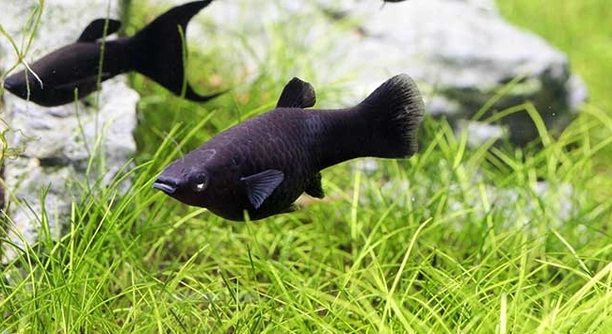
Keeping a Black Molly tank healthy requires attention to both water quality and fish behavior. Observing your fish closely can reveal early signs of stress or instability in the aquarium environment. Small changes often indicate larger problems.
Tank instability in Black Mollies is typically caused by poor water conditions, overcrowding, or inadequate diet. These factors can lead to stress, illness, and erratic behavior, which may compromise the fish’s overall health and the balance of the aquarium ecosystem.
Recognizing these warning signs early allows you to maintain a stable and thriving environment for your fish over the long term. Proper care ensures your tank remains healthy and vibrant.
Uneven Swimming Patterns
Black Mollies swimming erratically or struggling to maintain balance often signal tank instability. They may dart around quickly, float near the surface, or tip sideways. These behaviors usually indicate stress caused by poor water quality, sudden temperature changes, or inadequate oxygen levels. Observing your fish daily helps catch these issues before they escalate. Overcrowding can also amplify erratic movements, as fish compete for space and resources. Introducing new fish without proper acclimation can further disrupt their routine. Keeping decorations and plants in stable positions reduces sudden shifts that may startle them. Providing hiding spots allows fish to recover from stress. Maintaining consistent feeding schedules and avoiding overfeeding also supports stable behavior. Even subtle changes, like increased hiding or lethargy, are signs your tank needs attention. Monitoring pH, temperature, and ammonia levels regularly ensures the environment remains balanced. These small steps help your Black Mollies swim confidently and reduce stress-related health problems in the long term.
Erratic swimming is usually a direct response to stressors in the tank. Observing these patterns early helps prevent severe health issues.
Regular monitoring of swimming behavior provides valuable insight into overall tank health. By noting sudden changes, you can adjust water parameters or tank layout. Overcrowding and inconsistent feeding can trigger stress, while stable water conditions and proper nutrition promote calm, natural movements. Even small adjustments, such as adding plants or rearranging decorations, can significantly improve swimming behavior and reduce anxiety among Black Mollies. Over time, consistent care results in fish that swim confidently and interact naturally with their environment, enhancing both their health and the tank’s balance.
Cloudy or Discolored Water
Cloudy or murky water is a clear indicator of instability in a Black Molly tank. Suspended particles, bacterial blooms, and excess waste can reduce clarity. Poor filtration or overfeeding often causes these conditions. Ignoring this issue can lead to oxygen depletion, pH swings, and general stress for your fish. Even minor discoloration may signal that water chemistry is off balance. Regular water changes and testing for ammonia, nitrites, and nitrates help maintain a healthy environment. Algae growth can also contribute to water cloudiness if lighting is inconsistent or nutrient levels are high. Removing debris and maintaining the filtration system prevents waste buildup, keeping the tank clean. Monitoring water temperature alongside chemical levels ensures a stable environment. Introducing new fish should be done gradually to avoid sudden increases in waste production. Clear water is essential for Black Mollies to thrive and display natural behavior, making maintenance a key part of their care.
Cloudy water often points to excess waste and poor filtration. Regular testing and cleaning keep the tank stable and safe.
Maintaining water clarity requires a consistent routine of partial water changes and proper filtration. Overfeeding can accelerate cloudiness by increasing organic waste, which fuels bacterial growth. Testing chemical levels like ammonia, nitrites, and nitrates ensures that water conditions remain within safe ranges for Black Mollies. Managing lighting schedules helps control algae growth, preventing discoloration from overtaking the tank. Removing leftover food and decaying plant material reduces suspended particles and contributes to clearer water. Gradual acclimation of new fish prevents sudden spikes in waste, helping maintain stable water chemistry. Clear water supports healthy fish behavior, reduces stress, and creates an attractive tank environment. Over time, this routine builds a balanced ecosystem that encourages natural swimming patterns and vibrant coloration in Black Mollies, ultimately promoting long-term health and well-being.
Loss of Appetite
A sudden drop in feeding behavior often signals stress or illness. Black Mollies may ignore food entirely or nibble without fully eating. Consistent feeding schedules and balanced nutrition are important to restore their appetite and prevent long-term health issues.
Loss of appetite in Black Mollies is frequently linked to water quality problems, sudden temperature changes, or overcrowding. Stress caused by poor tank conditions suppresses feeding behavior and can weaken the immune system. Nutritional deficiencies also contribute, so providing high-quality, varied food is essential. Observing feeding patterns daily allows quick identification of changes and early intervention. Maintaining clean water, proper filtration, and stable temperature helps reduce stress, encouraging normal feeding habits and supporting overall health.
Sometimes, appetite issues stem from social dynamics within the tank. Aggressive or dominant fish may intimidate others, making them hesitant to eat. Ensuring sufficient space and multiple feeding areas helps all fish access food. Introducing new diets gradually also prevents digestive upset. By addressing environmental and social factors, you can restore normal feeding behavior and support long-term vitality in your Black Mollies.
Sudden Hiding Behavior
Frequent hiding can indicate fear, illness, or discomfort in the tank. Black Mollies may seek shelter more often when stressed or unstable conditions are present. Providing safe spaces is essential to reduce tension.
Excessive hiding often results from poor water conditions, aggressive tank mates, or sudden changes in lighting and temperature. Fish retreat to avoid stress or perceived threats, which can impact feeding and social interaction. Monitoring water parameters, ensuring peaceful tank companions, and keeping lighting consistent helps reduce hiding. Hiding can also signal health issues like parasites or infections, which require prompt attention. Observing patterns helps identify causes and apply proper care.
Creating a secure environment with plants, rocks, and decorations allows Black Mollies to feel safe while maintaining natural behavior. Overcrowding can increase hiding, so maintaining appropriate stocking levels is important. Gradual introduction of new fish prevents sudden stress, while clean water and stable temperature further encourage exploration and normal activity. Addressing both environmental and social factors ensures fish spend more time swimming freely, feeding properly, and interacting naturally, supporting overall health and well-being.
Faded Color
Black Mollies losing their vibrant coloration often signal stress or poor water conditions. Dull or faded colors can indicate nutritional deficiencies, illness, or prolonged exposure to unstable tank environments. Monitoring diet and water quality is key to restoring their natural hues.
Color fading may also result from aggressive tank mates or overcrowding. Fish under constant stress will display less vibrant colors. Providing a calm environment, proper nutrition, and regular water changes helps Black Mollies regain their normal coloration over time.
Gasping at the Surface
Gasping near the water surface is often a sign of low oxygen levels. Black Mollies may struggle to breathe properly if the tank lacks sufficient aeration or water movement. Proper filtration and occasional water agitation improve oxygen circulation and fish health.
Clamped Fins
Clamped fins, where the fins stay close to the body, indicate stress or illness. This behavior often appears alongside lethargy, loss of appetite, or other signs of discomfort. Maintaining clean water, balanced nutrition, and stable tank conditions helps prevent fin clamping and supports overall fish health.
What causes tank instability in Black Mollies?
Tank instability is usually caused by poor water quality, overcrowding, sudden temperature changes, or inconsistent feeding. High ammonia, nitrite, or nitrate levels stress fish and disrupt their behavior. Introducing new fish too quickly or overfeeding can also destabilize the tank. Regular water testing and proper tank management prevent these issues.
How can I tell if my Black Mollies are stressed?
Signs of stress include erratic swimming, clamped fins, faded colors, hiding, loss of appetite, and gasping at the surface. Stress can result from water problems, aggressive tank mates, or lack of hiding spaces. Observing your fish daily allows early detection and intervention.
What are the main water parameters to monitor?
Ammonia, nitrite, nitrate, pH, and temperature are key. Black Mollies prefer slightly alkaline water with stable temperatures. Fluctuations in these parameters often lead to illness or abnormal behavior. Using test kits and making gradual adjustments maintains a stable environment.
How often should I change the water?
Partial water changes of 20-30% weekly help remove waste, control nitrate levels, and maintain clarity. Avoid full changes unless necessary, as sudden shifts can shock fish. Consistency supports overall tank stability and keeps your Black Mollies healthy.
Can diet affect tank stability?
Yes. Poor nutrition weakens immune systems and contributes to stress, making fish more sensitive to environmental changes. Feed high-quality flakes, frozen, or live foods in controlled amounts. Avoid overfeeding to prevent water quality issues that lead to instability.
Why are my Black Mollies hiding so much?
Excessive hiding can indicate stress, aggression from other fish, poor water conditions, or illness. Providing plants, decorations, and proper tank space reduces hiding. Monitoring water parameters and social interactions helps identify the root cause.
What should I do if I notice faded colors?
Faded coloration often signals stress, illness, or poor nutrition. Ensure the tank environment is stable, water parameters are correct, and the fish receive a balanced diet. Healthy conditions allow colors to return naturally over time.
How do I prevent gasping at the surface?
Gasping is usually caused by low oxygen or poor water circulation. Adding an air stone, increasing filtration, or slightly agitating the water surface improves oxygen levels. Proper plant placement and avoiding overcrowding also help maintain oxygen balance.
Can tank decorations impact Black Molly behavior?
Yes. Plants, rocks, and hiding spots provide security and reduce stress. However, sudden rearrangement can startle fish. Maintaining consistent decoration placement while providing enough space for swimming supports natural behavior and reduces instability.
Is it safe to add new fish to a Black Molly tank?
Introducing new fish gradually is safest. Acclimate them slowly and monitor behavior to prevent aggression or stress. Quarantining new fish before adding them reduces the risk of disease and helps maintain a stable, healthy tank environment.
How do I know if my tank filtration is adequate?
A proper filter should maintain clear water, circulate effectively, and support biological filtration. Poor filtration can lead to cloudy water, high ammonia, and stressed fish. Regular cleaning and checking flow rates ensures the tank remains stable and safe for Black Mollies.
What steps can I take to restore stability quickly?
Identify the issue—water quality, temperature, overcrowding, or disease. Perform partial water changes, check filtration, adjust tank mates, and monitor feeding. Gradually correcting these factors helps restore a stable environment, reduces stress, and encourages natural behavior in your Black Mollies.
Can stress lead to illness in Black Mollies?
Yes. Stress weakens the immune system, making fish more vulnerable to infections, parasites, and fin rot. Maintaining stable water conditions, proper nutrition, and a calm tank environment reduces stress and supports long-term health.
How important is daily observation?
Daily monitoring helps detect early signs of instability, stress, or illness. Small behavioral changes like hiding, erratic swimming, or loss of appetite often precede more serious problems. Consistent observation allows quick intervention to maintain a healthy tank.
What long-term practices keep a Black Molly tank stable?
Regular water testing, consistent feeding, maintaining proper filtration, avoiding overcrowding, and providing hiding spots are essential. Gradual introduction of new fish and monitoring behavior ensure ongoing stability. Following these practices reduces stress and supports the overall well-being of your Black Mollies.
This FAQ section provides actionable insights to help maintain a stable, healthy tank environment for Black Mollies, ensuring their behavior, appearance, and longevity remain optimal.
Maintaining a stable environment for Black Mollies is essential for their health and well-being. These fish are sensitive to changes in water quality, temperature, and tank conditions. Even small imbalances can lead to stress, illness, and abnormal behavior. Observing your fish daily and keeping an eye on their swimming patterns, appetite, and coloration provides early indicators of potential problems. Addressing these issues quickly helps prevent long-term damage and ensures that your tank remains a safe space for your fish. Consistency in care is more important than occasional intensive maintenance. A tank with stable conditions allows Black Mollies to thrive, display natural behaviors, and maintain their vibrant colors. Over time, this stability creates a balanced ecosystem where fish, plants, and beneficial bacteria coexist, making it easier to manage the aquarium and enjoy its appearance.
Water quality is one of the most critical factors in tank stability. Testing regularly for ammonia, nitrites, nitrates, and pH helps prevent harmful spikes that could stress or harm your fish. Performing partial water changes on a weekly basis removes excess waste and maintains clarity. Filtration should be appropriate for the tank size and cleaned as needed to ensure proper circulation and oxygenation. Overfeeding is a common cause of instability, as uneaten food decomposes and contributes to harmful chemical buildup. Feeding small, controlled portions and removing leftovers can significantly improve water quality. The combination of regular testing, proper feeding, and good filtration forms the foundation of a stable environment. Paying attention to these details consistently reduces the likelihood of problems such as cloudy water, faded colors, and stressed behavior, making your aquarium healthier for everyone living inside it.
Behavioral cues are equally important in maintaining tank stability. Signs like clamped fins, hiding, gasping at the surface, and erratic swimming indicate that the fish are experiencing stress or discomfort. Observing these behaviors can guide you in identifying and addressing environmental or social issues before they escalate. Providing adequate hiding spaces, a balanced diet, and sufficient swimming area helps reduce stress and encourages natural behaviors. Gradual introduction of new fish prevents sudden changes that could destabilize the tank, while careful monitoring of interactions between fish reduces aggression. Over time, maintaining stable water parameters, a consistent routine, and attention to behavior creates an environment where Black Mollies feel secure and healthy. The overall approach is simple but requires diligence: focus on consistency, cleanliness, and observation, and your fish will benefit from a calm, thriving tank for years to come.

Hello,
If you enjoy the content that we create, please consider saying a "Thank You!" by leaving a tip.
Every little bit helps us continue crafting quality advice that supports the health, happiness, and well-being of pets around the world, for pets of all shapes, sizes, and species.
We really appreciate the kindness and support that you show us!