
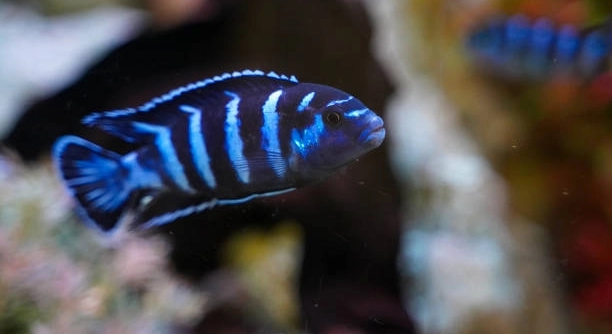
Cichlids are popular aquarium fish known for their bright colors and interesting behaviors. Keeping them healthy requires understanding what causes them stress in their environment. Many factors can affect their well-being in unexpected ways.
Stress in cichlids can be caused by a variety of surprising factors such as improper water quality, overcrowding, sudden changes in their environment, poor diet, lack of hiding spots, aggressive tank mates, and excessive noise or vibrations. These stressors negatively impact their health and behavior.
Recognizing these hidden causes is essential for maintaining a peaceful and healthy tank for your cichlids. The following points will explain each factor clearly and simply.
Improper Water Quality
Water quality is one of the most critical factors affecting cichlid stress. Poor water conditions can quickly lead to health problems. Parameters like pH, ammonia, nitrite, and nitrate levels need to be carefully monitored and kept stable. Sudden changes or toxic levels make fish uncomfortable and vulnerable to disease. Regular water changes and filtration maintenance are essential to keep the water clean. Temperature also plays a big role; cichlids need a consistent, suitable temperature to thrive. Neglecting any of these factors causes chronic stress, which weakens their immune system. It is easy to overlook water quality because it looks clear, but invisible toxins can harm your fish. Using test kits regularly helps catch problems early. This creates a safe environment that supports their natural behavior and growth. Keeping water quality in check not only reduces stress but also enhances the colors and activity of your cichlids.
Testing water weekly and doing partial water changes help maintain stable conditions for cichlids.
Cichlids respond well to stable water parameters because they are sensitive to changes. Frequent fluctuations in pH or ammonia spikes can cause erratic swimming, loss of appetite, or hiding. Clean, well-oxygenated water helps reduce these symptoms. Filtration systems that combine mechanical, chemical, and biological filtration work best to keep toxins low. It’s important to avoid overfeeding, which increases waste and affects water quality. Observing your fish’s behavior alongside water tests will give a clearer picture of their well-being. Maintaining consistent water conditions will prevent many health issues and create a comfortable space where cichlids can flourish.
Overcrowding and Aggression
Overcrowding increases stress by creating competition for space and resources. Cichlids are territorial, and when too many share a tank, fights often occur. Aggression leads to injury, stress, and poor health, reducing their lifespan. It’s important to provide enough space and hiding spots to lessen tensions. Each species has specific space requirements, so researching their needs is necessary before stocking. Overcrowded tanks also have worsened water quality, further adding to stress.
Proper tank size and suitable groupings reduce aggressive behavior and help maintain harmony.
Creating territories with rocks, plants, and caves can prevent constant confrontations. Separating overly aggressive individuals or using dividers also helps. A balanced number of fish per tank volume and compatible species choices are key. Overcrowding disrupts natural behaviors and causes chronic stress, which weakens immunity and growth. Regularly monitoring your tank’s population and fish interactions can prevent these problems. A calm environment allows cichlids to display their natural colors and personalities, making the aquarium more enjoyable for both fish and keeper.
Sudden Environmental Changes
Sudden changes in water temperature, lighting, or decorations can stress cichlids quickly. They rely on stable conditions to feel secure and adjust slowly.
Even small shifts can make fish nervous, causing hiding or erratic swimming. Changing tank setups abruptly disrupts their routine. Lighting that is too bright or sudden darkening may trigger stress responses. Cichlids adapt best when changes happen gradually, allowing them time to adjust. This includes introducing new plants, rocks, or rearranging caves. Rushing these changes can cause prolonged anxiety and affect their immune system. Monitoring behavior after any adjustment helps identify if fish are coping well. Keeping a consistent environment supports their health and natural behavior.
Water temperature shifts are especially critical. Sudden drops or spikes can cause shock, weakening their defenses. Using heaters with thermostats and avoiding rapid temperature swings are important. A stable environment makes cichlids more comfortable and less prone to illness.
Poor Diet and Nutrition
A diet lacking in variety and proper nutrients directly stresses cichlids. Feeding only one type of food can lead to deficiencies and weaken their health. Cichlids require a mix of protein, vitamins, and minerals to stay strong and vibrant. High-quality pellets or flakes should be supplemented with occasional live or frozen foods. Overfeeding or underfeeding also causes problems, leading to obesity or malnutrition. Adjusting feeding amounts to fish size and activity helps maintain proper nutrition.
A balanced diet supports immune function and reduces susceptibility to diseases, lowering stress levels. Feeding routines create a sense of normalcy, making fish less anxious. Varying food types and observing fish appetite ensures their needs are met. Avoid foods with excessive fillers or additives, which may harm digestion. Nutritional care is a vital part of preventing stress and promoting overall well-being.
Poor nutrition can cause lethargy, faded colors, and increased vulnerability to illness. Proper feeding practices help cichlids thrive and display their natural behaviors.
Lack of Hiding Spots
Cichlids need places to retreat when they feel threatened or stressed. Without enough hiding spots, they become anxious and restless.
Providing caves, plants, and decorations helps them feel secure. This reduces aggression and gives shy fish a break from tankmates.
Aggressive Tank Mates
Some fish species do not get along well with cichlids. Aggressive or overly active tank mates can cause constant stress and injury. Careful selection of compatible species is essential to prevent conflicts. Avoid mixing cichlids with fish that have very different temperaments or space needs.
Excessive Noise and Vibrations
Loud noises or vibrations near the aquarium cause stress in cichlids. They are sensitive to disturbances outside their tank. Keeping the tank in a quiet, stable area helps maintain a calm environment.
Overfeeding
Overfeeding increases waste in the tank, leading to poor water quality. This worsens stress and health problems for cichlids. Feeding small amounts at regular intervals supports their well-being.
FAQ
What are the most common signs of stress in cichlids?
Stress in cichlids often shows through changes in behavior and appearance. Common signs include hiding more than usual, loss of appetite, erratic swimming, and faded colors. Some may also show rapid gill movement or cling to tank surfaces. Watching your fish daily helps catch stress early before it leads to illness.
How often should I test my aquarium water?
Testing water weekly is a good practice to maintain stable conditions. Key parameters include ammonia, nitrite, nitrate, and pH. Frequent testing helps detect problems before they harm your cichlids. If you notice any stress signs, test water immediately. Regular maintenance keeps your tank safe and comfortable.
Can I keep multiple cichlid species together?
Mixing cichlid species is possible but requires careful research. Some species are highly territorial and aggressive toward others. Choosing species with similar temperaments and space needs helps reduce conflicts. Providing enough hiding spots and a large tank is crucial. Monitoring their behavior regularly will help you spot any aggression early.
How do I introduce new fish to my cichlid tank?
Introduce new fish slowly and carefully. Quarantine new arrivals in a separate tank for two weeks to prevent disease spread. When adding them to the main tank, rearrange decorations beforehand to disrupt existing territories. This helps reduce aggression toward newcomers. Observe all fish closely for signs of stress or bullying.
What kind of diet is best for cichlids?
A varied diet with high-quality pellets, flakes, and occasional live or frozen foods is ideal. Protein-rich foods like brine shrimp or bloodworms support growth and color. Avoid overfeeding, as leftover food harms water quality. Feed small portions once or twice daily to maintain health and reduce stress.
How can I prevent aggression in my cichlid tank?
To reduce aggression, avoid overcrowding and provide plenty of hiding places. Choose compatible species and keep similar sizes together. Rearranging the tank layout occasionally helps break established territories. Using dividers or separate tanks for particularly aggressive fish can also maintain peace.
What temperature should my cichlid tank be?
Most cichlids thrive between 75 and 82°F (24 to 28°C). Keep the temperature stable using a reliable heater and thermometer. Sudden changes can stress fish, so avoid placing the tank near drafts or heat sources. Maintaining the right temperature supports their immune system and overall well-being.
How often should I clean my cichlid tank?
Partial water changes of 20-30% every one to two weeks are recommended. Cleaning the substrate and removing uneaten food prevents toxin buildup. Avoid over-cleaning filters as beneficial bacteria live there. Maintaining cleanliness without disturbing the tank’s balance helps keep cichlids healthy.
Can cichlids live with other types of fish?
Some cichlids can live with other peaceful fish, but many are territorial and aggressive. It’s important to research compatibility before mixing species. Small, slow-moving fish may become targets. Keeping the tank large and providing hiding spots can reduce stress in mixed communities.
What should I do if my cichlid is stressed?
First, check water quality and correct any issues immediately. Ensure the tank is not overcrowded and provide additional hiding spots. Review diet and feeding habits for proper nutrition. Reducing sudden changes in the environment also helps. If stress continues, consider isolating the fish for observation and treatment.
Final Thoughts
Understanding the various factors that cause stress in cichlids is essential for keeping them healthy and happy. Stress can come from many sources, including water quality, overcrowding, diet, and sudden changes in their environment. Each of these elements affects the fish differently, but all can lead to weakened immune systems and poor behavior if not addressed. Taking time to learn about these causes helps create a better living space for your cichlids. Regular care and attention prevent many common problems and support their natural needs.
Maintaining stable water conditions is one of the most important steps. Water parameters such as pH, temperature, ammonia, nitrite, and nitrate levels must be monitored regularly. Small changes can add up and cause stress over time. It is also important to avoid overcrowding and aggression by choosing the right tank mates and providing enough space. Adding hiding spots like plants and caves offers cichlids places to feel safe, which lowers stress. Feeding a balanced and varied diet supports their health and prevents problems related to poor nutrition. When these factors are managed well, cichlids show more vibrant colors and natural behaviors.
Finally, being observant of your fish’s behavior helps catch signs of stress early. Changes such as hiding more than usual, loss of appetite, or erratic swimming should prompt checking the tank’s conditions. Keeping the environment calm and stable reduces stress and helps cichlids thrive. Making gradual changes instead of sudden ones allows them to adjust more easily. By focusing on these simple but important care habits, you can enjoy watching your cichlids grow strong and display their unique personalities. Consistent effort and good tank management are key to their long-term well-being.

Hello,
If you enjoy the content that we create, please consider saying a "Thank You!" by leaving a tip.
Every little bit helps us continue crafting quality advice that supports the health, happiness, and well-being of pets around the world, for pets of all shapes, sizes, and species.
We really appreciate the kindness and support that you show us!