
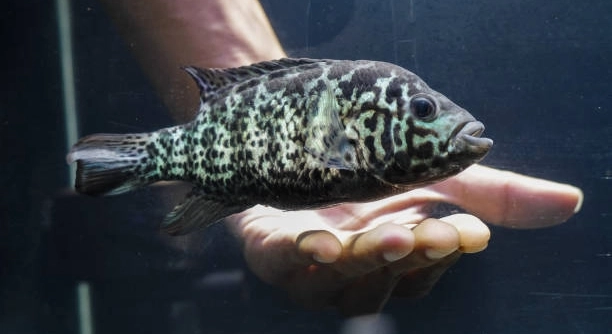
Have you ever noticed your Jack Dempsey fish constantly moving substrate around in the tank? Their energetic digging can be surprising, especially when the aquarium seems clean and comfortable, leaving many fish owners intrigued by this persistent behavior.
Jack Dempsey fish dig continuously due to instincts related to territory defense, nesting, foraging, and environmental exploration. Factors such as stress, breeding cycles, and substrate type further influence their behavior, prompting frequent rearrangement of tank surroundings.
Observing these patterns helps improve tank care and ensures the fish remain healthy while supporting their natural behaviors in a controlled environment.
Nesting and Territory Behavior
Jack Dempsey fish are naturally territorial, and digging helps them establish and protect their space. In both home aquariums and the wild, they move substrate to create clear boundaries. This behavior is strongest in males, especially during breeding seasons. Digging also allows them to construct nests where they can lay eggs safely. Even without a mate present, these fish continue to dig, reinforcing their dominance in the tank. By constantly rearranging the substrate, they feel more secure and in control of their environment. Observing this behavior closely reveals patterns, such as the repetition of specific digging areas and the careful selection of substrate types. Tank decorations, plants, or rocks are often moved repeatedly, as these fish prefer open areas for nesting. Over time, consistent digging may shape the entire layout of the aquarium, reflecting the fish’s natural instincts. Recognizing these behaviors can help aquarists provide a more suitable environment that meets their fish’s needs.
This behavior is essential for breeding and stress reduction. It ensures that the fish have a safe space to establish dominance and protect eggs.
Providing a soft, sandy substrate and some open areas helps Jack Dempsey fish feel comfortable while minimizing excessive disturbance of decorations. These fish are highly interactive with their environment, often moving gravel, small stones, or plants. Males will spend long periods maintaining and deepening their nests, even in tanks without females. This instinctual digging is tied to reproductive cycles and ensures the eggs remain safe from shifting water currents. Female Jack Dempseys may also dig, though less aggressively, often assisting in clearing nest areas. Regular observation can reveal which fish are nesting and how much space they need, allowing aquarists to adjust tank arrangements. Understanding the nesting behavior reduces stress and promotes natural activity, making the aquarium more balanced and visually engaging. Recognizing these patterns also helps prevent misinterpretation of digging as destructive behavior rather than instinctual activity. Overall, providing the right environment supports the fish’s health and encourages natural behaviors.
Foraging and Feeding Habits
Jack Dempsey fish often dig to uncover food hidden in the substrate.
These fish naturally forage by moving sand, gravel, and small rocks to find edible material. In aquariums, uneaten pellets, live food, or small insects may trigger this instinct. By digging, they simulate hunting behaviors they would use in the wild. Even if food is readily available on the surface, this activity satisfies their need to search and interact with the environment.
Foraging behavior is an important outlet for energy and mental stimulation. Regularly hiding small amounts of food or live prey encourages this natural behavior, preventing boredom and stress. Digging in search of food also helps maintain healthy activity levels, as Jack Dempsey fish are active and energetic. Some fish may uproot plants or disturb decorations while foraging, reflecting their instinct to inspect the entire area thoroughly. By understanding these tendencies, aquarists can structure feeding routines that promote natural behaviors while protecting plants and tank layout. Encouraging foraging with scattered food or specialized feeding areas allows the fish to satisfy their instincts and maintain physical health. Observing how they approach foraging provides insight into their energy levels, preferences, and overall well-being. Over time, this behavior can become a consistent, predictable part of their daily activity, offering both engagement and environmental enrichment. It also highlights the importance of substrate type, as softer sand or fine gravel makes digging easier and safer for the fish.
Stress and Environmental Factors
Jack Dempsey fish often dig when they feel stressed or unsettled. Changes in water quality, temperature, or tank layout can trigger this behavior. Digging allows them to explore and create a sense of control, helping to reduce anxiety and feel secure in their surroundings.
Stress-related digging can become frequent if the tank environment does not meet the fish’s needs. Poor water conditions, sudden changes in lighting, or overcrowding can heighten this behavior. Even minor disturbances, such as moving decorations or adding new fish, may prompt repeated substrate rearrangement. Providing stable water parameters, adequate hiding spots, and consistent tank routines helps minimize stress-induced digging. Observing the frequency and intensity of digging offers insight into the fish’s comfort levels. Some fish may dig excessively when stressed, uprooting plants or shifting gravel, while calmer fish will dig only occasionally. Recognizing these signs early allows adjustments that improve overall well-being and reduce destructive tendencies.
Environmental enrichment can help manage stress and redirect digging. Adding smooth rocks, hiding areas, and soft substrate lets Jack Dempsey fish engage naturally without damaging plants or decor. Maintaining water quality, stable temperatures, and predictable routines creates a safer and more comfortable habitat. Stress is often subtle, and careful observation of digging patterns reveals when the fish may need adjustments. Providing enrichment not only reduces anxiety but also encourages natural behaviors like foraging and nesting. Over time, a well-structured environment leads to calmer, healthier fish while still allowing them to express instinctual behaviors through digging. Regular attention to these factors ensures their mental and physical needs are met consistently.
Breeding and Reproductive Behavior
During breeding periods, Jack Dempsey fish dig extensively to prepare nests and secure territory. This digging is more pronounced in males but may involve females helping or inspecting nest areas.
Breeding behavior drives frequent substrate movement as males clear areas, create depressions, and remove debris to protect future eggs. The nest area is often revisited multiple times, deepening or widening the depression for optimal egg safety. These activities are natural and indicate readiness for reproduction. Females may assist by inspecting the nest or moving small items nearby. Recognizing breeding digging helps aquarists differentiate reproductive instincts from general environmental rearrangement. Providing appropriate substrate and some open space supports natural reproduction while minimizing disturbance to other tank areas.
Proper preparation for breeding involves offering soft sand or fine gravel, stable water conditions, and sufficient open space. Males become highly focused on nest maintenance, sometimes spending hours digging and rearranging, which is essential for their reproductive success. Females typically observe and choose suitable nesting sites, occasionally assisting by clearing small debris. Monitoring this behavior helps aquarists identify readiness to spawn and manage tank dynamics effectively. Removing aggressive interactions or overcrowding during this period prevents stress and ensures both partners can complete natural behaviors. Breeding-related digging also serves as mental and physical stimulation, keeping the fish active and engaged while maintaining instincts. Providing suitable nesting conditions and minimal disruption supports reproductive health and encourages successful spawning.
Substrate Preferences
Jack Dempsey fish often dig to test or rearrange the substrate in their tank. They prefer soft sand or fine gravel, which is easier to move and shape for nesting or foraging.
Rough or sharp substrate can discourage digging and may even harm their delicate mouths. Choosing a soft, natural substrate allows the fish to express natural behaviors safely. Observing how they interact with different textures helps determine the most suitable material for long-term tank comfort.
Exploration and Curiosity
Digging also serves as a way for Jack Dempsey fish to explore their surroundings. Moving substrate uncovers hidden areas, small objects, or potential shelter spots. This behavior reflects their natural curiosity and helps them stay engaged in the environment.
Social Dynamics
Interactions with other fish can influence digging. Dominant individuals dig to assert territory, while others may follow or avoid disturbed areas to respect hierarchy. This behavior establishes social order within the tank and reduces potential conflicts.
FAQ
Why does my Jack Dempsey fish dig constantly even when the tank is clean?
Jack Dempsey fish dig as part of their natural behavior, regardless of tank cleanliness. Digging is linked to instincts like territory establishment, foraging, and nesting. Even in a well-maintained aquarium, these fish may move substrate to feel secure and engage with their environment. Observing patterns in digging can help identify if it is purely instinctual or influenced by environmental stressors.
Is it normal for both males and females to dig?
Yes, both sexes dig, though males usually dig more aggressively. Males primarily prepare nests for breeding and defend territory. Females may dig to inspect nests, assist in clearing debris, or explore the substrate for food. Understanding these differences helps differentiate normal behavior from signs of stress or discomfort.
Can digging harm the fish or the tank setup?
If the substrate is soft and decorations are stable, digging generally does not harm the fish. Problems arise when sharp gravel, unstable rocks, or fragile plants are used. These can injure the fish or lead to damaged tank decorations. Providing soft sand and secure décor prevents accidents while allowing natural behaviors.
Does digging indicate stress or poor water conditions?
Excessive digging can be a sign of stress. Sudden changes in water parameters, overcrowding, or frequent disturbances may increase digging frequency. Ensuring stable water temperature, pH, and clean filters reduces stress and helps the fish feel secure. Observing behavioral changes alongside digging can clarify whether it is instinctual or stress-related.
How does digging relate to breeding?
During breeding periods, digging is intensified, especially by males creating nests. Nests are dug to secure a safe space for eggs and to assert dominance. Females may also engage in minor digging while inspecting nests. Recognizing breeding-related digging allows aquarists to support reproduction without unnecessary interference.
Should I rearrange the tank to reduce digging?
Frequent rearrangement can increase stress and lead to more digging. Jack Dempsey fish are territorial and prefer stable environments. Instead of constantly changing the layout, provide open spaces for digging and soft substrate that supports natural behaviors. Minimal disturbance encourages healthier activity and reduces aggressive digging.
How can I provide enrichment without triggering destructive digging?
Enrichment is important for mental and physical stimulation. Offering smooth rocks, hiding spaces, and scattered food encourages foraging without excessive disruption. Hiding small amounts of food in substrate or using floating feeding areas lets the fish engage in instinctual digging safely, protecting plants and décor.
Can other fish in the tank influence digging behavior?
Yes, social dynamics play a role. Dominant Jack Dempseys may dig to assert territory, while less dominant fish either avoid the area or mimic digging in smaller amounts. Proper spacing and observation prevent conflicts and ensure each fish can express natural behaviors without excessive stress.
How do I know if digging is excessive or harmful?
Excessive digging is usually aggressive, continuous, or damaging to tank décor. Healthy digging is intermittent, purposeful, and allows the fish to interact safely with their environment. Monitoring patterns, substrate condition, and the fish’s health helps determine if intervention is needed. Adjustments in tank setup or enrichment can reduce harmful behaviors.
Can digging be redirected in a safe way?
Yes, providing specific areas with soft sand or designated digging zones encourages natural behavior in controlled spaces. Using live plants with protective pots or smooth decorations also allows interaction without damage. Redirecting digging supports mental stimulation and keeps the tank organized.
Does digging affect tank cleanliness?
Digging may stir up debris and uneaten food, which can temporarily cloud the water. Regular siphoning, filtration, and careful feeding prevent long-term cleanliness issues. Accepting that some substrate movement is normal helps maintain realistic expectations for tank management.
How long will digging behavior continue?
Digging is a lifelong instinct for Jack Dempsey fish. Frequency may decrease after breeding seasons or once territorial boundaries are established. While some fish remain highly active throughout their life, providing suitable substrate, enrichment, and stable conditions ensures safe expression of these natural behaviors.
Are there substrate types that discourage digging?
Coarser gravel or sharp rocks can reduce digging but may risk injuring the fish. A better approach is to use soft sand or fine gravel, providing safe substrate while guiding digging to less disruptive areas. Combining substrate choice with enrichment zones balances safety and instinctual activity.
Can digging be a sign of illness?
Occasionally, abnormal digging patterns may indicate illness, discomfort, or parasites. Symptoms like lethargy, loss of appetite, or unusual coloration alongside digging should prompt water testing and health checks. Maintaining water quality and monitoring behavior ensures early detection of potential issues.
Does tank size affect digging behavior?
Yes, smaller tanks can increase territorial stress and encourage more frequent digging. Larger tanks give Jack Dempsey fish space to express natural behaviors while minimizing conflicts. Adequate room, hiding spots, and open substrate areas allow safe digging without constant interference with other tank elements.
How can I balance natural digging with tank aesthetics?
Plan areas for safe substrate movement, protect delicate plants with pots, and anchor decorations. Accepting some rearrangement as normal helps preserve tank health. By combining soft substrate, enrichment, and careful decoration placement, the fish can dig naturally without compromising the overall look or safety of the aquarium.
Can feeding habits influence digging frequency?
Yes, Jack Dempsey fish dig to forage even when food is available. Scattering food or using live prey encourages controlled digging and satisfies natural instincts. Overfeeding or placing food only on the surface may reduce activity, while strategic feeding promotes engagement with the substrate safely.
Does lighting or tank environment affect digging?
Lighting changes and environmental disturbances can increase digging. Bright or inconsistent light may cause stress, prompting more substrate movement. Providing a stable day-night cycle, dimmed lighting, and minimal sudden changes helps regulate behavior, allowing digging to remain instinctual rather than stress-induced.
Is digging harmful to plants in a planted aquarium?
Plants with strong roots may withstand digging, but delicate species can be uprooted. Using pots, rock barriers, or planting in dense areas reduces damage. Encouraging natural behaviors while protecting vulnerable plants ensures both healthy fish activity and a maintained aquascape.
How can I track and manage digging patterns?
Keep a log of digging frequency, locations, and intensity. Note changes during feeding, breeding, or environmental adjustments. Observing trends helps identify causes, whether instinctual, social, or stress-related. This information guides tank management, substrate choice, and enrichment strategies, ensuring a balanced habitat for Jack Dempsey fish.
Can digging ever stop completely?
No, digging is a natural, lifelong behavior. Frequency may vary with age, breeding status, and tank conditions, but it rarely ceases entirely. Providing safe substrate, enrichment, and stable environments ensures the behavior is expressed safely, supporting physical activity and mental engagement throughout the fish’s life.
What are signs that digging is becoming problematic?
Signs include constant substrate upheaval, damage to décor or plants, and aggressive interactions. Excessive digging that disrupts tank layout or causes injury requires adjustments. Monitoring intensity and providing enrichment or designated digging zones can reduce risks while allowing the fish to engage naturally.
Can multiple Jack Dempsey fish coexist without excessive digging conflicts?
Yes, if the tank is large enough and territories are clearly established. Providing hiding spaces, open substrate areas, and sufficient room reduces competition and allows multiple fish to dig without constant interference or stress. Observing social behavior helps maintain harmony and natural activity patterns.
Does water flow impact digging?
Strong currents may influence digging behavior, as fish move substrate to create calmer areas. Gentle filtration and minimal turbulence in digging zones allow the fish to engage naturally without excessive effort or stress, promoting both comfort and instinctual activity.
How do I encourage healthy digging habits?
Provide soft substrate, open spaces, enrichment items, and stable tank conditions. Scattered food and designated digging zones guide natural behaviors safely. Avoid frequent tank rearrangements or stress-inducing changes. Observation and minor adjustments help maintain balanced, healthy digging patterns.
Can stress from other fish increase digging frequency?
Yes, aggressive tank mates or overcrowding can trigger more frequent digging as a coping mechanism. Ensuring compatible species, sufficient space, and hiding areas reduces stress-induced activity while supporting instinctual behaviors safely.
Is digging more common at certain times of day?
Jack Dempsey fish may dig more during daylight hours when active and exploring. Nighttime activity typically decreases, though some individuals remain active. Observing daily patterns helps anticipate substrate movement and manage tank layouts effectively.
Do Jack Dempsey fish ever dig for fun?
While instinct drives most digging, some fish appear to engage with the substrate beyond foraging or nesting. This playful exploration provides mental stimulation and satisfies natural curiosity, contributing to overall health and activity levels in the aquarium.
Can temperature changes affect digging?
Yes, sudden drops or increases in water temperature can cause stress, prompting more digging. Stable water parameters help regulate activity, ensuring digging remains natural and not a reaction to environmental fluctuations.
How can I prevent substrate from becoming too disrupted?
Use soft sand, anchor decorations, create designated digging zones, and protect plants with pots or barriers. Accept some movement as normal, and balance safety with natural behavior. Regular maintenance and observation keep the tank organized while allowing instinctual digging.
Are there tools or accessories to manage digging?
Decorative barriers, planted pots, and designated sand areas help contain substrate movement. Hiding spots reduce stress, and enrichment items encourage controlled interaction. These strategies allow Jack Dempsey fish to dig safely without compromising the tank’s stability or aesthetics.
Can digging patterns indicate health issues?
Yes, sudden increases, lethargy, or unusual intensity may signal illness or discomfort. Observing digging alongside appetite, coloration, and activity levels helps identify problems early and allows timely intervention for the fish’s well-being.
Does age affect digging frequency?
Younger fish tend to dig more as they explore and establish territory. Older fish may reduce intensity but continue instinctual behavior. Providing appropriate substrate and enrichment supports digging at all life stages while preventing excessive stress or damage.
Can digging behavior be minimized without harming instincts?
Yes, using soft substrate, enrichment areas, hiding spots, and controlled feeding encourages natural behavior in safe zones. Avoid constant tank rearrangements or stressors. This approach balances instinctual digging with a manageable and healthy tank environment.
How much space do Jack Dempsey fish need to dig safely?
Ample open substrate areas are essential. Small tanks may lead to conflicts and excessive digging. Providing enough space allows natural exploration, foraging, and nesting while minimizing stress and maintaining tank organization.
What signs show that digging is healthy?
Intermittent, purposeful substrate movement, engagement with enrichment, and normal activity levels indicate healthy digging. Fish remain alert, eat well, and interact normally with their environment, showing that instincts are expressed without stress or harm.
Can environmental changes reduce digging naturally?
Stable water parameters, consistent lighting, minimal disturbances, and proper enrichment reduce stress-related digging while allowing instinctual behaviors. Thoughtful tank design helps guide activity safely without suppressing natural instincts or energy.
Is it necessary to supervise digging behavior daily?
Regular observation helps identify excessive or problematic digging. Monitoring patterns allows adjustments in tank setup, enrichment, or social dynamics. Daily checks ensure the fish remain healthy and that substrate movement does not cause damage.
Does tank depth affect digging behavior?
Yes, shallow tanks may limit substrate movement and nest creation, while deeper tanks provide more opportunities for natural digging. Adequate depth supports instinctual behaviors and allows fish to maintain territory and engage with substrate safely.
Are Jack Dempsey fish the only cichlids that dig constantly?
No, many cichlid species display similar digging behaviors for territory, nesting, and foraging. Understanding the specific instincts of Jack Dempsey fish helps manage this activity in a way that respects their natural tendencies while maintaining tank order.
Can digging affect water clarity?
Yes, substrate movement can temporarily cloud water. Using gentle filtration and routine maintenance minimizes long-term effects. Accepting occasional turbidity as a normal result of instinctual digging keeps expectations realistic.
How do I know when to adjust tank layout for digging behavior?
When digging disrupts plants, decorations, or social interactions, adjustments are needed. Providing safe zones, protecting delicate items, and spacing territories ensures natural behavior without compromising tank stability or aesthetics.
Is it possible to reduce aggression through controlled digging areas?
Yes, designated substrate zones and hiding spots help establish territory without conflict. Allowing fish to express instincts safely reduces aggressive interactions while maintaining engagement and natural behaviors.
Do Jack Dempsey fish dig more during feeding or idle periods?
Digging often increases during feeding, especially when food is hidden in the substrate. Idle periods may also include exploratory digging. Structured feeding and enrichment help guide activity safely and maintain mental stimulation.
Can digging cause long-term tank damage?
If the substrate is soft and décor is secure, long-term damage is minimal. Problems arise with fragile decorations, delicate plants, or sharp gravel. Planning substrate and tank layout around digging behavior prevents damage while supporting natural instincts.
How do I balance multiple behaviors with tank aesthetics?
Create soft substrate zones, provide enrichment, anchor plants, and allow open areas. Accept minor rearrangements as natural, balancing instinctual behavior with a visually appealing, safe, and functional aquarium environment.
Are there signs that digging is decreasing naturally?
Reduction in intensity or frequency may occur after territory is established or breeding periods end. Fish remain active but less focused on moving substrate, showing that instincts are still present without constant disruption.
Can temperature, lighting, and enrichment work together to manage digging?
Yes, consistent environmental conditions combined with enrichment zones reduce stress-induced digging and allow instinctual behavior safely. Proper management ensures fish remain active, healthy, and engaged without harming tank setup.
How long should I expect digging behavior to last during breeding?
Digging peaks during nest preparation and egg-laying periods, often continuing until fry are free-swimming. After this stage, intensity decreases, but males may still maintain the nest for a while to protect territory.
Can substrate type influence nesting and foraging efficiency?
Soft, fine substrates support both nesting and foraging, allowing natural movement and protection of eggs. Coarse or sharp substrates may hinder digging, reduce activity, and increase risk of injury. Choosing appropriate materials ensures healthy behavior.
How can I distinguish between instinctual and stress-related digging?
Instinctual digging is purposeful, intermittent, and associated with territory, nesting, or foraging. Stress-related digging is more erratic, continuous, or accompanied by other stress signs. Observing context and patterns clarifies the cause and guides intervention.
Does tank size influence social digging behavior?
Yes, larger tanks reduce conflicts and allow multiple fish to dig without interference. Smaller tanks increase territorial competition, leading to more frequent and aggressive substrate movement. Adequate space supports natural instincts safely.
Can feeding scattered food reduce destructive digging?
Yes, scattering food encourages foraging while keeping substrate movement controlled. This method satisfies natural instincts without uprooting plants or damaging decorations, promoting healthy engagement with the environment.
Are Jack Dempsey fish more active in certain seasons?
Activity may increase during breeding seasons or warmer months. Digging intensity often rises as territorial and reproductive instincts are heightened. Adjusting tank conditions helps accommodate seasonal behavior naturally.
Is it necessary to separate aggressive diggers in community tanks?
Aggressive individuals may need separation or larger territories to reduce conflict. Providing hiding spots and open substrate zones helps manage aggression while allowing natural digging behaviors safely.
Can enrichment reduce boredom-related digging?
Yes, adding hiding spots, smooth rocks, and scattered food provides stimulation. Mental engagement through enrichment reduces idle, excessive digging while supporting instinctual activity.
How do I maintain a balance between natural behavior and tank aesthetics?
Provide soft substrate, enrichment zones, anchored plants, and open areas for digging. Accept minor rearrangements and monitor behavior to keep fish active and tank visually appealing. Proper planning ensures instincts are met without compromising appearance.
Does water flow impact digging patterns?
Gentle water flow encourages natural substrate movement while strong currents may discourage digging. Adjusting filtration and tank layout supports instinctual behavior safely and maintains comfort for Jack Dempsey fish.
Can digging be a sign of reproductive readiness?
Yes, intensified digging, nest preparation, and territorial behavior indicate reproductive readiness. Recognizing these patterns helps aquarists manage breeding conditions appropriately.
How do I support digging without damaging plants or décor?
Use pots for plants, smooth substrate, and designated digging zones. Protect delicate items and provide enrichment to channel natural behavior safely.
Are there long-term benefits to controlled digging?
Controlled digging promotes physical activity, mental stimulation, and natural instincts. It helps maintain healthy behavior, reduces stress, and supports reproductive readiness while keeping the tank organized.
Can multiple Jack Dempsey fish share substrate zones?
Yes, if territories are defined and space is sufficient. Providing multiple digging areas prevents conflict and ensures natural expression for all individuals.
Does feeding live food affect digging intensity?
Yes, live food encourages natural foraging and may increase digging temporarily. It satisfies instinctual hunting behavior while providing physical and mental stimulation.
Is digging intensity related to tank population density?
Higher population density can increase territorial digging. Providing ample space, hiding spots, and open substrate reduces conflict and allows healthy behavior.
Can water quality changes trigger sudden digging?
Yes, poor or fluctuating water quality may prompt digging as a stress response. Maintaining stable parameters ensures digging remains instinctual and safe.
How do I provide safe zones for digging?
Designate soft sand areas, anchor decorations, and protect plants. Offer open spaces for exploration, creating zones where Jack Dempsey fish can dig safely without disrupting the entire tank.
Can digging behavior be predicted?
Patterns emerge from observation. Daily routines, feeding times, breeding cycles, and social dynamics indicate when and how digging occurs. Monitoring these trends allows better tank management.
Does tank layout affect digging distribution?
Yes, open areas encourage natural digging while densely planted or heavily decorated sections may limit activity. Planning zones helps balance instincts and aesthetics.
Can excessive digging indicate aggression?
Excessive or targeted digging may signal territorial aggression. Monitoring interactions, providing multiple territories, and enrichment reduces conflicts and maintains safety.
Does digging affect oxygen levels in the tank?
Moderate digging has little effect. Excessive disturbance may temporarily stir sediment but does not significantly impact oxygen. Good filtration and aeration prevent issues.
Are there behavioral signs that digging is healthy?
Purposeful substrate movement, regular activity, normal feeding, and alertness indicate healthy digging. Fish remain engaged without harming themselves or the environment.
Can tank decorations be arranged to guide digging behavior?
Yes, placing rocks, plants in pots, and enrichment zones directs digging to safe areas, protecting delicate plants and decorations while supporting instinctual activity.
Does temperature stability influence digging patterns?
Stable temperatures reduce stress-related digging. Sudden changes may increase movement. Maintaining consistent water conditions ensures instinctual behavior remains controlled and safe.
**
Jack Dempsey fish are naturally active and curious, and digging is one of their most consistent behaviors. This activity is driven by instincts such as territory establishment, nesting, foraging, and general exploration. Even in a well-maintained aquarium, these fish will move substrate, rearrange decorations, and interact with their environment in ways that may seem excessive at first. Understanding that digging is a natural behavior helps aquarists see it as a normal part of their fish’s life rather than a problem. Providing the right substrate, such as soft sand or fine gravel, allows them to dig safely and reduces the risk of injury. Decorations and plants can be anchored or protected to prevent accidental damage, while open areas of substrate give the fish space to express these instincts freely. Observing how the fish dig can provide insight into their health, comfort level, and engagement with the tank, helping aquarists make informed adjustments.
Digging also serves as a form of enrichment for Jack Dempsey fish. It allows them to explore, forage for hidden food, and engage with their surroundings in a meaningful way. Without opportunities to dig, these fish may become bored or stressed, which can lead to behavioral issues or aggression. Providing scattered food, designated digging zones, and enrichment items such as smooth rocks or hiding spots helps satisfy their instincts while keeping the tank organized and safe. Social dynamics within the tank can also influence digging behavior, as dominant individuals may dig to assert territory while others avoid or mimic the activity. Recognizing these patterns allows aquarists to maintain a balanced environment where natural behaviors are expressed without disrupting other tank inhabitants. Stable water conditions, consistent lighting, and minimal sudden changes further support healthy digging, reducing stress-related activity and encouraging purposeful behavior. By observing the fish over time, aquarists can anticipate periods of increased activity, such as breeding seasons, and adjust the tank layout or enrichment accordingly.
Overall, Jack Dempsey fish digging is a natural and instinctual part of their behavior that should be expected and accommodated in any tank. While it can alter decorations or uproot plants, these effects are generally manageable with careful planning and observation. Understanding the reasons behind digging, such as nesting, foraging, stress management, and territorial behavior, allows aquarists to create a comfortable and stimulating environment. Providing appropriate substrate, enrichment, and space supports both physical activity and mental engagement. It also ensures that their instincts are expressed safely, promoting long-term health and well-being. Accepting digging as part of their nature and implementing strategies to accommodate it can lead to a more harmonious aquarium, where the fish remain active, healthy, and engaged. Over time, this approach allows aquarists to enjoy the vibrant behaviors and unique personalities of Jack Dempsey fish, while maintaining a tank that is organized, safe, and visually appealing. Observing their natural instincts not only enhances understanding of the species but also encourages responsible and informed aquarium care practices.

Hello,
If you enjoy the content that we create, please consider saying a "Thank You!" by leaving a tip.
Every little bit helps us continue crafting quality advice that supports the health, happiness, and well-being of pets around the world, for pets of all shapes, sizes, and species.
We really appreciate the kindness and support that you show us!