
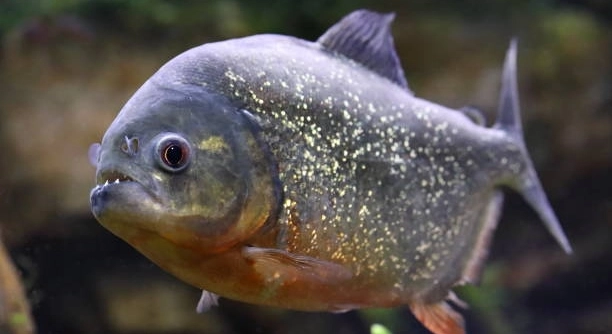
Piranhas are often seen as fierce fish, but they also have subtle ways of showing comfort. These behaviors can be quiet and easy to miss for many observers. Understanding them reveals a gentler side of these aquatic creatures.
Piranhas show comfort through actions like swimming calmly in groups, resting close to each other, and reducing aggressive displays. These signs indicate they feel safe and relaxed in their environment, reflecting social bonding and stress reduction.
Recognizing these small signals helps us appreciate the complex nature of piranha behavior beyond their sharp teeth and reputation.
Calm Group Swimming
When piranhas feel comfortable, they often swim together in calm, coordinated groups. This behavior is quite different from their usual fast and aggressive movements. Swimming slowly and closely in groups shows they trust each other and feel safe in their environment. It also helps reduce stress among the fish, as they rely on group safety. In calmer waters, this slow group swimming can be seen more often. It’s a sign that the piranhas are not on high alert or feeling threatened. Observing this behavior helps to understand their social nature beyond their fierce reputation. This calm swimming also aids in energy conservation and keeps the group together to avoid predators.
Group swimming in a calm manner is an important way piranhas show comfort and social connection.
When piranhas swim quietly together, it is a clear signal they are at ease and connected with their peers. This behavior indicates a peaceful moment in their daily routine.
Resting Close Together
Piranhas often rest close to one another when they feel secure. Unlike when they are stressed or hungry, they avoid aggressive posturing and keep their distance. Being physically near each other is a subtle sign of comfort and social bonding. It provides warmth and safety through numbers. When resting, piranhas might tuck themselves near rocks or vegetation but stay grouped rather than isolated. This closeness helps them feel protected from potential threats. It also allows them to respond quickly if danger appears, but in a relaxed state, their movements are slow and minimal. Resting together is a clear, low-energy way for piranhas to express comfort and trust.
When piranhas choose to rest close by, it reflects their peaceful state and social comfort.
Piranhas resting side by side show they feel calm and secure in their habitat. This quiet closeness helps maintain group stability and reduces tension among the fish. Their relaxed posture signals trust within the group and less need for defense. This behavior is a natural way to conserve energy while staying connected to their peers. Recognizing this resting habit highlights how these fish rely on each other for comfort and protection. It also challenges the common idea that piranhas are always aggressive, showing a softer, more social side. Observing piranhas in these moments provides insight into their daily rhythms and emotional states. Resting together is a small but important behavior that reveals much about their social bonds and environment.
Gentle Nibbling
Gentle nibbling is one way piranhas show comfort around each other. It’s different from their usual sharp biting and signals trust.
When piranhas nibble softly on each other, it’s a sign they feel safe and connected. This behavior can happen around the fins or sides and is not meant to hurt. It helps strengthen social bonds and reduce tension within the group. Gentle nibbling shows that the fish recognize each other and feel comfortable enough to interact closely without aggression.
This calm interaction contrasts with their usual feeding behavior. It serves as a way to communicate friendliness and maintain peaceful relations. Watching this gentle nibbling reveals how piranhas can be caring in their own way, which is often overlooked because of their fierce reputation. It highlights a social side where they use touch to show comfort and trust.
Reduced Aggression
Piranhas reduce aggressive behavior when they feel comfortable and secure. This means fewer bites, chases, and displays of dominance.
Lower aggression helps keep the group stable and less stressed. When the environment is calm and food is available, piranhas do not need to compete aggressively. They swim more peacefully and allow others to share space without conflict. This relaxed atmosphere promotes group cohesion and shows that the fish feel safe. It also allows energy to be used for growth and rest instead of constant fighting.
Reduced aggression is a clear sign of comfort and trust among piranhas. It allows them to focus on social interactions and daily activities without fear. Observing this change in behavior gives insight into their emotional state and group dynamics. It’s a reminder that even fierce animals have moments of calm and cooperation when conditions are right.
Slow Fin Movement
Slow fin movement is a subtle way piranhas show they are relaxed. When comfortable, their fins move gently instead of quickly or stiffly.
This slower movement signals they are not preparing to attack or flee. It reflects a calm state of mind and ease in their surroundings.
Resting Near Shelter
Piranhas often rest near rocks or plants when they feel secure. These spots provide safety and comfort without needing to hide completely.
Soft Body Language
Piranhas display soft body language when they feel at ease. Their bodies are relaxed, with no signs of tension or readiness to fight. This calm posture helps maintain peace within the group.
What does it mean when piranhas swim slowly together?
When piranhas swim slowly as a group, it usually means they feel comfortable and safe. Slow swimming shows they are not stressed or threatened by their environment. It also helps them stay close and connected, which is important for their social behavior. In this calm state, piranhas conserve energy and avoid unnecessary conflicts.
Why do piranhas rest close to each other?
Resting close together is a sign that piranhas feel secure within their group. Being near one another helps them stay protected from predators and provides warmth. It also reduces stress because they rely on group safety. When piranhas rest side by side, it shows trust and comfort in their surroundings.
How can you tell if piranhas are being gentle?
Gentle nibbling or soft fin touches are good indicators of comfort among piranhas. Unlike their sharp biting when feeding or fighting, these gentle actions are meant for bonding. They usually happen between members of the same group and help reduce tension and build social connections.
What does reduced aggression in piranhas indicate?
Reduced aggression usually means the piranhas feel safe and that their needs are met. When food is plentiful and the environment is calm, they don’t have to compete fiercely. This relaxed behavior helps maintain harmony within the group and shows they are comfortable living together.
Why do piranhas move their fins slowly sometimes?
Slow fin movement is a sign of relaxation. Quick or stiff fin movements often mean the fish is alert or stressed. When fins move gently, it reflects a calm state where piranhas are not preparing to attack or escape, indicating they feel secure.
What is the importance of resting near shelter for piranhas?
Resting near shelter like rocks or plants gives piranhas a sense of safety. It doesn’t mean they are hiding, but that they feel comfortable close to protection. This behavior helps reduce stress and allows them to relax while still being able to react quickly if needed.
How does soft body language show piranha comfort?
Soft body language, such as relaxed posture and smooth movements, means piranhas are calm and not feeling threatened. This behavior helps keep peace in the group and signals that the fish are at ease in their environment.
Can piranhas be social animals?
Yes, piranhas show many social behaviors when comfortable. They swim in groups, rest close together, and interact gently. These behaviors suggest they form bonds and communicate with each other beyond their aggressive image.
What should I look for to know if my piranhas are stressed?
Signs of stress include rapid swimming, aggressive biting, stiff fins, and isolation from the group. If you notice these behaviors, it may mean the fish feel threatened or uncomfortable with their environment or tank conditions.
How can I create a comfortable environment for piranhas?
Provide enough space, hiding spots, and a stable water environment. Avoid overcrowding and sudden changes in temperature or lighting. Feeding them regularly and maintaining clean water will help them feel secure and show more comfortable behaviors.
Do piranhas always show their comfort openly?
No, piranhas often display comfort through subtle and quiet behaviors. They don’t have obvious signs like some animals, so it’s important to watch for small details like slow swimming, gentle nibbling, and resting close together to understand their mood.
Is it normal for piranhas to be less aggressive sometimes?
Yes, it is normal and healthy. Reduced aggression means they feel secure and less stressed. Constant fighting wastes energy and can harm the group, so calm periods are important for their well-being.
How does group size affect piranha comfort?
Piranhas tend to feel safer in groups of appropriate size. Too few fish can make them feel vulnerable, while overcrowding can cause stress and aggression. Finding the right balance is key to promoting comfort and social behavior.
Can observing piranha comfort improve care?
Absolutely. Understanding their subtle comfort signals helps improve tank conditions and feeding routines. It also prevents stress-related problems and encourages healthier, more natural behaviors.
What does gentle interaction between piranhas tell us?
Gentle interactions indicate trust and social bonding. They show that piranhas are not only fierce but capable of peaceful communication. These moments reflect a deeper complexity in their behavior, often missed by casual observers.
Piranhas often get a reputation for being fierce and aggressive, but their behavior shows much more complexity. When they feel comfortable, they display subtle signs that reveal a calmer, more social side. These signs include slow swimming in groups, resting close together, and gentle nibbling. Recognizing these behaviors helps us see beyond the usual image of piranhas as only dangerous fish. It reminds us that like many animals, they have ways of showing comfort and trust that are important for their well-being.
Understanding how piranhas show comfort is also useful for those who keep them in aquariums or observe them in the wild. When piranhas reduce their aggression, move their fins slowly, or rest near shelter, it often means they feel secure in their environment. These behaviors can be signals that the tank or habitat is healthy and meets their needs. Paying attention to such signs can guide caretakers in providing better care, ensuring that piranhas stay calm and healthy. A peaceful group of piranhas is usually a sign that their environment is balanced and safe.
Overall, piranhas’ subtle comfort behaviors remind us that even animals with a tough reputation have gentle moments. These behaviors are not always obvious but are important to their social life and stress levels. By learning to notice these quiet signals, we can better understand and respect piranhas for their true nature. This understanding can improve how we care for them and appreciate their role in their ecosystem. Observing piranhas with attention to these details offers a fuller picture of their behavior and helps change how they are often seen.

Hello,
If you enjoy the content that we create, please consider saying a "Thank You!" by leaving a tip.
Every little bit helps us continue crafting quality advice that supports the health, happiness, and well-being of pets around the world, for pets of all shapes, sizes, and species.
We really appreciate the kindness and support that you show us!