
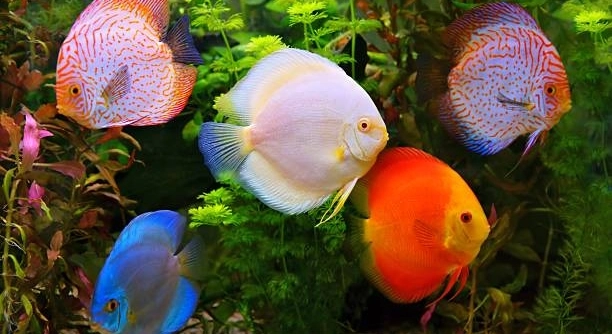
Is your discus fish acting a little different lately, making you pause and wonder if something might be wrong?
The earliest signs your discus fish is unwell can often go unnoticed. Subtle behavioral or physical changes—like loss of appetite, dull color, or unusual swimming—can indicate underlying health problems that need prompt attention.
Recognizing these signs early can make a big difference in how well your discus recovers and continues to thrive in its tank.
Loss of Appetite
When a discus fish stops eating, it’s often one of the first signs that something is off. This change may seem small, but it usually points to stress, water quality issues, or illness. Discus fish are sensitive to changes in their environment, especially shifts in temperature, pH, or ammonia levels. If their water conditions are not ideal, they may stop eating as a response. Other possible causes include internal parasites or infections that make it painful or uncomfortable to eat. It’s important to observe feeding habits closely. If a fish is consistently avoiding food or spitting it out, there’s likely an issue that needs attention. Check your tank’s water parameters, clean the filter, and observe any other changes in the tank. Catching this early can prevent more serious problems from developing and gives your discus the best chance to return to a healthy appetite.
A discus that skips one meal might not be sick, but several skipped meals in a row should be taken seriously.
If you notice a pattern of reduced eating, isolate the fish in a clean tank with stable parameters. Sometimes, a few days in a controlled space is enough to help it recover. If the problem continues, consider testing for internal parasites or bacterial infections. Medication may be necessary.
Hiding More Than Usual
Hiding is a normal behavior for discus, but too much of it can signal stress or sickness.
A discus fish that hides constantly may be reacting to something in its environment. This behavior can be triggered by loud noise, poor lighting, tank bullying, or uncomfortable water parameters. Sometimes, hiding is also a response to pain or internal discomfort. Watch how the fish moves when it comes out—if it’s sluggish or stays at the bottom of the tank, it may be unwell. Also, check how often it interacts with others. Discus are social and prefer being in groups, so a fish that isolates itself for long periods may not be feeling well. Make sure your tank has calm lighting, consistent temperatures, and enough space for all fish to swim without feeling threatened. Observe the other tank mates too—aggressive behavior from one fish can cause another to retreat and hide. Paying attention to this behavior can help you fix small problems before they turn serious.
Clamped Fins
Clamped fins can be an early sign your discus isn’t feeling well. Healthy discus swim with their fins open and relaxed. When fins stay tight against the body, it often means the fish is stressed, uncomfortable, or dealing with a health issue.
Clamped fins are often caused by poor water conditions, especially high ammonia or nitrite levels. It may also signal parasitic infections or bacterial problems. If multiple fish show this symptom, check your tank immediately. Clean the filter, do a partial water change, and test the water. Make sure the temperature is stable and appropriate for discus. If the water checks out fine, observe for other signs like white spots, rapid breathing, or strange swimming. These can give more clues about what’s going wrong. Acting early helps prevent the issue from spreading to other fish in the tank.
Even a single fish with clamped fins should be watched closely. Isolate it if possible, especially if it’s showing other symptoms like dull color or erratic movement. In some cases, medications for external parasites or bacterial infections may help. Always research the medication first, and follow dosage instructions carefully. Keep the tank calm and avoid overfeeding while your discus recovers. Stress can slow recovery, so keep lighting low and the environment quiet.
Darkened Coloration
A discus fish that turns noticeably darker is often under stress. This can happen quickly and may look dramatic. The fish might also stop socializing and avoid eating. Color changes are often tied to discomfort, illness, or sudden changes in water quality or temperature.
Darkened coloration is usually linked to stress or early illness. This change may be caused by ammonia spikes, an aggressive tank mate, or a sudden drop in temperature. Sometimes, it’s a reaction to internal parasites or skin infections. Keep an eye out for rubbing against objects, gasping, or cloudy eyes. These may suggest a parasitic or bacterial issue. Do a thorough water check first. If the levels are off, correct them slowly. Don’t make rapid changes. If the water is fine, begin monitoring the fish more closely and consider a salt bath or appropriate treatment. Quick action makes a real difference when it comes to color-related health changes.
Unusual Swimming Patterns
If your discus is swimming in circles, staying vertical, or having trouble balancing, it could mean something is wrong. These movements often point to internal issues like swim bladder problems, infections, or poor water conditions.
Fast darting, bumping into things, or floating oddly may also signal discomfort or illness. These changes are not normal and should be checked quickly.
Gasping at the Surface
When a discus swims near the top and gulps at the surface, it often means there’s not enough oxygen in the tank. This can be caused by poor aeration, dirty water, or overcrowding.
Check if your filter is working properly and consider adding an air stone. Perform a water change if needed, and monitor all fish closely for similar symptoms.
White Stringy Poop
White stringy poop can be a sign of internal parasites. It’s often seen along with a loss of appetite and sluggish behavior. Treating with an anti-parasitic food or medication is usually needed.
How can I tell if my discus fish is stressed or sick?
Stress and illness in discus fish often show through subtle changes. Look for loss of appetite, clamped fins, unusual swimming patterns, or hiding more than usual. Color changes, like darkening, can also be a warning. If you notice gasping at the surface or white stringy poop, these are clear signs of health issues. Keeping an eye on their behavior daily helps catch problems early.
What should I do if my discus fish stops eating?
If your discus stops eating, first check your tank’s water quality. Poor water conditions are a common cause. Perform a partial water change, test for ammonia, nitrites, and pH, and adjust as needed. Isolate the fish in a clean, stable environment if possible. Try offering different types of food like frozen or live to stimulate appetite. If the problem continues for more than a few days, consider consulting a vet or using medication for parasites or infections.
Why are my discus fish hiding so much?
Excessive hiding usually means your discus is stressed or feeling unwell. It may be caused by aggressive tank mates, sudden environmental changes, or poor water quality. Check for bullying behavior and ensure the tank conditions are stable. Provide plenty of hiding spots but watch if the fish refuses to come out for long periods—it could indicate illness.
Can poor water quality cause health problems in discus?
Yes, poor water quality is a major factor in discus health problems. High ammonia, nitrites, or nitrate levels can cause stress and illness. Sudden changes in temperature or pH also affect their well-being. Regular water testing and maintenance keep the environment safe. Proper filtration, partial water changes, and avoiding overcrowding are essential to prevent many common diseases.
What are the common diseases affecting discus fish?
Discus fish can suffer from parasites like ich and internal worms, bacterial infections, and fungal diseases. Swim bladder issues and stress-related illnesses are also common. Symptoms include clamped fins, white spots, erratic swimming, and loss of appetite. Identifying symptoms early helps treat diseases before they become serious. Treatments often involve medications or changes in tank care.
How often should I test my tank water?
Testing your tank water once a week is recommended, especially if you keep sensitive fish like discus. Monitor ammonia, nitrites, nitrates, pH, and temperature. Frequent testing helps catch water quality problems before they affect your fish. When introducing new fish or after illness, test more often to ensure stability.
Is it okay to treat my discus fish without isolating them?
It’s best to isolate sick discus before treatment to avoid stressing healthy fish and to target the medication effectively. Treating the whole tank can harm beneficial bacteria and other fish. Use a quarantine tank if possible for medication and recovery. If isolation isn’t possible, follow dosage instructions carefully and monitor all fish closely.
What should I feed my discus fish during illness?
During illness, feed your discus easy-to-digest foods like high-quality pellets, frozen bloodworms, or brine shrimp. Avoid overfeeding, which can worsen water quality. If the fish refuses to eat, don’t force it but keep the water clean and stable. Consult a vet if the lack of appetite lasts more than a few days.
How long does it take for a sick discus to recover?
Recovery time varies based on the illness and treatment. Mild stress or water quality issues may improve within a few days. Parasitic or bacterial infections can take one to two weeks or longer. Patience and proper care are key. Keep the tank conditions stable and avoid adding new fish until your discus fully recovers.
Can I prevent discus fish from getting sick?
Prevention is mostly about maintaining good tank conditions. Regular water changes, stable temperature, proper filtration, and avoiding overcrowding help keep discus healthy. Quarantine new fish before adding them to the main tank. Feeding a balanced diet and observing your fish daily also supports their immune system and early illness detection.
Discus fish are beautiful and sensitive creatures that need careful attention to stay healthy. Recognizing the subtle signs of illness early is important for their well-being. Small changes like loss of appetite, clamped fins, or unusual swimming behavior can all indicate that something is wrong. It’s normal to feel unsure about these signs at first, but paying close attention and acting quickly can prevent many problems from becoming serious. Keeping the water clean and stable is one of the best ways to support your discus fish’s health.
Maintaining proper tank conditions is key to preventing many common health issues in discus fish. Regular water testing and changes help keep the environment safe and comfortable. Temperature, pH, and cleanliness all play a role in how well your fish thrive. Stress from overcrowding or aggressive tank mates can also cause health problems, so make sure your discus has enough space and calm surroundings. Feeding a balanced diet suited to discus fish supports their immune system and overall condition. Small daily efforts make a big difference in keeping your fish happy and healthy.
If you notice any worrying signs, don’t wait to take action. Isolating a sick fish, checking water quality, and consulting care guides or experts will help your discus recover faster. Treatment may require patience, as some illnesses take time to clear. Remember, discus fish are sensitive and deserve consistent care. By watching carefully and responding to their needs, you can enjoy the beauty of your discus fish for many years. Taking care of them properly is rewarding and helps create a peaceful tank environment for all your aquatic pets.

Hello,
If you enjoy the content that we create, please consider saying a "Thank You!" by leaving a tip.
Every little bit helps us continue crafting quality advice that supports the health, happiness, and well-being of pets around the world, for pets of all shapes, sizes, and species.
We really appreciate the kindness and support that you show us!