
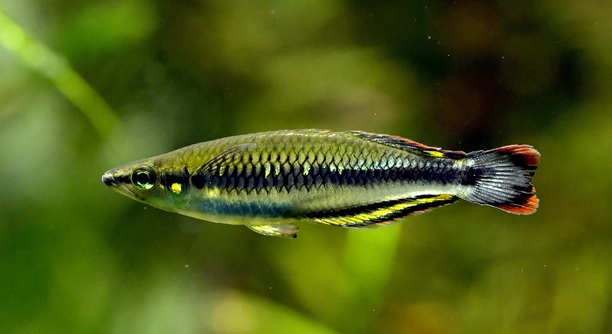
Keeping rainbowfish can be very rewarding, but maintaining the right environment is essential. Overcrowding can cause stress, aggression, and health problems for these colorful fish, making careful observation and management a key part of their care routine.
An overcrowded rainbowfish tank occurs when fish density exceeds the tank’s capacity to support proper oxygen levels, waste management, and swimming space. Excess fish lead to increased stress, disease susceptibility, and a decline in overall fish health and behavior.
Recognizing the warning signs early helps you take action before serious problems arise for your rainbowfish and their habitat.
Reduced Swimming Space
When rainbowfish are kept in a tank that is too small for their numbers, they have limited room to swim freely. This restriction can cause stress, reduce activity, and make fish more prone to illness. Fish need space to establish territories and interact naturally, and when the tank is overcrowded, these behaviors can be disrupted. Crowding also increases competition for hiding spots, decorations, and other areas where fish feel safe. Stress caused by lack of space can weaken their immune systems, making them more susceptible to disease. Over time, constant swimming in tight spaces may lead to stunted growth or physical deformities. Observing your rainbowfish regularly can help you notice changes in movement patterns or unusual behavior. A healthy tank allows fish to swim in groups without bumping into each other constantly. Providing proper space improves water circulation and oxygen levels, which contributes to the overall health and well-being of every fish in the aquarium.
Overcrowding directly reduces swimming freedom and disrupts natural fish behaviors, causing stress and health problems.
Ensuring rainbowfish have enough room to move freely is essential. They need horizontal and vertical space for normal activity, social interaction, and hiding when stressed. Small tanks with many fish limit these natural behaviors. Providing more space allows fish to exercise, reduces aggression, and improves growth. A spacious tank enhances water quality since waste is more evenly distributed, and oxygen is less likely to deplete in crowded areas. Fish that swim freely tend to show brighter colors, better appetite, and more natural behavior. Even small adjustments, like adding decorations that create vertical layers or expanding tank size, can make a noticeable difference. Maintaining an appropriate fish-to-tank ratio is crucial for preventing health issues and ensuring a balanced aquarium environment. Proper planning and observation can help keep rainbowfish healthy, active, and vibrant, creating a more stable and visually pleasing tank.
Aggression and Stress
Overcrowded tanks often lead to increased aggression among rainbowfish, especially males competing for dominance.
Aggression is common in high-density tanks because fish have limited personal space and more frequent confrontations.
Excess fish in a tank create tension and stress, leading to fights and injuries. Dominant fish may bully smaller or weaker ones, chasing them from food or hiding spots. Stress from constant confrontation can lower immunity, making fish prone to disease. Overcrowding also limits the ability to escape, which compounds stress levels. Some fish may hide constantly, eat less, or lose color due to ongoing tension. Proper tank size and group management reduce aggression and create a calmer environment. Adding plants or decorations can provide refuge areas, but space is the most effective solution. Observing social interactions helps identify stressed or bullied fish, allowing adjustments before serious health issues arise. A balanced tank promotes harmony, natural behavior, and better overall health.
Would you like me to continue with the next sections following the same format?
Poor Water Quality
Overcrowding increases waste in the tank, leading to higher ammonia and nitrate levels. This can harm rainbowfish, causing stress, disease, and reduced lifespan if water is not cleaned or filtered properly.
Excess fish produce more waste than the tank can naturally handle. Uneaten food adds to this problem, increasing toxins in the water. Poor water quality can lead to cloudy water, algae growth, and oxygen depletion. Stress from toxic water weakens immune systems and can trigger fin rot, gill damage, or other health issues. Regular water testing, partial water changes, and efficient filtration are essential to maintain a safe environment for rainbowfish. Even minor overcrowding can noticeably affect water clarity and chemical balance. Observing fish behavior and monitoring tank parameters allows early intervention, keeping your fish healthy and active.
Maintaining good water quality requires attention to tank size, number of fish, and consistent cleaning. A well-balanced aquarium reduces disease risks, encourages vibrant colors, and supports natural behavior. Proper filtration, water changes, and monitoring are key to preventing overcrowding-related problems and ensuring a healthy rainbowfish environment.
Reduced Growth
Overcrowded tanks can slow growth in rainbowfish because of competition for food, space, and oxygen. Smaller or weaker fish are especially affected, often appearing stunted or less vibrant.
Limited resources in a crowded tank make it harder for fish to get proper nutrition. Competing for food leads some fish to eat less, which affects growth and overall health. Oxygen levels can drop in dense tanks, further stressing fish and reducing energy for growth. Crowded conditions can also increase stress hormones, which interfere with metabolism and development. Young or smaller rainbowfish are most vulnerable, as dominant fish may outcompete them for food and space. Maintaining an appropriate fish-to-tank ratio ensures each fish receives enough nutrients, grows properly, and develops natural coloration. Observing feeding habits and adjusting stocking levels helps prevent stunted growth.
Reducing overcrowding allows rainbowfish to reach their full size and display vibrant colors. Sufficient space, balanced feeding, and good water quality promote healthy growth and reduce stress, ensuring all fish thrive.
Frequent Disease
Overcrowded tanks make rainbowfish more prone to disease. High density spreads bacteria, parasites, and viruses quickly, increasing the risk of infections among all fish.
Stress from limited space weakens their immune system. Even minor injuries or poor water conditions can lead to outbreaks, affecting the whole tank.
Faded Colors
Stress and competition in crowded tanks often dull rainbowfish colors. Dominant fish may retain brighter colors, while stressed fish appear paler.
Reduced color intensity is a sign of poor health. Overcrowding limits access to nutrients and increases stress hormones, both of which affect pigmentation. Maintaining proper tank density and nutrition helps rainbowfish display their natural vibrant colors consistently.
Constant Hiding
Rainbowfish in overcrowded tanks often hide more than usual. Limited space and increased aggression make them feel unsafe, reducing natural activity.
Hiding behavior indicates discomfort and stress. Fish that cannot establish safe zones may eat less, weaken, or lose coloration. Adjusting tank population and providing hiding spots helps restore normal behavior.
How many rainbowfish can I keep in my tank?
The number of rainbowfish you can keep depends on tank size, species, and adult size. A general rule is one inch of fish per gallon of water, but some species grow larger and need more space. Overcrowding increases stress, reduces swimming space, and makes water quality management harder.
What are the first signs of overcrowding?
Early signs include frequent aggression, hiding, reduced swimming, faded colors, and uneven growth. Fish may compete for food and shelter, causing weaker individuals to eat less or become stressed. Observing behavior regularly allows you to detect overcrowding before serious health issues arise.
How often should I test my tank water?
Water should be tested at least once a week for ammonia, nitrite, nitrate, and pH levels. Overcrowded tanks tend to accumulate toxins faster, so frequent testing is necessary. Regular partial water changes help maintain a healthy environment and prevent disease outbreaks.
Can overcrowding cause disease in rainbowfish?
Yes. High fish density increases stress and weakens the immune system. Diseases like fin rot, ich, and bacterial infections spread quickly in crowded conditions. Ensuring proper filtration, water quality, and adequate space reduces disease risks significantly.
Is hiding a serious sign in my rainbowfish?
Persistent hiding indicates stress or bullying. Overcrowded tanks limit safe zones, forcing fish to stay hidden. Prolonged hiding can lead to reduced feeding, slow growth, and faded colors. Providing more space or rearranging decorations to create vertical and horizontal layers helps fish feel secure.
How can I reduce stress in a crowded tank?
Adding plants, decorations, and hiding spots helps fish feel safer. Maintaining good water quality, consistent feeding, and removing aggressive fish if necessary also reduces stress. However, the most effective solution is reducing overall fish density.
Will adding more filtration solve overcrowding problems?
Filtration alone cannot fix overcrowding. While it can improve water quality temporarily, it does not provide space for swimming or reduce competition for resources. The most important step is adjusting fish numbers to match tank capacity.
How do I safely reduce the number of fish?
Identify excess or aggressive fish and relocate them to another tank, sell them responsibly, or give them to other hobbyists. Avoid sudden large population changes, which can stress remaining fish. Ensure water parameters remain stable during the transition.
Can overcrowding affect rainbowfish growth?
Yes. Fish in crowded tanks often compete for food, oxygen, and space, leading to stunted growth. Young or smaller fish are most affected. Proper tank density ensures balanced nutrition, full-size growth, and bright, healthy coloration.
What is the long-term impact of keeping fish in an overcrowded tank?
Chronic overcrowding leads to persistent stress, weakened immune systems, increased disease susceptibility, stunted growth, faded colors, and aggressive behavior. Over time, fish may experience shorter lifespans and poor quality of life. Maintaining proper tank population is essential for their health and happiness.
How can I prevent overcrowding in the future?
Plan your tank setup before adding new fish. Research adult sizes, social behavior, and tank capacity. Introduce fish gradually, monitor behavior, and make adjustments if signs of overcrowding appear. A well-planned tank ensures a balanced, healthy environment for all rainbowfish.
Can diet help manage stress in crowded tanks?
Providing a balanced diet rich in vitamins and protein supports immunity and coloration, helping fish cope with mild stress. However, diet cannot replace proper space or reduce aggression caused by overcrowding. Food supplements should complement a healthy tank environment.
Is it okay to keep different rainbowfish species together?
Different species can coexist if their sizes, temperaments, and space needs are compatible. Overcrowding risks increase when multiple species are kept in the same tank without careful planning. Monitoring behavior and providing hiding spots prevents aggression and ensures harmony.
How do I know if water changes are enough?
If water tests show rising ammonia, nitrite, or nitrate levels despite regular water changes, the tank is likely overcrowded. Increasing water changes can help temporarily, but reducing fish numbers is the long-term solution. Consistent testing ensures a healthy, stable environment.
What tank size is ideal for a small group of rainbowfish?
A 20–30 gallon tank is suitable for a small group of six to eight medium-sized rainbowfish. Larger tanks provide more swimming space, reduce aggression, and improve water quality. Always consider adult size and social behavior when planning the tank.
How can I encourage shy fish to be more active?
Providing enough space, hiding spots, and peaceful tankmates helps shy fish feel secure. Reducing stress from overcrowding allows them to explore and display natural behavior. Observing their interactions helps you identify if space or social structure needs adjustment.
What are some signs that my tank setup is good for rainbowfish?
Fish swim freely, display vibrant colors, feed actively, and interact without frequent aggression. Water parameters are stable, and fish appear healthy and stress-free. A balanced population and well-planned tank setup encourage natural behavior and long-term health.
How do I introduce new fish without overcrowding?
Check tank capacity, adult sizes, and current population. Quarantine new fish, acclimate them slowly, and monitor behavior. Add only a few at a time to prevent stress and aggression, keeping water quality stable.
What should I do if overcrowding is already severe?
Reduce fish numbers immediately by relocating some to another tank or rehoming responsibly. Increase water changes, maintain filtration, and monitor stressed fish closely. Adjust decorations to create more hiding spots temporarily while planning long-term solutions.
How can observation prevent future overcrowding issues?
Regularly watching fish behavior, swimming patterns, and feeding helps detect early signs of stress or aggression. Catching overcrowding early allows gradual adjustments, maintaining a healthy, balanced environment and preventing long-term health problems.
This FAQ section covers the key concerns about overcrowding in rainbowfish tanks and provides practical, straightforward advice for maintaining a healthy aquarium environment.
Maintaining a healthy rainbowfish tank requires attention to both the number of fish and the condition of the environment. Overcrowding is one of the most common issues that can affect fish health, behavior, and overall tank stability. When too many fish are kept in a limited space, their natural behaviors are disrupted, leading to stress, aggression, and poor growth. Stress is a key factor because it weakens the immune system, making fish more vulnerable to disease and infections. Even if fish appear physically healthy, chronic stress can reduce lifespan and affect their appearance, such as duller colors or frayed fins. Ensuring adequate space for each fish is essential for maintaining a calm and balanced environment where rainbowfish can swim freely, interact naturally, and maintain optimal health. Observing daily behavior and monitoring how fish use the tank space can provide early warnings of overcrowding before more serious problems develop.
Water quality is closely linked to tank population. Overcrowding produces higher levels of waste, which can lead to an accumulation of ammonia, nitrites, and nitrates if the filtration system cannot handle the load. High levels of these compounds are toxic to fish, causing health issues that range from minor stress to fatal conditions. Regular water testing, partial water changes, and effective filtration help maintain a safe environment, but even these measures have limits if the tank is severely overcrowded. Crowded tanks often require more frequent maintenance and careful attention to feeding, as excess food combined with higher waste levels can accelerate water quality decline. A well-managed tank with proper stocking levels reduces these problems, creating a more stable environment where rainbowfish can thrive. Tank setup, decorations, and hiding spots also contribute to the overall wellbeing of fish, as they provide spaces for retreat and reduce stress from social interactions.
Ultimately, preventing overcrowding is a long-term investment in the health and happiness of your rainbowfish. Planning ahead by knowing the adult size and social behavior of each species allows for appropriate stocking levels. Adjusting tank populations gradually and monitoring fish behavior regularly ensures the aquarium remains balanced. Even small changes, such as rearranging decorations to create vertical and horizontal space or adding plants, can significantly improve conditions. Reducing the number of fish when necessary, maintaining consistent water quality, and providing proper nutrition are essential practices for a thriving tank. Taking these steps helps rainbowfish display natural behavior, bright colors, and strong growth while minimizing aggression and disease. A well-maintained aquarium not only supports the health of the fish but also enhances the enjoyment of watching them live in a safe and harmonious environment. With careful planning and attention to detail, overcrowding can be avoided, ensuring a stable, vibrant, and long-lasting habitat for your rainbowfish.

Hello,
If you enjoy the content that we create, please consider saying a "Thank You!" by leaving a tip.
Every little bit helps us continue crafting quality advice that supports the health, happiness, and well-being of pets around the world, for pets of all shapes, sizes, and species.
We really appreciate the kindness and support that you show us!