
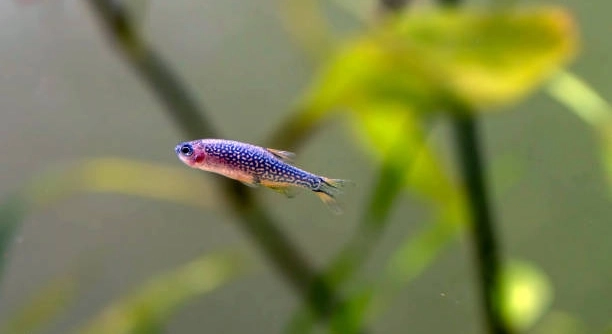
Many aquarists enjoy watching their danios glide through the water, noticing the small shifts in their speed and direction that give these fish their lively charm. These tiny movements create a gentle rhythm that often reveals more than expected.
Danios display subtle movement patterns influenced by social dynamics, environmental conditions, and natural behavior cycles. Their coordinated swimming, spacing, and sudden bursts of motion offer insight into their comfort levels and overall well-being, making these patterns valuable indicators for attentive fish keepers.
These understated behaviors offer a closer look at how danios communicate, adapt, and respond within their habitat, creating a deeper appreciation for their active nature.
Recognizing Their Coordinated Swims
Danios often reveal their subtle patterns through coordinated swims that reflect comfort and awareness in their environment. When they move in smooth unified lines it shows a sense of security and balance within the group. These motions develop naturally as they respond to light flow and shared space. I have always found their gentle pacing calming especially when they shift direction in a neat formation that feels almost rehearsed. Each tiny adjustment offers a small clue about what is influencing their behavior at that moment. Their steady rhythm also helps you notice when something is out of the ordinary such as hesitation or scattered movement. Observing them this way can make daily care more meaningful since the patterns become familiar markers of their overall condition. With time these coordinated swims start to feel like a quiet language that reveals how they interact and adapt within their tank every single day.
These coordinated movements form a reliable guide for understanding their daily responses to light shifts tank flow and social changes. By noticing how their lines tighten or loosen you gain a clearer sense of what keeps them comfortable and steady in their shared space through consistent observation and gentle attention.
Watching danios interact this way builds a natural rhythm in your routine making their patterns easier to interpret over time. Their tight turns brief pauses and smooth accelerations reflect both confidence and awareness in the tank. Simple details like how closely they align or how quickly they regroup reveal important shifts in comfort. I have noticed that these behaviors often stabilize when the environment remains steady allowing them to move with ease. When you understand these signals daily care becomes more reassuring because their movement clearly shows when they feel balanced and supported within their space each and every day.
Reading Their Sudden Bursts
Sudden bursts of speed can reveal how danios react to quick changes in their surroundings from shifting light to brief disturbances in the tank. These rapid motions help you identify moments that influence their comfort and show how they adjust their spacing during active periods in their daily routine patterns.
Rapid motion in danios often appears as a clear response to sudden changes in their environment and these bursts can help you understand what shapes their behavior throughout the day. When the flow increases or a shadow passes over the tank they may react with sharp directional shifts that settle once the disturbance fades. These quick rhythms can tell you when something unsettles them giving you a chance to adjust conditions before stress builds. I have seen how these movements become less frequent in a stable and balanced setup allowing the fish to return to calmer patterns that feel natural to them. Their bursts also reveal social adjustments since one fish’s reaction often influences the group. By observing how they spread out or tighten their formation after each burst you gain a clearer sense of their comfort. These movements highlight the importance of steady lighting predictable routines and gentle handling. With time you begin recognizing which bursts are harmless expressions of energy and which suggest an environmental factor worth correcting making your care feel more connected and attentive as you learn their patterns more deeply through steady practice and patient observation each day you grow more confident in their needs.
Interpreting Gentle Zigzag Patterns
Gentle zigzag motions often show how danios adjust to small shifts in flow while keeping a steady rhythm in their group. These movements highlight their awareness of space and help you notice when their behavior changes in response to light, current, or tank activity during their daily active periods too.
These zigzag patterns can indicate how comfortable danios feel as they navigate shared space with steady awareness of each other. When the flow shifts slightly they reposition with small bends that help keep their formation balanced. I often notice these motions becoming smoother when the tank remains stable and free from sudden disturbances. Their subtle adjustments reveal how they maintain harmony within the group by responding to changes without breaking their rhythm. Observing these patterns helps you understand their preference for predictable conditions and gives you clearer insight into how they use gentle directional shifts to stay aligned each day.
Zigzag behavior often appears when danios explore new sections of the tank, especially after minor changes in layout or flow. These movements show how they test boundaries while staying aware of the group’s pace. I have seen these patterns become more defined when plants are added, giving them markers that guide their routes. The gentle weaving also reflects their curiosity as they adjust positioning without causing disruption. By watching how tightly or loosely they follow these paths, you can understand what conditions support their comfort. With time, these movements become clear signals that reveal how they interact and adapt daily.
Noticing Their Subtle Hovering Pauses
Subtle hovering occurs when danios pause midwater to assess gentle shifts in their surroundings while staying aware of nearby movement. These pauses can show comfort as they maintain steady spacing without tension. I have noticed this behavior increase when the lighting remains soft and the flow stays consistent. Their calm stillness often signals stability within the tank, helping you understand how secure they feel while drifting lightly in place each day as conditions stay steady.
Hovering pauses provide clear insight into how danios react to minor environmental changes while keeping their movements controlled and steady. When they hold position without darting, it often shows balance in their social spacing and confidence in the layout around them. I have seen this happen more often when plants or decor offer sheltered pockets that encourage quiet moments. These pauses help you notice shifts in comfort because any trembling or rapid fin movement may suggest overstimulation. Stable hovering usually appears during calm periods when lighting, flow, and activity remain predictable. Observing these moments allows you to understand their baseline behavior so you can recognize subtle changes quickly. Over time, these pauses reveal how they manage energy and maintain comfort by settling briefly each day.
Continue the article with the following outline and format. Do not write an intro for each header, get straight to the point. Do not use a greeting. Make it feel slightly personal. Write in a simplistic style. Do not greet the reader.; Outline and Format: ; Header: xxxxxxxxxxxxxxxxxxx; 50 words paragraph; 50 words paragraph; Header: xxxxxxxxxxxxxxxxxxx; 100 words paragraph; Header: xxxxxxxxxxxxxxxxxxx; 50 words paragraph; Note: Skip the intro, get straight to the point. The rest of the headers will be provided later, so do not write them yet. Skip the conclusion, and recap. Respect the given word count for every paragraph.
What do coordinated swims tell me about my danios?
Coordinated swims reveal their comfort level and social cohesion. When danios move together in smooth lines, it indicates they feel secure and confident in their environment. I have noticed that subtle shifts in their formation often signal slight changes in flow or light. Paying attention to these patterns helps you gauge overall tank harmony. Tight formations show confidence, while scattered movements may suggest stress or adjustment to new surroundings. Over time, observing these coordinated movements allows you to understand the group’s dynamics and predict how they will respond to small environmental changes, making daily care more intuitive and focused.
Why do danios make sudden bursts of speed?
Sudden bursts are usually reactions to small disturbances in their environment. Shadows, changes in water flow, or quick movements nearby often trigger these motions. I have found that these bursts also occur during social interactions, when one fish’s quick movement prompts the group to adjust simultaneously. Noticing these reactions helps identify whether the bursts are playful, exploratory, or stress-related. Stable conditions tend to reduce unnecessary bursts, while sudden bursts in a calm tank may indicate something is wrong. Tracking the frequency and timing of these movements allows you to better understand their comfort levels and make small adjustments to maintain calm.
How can I interpret gentle zigzag patterns?
Gentle zigzag motions show how danios navigate their space while maintaining awareness of each other. These patterns often occur when they explore or adjust to minor changes in the tank. I have observed that adding decorations or plants can create subtle routes that make these zigzags more noticeable. The tightness or looseness of the weaving indicates comfort levels, while abrupt deviations can signal unease. Over time, these movements become a consistent marker of their daily activity, helping you recognize normal versus unusual behavior. Understanding zigzag patterns also shows how they balance curiosity with group safety, making observation a useful tool for monitoring tank health.
What do hovering pauses mean?
Hovering pauses reflect moments of assessment and stability. When danios hold midwater without darting, it shows they feel safe and are aware of their surroundings. I often see these pauses increase in calmer lighting and steady water flow. Any trembling or rapid fin movements during hovering can suggest discomfort. Observing these pauses regularly helps identify changes in tank conditions, stress, or social tension. Hovering also gives you insight into energy management, showing when they are resting versus preparing for movement. These quiet moments can indicate their baseline behavior and are valuable for tracking long-term well-being.
Why do danios make quick group turns?
Quick group turns are a response to cues from one or more members of the group. When a single fish changes direction sharply, the rest follow to maintain formation. I have noticed these turns are smoother in stable tanks, while sudden environmental changes make them more abrupt. Observing the frequency of these turns can help determine whether adjustments are due to excitement, stress, or natural exploration. These movements are also indicators of social cohesion, showing how closely the group communicates through motion. By watching their turns, you can better understand group hierarchy and reactions to minor disruptions.
How do gradual spacing adjustments affect behavior?
Gradual spacing adjustments reflect social comfort and awareness of the environment. When danios spread out slightly, it usually signals a relaxed and safe environment. I have seen tighter spacing appear after minor disturbances or when new objects are introduced into the tank. Tracking spacing changes helps you read stress levels or comfort zones. These adjustments also indicate how they balance personal space with group interaction, allowing each fish to explore without overcrowding. Observing spacing over time can help identify environmental factors that support their calm behavior and maintain a steady, healthy tank dynamic.
What is the significance of light-chasing motions?
Light-chasing motions occur when danios respond to subtle shifts in brightness or reflections in the water. These movements often indicate alertness and mild curiosity. I have noticed that softer lighting encourages smoother, calmer chasing, while harsh lighting can make movements erratic. Watching these patterns helps identify how they interact with visual stimuli and navigate their environment. It also provides clues about energy levels and exploration tendencies. By monitoring light-chasing behavior, you can adjust lighting and decorations to enhance comfort and engagement, ensuring that their activity remains balanced and stress-free throughout the day.
How can I use these patterns to improve tank care?
By observing coordinated swims, bursts, zigzags, hovering pauses, quick turns, spacing adjustments, and light-chasing motions, you gain insight into comfort, stress, and social behavior. I have found that small environmental adjustments, like stabilizing lighting or rearranging plants, can make a noticeable difference in their patterns. Tracking these behaviors over time allows you to anticipate changes, maintain calm conditions, and address stressors promptly. Each subtle movement is a signal about their well-being, helping you fine-tune water flow, space, and decor. Paying close attention to these signals ensures they remain healthy, active, and balanced in their environment every day.
What signs indicate unusual behavior?
Unusual behavior often appears as repeated erratic bursts, loss of coordinated swimming, prolonged hovering with trembling, or sudden tight clustering. I have noticed these patterns often follow rapid environmental changes, illness, or stress. Recognizing these deviations early allows intervention to restore comfort and stability. Changes in spacing, fin movement, or reaction speed are particularly telling. Observing these behaviors in conjunction with subtle cues like light-chasing or zigzag changes can pinpoint specific stressors. Monitoring patterns consistently helps identify early signs of discomfort, disease, or social tension, providing a clear guide for timely action to protect their well-being.
How frequently should I observe their patterns?
Daily observation is most effective for noticing subtle changes in behavior. I often spend short periods watching their movement throughout the day to detect deviations. Regular monitoring helps you connect environmental factors to behavior, track comfort levels, and anticipate needs. Patterns become easier to read when observed consistently. Even brief, repeated observations provide a reliable baseline for their natural activity. Daily attention allows you to see early signs of stress or discomfort and adjust conditions promptly. Consistency in watching their movements builds a clear understanding of how they interact, explore, and respond within the tank.
Observing danios in their tank can be a quiet and rewarding experience. Their small, subtle movements tell a story about comfort, social balance, and responsiveness to their environment. Coordinated swims, sudden bursts, gentle zigzags, hovering pauses, quick turns, gradual spacing adjustments, and light-chasing motions all serve as signals of their behavior and well-being. Paying attention to these patterns allows you to notice small changes that might otherwise go unnoticed, helping maintain a stable and healthy habitat. Over time, these observations become a natural part of daily care, providing both a better understanding of their needs and a sense of connection to their activity. I have found that consistent observation reveals patterns that are easy to read once you become familiar with their usual behavior.
Maintaining a stable environment is key to supporting these subtle behaviors. Danios respond well to consistent lighting, gentle water flow, and sufficient space to move freely. When the tank is calm and predictable, their movements are smoother, their coordination improves, and their overall activity feels natural and relaxed. Even minor changes, such as introducing new decorations or adjusting water flow, can temporarily alter their behavior. By watching carefully, you can see how they adapt and respond. This makes it possible to adjust the environment to better suit their needs, minimizing stress and encouraging natural patterns. I have learned that small adjustments often lead to significant improvements in their comfort and activity, making their patterns easier to read and interpret on a daily basis.
Understanding danio movement provides insight not only into their behavior but also into their health. Changes in coordination, bursts, or spacing can indicate stress, discomfort, or environmental issues that may need attention. Observing these patterns consistently allows you to notice subtle deviations before they develop into larger problems. The process also strengthens your awareness of the tank’s overall balance, including social interactions and environmental factors. I have noticed that paying attention to these movements turns daily observation into an informative and engaging activity, rather than a routine task. With steady attention, you can create a stable environment that supports natural behavior, enhances their well-being, and allows you to enjoy the subtle beauty of their movements. By valuing these small signals, daily care becomes more informed, attentive, and rewarding for both you and the fish.

Hello,
If you enjoy the content that we create, please consider saying a "Thank You!" by leaving a tip.
Every little bit helps us continue crafting quality advice that supports the health, happiness, and well-being of pets around the world, for pets of all shapes, sizes, and species.
We really appreciate the kindness and support that you show us!