
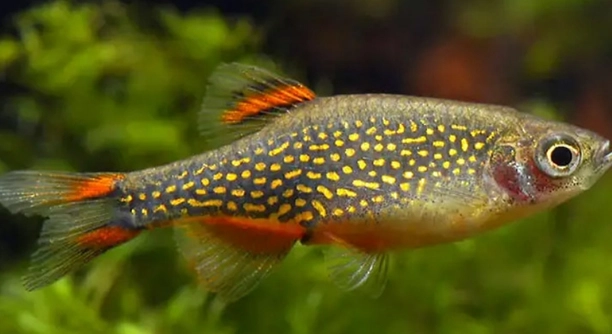
Do you ever find yourself standing in front of the fish tank, wondering where your new Danios really come from and how they ended up at the store? Their vibrant colors can be tempting, but origins matter.
Understanding the origins of Danios at the store is crucial for their proper care and long-term health. Knowing their breeding conditions, previous environments, and genetic background allows owners to make informed decisions and avoid potential health issues.
Learning these details can make a big difference in your Danios’ well-being and help you create a more suitable home for them.
Tank Conditions Before Arrival
Many Danios come from breeders who raise them in controlled environments with clean water, stable temperatures, and proper nutrition. These conditions affect their behavior and health when they arrive at the store. Poor tank conditions can lead to stress, weakened immune systems, and susceptibility to disease. Stores vary in how closely they monitor water quality and tank maintenance. A well-maintained tank helps Danios display natural colors and active behavior, making it easier to observe any signs of illness before purchase. When shopping, pay attention to water clarity, temperature, and tank mates. Healthy Danios are more likely to adapt smoothly to your home aquarium. Knowing the store’s practices allows you to anticipate potential adjustments at home, including quarantine procedures and water parameter acclimation. Being aware of these factors increases the likelihood of a smooth transition and a long, healthy life for your fish, minimizing sudden deaths or stress-related behaviors.
Tank conditions at the store directly impact Danios’ immediate health and behavior. Clear water, appropriate temperature, and active fish indicate proper care and lower health risks.
Checking these details early will save frustration later and help you provide a stable home environment. Observing water quality and fish activity gives clues about the store’s care standards.
Breeding and Lineage
Knowing where your Danios were bred can reveal much about their genetic health and traits. Some strains are selectively bred for color, size, or pattern, while others come from more natural lines. Selective breeding can create beautiful fish but sometimes reduces genetic diversity, making them more prone to illness or deformities. Lineage also affects behavior, with some lines being more active or hardy. Stores often list whether fish are wild-caught, tank-bred, or selectively bred, which helps determine care requirements. Wild-caught Danios may require more stable water conditions and acclimation. Tank-bred fish often adapt more easily to home aquariums. Asking about lineage ensures you understand the fish’s background and potential challenges. Breeding practices can also indicate how resilient the fish are to stress, which is important for transportation and introduction to your tank. This knowledge guides feeding, tank setup, and long-term maintenance strategies.
Being aware of breeding practices ensures you select fish suited to your tank’s conditions. Proper research prevents unforeseen problems.
Lineage affects more than appearance; it influences health, behavior, and compatibility with other fish. Tank-bred fish generally tolerate variations in water quality and are easier to acclimate, while wild-caught fish may struggle. Understanding these factors helps you prepare the right environment, feeding schedule, and care plan. By asking the store about breeding sources, you reduce surprises after purchase and support the selection of healthier, more adaptable Danios. Additionally, this information can guide future tank decisions, such as suitable tank mates and filtration methods. Selecting fish with known lineage promotes long-term vitality and ensures that your aquarium remains balanced and harmonious, giving each fish the best chance to thrive.
Health and Appearance
Healthy Danios are active, have clear eyes, smooth scales, and intact fins. Avoid fish with clamped fins, white spots, or unusual swimming patterns, as these can indicate illness or stress.
Regular observation of fish behavior in the store tank helps identify signs of illness early. Lethargic fish that hide constantly or swim erratically may be stressed from poor water quality or disease exposure. Bright colors, smooth scales, and quick movement are good indicators of vitality. Health assessment also includes looking at the gills for normal coloration and breathing patterns. Paying attention to these details reduces the risk of introducing sick fish into your home aquarium, which can affect other tank inhabitants. By choosing visibly healthy Danios, you improve the likelihood of a long, disease-free life and minimize the need for medical interventions or quarantine complications at home.
Appearance can sometimes hide minor issues, so asking store staff about recent treatments, water changes, or tank conditions provides additional reassurance. Knowing these details ensures your new Danios start off in the best possible state.
Store Reputation and Care Practices
Stores with experienced staff usually monitor fish behavior, maintain clean tanks, and provide proper nutrition. Researching store reputation helps identify which locations consistently care for their fish well.
A store’s approach to care directly impacts the fish you bring home. Reliable stores regularly test water quality, conduct partial water changes, and monitor for disease outbreaks. Staff experience is key to recognizing subtle signs of stress or illness. Some stores quarantine new arrivals before adding them to display tanks, which lowers the chance of spreading disease. Nutrition is another critical factor, as well-fed fish display brighter colors and more consistent behavior. Stores with poor practices may overlook early symptoms, increasing stress and mortality. Choosing a reputable store minimizes these risks and supports responsible breeding and sales practices, giving your Danios a better start in your aquarium.
Beyond initial appearance, ongoing store care practices affect long-term fish health. Knowledge of tank maintenance, feeding routines, and quarantine protocols informs your expectations and ensures you select fish with a stronger chance of thriving at home. Well-cared-for fish are more resilient to transport stress, adapt faster to new tanks, and require fewer interventions, reducing the likelihood of early losses and creating a healthier aquarium environment overall.
Water Source and Quality
Danios are sensitive to changes in water parameters. Knowing the store’s water source helps predict how your fish will adapt to your home tank. Proper filtration and regular testing reduce stress and disease risk.
Ask about recent water changes and testing routines. Stores with consistent practices tend to have healthier, more active Danios.
Diet and Feeding
Danios thrive on a varied diet that includes high-quality flakes, pellets, and occasional live or frozen foods. Stores that provide consistent, nutritious feeding produce more vibrant, healthier fish. Nutrition affects growth, coloration, and immunity, making it a key factor when choosing Danios for your tank.
Transport and Acclimation
How fish are handled during transport affects their stress levels. Gentle handling and gradual acclimation to new water conditions improve survival and long-term health.
FAQ
What should I look for when choosing healthy Danios?
When selecting Danios, focus on activity, color, and fins. Healthy fish are active, swim evenly, and show bright coloration. Avoid fish with torn fins, white spots, or clamped fins, as these indicate stress or disease. Clear eyes, smooth scales, and normal breathing are also signs of a healthy fish. Observing their behavior in the store tank gives clues about overall well-being. Lethargic or hiding fish may be struggling with water quality issues or illness, which can carry over to your tank. Checking with store staff about recent treatments, water changes, and tank maintenance helps confirm the fish’s condition and reduces potential problems at home.
How can I tell if Danios are from tank-bred or wild sources?
Tank-bred Danios are typically more adaptable to home aquariums. They adjust well to minor changes in water parameters and are less prone to stress. Wild-caught Danios often require stable conditions and careful acclimation. Their coloration can be slightly muted compared to selectively bred strains, but they may exhibit more natural behaviors. Stores sometimes provide this information, so it’s useful to ask about the fish’s origin. Knowing the source helps you prepare the tank appropriately, set up quarantine procedures, and anticipate any special care requirements for your new fish.
Do Danios need a quarantine period at home?
Quarantine is recommended for all new Danios, regardless of apparent health. A separate tank for two to three weeks allows observation for signs of disease before introducing them to an established aquarium. During this period, monitor feeding, behavior, and any unusual symptoms like clamped fins, white spots, or lethargy. Quarantine reduces the risk of infecting other fish in your tank and gives the new Danios a chance to recover from transport stress. Proper quarantine practices improve long-term survival and help establish a stronger immune system before joining other tank mates.
What tank conditions should I prepare for new Danios?
Danios prefer clean, well-filtered water with stable temperature and moderate flow. They thrive in tanks with hiding spots, plants, and open swimming areas. Testing water parameters, such as pH, ammonia, nitrites, and nitrates, ensures conditions are safe. Gradual acclimation to the home tank reduces stress and improves survival. Maintaining consistent lighting and temperature helps them display natural colors and encourages normal activity. Proper tank setup minimizes stress-related illness and supports healthy growth, creating an environment where Danios can thrive and interact naturally.
How often should Danios be fed?
Danios do best with two to three small feedings daily rather than a single large meal. A varied diet including high-quality flakes, pellets, and occasional frozen or live foods ensures balanced nutrition. Avoid overfeeding, which can pollute the water and cause health issues. Observing how much they consume in a few minutes helps you adjust portions. Feeding consistently at the same times of day establishes a routine that reduces stress. Adequate nutrition supports growth, coloration, and immune function, keeping your Danios active and resilient.
Are there common health problems I should watch for?
Danios can experience fin rot, ich, and stress-related illnesses. Early signs include frayed fins, white spots, erratic swimming, or hiding. Stress from poor water conditions, overcrowding, or sudden changes increases susceptibility to disease. Monitoring water quality, maintaining proper tank conditions, and observing behavior daily help prevent problems. If symptoms appear, isolating affected fish and following appropriate treatment guidelines reduces the risk of spreading illness to other tank mates. Preventive care is the best way to ensure long-term health and a lively aquarium.
Can Danios live with other fish?
Yes, Danios are generally peaceful and do well with similar-sized, non-aggressive species. They prefer groups of at least five to encourage social behavior and reduce stress. Avoid pairing them with overly aggressive or slow-moving fish that may be intimidated. Observing interactions in the store tank or asking staff about compatible species can guide your choices. Providing enough swimming space and hiding spots ensures harmony. Proper selection of tank mates enhances their activity levels, coloration, and overall well-being while minimizing conflicts or territorial behavior in the aquarium.
How long do Danios typically live?
With proper care, Danios can live around three to five years, though some may reach six years. Lifespan depends on water quality, diet, tank conditions, and disease prevention. Regular maintenance, balanced nutrition, and minimal stress contribute to longevity. Monitoring for early signs of illness and addressing issues promptly helps ensure your Danios reach their full lifespan. Providing a stable environment with compatible tank mates, adequate space, and clean water gives them the best chance at a long, healthy life. Consistency in care is key to achieving maximum lifespan.
Are certain Danio colors or patterns more sensitive?
Selective breeding can produce vibrant colors and unique patterns, but these fish may be more sensitive to water changes, stress, or disease. Less genetically diverse strains may require more careful monitoring and stable conditions. Observing behavior and maintaining consistent water parameters are especially important for these fish. Choosing a strain that matches your care level and tank conditions reduces health risks. Even naturally colored Danios need proper nutrition and clean water, but selectively bred varieties may require extra attention to ensure they remain vibrant and healthy throughout their life.
What should I do if my Danios show stress signs after purchase?
Signs like hiding, clamped fins, or erratic swimming indicate stress. Check water parameters immediately and ensure temperature, pH, and ammonia levels are appropriate. Gradually acclimate fish if needed, provide hiding spaces, and minimize disturbances. Observing for a few days helps them recover. If stress persists, quarantine and assess for potential illness. Stress management improves adaptation to the new tank, supports immune function, and prevents disease outbreaks. By responding quickly, you increase the likelihood your Danios settle comfortably and remain active, healthy, and vibrant.
Final Thoughts
Choosing Danios for your aquarium is about more than picking the brightest colors or the most active fish. Paying attention to their origins, tank conditions, and health can make a big difference in how well they adapt to your home environment. Fish that come from well-maintained tanks with clean water, stable temperatures, and good nutrition are more likely to thrive and display natural behaviors. Observing fish carefully in the store and asking about their background helps prevent surprises later, such as illness or stress-related problems. Even small details, like recent water changes or the store’s feeding schedule, can give insight into the quality of care the fish have received before you bring them home.
Health and behavior are key indicators when selecting Danios. Look for fish that are active, swim normally, and show no visible signs of illness such as frayed fins, white spots, or unusual breathing patterns. Clear eyes, smooth scales, and vibrant colors are all signs of good health. Sometimes appearance alone isn’t enough, so asking staff about breeding practices, tank conditions, and quarantine procedures provides extra reassurance. Breeding information can also guide expectations for behavior and adaptability. Tank-bred Danios tend to acclimate more easily, while wild-caught fish may need a more stable environment and careful introduction. Being informed about these factors ensures your fish are more likely to remain healthy and stress-free, which reduces the risk of disease and early mortality.
Providing the right home for your Danios means consistent care and attention. Proper water parameters, regular feeding with a varied diet, and a stable environment all support long-term health. Paying attention to stress signs and acclimating new fish gradually improves adaptation and immune function. Additionally, choosing a reputable store with proper care practices and experienced staff increases the likelihood of bringing home strong, healthy fish. When these steps are followed, your aquarium becomes a safe, thriving habitat where Danios can grow, display natural colors, and behave actively. Careful selection and preparation help ensure a rewarding experience with your fish and a balanced, lively tank.

Hello,
If you enjoy the content that we create, please consider saying a "Thank You!" by leaving a tip.
Every little bit helps us continue crafting quality advice that supports the health, happiness, and well-being of pets around the world, for pets of all shapes, sizes, and species.
We really appreciate the kindness and support that you show us!