
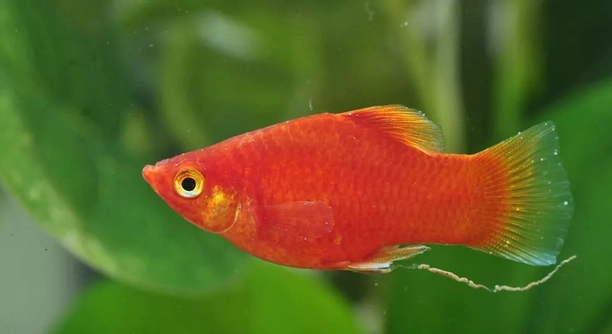
Are your platies spending more time together and swimming side by side, making you wonder if they’re forming a true bond?
Platies show signs of bonding through synchronized swimming, mutual following, calm behavior, and shared resting spots. These behaviors typically indicate comfort, reduced stress, and growing social connection, especially in a stable tank environment.
Watching their social habits develop can be both heartwarming and insightful, especially as you learn what healthy interaction looks like in your aquarium.
They Swim Together Often
When platies start bonding, one of the first things you’ll notice is how often they swim side by side. This behavior shows they feel safe around each other. It’s common for bonded platies to explore the tank together, glide through plants, and even take breaks in the same area. Swimming together is not just playful—it’s a sign of comfort and familiarity. If one changes direction, the other often follows. This coordination is a positive sign of trust. In groups, bonded pairs might stay close while others swim separately. It’s a subtle but clear behavior. They may not always be close, but if you often see them together without signs of stress or chasing, it’s likely they’ve formed a bond.
This sign becomes even more meaningful when the swimming appears relaxed and consistent rather than frantic or forced.
Pay attention to how they swim. Smooth, calm movement with steady pacing often means they feel at ease with each other.
They Rest Near Each Other
Bonded platies tend to choose similar resting spots when they are calm. You’ll notice them hovering in the same corner or near the same plant without conflict.
Resting together shows a deeper level of comfort. In the wild, many fish group closely for safety. While aquarium life is different, the behavior carries over. When your platies rest near each other, especially without flaring fins or chasing, it signals peace. Watch them during quieter moments, like before lights go out or early in the day. You’ll often see them hovering still, sometimes just inches apart. These calm moments are different from play or curiosity. They show trust. If one fish rests and the other joins or stays nearby, it’s a sign they’ve developed a bond. Even with several fish in the tank, bonded platies may choose to be near each other consistently. This behavior can grow stronger over time and is often overlooked, but it’s a reliable way to tell if they are getting along well.
They Follow Each Other Around
Platies that have bonded often follow one another throughout the tank. It’s a sign of curiosity, comfort, and growing attachment. When one moves, the other is usually close behind, showing a strong sense of trust and shared routine.
Following behavior isn’t random. It’s usually calm and steady, not fast or aggressive. If one fish swims to a hiding spot or plant, the other often goes too. This type of behavior shows they are becoming used to each other’s presence. You’ll see them glide through decorations or rest near each other afterward. It’s important to watch the way they follow—no chasing or fin nipping should be involved. A healthy following pattern looks smooth and unforced. They don’t crowd each other but stay close.
Sometimes, this behavior can last for hours. They swim through the same paths and loop back to spots they enjoy. It’s not just playing—it’s a habit forming. That pattern tells you they’re used to each other and even prefer each other’s company. Keep an eye on it across several days. When following turns into a routine, it means they’ve created a small, social bond that often continues as long as their environment stays calm and balanced.
They Share Food Peacefully
Bonded platies often eat together without fighting or crowding. During feeding, they stay near each other and take turns rather than pushing or chasing. This kind of feeding shows patience, which doesn’t always happen with every fish.
Food is usually a source of tension in group tanks. So when platies eat calmly together, it’s something worth noting. One may wait slightly behind the other, or they may nibble from the same area of the tank. This behavior points to trust. They’re not rushing to grab everything, which means they don’t see each other as competition. Even during fast-moving feedings, they won’t flare their fins or snap. You’ll notice less chaos around them compared to fish that aren’t bonded. Watch how they act after feeding, too. If they stay relaxed and don’t act stressed or aggressive, it confirms their bond is growing. Peaceful eating is a small but telling sign of social connection.
They Don’t Nip at Each Other
Nipping is common when fish feel stressed or territorial. When platies bond, that behavior fades. They stop chasing or biting fins and instead swim calmly near each other. Their movements become smoother, and there’s no sign of aggression during regular tank activity.
If you rarely see fin damage or sudden chasing, that’s a good sign. Bonded platies respect each other’s space even in tighter areas. They don’t compete or act out. Their calm behavior shows they’re settled and comfortable sharing the same environment together.
They Show Color More Brightly
Bright, rich colors often appear when platies feel safe and at ease. A bonded pair or group tends to show more vibrant shades. This is because stress levels are lower, which directly affects how their color presents. Dull tones can mean discomfort or conflict. But when bonding happens, their colors stand out—reds look deeper, blues shine brighter, and even subtle tones become clearer. You’ll also notice they swim more confidently. They’re not hiding as much or darting around the tank. Instead, they display themselves freely. Bright color is not just pretty—it reflects their emotional comfort and overall tank harmony.
They Hover in the Same Area
Bonded platies will often hang out in the same part of the tank without conflict. Whether near a plant or decoration, they settle close together calmly. It shows they enjoy each other’s presence and don’t mind sharing space.
FAQ
How long does it take for platies to bond?
Platies don’t bond instantly, but you may start to see signs of connection after a few days in a calm tank. It usually takes around 1 to 3 weeks for them to grow familiar with each other and develop social habits. The bonding process depends on the tank size, water quality, and the number of fish. A clean, stable environment encourages quicker bonding. If the tank is crowded or there’s too much stress, it can delay social behaviors. You’ll know they’re bonding when they start following, resting, and swimming together without showing stress.
Can male and female platies bond, or only same-gender pairs?
Male and female platies can bond, and they often do in a balanced group. However, keeping more females than males is recommended—ideally a 2:1 or 3:1 ratio. This helps reduce chasing and overbreeding stress. Same-gender pairs can bond too, especially females. Male platies are more likely to show chasing behaviors, especially if there aren’t enough females around. Regardless of gender, if you notice calm swimming, shared space, and peaceful feeding, it means the fish are getting along well.
What if one platy is aggressive toward another?
If one fish keeps chasing, nipping, or isolating another, it’s a sign of stress or poor social fit. Start by checking the tank conditions—overcrowding or too few hiding spots can cause tension. Sometimes separating the aggressive fish for a short period helps reset their behavior. If the problem continues, you may need to rearrange the tank layout or add more plants and decorations to create new boundaries. In rare cases, the aggressive fish might need to be rehomed. Not all platies bond, but most will settle down if the environment is right.
Do bonded platies breed more often?
Yes, platies that are comfortable and bonded often breed more frequently. A healthy female can give birth every 4 to 6 weeks. If you notice a male following a female constantly but without nipping, it could mean a bond has formed and breeding may occur. Keep in mind that frequent breeding can be stressful, especially if there’s not enough space or hiding spots for the fry. If you don’t want to manage fry, consider adding more females or separating males.
Can platies bond in a community tank with other species?
Platies can bond in a mixed tank, but it depends on the other fish. They do well with peaceful species like mollies, guppies, tetras, and corydoras. If the tankmates are too aggressive or active, bonding between platies can slow down or become inconsistent. Make sure there’s enough space and places to hide. Platies tend to form loose social groups, and even in a larger mix, they usually find a way to stay near familiar fish.
Will bonded platies stay close for life?
Bonded platies may stick together for long periods, but their social ties can shift. As they age or the tank changes, their behavior may adjust. It’s common for fish to grow apart or bond with new tankmates over time. Changes in tank layout, group size, or health can all influence how closely they stay connected. Still, strong bonds can last for months or more if the tank remains stable. It’s best to watch for consistent behavior rather than expecting permanent pairs.
Do bonded platies get lonely if separated?
If separated suddenly, a bonded platy may show signs of stress. You might see less activity, loss of color, or changes in eating habits. Fish don’t experience emotions the same way people do, but they do recognize routine and companionship. A missing tankmate can throw off their behavior. If you ever need to separate bonded platies, try introducing them to a new peaceful group slowly. With time, they can form new social connections and return to calm behavior.
Final Thoughts
Watching your platies bond is a quiet but rewarding part of keeping an aquarium. These small fish have gentle social habits that can be easy to miss at first. But when you pay close attention, you’ll start to see patterns—like swimming side by side, resting together, or calmly sharing space. These are all signs of comfort and connection. Bonded platies tend to move in a peaceful rhythm, often mirroring each other without tension. This kind of behavior shows that your tank is calm, your fish feel safe, and their environment supports healthy interaction.
It’s important to remember that bonding doesn’t always happen quickly. Each fish has its own temperament, and sometimes it takes weeks before you notice real signs of closeness. A stable tank setup helps a lot. This means good water quality, enough hiding spots, and a calm group of fish. If one platy seems left out or acts aggressively, it might need more space or a different setup. Not all fish will bond the same way, but even a few signs of trust—like resting near each other or feeding without fighting—can tell you that things are going well. Keep watching their small behaviors over time; bonding is something that builds slowly.
As long as you provide a safe, steady environment, your platies will often form their own quiet routines. Whether it’s following each other through plants or calmly hovering in the same corner, these moments are easy to miss but meaningful. They show that your platies feel secure and at ease. You don’t need anything fancy—just clean water, a peaceful group, and a little time to observe. These fish may be small, but their behavior can teach you a lot about trust, balance, and social comfort in a shared space. By learning what bonding looks like, you’ll be able to better support your fish and enjoy a more peaceful, thriving tank.

Hello,
If you enjoy the content that we create, please consider saying a "Thank You!" by leaving a tip.
Every little bit helps us continue crafting quality advice that supports the health, happiness, and well-being of pets around the world, for pets of all shapes, sizes, and species.
We really appreciate the kindness and support that you show us!