
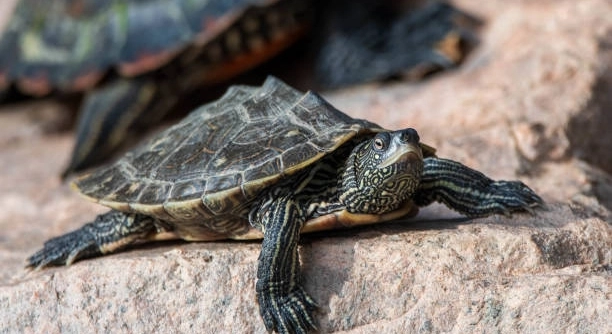
Map turtles, like many reptiles, undergo brumation during colder months. While it’s a natural process, it can present challenges for turtle owners. This article will address seven common problems that can arise during map turtle brumation.
Common problems during map turtle brumation include dehydration, improper temperatures, insufficient space, and inadequate substrate. These issues can affect your turtle’s health and well-being if not properly managed. Proper care during this period is essential for their survival.
Learning how to provide the right environment for your map turtle during brumation is key to ensuring a smooth process. By understanding these common issues, you can avoid pitfalls and help your turtle thrive.
Dehydration During Brumation
Dehydration is one of the most common issues for map turtles during brumation. Since these turtles slow down their activity and reduce food intake, they may not drink enough water. This can lead to dehydration, making it harder for them to successfully emerge from brumation. The problem often arises when there is not enough water available, or when the turtle’s habitat is too dry.
To avoid dehydration, always ensure your map turtle’s tank has clean, fresh water. During brumation, the turtle will typically drink less, but it’s crucial that water remains available. A shallow water dish in the tank will allow your turtle to drink when needed.
If dehydration occurs, it can lead to more serious health problems, such as organ failure or difficulty shedding. To prevent this, you can occasionally offer a warm bath to help rehydrate your turtle. Keep the tank humid enough, especially in colder months, to maintain hydration levels. Regular monitoring and maintaining a suitable environment will make brumation safer for your turtle.
Incorrect Temperature Conditions
Improper temperature regulation can interfere with brumation. Map turtles need a cool environment during this time to slow down their metabolism. If the temperature is too high or too low, it can disrupt their natural cycle and lead to health issues.
The temperature range for brumation should be between 50-60°F (10-16°C). If the temperature fluctuates too much or stays outside of this range, your turtle may either become overly active or fail to enter brumation properly. Setting up a reliable heating system or thermostat can help maintain the right temperature.
Turtles are sensitive to temperature changes, and extreme heat or cold can affect their immune systems and overall health. Make sure your turtle’s habitat has a stable temperature during brumation. A consistent, cooler environment is essential to support your map turtle’s well-being during this period.
Insufficient Space
If your map turtle does not have enough space during brumation, it can affect its health. Too small of an enclosure can increase stress levels and interfere with proper brumation. A cramped space makes it difficult for the turtle to find the optimal position for hibernating.
Make sure your turtle has enough room to stretch out and move slightly during this period. While map turtles don’t require a lot of activity during brumation, they do need to adjust their position for comfort. A spacious tank will allow them to move in and out of the ideal temperature zones.
Inadequate space can also affect the humidity levels inside the tank, making the environment less suitable for the turtle. A larger tank will help ensure the right amount of air circulation and maintain humidity. This will make the brumation period more comfortable and less stressful.
Improper Substrate
Choosing the right substrate is essential during brumation. If your map turtle is kept on the wrong type of substrate, it can lead to discomfort or even health issues. Some substrates may retain too much moisture, while others can dry out too quickly.
The best substrate for map turtles during brumation is something that maintains slight humidity but doesn’t stay overly damp. Coconut fiber or reptile moss are ideal choices. These materials provide a soft surface and keep the humidity level stable, which is crucial for your turtle’s skin and overall health during brumation.
Avoid substrates that may promote bacterial growth, such as sand or dirt. These can lead to infections or respiratory issues when your turtle is inactive. Proper substrate ensures your turtle’s environment is clean, comfortable, and safe throughout the brumation process.
Lack of Proper Monitoring
During brumation, it’s easy to assume that your map turtle doesn’t need much attention. However, it’s important to monitor its condition regularly. Checking on your turtle allows you to spot potential issues early.
Take the time to observe if your turtle is staying in the same position for extended periods. If it seems unusually inactive or weak, it could indicate a problem with hydration, temperature, or substrate. Regular checks are necessary to ensure it’s safely brumating and not suffering from any preventable issues. Always make sure its environment remains stable.
Overfeeding Before Brumation
Overfeeding before brumation can lead to problems like obesity and digestive issues. Map turtles should have a lighter diet leading up to brumation, as they will not need as much food during this time. Feeding large amounts of food can cause digestive distress or prevent the turtle from fully entering brumation.
Cut back on food gradually to ensure the turtle is prepared for its long rest. This helps the turtle’s metabolism adjust, reducing the risk of food not being digested properly. Proper preparation before brumation ensures your turtle’s health and comfort during the colder months.
Inadequate Lighting
Map turtles require proper lighting even during brumation, although it may be less intense than in warmer months. Without UVB light, your turtle can develop calcium deficiencies or other health issues. UVB light helps with calcium absorption and keeps the turtle’s bones strong.
A lack of adequate lighting can also disrupt the turtle’s sleep cycle and make brumation harder. Make sure to provide a dim, indirect UVB light during this time to maintain your turtle’s health. A light source, set on a timer, will allow for a natural day-night cycle.
FAQ
What temperature should I maintain for my map turtle during brumation?
The temperature should be kept between 50-60°F (10-16°C). This cool environment helps slow down your map turtle’s metabolism, allowing it to enter a proper brumation state. If the temperature goes too high or low, it can prevent your turtle from brumating properly and may cause stress. It’s important to avoid drastic fluctuations in temperature, as this can confuse your turtle’s natural cycle.
How long should brumation last for my map turtle?
Brumation can last anywhere from several weeks to a few months, typically between 2-4 months. The duration depends on the individual turtle and environmental factors like temperature. It’s crucial to let your turtle go through this process naturally, as interfering too much can affect its health. Don’t rush the process, and allow your turtle to rest for the time it needs.
How can I tell if my map turtle is healthy during brumation?
While map turtles generally become less active during brumation, you should still check on them regularly. Signs of a healthy turtle include steady breathing and no signs of weight loss or dehydration. If your turtle is excessively lethargic or shows signs of illness, like abnormal discharges, it may need intervention. Always monitor for any signs of abnormal behavior.
Do I need to feed my map turtle during brumation?
No, map turtles do not need to be fed during brumation. Their metabolism slows down significantly, and they can go without food for the duration of the period. Overfeeding before brumation is not recommended, as it can lead to obesity or other digestive issues. If your turtle does not seem interested in eating beforehand, it’s completely normal.
Should I provide UVB lighting during brumation?
Yes, it’s important to provide dim UVB lighting during brumation. While your map turtle will be less active, UVB light is still essential for maintaining its overall health. UVB helps with calcium absorption and bone health. Keep the light dim and use a timer to simulate a natural day-night cycle.
Can I wake my map turtle from brumation early?
It’s not recommended to disturb your map turtle’s brumation unless absolutely necessary. Waking them early can cause stress and interfere with their natural cycles. If you do need to wake your turtle, do so gradually by slightly raising the temperature and allowing it to adjust. Abrupt changes can cause health issues.
How can I help my map turtle if it seems dehydrated during brumation?
If you notice signs of dehydration, such as dry skin or lethargy, you can offer your map turtle a warm bath. This will allow your turtle to rehydrate through its skin. Make sure the water is not too hot and that the bath is shallow. Providing fresh water in the tank can also help. If symptoms persist, consult a vet.
What should I do if my map turtle is too active during brumation?
If your map turtle seems unusually active during brumation, it could be due to temperature or environmental stressors. Ensure the temperature is in the proper range of 50-60°F. If it’s too warm, your turtle may not be able to enter brumation properly. Adjust the temperature accordingly and reduce disturbances in its environment to encourage the natural process.
Can I let my map turtle brumate in a separate tank?
Yes, you can set up a separate tank for brumation if you prefer. However, ensure the temperature, humidity, and space are properly regulated. The separate tank should still have water for hydration and a suitable substrate. Make sure the area is quiet and stress-free for your turtle during this time. Keep the tank in a cool, dark area for the best conditions.
How often should I check on my map turtle during brumation?
You should check on your map turtle at least once a week during brumation. This allows you to monitor its health and ensure its environment is stable. If your turtle is in a separate brumation tank, make sure the temperature and humidity are correct. Look for any signs of dehydration, weight loss, or abnormal behavior.
Is it normal for my map turtle to lose some weight during brumation?
Yes, it’s normal for map turtles to lose a small amount of weight during brumation due to the decrease in activity and food intake. However, excessive weight loss or changes in appearance should be monitored. If your turtle is losing too much weight or seems unhealthy, it may require veterinary attention. Keep an eye on its general condition during brumation to ensure everything is proceeding as it should.
What should I do if my map turtle refuses to brumate?
If your map turtle is refusing to brumate despite the proper conditions, it may be due to factors like temperature or health issues. Double-check that the temperature is correct and that the environment is conducive to brumation. If the problem persists, consider consulting a reptile vet to ensure there aren’t underlying health concerns. Some turtles may naturally not brumate if the conditions don’t trigger the process.
Final Thoughts
Brumation is a natural and necessary process for map turtles, but it requires careful attention to ensure it goes smoothly. The cooler temperatures and reduced activity are important for your turtle’s health, but they also mean you need to adjust their care routine. Dehydration, improper temperatures, and inadequate space are just a few of the common issues that can arise. By monitoring the environment, ensuring the right substrate and water conditions, and making sure your turtle is healthy leading up to brumation, you’ll set the stage for a successful period of rest.
Taking the time to prepare your turtle’s habitat is key to preventing problems. Keeping the temperature stable, providing enough space, and offering the right level of hydration will help ensure your turtle remains comfortable and healthy throughout the brumation process. Even though your turtle will not be as active during this time, it’s important to monitor their condition regularly. Checking for signs of dehydration or health issues, and ensuring the environment is suitable, will help avoid complications.
Overall, brumation is a natural process that should not be rushed. By providing your map turtle with the right conditions, you are helping them enter a state of rest that supports their long-term health. With proper care and attention, your map turtle can come out of brumation in good condition, ready for the warmer months ahead. Understanding the basics of brumation and being prepared to address common issues will make the experience easier for both you and your turtle.

Hello,
If you enjoy the content that we create, please consider saying a "Thank You!" by leaving a tip.
Every little bit helps us continue crafting quality advice that supports the health, happiness, and well-being of pets around the world, for pets of all shapes, sizes, and species.
We really appreciate the kindness and support that you show us!