
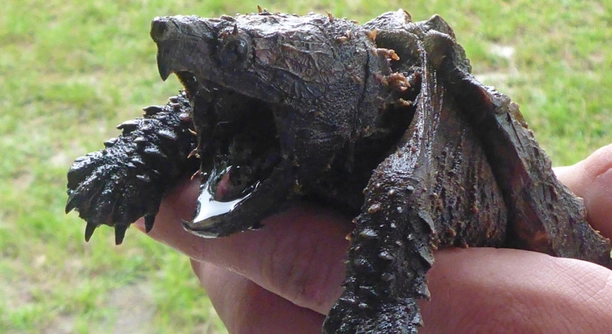
Alligator snapping turtles are unique and fascinating creatures, but they need proper care to stay healthy. One of the common concerns owners face is shell rot, which can cause serious damage if not addressed promptly.
Shell rot in alligator snapping turtles is typically caused by bacterial or fungal infections, often due to improper habitat conditions, poor diet, or injury. Preventing shell rot requires consistent maintenance of their environment, diet, and proper care to ensure their health.
By following these simple steps, you can help your turtle stay strong and free from shell rot. Keep reading to learn how to give your turtle the best care possible.
Maintain a Clean and Dry Habitat
A clean and dry environment is crucial for preventing shell rot. Alligator snapping turtles thrive in aquatic settings, but the water must be kept clean to avoid the buildup of harmful bacteria. Regular water changes are essential, as stagnant water can quickly become contaminated. Make sure your turtle has a proper filtration system in place to maintain water quality.
Keep the basking area dry and free of mold or algae. Shell rot can develop when turtles spend time in damp, unsanitary conditions. Clean the tank, basking platform, and any decorations regularly to remove any buildup. A dry area for basking is essential for your turtle’s overall health, as it allows their shell to stay dry and helps prevent fungal growth.
Providing a clean and dry environment is one of the simplest and most effective ways to keep shell rot at bay. By maintaining proper water conditions and cleanliness in your turtle’s habitat, you’ll significantly reduce the risk of infections and other health issues.
Offer a Proper Diet
Feeding your alligator snapping turtle a balanced and nutritious diet is key to preventing shell rot. A diet that’s high in protein and rich in vitamins will help keep your turtle’s immune system strong and its shell healthy.
Include a mix of fresh foods like fish, worms, and leafy greens. Offering variety in their diet not only supports overall health but also helps prevent nutritional deficiencies that could lead to weakened shells. Be sure to avoid overfeeding, as excess food can lead to water contamination and other issues.
A proper diet strengthens your turtle’s natural defenses and helps them fight off bacteria or fungal infections before they can cause harm.
Avoid Overcrowding the Tank
Overcrowding the tank can stress your alligator snapping turtle and create an environment where bacteria can thrive. Too many animals in a small space can lead to dirty water and limited access to clean basking areas. This stress can weaken your turtle’s immune system and make them more susceptible to shell rot.
Ensure there’s enough space in the tank for your turtle to move freely. A good rule of thumb is to provide at least 10 gallons of water for every inch of shell length. The more room your turtle has, the less likely they are to become stressed or exposed to harmful bacteria.
If you keep multiple turtles or other animals, be mindful of their size and behavior. Aggressive behavior from tank mates can lead to injuries, which, when untreated, could develop into shell rot. Proper spacing and careful tank management reduce the risk of overcrowding-related health issues.
Provide UVB Lighting
UVB lighting is crucial for the health of your alligator snapping turtle. These turtles need UVB light to synthesize vitamin D3, which is essential for strong bones and a healthy shell. Without adequate UVB exposure, they are more likely to develop shell issues, including rot.
Place the UVB light within 12 inches of the turtle’s basking spot, and ensure it stays on for 10 to 12 hours each day. Regularly replace the bulb, as its UVB output diminishes over time. A proper light source mimics natural sunlight, providing the necessary UVB rays your turtle needs.
Consistent UVB lighting helps prevent health problems by promoting strong bones and a well-maintained shell. It also supports their natural behavior, allowing them to bask and absorb the light they need to stay healthy. Make this part of your turtle’s daily routine for better long-term care.
Regularly Inspect Your Turtle’s Shell
Regularly checking your alligator snapping turtle’s shell for signs of damage or infection is essential for preventing shell rot. Look for any cracks, soft spots, or discoloration. Catching issues early helps you address them before they become serious.
If you notice any abnormal changes, take action quickly. The sooner you spot a problem, the easier it will be to treat it before the infection spreads. Carefully inspect the shell during feeding times or while your turtle is basking to make sure everything looks healthy.
Addressing any signs of shell damage or rot right away can prevent bigger problems down the line. Regular inspection helps you keep your turtle safe and healthy.
Avoid Sharp Objects or Rough Surfaces
Sharp objects or rough surfaces in the tank can cause scratches or abrasions on your turtle’s shell. These injuries can create openings for bacteria or fungi to enter, leading to infections.
Ensure that decorations or tank equipment have smooth edges. Avoid anything that could harm your turtle as they move around the tank. A small injury might not seem serious but can lead to infections if untreated. Creating a safe environment free from hazards will help prevent shell damage and keep your turtle healthy.
Maintain Proper Water Temperature
Keeping the water at the right temperature is vital for your turtle’s overall health and preventing shell rot. Water that’s too cold or too warm can cause stress and weaken your turtle’s immune system, making them more susceptible to infections.
Ensure the water temperature stays between 72°F and 80°F, with a slightly warmer basking area. The right temperature helps your turtle digest food properly and keeps their immune system functioning. If the water is too cold, your turtle might become sluggish, leading to potential health issues. Keep a thermometer in the tank to monitor the temperature accurately.
FAQ
How can I tell if my alligator snapping turtle has shell rot?
Shell rot can be identified by visible signs on your turtle’s shell. Look for soft, discolored patches that may appear black, brown, or yellow. The area may also have a foul odor if an infection has set in. In some cases, the shell may appear swollen or even bleed. If you notice any of these symptoms, it’s important to act quickly by seeking veterinary attention.
Can shell rot heal on its own?
No, shell rot does not heal on its own and requires intervention. Left untreated, it can worsen, leading to more severe infections and long-term damage to the turtle’s shell. Immediate treatment is necessary, which may include antibiotics, antifungal treatments, or in some cases, shell debridement (removal of dead tissue) performed by a veterinarian.
What causes shell rot in alligator snapping turtles?
Shell rot is primarily caused by bacterial or fungal infections, which can develop when the turtle’s shell is injured or exposed to poor living conditions. Overcrowding, dirty water, lack of UVB lighting, or even a low-quality diet can contribute to the development of shell rot. Keeping the habitat clean and stress-free is key to preventing this issue.
Can I use hydrogen peroxide to treat shell rot?
Hydrogen peroxide can be used in some cases to clean a turtle’s shell, especially if there is any visible debris or superficial fungal growth. However, it should only be used as a cleaning agent and not as a treatment for advanced shell rot. Always consult a vet if you suspect shell rot to ensure proper treatment.
How often should I change the water in my turtle’s tank?
Changing the water regularly is essential for preventing shell rot. For a healthy, clean tank, water should be changed at least once a week. However, if you have a filtration system in place, you may be able to extend the time between water changes. Always test the water for proper pH levels and cleanliness.
Is UVB light necessary for preventing shell rot?
Yes, UVB light is essential for the overall health of alligator snapping turtles. Without UVB lighting, turtles cannot properly metabolize calcium, which can lead to shell weakness and other health issues. This weakened shell makes the turtle more prone to infections like shell rot. Ensure the UVB light is positioned properly and replaced every 6 to 12 months.
Can a turtle with shell rot still eat and move around?
Turtles with early-stage shell rot may still eat and move around, but they might show signs of discomfort or sluggishness. If shell rot becomes more severe, it can affect their ability to move and eat properly. Any change in behavior, such as reduced appetite or lethargy, should be a signal that something is wrong and that veterinary care is needed.
Can I treat shell rot at home?
While minor shell injuries can sometimes be treated at home, advanced shell rot requires professional veterinary care. If you catch it early, you can help by cleaning the affected area with diluted betadine solution and keeping the turtle in a clean, dry environment. However, for a complete recovery, professional treatment is usually necessary.
What is the best way to prevent shell rot in alligator snapping turtles?
Preventing shell rot starts with maintaining a clean, dry, and healthy environment. Regularly clean the tank, change the water, and ensure there’s no overcrowding. Provide a well-balanced diet, including protein and vitamins, and make sure your turtle gets adequate UVB exposure. Regularly inspect your turtle’s shell for any early signs of damage or infection.
Is it safe to use salt baths for treating shell rot?
Salt baths are sometimes used as a supplementary treatment for shell rot, as they can help to soothe the shell and reduce bacterial growth. However, salt baths should be done carefully and under the guidance of a veterinarian. Too much salt or improper use can harm your turtle. Always ensure the salt bath is of the correct concentration and monitor your turtle during treatment.
Can shell rot cause long-term damage to my turtle?
Yes, if left untreated, shell rot can cause permanent damage to your turtle’s shell and may even lead to the death of the turtle. In severe cases, the infection can spread to the bones beneath the shell, causing deformities and internal damage. Timely treatment is crucial to avoid long-term complications.
Final Thoughts
Preventing shell rot in alligator snapping turtles involves maintaining a clean and healthy environment for your turtle. Regularly changing the water, avoiding overcrowding, and providing a proper filtration system will keep the habitat in good condition. A clean environment reduces the risk of harmful bacteria or fungi that can lead to shell rot. Regular tank maintenance, along with ensuring the water temperature is consistent, helps create a stress-free environment that supports your turtle’s health. Without a healthy habitat, your turtle becomes more susceptible to infections that can harm its shell.
Providing a balanced diet and adequate UVB lighting is just as important as maintaining the tank. A nutritious diet, including a variety of protein sources, helps boost your turtle’s immune system and keeps its shell strong. Without proper nutrition, your turtle may become more vulnerable to shell rot and other health issues. UVB lighting is essential for synthesizing vitamin D3, which promotes healthy bone growth and supports shell health. Regular exposure to UVB light ensures your turtle’s shell remains strong and resistant to infection. Without proper lighting, your turtle’s shell will become weak and more prone to damage or rot.
Finally, regular inspections of your turtle’s shell are necessary to catch any signs of damage or infection early. If you notice any changes in the appearance of the shell, such as soft spots, discoloration, or a foul odor, it’s important to take action quickly. Early intervention prevents more serious damage and helps keep your turtle healthy. While minor shell injuries may be treated at home, it’s always best to consult with a veterinarian for proper treatment, especially if shell rot is suspected. By following these steps and being proactive about your turtle’s care, you can ensure they stay healthy and avoid shell rot in the future.

Hello,
If you enjoy the content that we create, please consider saying a "Thank You!" by leaving a tip.
Every little bit helps us continue crafting quality advice that supports the health, happiness, and well-being of pets around the world, for pets of all shapes, sizes, and species.
We really appreciate the kindness and support that you show us!