
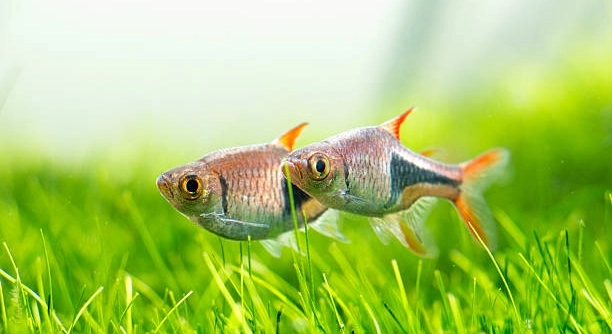
Many aquarists enjoy keeping rasboras because of their delicate appearance and lively behavior. In busy rooms, these small fish can become easily stressed, which affects their health and overall activity in the tank.
Certain sounds have been shown to calm rasboras, reducing stress and promoting natural swimming patterns. Rhythmic, low-frequency tones and gentle water-flow noises create a stable environment, while familiar background sounds mask sudden disturbances effectively.
Understanding which sounds soothe rasboras can improve their well-being and make your aquarium a peaceful space for both fish and observers.
Gentle Water Flow
A steady flow of water can create a calming environment for rasboras. They naturally swim in schools along gentle currents, and moving water helps mimic their natural habitat. Setting up a filter or air stone that produces a smooth, continuous movement can reduce erratic behavior. Avoid strong currents, which may stress the fish. Observing them, I noticed that rasboras tend to stay closer to the water surface when currents are strong, often hiding more than usual. Gentle flows allow them to swim freely without constantly fighting the water pressure. The sound of flowing water can also mask sudden noises from a busy room, such as footsteps or clattering objects. Over time, fish exposed to consistent, gentle water movement appear more active, showing normal schooling patterns and feeding behavior. Maintaining a clean filter ensures the sound stays pleasant and consistent, supporting the calming effect.
Gentle water sounds help rasboras feel secure, reducing stress and encouraging natural swimming patterns in a busy environment.
Properly managing water flow improves the tank’s overall atmosphere. It allows fish to remain active, healthy, and visually engaging. Observing them interact with the current also provides insight into their behavior and preferred swimming areas, making care more effective.
Soft Background Music
Playing soft, low-volume music can positively influence rasboras. Classical pieces or instrumental tracks with slow tempos tend to create a serene environment. Fish are sensitive to vibrations, so keeping the volume moderate prevents startling them. Even in a noisy room, these sounds can provide a predictable auditory backdrop. I have experimented with different tracks and found that consistent rhythms, such as piano or strings, encourage calm schooling and reduce sudden darting movements. Avoid abrupt changes in music or heavy percussion, which may increase stress levels. Repeating the same playlist daily helps the fish acclimate to the sound, providing familiarity in an otherwise busy space. Soft music can also benefit caretakers by making the aquarium a more relaxing place to observe. The combination of visual beauty and gentle auditory stimulation enhances the overall experience while supporting the well-being of the rasboras. Consistency in sound selection and volume is key to maintaining a calm tank environment.
Bubbling Air Stones
Bubbling air stones provide gentle water movement and soft, rhythmic sounds. Rasboras respond positively to the continuous, subtle noise, which helps mask sudden disturbances in busy rooms and encourages relaxed swimming patterns.
Air stones introduce microbubbles that slightly increase oxygenation, improving overall tank health. The consistent bubbling creates a background sound that blends with other gentle noises, offering a predictable environment. I noticed my rasboras tend to gather near the bubbles at first, exploring curiously, then gradually swimming in schools away from the source once they feel comfortable. Placement matters; positioning the air stone where it distributes bubbles evenly prevents areas of turbulence. Maintenance is straightforward—cleaning periodically ensures the bubbles remain steady, and the noise stays soothing. The visual appeal of rising bubbles also adds to the tank’s calming effect.
Rasboras adapt to gentle bubbling quickly, showing reduced hiding behavior and more natural, coordinated swimming. It supports both their mental and physical well-being.
Consistent bubble patterns, combined with soft water flow, create a tranquil habitat. This setup allows rasboras to exhibit normal schooling behavior while remaining calm despite surrounding activity. Regular observation helps adjust positioning for optimal comfort, keeping both fish and caretaker satisfied.
White Noise Machines
White noise machines can help mask disruptive sounds in busy rooms. Continuous, neutral tones reduce sudden auditory stress, making the environment more stable for rasboras.
These machines generate consistent sounds that block unpredictable disturbances such as footsteps, conversations, or appliance noises. I found that placing the machine near the aquarium but not directly against it produces the best results. The constant sound creates a predictable auditory environment, reducing startle responses and encouraging normal swimming patterns. Rasboras tend to remain in open areas and school together more naturally when white noise is present. Adjusting the volume to a low, even level ensures the effect is calming rather than overwhelming. Using the machine during peak activity times in the room helps maintain a stable atmosphere and prevents abrupt behavioral changes. Over time, the fish appear more confident and active, with fewer signs of stress such as erratic darting or clinging to tank corners.
Combining white noise with gentle water movement and other soothing sounds strengthens the overall calming effect. It allows rasboras to thrive in a busy environment while preserving their natural behaviors. Placing it strategically and maintaining a consistent schedule enhances long-term benefits for both fish and the room’s ambiance.
Gentle Rain Sound
The sound of gentle rain can soothe rasboras effectively. Soft, irregular pattering provides a calming background that masks sudden noises in busy rooms, helping fish stay relaxed and maintain normal swimming behavior.
Using a rain sound recording or small indoor fountain simulates natural conditions. Rasboras respond positively to the steady rhythm, often swimming closer to the tank’s middle and upper areas, exploring without hesitation. The subtle variation in sound keeps the environment interesting without causing stress, allowing fish to remain calm during periods of external activity.
Low-Frequency Hum
Low-frequency humming, such as from air pumps or distant appliances, can have a calming effect on rasboras. Consistent, gentle vibrations create a sense of stability in the tank. Proper placement and consistent exposure allow fish to become accustomed to the sound, reducing erratic movement and stress levels.
Aquarium Filter Noise
The steady hum of an aquarium filter produces constant background noise. This predictable sound masks sudden disturbances in busy rooms, helping rasboras feel secure and maintain normal schooling patterns.
FAQ
How do I know if my rasboras are stressed by noise?
Rasboras show stress through erratic swimming, hiding frequently, or clinging to tank corners. Some may stop feeding or separate from the school. Observing their normal behavior helps identify changes caused by loud or sudden noises. Gentle, consistent sounds tend to reduce these stress indicators.
Can all types of music calm rasboras?
Not all music is beneficial. Slow-tempo instrumental tracks, like classical piano or strings, are most effective. Loud, fast, or heavily percussive music can increase stress instead of calming the fish. Consistency and volume control are essential to maintain a soothing environment.
Are air stones necessary for calming sounds?
Air stones are not strictly necessary but are very helpful. They produce gentle bubbles and a soft, rhythmic sound that masks disruptive noises. Proper placement and maintenance ensure the bubbling is consistent, which helps rasboras feel secure and encourages natural swimming.
How long should calming sounds play each day?
Consistency matters more than duration. Playing soothing sounds during peak activity times in the room or throughout the day can help rasboras adjust. Sudden stops or irregular patterns may reduce the effectiveness. Gradual exposure allows the fish to become accustomed to the auditory environment.
Can too many sounds be stressful?
Yes. Overloading the tank with multiple noises or combining strong water flow, music, and devices can confuse and stress the fish. It is best to use one or two calming sound sources at moderate volume for predictable, stable conditions. Observing behavior will guide adjustments.
Will white noise alone be enough to calm rasboras?
White noise can be effective, but it works best in combination with gentle water flow or bubbling. Alone, it provides a neutral background but may not fully replicate natural conditions. Layering soft, consistent sounds supports both mental and physical well-being.
How do I introduce new sounds to my tank?
Introduce sounds gradually. Start with short periods at low volume and observe the fish’s reactions. Increase duration and volume slowly as rasboras become comfortable. Sudden exposure to unfamiliar or loud sounds can provoke stress responses.
Do rasboras prefer natural sounds over artificial ones?
Generally, natural sounds like gentle rain, water flow, or bubbling mimic their native environment and are more effective. Artificial sounds like low-frequency hums or soft music can also work, but natural sounds often produce more consistent calming effects.
Can calming sounds improve feeding behavior?
Yes. When rasboras feel secure, they are more likely to feed regularly and explore the tank. Stress from sudden noises can suppress appetite, so maintaining a consistent, gentle auditory environment supports healthy eating habits.
Is it safe to leave sounds on at night?
It depends on the type and volume. Gentle water flow or low-level white noise is generally safe. Avoid loud or abrupt noises during night hours, as fish require periods of rest and minimal disturbance for proper health.
Do I need to change sounds daily?
No. Consistency is key. Changing sounds frequently can prevent rasboras from acclimating and may increase stress. A predictable, stable environment is more effective for maintaining calm behavior and overall well-being.
How do I maintain calming sound devices?
Regular maintenance ensures effectiveness. Clean air stones and filters to prevent uneven bubbling or loud vibrations. Check recordings or machines for consistent volume and quality. Proper upkeep preserves the calming effect and prevents stress from inconsistent sounds.
Can I combine rain sounds and music?
Yes, but balance is important. Keep both sounds soft and at low volume. The combination can simulate a natural environment, but avoid overlapping too many elements, as it may overwhelm the fish instead of calming them.
How quickly will rasboras respond to calming sounds?
Responses vary. Some fish show reduced stress within hours, while others may take several days to adapt. Observing their behavior during the first week helps determine which sounds are most effective and whether adjustments are needed.
Are there any sounds to avoid completely?
Yes. Sudden bangs, loud voices, heavy percussion, and high-frequency tones can startle rasboras. Avoid any unpredictable or sharp noises, as these increase stress and can disrupt schooling, feeding, and general well-being.
Can sounds help if I have multiple fish species?
Calming sounds often benefit other peaceful species too, but monitor all fish for stress signs. Aggressive or sensitive species may respond differently, so adjust sounds and flow according to the needs of the tank’s inhabitants.
Do different rasbora species react differently to sounds?
Some variations exist. Generally, small schooling species like harlequin and chili rasboras respond well to gentle water flow and soft sounds. Always observe individual behavior to ensure the selected sounds are effective for your specific species.
Is it necessary to combine sounds with visual tank elements?
Combining sounds with hiding spots, plants, and decorations can enhance the calming effect. A stable environment with both visual and auditory consistency helps rasboras feel secure and encourages natural behavior, reducing stress in busy rooms.
What should I do if my rasboras do not respond to sounds?
If there is little improvement, evaluate other stress factors such as water quality, lighting, or tank size. Sounds alone may not resolve underlying issues. Adjusting the overall environment often enhances the effectiveness of calming auditory stimuli.
Creating a calm environment for rasboras in a busy room requires attention to sound, water flow, and general tank conditions. Small fish like rasboras are sensitive to sudden noises and vibrations, which can trigger stress and impact their health. Introducing gentle, consistent sounds such as flowing water, soft rain recordings, or low-frequency hums can help mask disruptive background noise and provide a predictable environment. Maintaining moderate water movement with a filter or air stone contributes both to auditory stability and the physical well-being of the fish, promoting normal swimming patterns and activity levels. Over time, these subtle changes in the tank environment can make a significant difference in how the fish behave and interact with each other. Observing them regularly allows caretakers to notice small improvements or signs of stress, helping ensure that the sounds and setup are effective.
Consistency is a key factor when using sounds to calm rasboras. Fish become accustomed to repeated, predictable auditory cues, which helps reduce startle responses and allows them to feel secure. Sudden or irregular noises can counteract the calming effects and increase stress, so it is important to maintain a stable routine. Combining calming sounds with appropriate lighting, regular feeding schedules, and a well-planted tank supports a holistic approach to fish care. Some caretakers find that layering a soft music track over gentle bubbling or a rain sound creates a pleasant balance, while others prefer a single, consistent sound. The goal is to provide a predictable sensory environment that mimics natural conditions without overwhelming the fish. Observing their behavior over days or weeks will show whether adjustments are needed, and small modifications can greatly improve their comfort and activity.
Ultimately, creating a peaceful space for rasboras is about understanding their needs and responding thoughtfully. Calm sounds, gentle water flow, and a stable environment help fish display natural behaviors, including schooling, feeding, and exploring the tank. Each fish may respond slightly differently, so caretakers must pay attention to individual preferences and reactions. Maintaining clean water, proper temperature, and adequate hiding spots further enhances the effect of soothing sounds. By focusing on these elements, the busy environment of a room does not need to negatively impact the health or well-being of rasboras. Small adjustments can make a noticeable difference, ensuring that the fish remain active, healthy, and visually engaging, while the aquarium itself becomes a serene space within a lively household.

Hello,
If you enjoy the content that we create, please consider saying a "Thank You!" by leaving a tip.
Every little bit helps us continue crafting quality advice that supports the health, happiness, and well-being of pets around the world, for pets of all shapes, sizes, and species.
We really appreciate the kindness and support that you show us!