
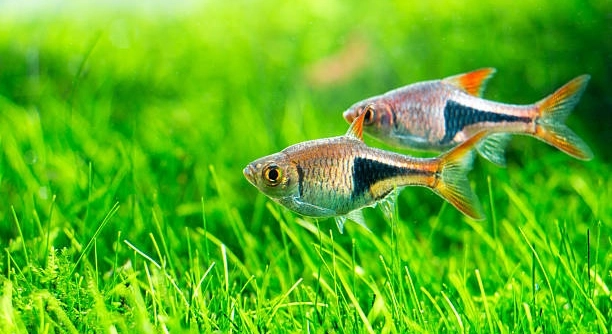
Are your rasboras often hiding or staying still, making your aquarium feel quiet and lifeless? Many fish owners notice their rasboras can be surprisingly inactive, even when everything seems perfect in their tank environment.
Improving rasbora activity primarily involves optimizing their habitat and diet. Maintaining clean water, consistent temperature, adequate lighting, and providing a balanced diet with varied foods stimulates movement. Introducing plants and open swimming spaces encourages natural schooling behavior and exploration.
Small changes in their tank setup and feeding routine can make a significant difference in how lively your rasboras appear. Observing these adjustments can help your fish thrive and enjoy their environment.
Adjust Tank Temperature Gradually
Rasboras are sensitive to temperature changes. Maintaining a stable temperature between 72°F and 78°F keeps them comfortable and encourages activity. Sudden drops or spikes can cause stress, making them hide or remain still. Gradually adjusting the water temperature during seasonal changes helps them acclimate without shock. Avoid placing the tank near windows or heaters that could create fluctuations. Using a reliable aquarium heater with a thermostat ensures a consistent environment. Monitoring temperature daily and making small adjustments prevents stress-related inactivity. Fish react to their surroundings, and even minor changes can influence their behavior. When the water is stable, rasboras are more likely to explore and interact naturally. Adding floating plants or driftwood can also create microenvironments with slightly varied temperatures, giving them options to regulate their comfort. Observing their swimming patterns can indicate whether the temperature is ideal or needs fine-tuning.
Stable temperatures reduce stress and promote regular swimming, feeding, and social behaviors in rasboras, enhancing their overall activity and health in the aquarium.
Maintaining the right temperature is a small change that has a noticeable impact. Fish that are too cold or too warm may become lethargic. By monitoring and adjusting slowly, rasboras will show more movement, explore different areas of the tank, and interact with each other more naturally. Small environmental tweaks create a livelier tank and a healthier fish population.
Provide a Balanced Diet
Feeding rasboras a varied diet helps keep them energetic. High-quality flake food combined with frozen or live options meets their nutritional needs.
A balanced diet ensures rasboras have the energy to swim and interact naturally. Mixing foods encourages them to explore different parts of the tank while feeding.
Offering different food types not only improves activity but also enhances color and overall health. Rotating between flakes, micro pellets, brine shrimp, daphnia, or bloodworms stimulates natural hunting instincts. Overfeeding can lead to lethargy and poor water quality, so providing small, frequent meals is ideal. Watching their response during feeding times can indicate which foods they prefer and which encourage movement. Incorporating live or frozen foods occasionally adds excitement, prompting rasboras to chase and school actively. Balanced nutrition also strengthens their immune system, reducing stress-related inactivity. By paying attention to both quality and quantity, fish owners can ensure their rasboras remain lively, colorful, and healthy in a well-maintained tank.
Add Hiding Spots
Providing hiding spots reduces stress and encourages natural movement. Plants, rocks, and small caves give rasboras safe areas to retreat while exploring the tank.
Hiding spots allow rasboras to feel secure, which makes them more willing to swim and interact with each other. Dense plants along the edges and open spaces in the center create a balance, giving them both shelter and room to move. Driftwood and smooth rocks can also serve as resting places while adding visual interest to the tank. Proper placement of these items prevents overcrowding and maintains swimming paths, encouraging natural schooling behavior. Observing where they hide and swim helps adjust arrangements for optimal comfort.
Adding multiple types of hiding spots benefits both timid and active fish. Some rasboras prefer dense vegetation, while others explore open water. Mixing vertical plants with low-lying decorations gives all fish options. This setup not only improves activity levels but also mimics natural environments. The presence of hiding spots reduces aggressive interactions and promotes calmer social behavior, resulting in a lively yet balanced tank.
Maintain Clean Water
Regular water changes keep conditions safe and healthy for rasboras. Clean water supports movement and reduces stress.
Removing waste, uneaten food, and toxins helps rasboras remain active. Testing water parameters for ammonia, nitrite, and nitrate ensures the tank stays balanced and non-toxic for schooling fish.
Consistency in water quality prevents lethargy and disease. Weekly partial water changes remove buildup that can cause discomfort or health issues. Using a gentle filter circulation avoids strong currents while still keeping the water oxygenated. Monitoring pH and hardness helps maintain optimal conditions for small tropical fish. Clean gravel and surfaces prevent algae overgrowth, which can limit swimming space. Healthy, stable water encourages rasboras to swim freely, interact, and display natural behaviors. Keeping the tank tidy also makes observation easier, allowing you to notice subtle changes in activity or health.
Introduce Gentle Lighting
Rasboras respond well to consistent, gentle lighting. Bright or harsh lights can stress them, causing inactivity, while dim or natural light encourages normal swimming patterns and exploration.
A timer helps maintain a regular day-night cycle. Gradual lighting changes prevent sudden stress, allowing rasboras to feel safe and active during daylight hours.
Encourage Schooling
Rasboras are social fish and thrive in groups. Keeping at least six together promotes natural schooling behavior and increases overall movement within the tank.
Schooling reduces stress and encourages synchronized swimming. Fish that feel isolated may hide or remain still, while a cohesive group motivates activity and exploration throughout the tank.
Rotate Tank Decorations
Changing the arrangement of plants and decorations occasionally stimulates curiosity. New paths and hiding spots encourage rasboras to explore and swim more actively.
Provide Occasional Live Food
Live food such as brine shrimp or daphnia triggers natural hunting instincts. Offering it occasionally boosts energy and activity levels in rasboras.
How many rasboras should I keep together?
Rasboras are schooling fish, so keeping at least six together is ideal. Smaller numbers can make them shy or stressed, reducing activity. A larger group encourages natural movement, synchronized swimming, and social interaction, which keeps the tank lively.
What is the best temperature for rasboras?
Maintaining a stable temperature between 72°F and 78°F is best. Sudden changes in water temperature can cause stress and inactivity. Using a reliable heater with a thermostat ensures stability, while monitoring daily helps prevent fluctuations. Gradual adjustments during seasonal changes are safer for their health.
How often should I feed my rasboras?
Feeding small amounts two to three times a day works well. Overfeeding can cause lethargy and water quality issues. Offering a variety of foods, including flakes, micro pellets, and occasional live or frozen options, encourages activity and supports overall health.
Do rasboras need hiding spots?
Yes, hiding spots reduce stress and promote exploration. Adding plants, rocks, and driftwood gives them areas to retreat and feel secure. A balance of dense areas and open swimming space encourages natural schooling behavior and keeps them more active.
How important is water quality for rasboras?
Maintaining clean water is essential for active, healthy rasboras. Regular partial water changes remove waste and toxins. Monitoring ammonia, nitrite, nitrate, and pH levels ensures a safe environment. Clean water prevents disease, reduces stress, and encourages swimming and interaction.
Can lighting affect rasbora activity?
Yes, gentle and consistent lighting helps regulate their behavior. Harsh or sudden bright lights can stress them, while dimmed or natural lighting promotes normal swimming. Using a timer creates a regular day-night cycle, helping rasboras feel secure and more energetic.
Should I rotate tank decorations?
Occasionally changing plant and decoration arrangements stimulates curiosity and exploration. New paths and hiding spots encourage rasboras to swim and interact more actively. Keeping some familiar areas while introducing new structures maintains security while increasing activity.
Is live food necessary for rasboras?
Live food is not necessary daily, but offering it occasionally boosts energy and triggers natural hunting instincts. Brine shrimp, daphnia, or bloodworms provide stimulation, encouraging movement and interaction within the tank. Combined with a balanced regular diet, live food supports overall vitality.
How do I know if my rasboras are stressed?
Signs of stress include hiding constantly, staying at the bottom, reduced appetite, or erratic swimming. Poor water quality, sudden temperature changes, or insufficient group size are common causes. Addressing these factors promptly improves activity and overall well-being.
Can tank size affect rasbora activity?
Yes, a spacious tank allows for schooling and exploration. Small or overcrowded tanks limit movement, causing inactivity and stress. Providing enough open water while maintaining plants and decorations creates a stimulating environment that encourages natural behavior and swimming patterns.
How often should I clean the tank?
Partial water changes of 20-25% weekly are sufficient to maintain water quality. Cleaning the substrate, removing uneaten food, and gently scrubbing decorations prevents buildup of waste and algae. Consistent maintenance keeps rasboras healthy and active, reducing stress-related inactivity.
What type of plants are best for rasboras?
Live plants that provide hiding spots and open swimming areas work best. Tall plants along the edges and shorter plants in the center create balance. Floating plants offer shade and comfort, while roots and stems encourage exploration, increasing overall activity levels.
Can temperature fluctuations make rasboras inactive?
Yes, sudden drops or spikes can stress rasboras, causing them to hide or remain still. Gradual adjustments and consistent monitoring prevent shock. Providing a stable, ideal temperature range allows them to swim naturally and maintain normal activity.
How does social interaction affect rasboras?
Rasboras rely on schooling for confidence and safety. A cohesive group encourages movement and synchronized swimming. Isolated fish are more likely to hide and show reduced activity. Maintaining a proper group size supports both social behavior and overall tank liveliness.
What is the impact of overfeeding on activity?
Overfeeding can lead to lethargy, poor water quality, and digestive issues. Small, frequent meals with varied food types ensure energy without causing stress. Proper feeding routines encourage active swimming and engagement in natural behaviors.
Are rasboras sensitive to tank placement?
Yes, tanks near direct sunlight, heaters, or drafts can cause stress. Placing the aquarium in a stable environment with minimal fluctuations promotes comfort. Stable surroundings, combined with proper temperature and lighting, support activity and well-being.
How do I encourage shy rasboras to be more active?
Providing hiding spots, a proper group size, and gentle lighting helps shy fish feel secure. Gradually introducing live food or rearranging decorations can stimulate curiosity and exploration. Consistency and a balanced environment improve confidence and overall activity levels.
Can water hardness affect rasboras’ behavior?
Yes, rasboras prefer soft to moderately hard water. Extreme hardness or sudden changes can cause stress and inactivity. Testing and maintaining stable water hardness supports swimming, feeding, and natural schooling behavior.
How does tank cleaning affect activity levels?
Regular cleaning prevents buildup of harmful substances, reducing stress and promoting health. Avoid over-cleaning, which can disrupt beneficial bacteria. Maintaining a clean, balanced environment encourages rasboras to swim, explore, and display natural behaviors consistently.
What role does schooling play in feeding behavior?
Schooling stimulates feeding activity, as fish follow each other when searching for food. Groups chase live or frozen foods, increasing movement and interaction. Proper group dynamics encourage energy expenditure, natural hunting instincts, and active participation during feeding times.
How can I tell if my tank setup encourages activity?
Observation is key. Fish should swim freely, interact with each other, and explore hiding spots. Lethargy, constant hiding, or clustering at one spot indicates adjustments are needed in temperature, decorations, or group size to promote activity.
How often should I test water parameters?
Testing weekly or after major changes helps maintain stability. Monitoring ammonia, nitrite, nitrate, pH, and temperature ensures a safe environment. Consistent testing prevents stress-induced inactivity and supports healthy, active rasboras.
Does tank size impact feeding routines?
Yes, larger tanks require spreading food to reach all fish, encouraging swimming and exploration. Small tanks allow concentrated feeding but may cause competition. Proper feeding distribution in relation to tank size promotes activity and reduces stress.
What is the best way to introduce new decorations?
Add decorations gradually, keeping familiar areas intact. New structures stimulate exploration without overwhelming the fish. Observing responses helps determine placement and ensures rasboras remain confident and active in the changed environment.
Can live plants alone improve activity?
Live plants provide hiding spots, oxygenation, and natural stimuli, encouraging swimming and exploration. A mix of tall and low plants creates variety, helping rasboras feel secure and active throughout the tank.
How does tank maintenance frequency affect behavior?
Regular, consistent maintenance reduces toxins and stress. Infrequent cleaning or irregular water changes can lead to lethargy and poor health. Maintaining a stable, clean environment ensures rasboras remain active and display natural behaviors consistently.
Can light schedules affect feeding behavior?
Yes, a consistent day-night cycle helps regulate feeding and activity. Gradual lighting changes prevent stress, making fish more willing to swim and feed at predictable times. Timers ensure regularity and reduce inactivity caused by sudden light changes.
How important is observing fish behavior?
Daily observation helps detect stress, illness, or inactivity early. Watching swimming patterns, feeding responses, and social interactions provides insights into water quality, temperature, and environmental adjustments needed to maintain activity.
Does water current affect rasbora activity?
Gentle currents promote natural swimming and exercise. Strong currents can tire fish and cause hiding, reducing activity. Using filters that provide mild flow ensures stimulation without stress, keeping rasboras lively and engaged.
How can I prevent overstocking?
Limit the number of fish according to tank size and filtration capacity. Overcrowding causes stress, hiding, and reduced activity. Proper stocking ensures enough space for schooling, exploration, and consistent swimming behavior.
Are floating plants beneficial for activity?
Yes, floating plants provide shade and microhabitats. They create comfort zones and encourage exploration below, stimulating movement and social interaction among rasboras.
How do I know if my rasboras are healthy?
Active swimming, bright colors, regular feeding, and social schooling are signs of health. Lethargy, hiding, or poor appetite indicate issues with water quality, diet, or environmental stressors that need addressing.
What is the best feeding method for active rasboras?
Scatter feeding or using feeding rings encourages swimming and chasing behavior. Combining flakes, pellets, and live or frozen foods stimulates activity, engages natural instincts, and supports overall vitality.
How do I prevent stress from tank maintenance?
Perform gradual water changes, avoid sudden rearrangements, and maintain stable temperature and lighting. Gentle handling of decorations and slow adjustments keep rasboras calm and active.
Can seasonal changes affect activity?
Yes, temperature, light, and water chemistry fluctuations during seasons can impact behavior. Gradual adjustments in heating, lighting, and feeding help maintain consistent activity levels throughout the year.
How does substrate choice affect rasbora activity?
Smooth gravel or sand prevents injury and allows natural foraging. Uneven or sharp substrates can discourage swimming and exploration, leading to reduced activity. Selecting a safe substrate supports natural behaviors.
Should I isolate sick fish?
Yes, isolating sick fish prevents stress and disease spread. Quarantined fish can recover without impacting the activity of healthy rasboras. Maintaining separate tanks for treatment supports overall tank liveliness.
How often should I trim plants?
Trimming maintains open swimming space and prevents overcrowding. Removing dead leaves and managing growth encourages exploration, swimming, and reduces hiding caused by excessive plant density.
Can temperature stress cause long-term inactivity?
Yes, prolonged exposure to unsuitable temperatures can weaken fish, reduce swimming, and make them more prone to illness. Maintaining a stable environment ensures sustained activity and health.
Do decorations affect schooling behavior?
Yes, well-placed decorations provide structure and security, allowing rasboras to school confidently. Poorly arranged or overcrowded tanks can disrupt schooling and reduce activity, while thoughtful placement supports natural movement patterns.
Can feeding live food too often cause issues?
Feeding live food daily may lead to overfeeding or nutrient imbalance. Occasional live feeding stimulates activity and natural instincts while maintaining a healthy, balanced diet for rasboras.
How do I adjust tank layout for shy fish?
Gradually rearrange decorations to provide new paths and hiding spots. Shy rasboras explore more when they feel secure. Maintaining some familiar areas while introducing variety encourages confidence and activity.
Is a filter necessary for activity?
Yes, a filter keeps water clean and oxygenated. Proper flow encourages swimming without creating strong currents that stress rasboras. Regular maintenance ensures consistent water quality and liveliness.
How does tank noise affect behavior?
Excessive noise or vibrations can stress fish, leading to hiding and reduced movement. Placing the aquarium in a quiet area helps rasboras feel secure and remain active.
Can tank size impact social hierarchy?
Smaller tanks may create competition and stress among rasboras. Adequate space supports natural schooling and reduces hiding or aggression, encouraging balanced activity and social interactions.
How do I prevent algae overgrowth?
Regular cleaning, controlled lighting, and balanced feeding prevent algae. Excessive algae can limit swimming space and reduce activity. Maintaining clear water and surfaces supports natural exploration and movement.
Does water pH influence activity?
Rasboras prefer slightly acidic to neutral pH (6.5–7.5). Sudden changes or extremes can stress fish, causing hiding and inactivity. Maintaining stable pH levels supports healthy swimming and social behavior.
Can adding new fish affect activity?
Yes, introducing new fish can temporarily stress the group. Quarantine and gradual acclimation reduce aggression and hiding, helping rasboras regain normal schooling and activity.
Are there signs of overfeeding to watch for?
Uneaten food, bloated fish, and cloudy water indicate overfeeding. These conditions reduce activity and can harm water quality. Proper portioning ensures energy without stress or lethargy.
How often should I inspect tank equipment?
Regular checks on heaters, filters, and lights prevent malfunctions that can stress rasboras. Consistent equipment maintenance ensures stable conditions and supports active, healthy behavior.
Does tank position near windows affect activity?
Direct sunlight or drafts can create temperature swings and stress. Positioning the tank in a stable environment helps maintain comfort, encouraging swimming and exploration.
How can I make feeding time more engaging?
Varying food types, using live or frozen options, and scattering food in different areas stimulates natural foraging and swimming. Active feeding routines encourage energy and social interaction.
What is the role of oxygenation in activity?
Proper oxygen levels support metabolism and energy. Using filters, aerators, or live plants maintains oxygen, enabling rasboras to swim actively and maintain normal behavior patterns.
Can frequent water testing stress fish?
If done carefully, testing does not stress rasboras. Quick, gentle sampling ensures water quality without disturbing their routine, supporting health and activity.
How do I manage aggressive tank mates?
Avoid mixing rasboras with aggressive species. Stress from bullying reduces activity and can lead to hiding. Choosing compatible, peaceful fish preserves natural swimming and schooling behavior.
Does adding a bubbler help activity?
A gentle bubbler increases oxygen and creates slight water movement, encouraging swimming. Excessive bubbles or strong currents, however, can cause stress and hiding.
Can seasonal light changes affect behavior?
Yes, sudden changes in daylight or artificial lighting can stress fish. Gradual adjustments and timers maintain a consistent cycle, supporting natural activity and feeding patterns.
How important is consistent feeding timing?
Regular feeding schedules help rasboras anticipate meals, promoting activity and movement. Irregular feeding can cause stress and lethargy, reducing overall energy and interaction in the tank.
Do rasboras respond to human presence?
Yes, they may swim closer during feeding but generally prefer minimal disturbance. Gentle observation encourages interaction without causing stress or hiding behavior.
How do I ensure long-term activity?
Maintain stable water conditions, proper group size, balanced diet, gentle lighting, and stimulating tank setup. Regular observation and small adjustments ensure rasboras stay active, healthy, and display natural behaviors consistently.
Can temperature drops overnight reduce activity?
Yes, sudden nighttime drops can cause lethargy. Using a stable heater and monitoring temperature prevents stress and supports continuous swimming and schooling behavior.
How do I prevent stress from new decorations?
Introduce items gradually, keeping familiar areas intact. Gradual changes encourage exploration without overwhelming rasboras, maintaining confidence and active movement.
Are rasboras active at night?
Rasboras are primarily diurnal, more active during the day. Providing a proper day-night cycle allows rest at night while supporting peak activity during daylight hours.
Can water hardness swings affect activity?
Sudden changes in hardness can stress fish, causing hiding or lethargy. Maintaining stable, moderate hardness supports swimming, social interaction, and overall vitality.
How do I safely acclimate new rasboras?
Float the bag in the tank to equalize temperature, then gradually mix tank water. Slow acclimation reduces stress, promoting activity and schooling once introduced.
Is tank size more important than decoration for activity?
Both matter. A spacious tank allows swimming, while decorations provide stimulation and hiding spots. Balancing space and structure ensures rasboras remain active, comfortable, and confident in their environment.
Can excessive noise reduce feeding activity?
Yes, vibrations and loud sounds cause stress and hiding. Quiet surroundings improve comfort, making rasboras more willing to feed and swim naturally.
Do rasboras prefer open swimming areas or dense plants?
They need both. Open areas allow schooling and exploration, while dense plants provide security. A balance ensures natural activity, reduces stress, and encourages confident movement.
How do I prevent stress during water changes?
Change water gradually, avoid sudden temperature shifts, and keep decorations stable. Slow adjustments minimize disruption, keeping rasboras active and healthy.
Are certain tank shapes better for activity?
Rectangular tanks provide more horizontal swimming space, supporting schooling behavior. Tall or narrow tanks may limit movement and reduce activity, especially in groups.
Does overcrowding reduce activity?
Yes, too many fish in a limited space increases stress, reduces swimming, and may lead to hiding. Adequate stocking ensures movement, schooling, and interaction.
How can I tell if lighting is too bright?
Fish hiding constantly or staying near the bottom indicates stress from bright lights. Adjusting intensity or adding floating plants creates comfort and encourages normal activity.
Can seasonal temperature drops affect feeding?
Yes, cooler water slows metabolism, reducing appetite and activity. Gradual heating and stable conditions maintain energy levels and normal feeding behavior.
How do I encourage shy fish to school?
Provide hiding spots, consistent group size, gentle lighting, and occasional live food. Shy fish gain confidence and gradually join the school, increasing overall tank activity.
Does water clarity impact activity?
Cloudy water can stress rasboras, causing hiding and lethargy. Clean, clear water promotes confidence, swimming, and natural exploration throughout the tank.
Are there signs of boredom in rasboras?
Limited movement, repetitive swimming in one area, or excessive hiding may indicate boredom. Rotating decorations, adding plants, and varying feeding methods stimulates activity and curiosity.
Can sudden noises cause temporary inactivity?
Yes, loud or abrupt sounds startle rasboras, leading to hiding or freezing. A calm, stable environment encourages continuous swimming and normal social behavior.
How important is routine for rasboras?
Consistent feeding, water changes, and lighting help reduce stress and maintain predictable activity. Fish respond well to stable routines, which support energy, exploration, and social interaction.
Does tank cover affect activity?
A secure cover prevents jumping but should not block light or airflow. Properly positioned, it supports comfort while allowing normal swimming and schooling behaviors.
How often should I monitor behavior?
Daily observation helps detect stress, illness, or environmental issues. Early detection allows adjustments to water, diet, or setup, maintaining healthy activity levels and social interactions.
Can water vibration reduce activity?
Yes, strong vibrations from pumps or external sources can stress fish. Gentle water flow and stable equipment placement support confident swimming and schooling behavior.
Do rasboras benefit from occasional rearrangement?
Yes, occasional changes in decorations stimulate exploration and curiosity. Gradual rearrangement encourages movement while maintaining areas of familiarity for comfort and security.
**How does feeding frequency affect activity
Keeping rasboras active requires attention to several aspects of their environment, diet, and social needs. These small, colorful fish thrive when conditions mimic their natural habitats. A stable tank temperature, consistent lighting, and clean water form the foundation for their overall health and activity. Sudden changes or poor water quality can cause stress, making rasboras hide or remain still for long periods. Providing a well-maintained tank not only promotes natural swimming and schooling behavior but also reduces the risk of illness and lethargy. Paying attention to these basics ensures a comfortable and lively environment for the fish.
In addition to stable conditions, social interaction plays a significant role in rasbora activity. These fish are naturally social and do best in groups of at least six. Smaller numbers can make them shy, while larger groups encourage coordinated swimming and exploration. Hiding spots, such as plants, rocks, and driftwood, provide security, giving timid fish places to retreat without limiting their movement. A balanced diet, including flakes, pellets, and occasional live or frozen food, supports energy levels and triggers natural hunting instincts. Observing how the fish respond to their environment helps determine if adjustments are needed to maintain consistent activity. A lively tank often reflects the attention given to water quality, diet, social grouping, and habitat design.
Maintaining an active group of rasboras is about creating a stable, stimulating environment while avoiding stress. Gradual changes in temperature, decorations, or lighting prevent shock and allow the fish to adjust naturally. Rotating tank elements, providing varied feeding methods, and monitoring behavior help keep rasboras engaged and healthy. Clean water, a proper group size, and a combination of open swimming areas and hiding spots encourage movement throughout the day. By observing daily behavior and making small, consistent adjustments, fish owners can support both physical activity and social interaction. A thoughtful, structured approach ensures rasboras remain energetic, explore their surroundings, and display the natural behaviors that make them enjoyable to watch in the aquarium.

Hello,
If you enjoy the content that we create, please consider saying a "Thank You!" by leaving a tip.
Every little bit helps us continue crafting quality advice that supports the health, happiness, and well-being of pets around the world, for pets of all shapes, sizes, and species.
We really appreciate the kindness and support that you show us!