
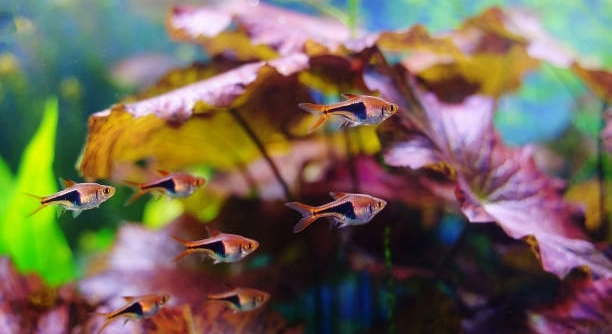
Rasboras are small, delicate fish that react quickly to their surroundings. Their sensitivity makes it important for owners to understand what might stress them. Sounds in and around the aquarium can easily startle these tiny swimmers.
Rasboras are particularly sensitive to sudden noises, vibrations, and consistent loud sounds. Common triggers include tapping on the tank, clattering equipment, nearby footsteps, loud conversations, and household appliances. Recognizing these triggers allows owners to maintain a calm, stable environment for optimal fish health.
Knowing which sounds affect rasboras can help prevent unnecessary stress and keep them active and comfortable in their aquatic home.
Tapping on the Glass
Even gentle taps on the aquarium glass can unsettle rasboras. They interpret vibrations as potential danger and may dart around or hide immediately. Frequent tapping can increase stress, weakening their immune system and affecting appetite. It is easy to forget that these fish are sensitive to even minor disturbances outside the tank. I have noticed that when the tank is in a high-traffic area, rasboras become skittish quickly. Keeping a calm environment with minimal tapping helps them feel secure. Over time, this reduces erratic swimming and supports their natural behaviors. Observing your fish’s reactions can guide how to handle the tank carefully, whether feeding, cleaning, or showing others the aquarium. Simple adjustments, like gently leaning against the tank instead of tapping, can make a noticeable difference.
Even light knocks can trigger a sudden escape response in rasboras, so consistent care is essential to avoid stress.
Minimizing glass taps creates a stable environment. Rasboras become more confident, feed regularly, and display natural schooling behavior. A quiet approach encourages them to explore without fear, supporting long-term health. Small changes in handling can improve their overall comfort and happiness significantly.
Loud Conversations Near the Tank
Rasboras can become anxious when exposed to raised voices or frequent loud talking.
Consistent loud conversation near the aquarium produces vibrations and noise that affect rasboras. They may hide or stop feeding temporarily, signaling stress. Even if the tank seems sturdy, the sound travels through walls and surfaces. I’ve found that speaking softly nearby allows the fish to swim freely without sudden bursts of movement. Over time, they become less reactive when household sounds are gentle and predictable. Reducing noise near the tank is especially important during feeding or maintenance. By controlling the environment, you protect the fish from stress-related behaviors that may not be immediately visible. Maintaining a quiet space supports their natural patterns and keeps them healthy. Rasboras rely on calm surroundings, so monitoring household noise can have a meaningful impact on their well-being. Regular observation will show how much quieter interactions improve their comfort and reduce unnecessary fear.
Clattering Equipment
Equipment like filters, air pumps, or decorations can produce sudden noises that unsettle rasboras. Vibrations from these devices often go unnoticed but can trigger hiding or frantic swimming.
I noticed that when my filter was slightly loose, the humming and rattling made my rasboras jump repeatedly. Even minor vibrations from tank accessories can create a stressful environment. Ensuring all equipment is secured and functioning quietly is essential. Small adjustments, like tightening screws or placing padding under devices, can reduce unwanted noise significantly. Rasboras respond quickly to changes in their environment, so maintaining steady, quiet equipment keeps them calm and active. Observing their reactions to different devices can help identify which ones need modification. Quiet operation encourages natural swimming and feeding behaviors.
Adjusting noisy equipment improves comfort. Rasboras become less skittish, feed consistently, and show more natural schooling. Over time, this enhances their overall health and reduces stress-related behavior.
Household Appliances
Rasboras are highly sensitive to vibrations from washing machines, vacuum cleaners, or blenders. These appliances produce sudden sounds that travel through floors and walls, startling the fish immediately.
When my blender was running nearby, I saw the entire school dart to the tank’s corner. Even distant appliances can cause stress, especially those with strong vibrations. Keeping noisy devices away or scheduling their use when the tank is less active helps maintain a calm environment. Rasboras need stability, and frequent exposure to household vibrations can reduce appetite and affect swimming patterns. Observing their behavior when appliances are in use helps identify problematic machines. Simple precautions, like moving the tank or using vibration dampeners, can make a noticeable difference in their comfort. This ensures they remain active and healthy despite the household routine.
Limiting exposure to appliances prevents unnecessary stress. Rasboras display normal behavior, feed regularly, and avoid hiding, supporting their long-term well-being.
Footsteps Near the Tank
Rasboras can startle from heavy or repeated footsteps near their tank. Vibrations travel through the floor and walls, making them dart or hide.
Placing the tank on a stable surface and minimizing sudden movements nearby helps reduce their stress. They feel safer when the surrounding area is calm.
Dropping Objects Around the Aquarium
Sudden noises from objects falling near the tank can frighten rasboras. Even small items hitting the floor create vibrations that trigger rapid swimming or hiding.
Keeping the area around the aquarium clear and handling items carefully prevents unnecessary stress. I always make sure no tools, decorations, or cups are left where they could fall and disturb the fish. Consistently maintaining a quiet environment ensures that rasboras remain relaxed and active, displaying natural behaviors like schooling and feeding without fear. Observing their reactions helps identify problem spots and adjust daily routines to avoid repeated disturbances. A calm, controlled space directly impacts their overall health and comfort.
Loud Music Nearby
Rasboras react strongly to music played at high volumes. Continuous sound vibrations can cause them to hide or swim erratically.
What noises are most likely to frighten rasboras?
Rasboras are sensitive to sudden or loud sounds that produce vibrations in their tank. Common examples include tapping on the glass, clattering of decorations, running household appliances, loud conversations, and even heavy footsteps nearby. These noises can startle the fish instantly, causing them to dart around or hide. I have noticed that even a slightly loose filter creating a humming or rattling sound can make them jump repeatedly. Keeping track of the sounds in your home and how they affect your fish can help create a calmer environment. Quieting equipment, stabilizing the tank, and placing it away from high-traffic areas can prevent frequent stress for your rasboras.
How can I tell if my rasboras are stressed by sound?
Signs of stress include frantic or erratic swimming, sudden hiding, loss of appetite, or clumping together tightly in one area of the tank. I often watch my fish during times when household noises occur, like when the blender is running or someone is vacuuming. If they consistently react in the same way, it’s a clear indicator that the sound is stressful. Over time, chronic stress can weaken their immune system, making them more prone to illness. Observing their normal behaviors and noting any deviations during noise events is the best way to monitor their comfort. Calm swimming, consistent feeding, and normal schooling patterns indicate a low-stress environment.
Can background music affect rasboras?
Yes, loud music near the aquarium can produce vibrations that unsettle rasboras. They are particularly sensitive to bass-heavy sounds that resonate through the floor or walls. I’ve tried playing soft music at a low volume, and the fish remained calm, showing no sudden hiding or darting. Continuous exposure to loud music, however, can lead to chronic stress. Adjusting the volume or relocating the tank to a quieter room can help maintain a stable environment. Ensuring that music is not played directly next to the aquarium helps the fish feel safe and supports natural behaviors such as schooling and feeding without fear.
Are there ways to minimize sound stress for rasboras?
Yes, several steps can help. Placing the tank on a sturdy, vibration-absorbing stand reduces the transmission of noise. Keeping the surrounding area clear of objects that could fall or create sudden clattering is important. Securing equipment, like filters and air pumps, ensures they operate quietly. I also make a point to schedule household chores like vacuuming or laundry when the fish are less active. Reducing loud conversations and maintaining a calm environment near the tank consistently helps them feel safe. Even small adjustments, like soft padding under equipment or careful placement of decorative items, make a noticeable difference in their comfort.
Is it okay for rasboras to be exposed to occasional noise?
Occasional, brief noises are generally tolerated if they are infrequent and the fish have a calm environment the rest of the time. I’ve noticed my rasboras recover quickly from the occasional knock or short burst of household sound. Problems arise when noise is continuous or repeated daily. Chronic exposure can result in stress-related behaviors, including loss of appetite, hiding, and erratic swimming. Ensuring there are hiding spots and stable areas in the tank helps them cope better with occasional disturbances. A predictable environment with minimal sudden sounds supports their well-being while still allowing normal household activities.
How do I create a quiet environment for my rasboras?
Start by placing the tank away from busy areas, like hallways or kitchens. Secure all equipment to reduce vibrations and avoid tapping on the glass. I always keep heavy or potentially noisy objects away from the tank. Softening nearby surfaces, like placing rugs under the stand, can reduce floor vibrations. Monitoring household routines and adjusting when loud activities occur ensures a calmer space for the fish. Observing the fish’s responses over time shows which noises affect them most. A quiet, controlled environment encourages regular swimming, feeding, and natural schooling behavior. Consistency in noise reduction directly improves their health and reduces stress levels.
What should I do if my rasboras remain stressed despite precautions?
If rasboras continue to show signs of stress despite minimizing noise, it may indicate that certain vibrations or sounds are unavoidable in their current location. I found that relocating the tank to a quieter room or using vibration-dampening mats under equipment can help. Adding plants or hiding spots provides a sense of security and reduces the impact of unavoidable disturbances. In some cases, adjusting the schedule of household activities or reducing the duration of noisy events helps them feel more secure. Observing their behavior after each change ensures that interventions are effective, and combining multiple strategies provides the best long-term results.
Can I train rasboras to tolerate certain sounds?
Rasboras may become accustomed to predictable, low-level noises over time, but sudden or loud sounds are always stressful. I slowly introduced quieter equipment sounds and repeated household noises at low intensity, and over time, the fish showed reduced fear responses. Training is gradual and requires patience. Consistency is key: irregular exposure or loud, unpredictable sounds will negate progress. Ensuring that noise exposure is paired with calm periods and safe hiding spots helps the fish build tolerance without compromising health. However, even with training, avoiding unnecessary loud sounds is the most effective way to maintain a stress-free environment for rasboras.
Are some rasbora species more sensitive to sound than others?
Yes, sensitivity can vary depending on the species and size of the fish. Smaller species like harlequin rasboras are often more reactive to vibrations than larger types. I noticed that in a mixed tank, some species remain near the surface, while others hide immediately during sudden noises. Observing each species’ reactions helps in arranging the tank and managing noise. Providing plants, driftwood, and other hiding spaces allows more sensitive species to feel secure. Understanding the unique needs of each species ensures that environmental adjustments meet their specific stress thresholds, promoting healthy and natural behavior across the aquarium.
Rasboras are small, delicate fish that rely heavily on a calm environment to feel secure. They are highly sensitive to vibrations and sounds, which can cause sudden darting, hiding, or changes in behavior. Even household noises that may seem minor to us, like footsteps, running appliances, or dropping objects, can startle them. Over time, repeated exposure to these disturbances can lead to stress, reduced appetite, and weaker immune systems. It is important for owners to pay attention to how their fish respond to different types of noises. Observing their behavior regularly allows you to identify which sounds affect them most and take steps to reduce those triggers. Small adjustments in the tank’s location, equipment, and handling can make a significant difference in creating a stable, low-stress environment.
Maintaining quiet and minimizing vibrations around the tank is key to supporting the well-being of rasboras. Securing equipment such as filters and air pumps to prevent rattling, adding padding to reduce vibration transfer, and ensuring that decorations are stable can help reduce noise levels. Additionally, placing the aquarium away from high-traffic areas or rooms with frequent loud activity provides a calmer space for the fish to thrive. Consistency is essential. Sudden changes or irregular exposure to loud sounds can undo progress and increase stress levels. Over time, a carefully controlled environment encourages natural behaviors like schooling, regular swimming, and consistent feeding. I have noticed that even small adjustments, such as softening surfaces near the tank or rearranging equipment for quieter operation, result in calmer fish. Simple steps like these make a meaningful difference in their comfort and overall health.
Creating a stress-free space for rasboras requires attention to detail and a willingness to adjust daily routines. Offering hiding spots, such as plants, driftwood, or caves, gives the fish a sense of security when unavoidable noises occur. Observing the reactions of individual fish helps determine which changes are most effective and which areas need additional attention. Patience is important because results may not appear immediately, but consistent effort ensures a healthier, more active aquarium. When noise triggers are minimized, rasboras display natural, confident behavior and maintain better physical health. A calm environment not only improves their quality of life but also makes the tank more enjoyable to watch. By understanding the impact of sound and taking steps to reduce disturbances, owners can support the long-term well-being and happiness of their rasboras.

Hello,
If you enjoy the content that we create, please consider saying a "Thank You!" by leaving a tip.
Every little bit helps us continue crafting quality advice that supports the health, happiness, and well-being of pets around the world, for pets of all shapes, sizes, and species.
We really appreciate the kindness and support that you show us!