
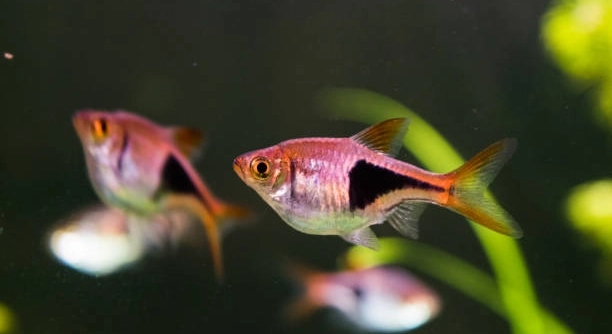
Are your rasboras showing sudden aggression in the tank, nipping at each other more than usual? Observing these small fish interact can be worrying, especially when they have been peaceful before, creating stress for both the fish and owner.
Rasboras may fight due to limited space, poor water quality, lack of hiding spots, incompatible tank mates, incorrect diet, overcrowding, or stress from environmental changes. Addressing these factors is essential to maintain a balanced and harmonious aquarium environment.
Understanding why these fish act aggressively helps in creating a calmer, healthier tank. Proper adjustments can prevent further conflicts and support their natural behavior.
Limited Space in the Tank
When rasboras have too little room to swim freely, tension rises quickly. Small tanks prevent fish from establishing territories, and frequent close encounters can lead to aggression. Each rasbora needs enough space to explore, swim in groups, and retreat when stressed. A crowded environment amplifies stress, which often triggers fighting among even the calmest individuals. Overcrowding reduces oxygen levels and increases waste, both of which worsen aggressive behavior. Providing a tank with sufficient horizontal and vertical swimming space allows rasboras to move comfortably, reducing constant competition. Plants and decorations can help create natural boundaries, giving fish visual barriers that prevent direct confrontation. Observing your tank’s layout and comparing it to recommended stocking levels can reveal whether limited space is causing disputes. Adjusting the number of fish or upgrading the tank size often resolves tension, improving health and overall well-being for all inhabitants. Ensuring a proper environment is the first step to a peaceful aquarium.
Overcrowded tanks can be stressful for rasboras, making them more prone to fights and health problems.
Creating a well-spaced habitat allows each fish to establish its own swimming areas. By adding plants, hiding spots, and proper tank dimensions, you reduce direct confrontations and provide comfort. Fish move more freely, waste accumulates less quickly, and water quality stays stable. Spacing is essential for natural schooling behavior and minimizing conflicts. Monitoring fish interactions after adjustments confirms the improvements.
Poor Water Quality
Dirty or unbalanced water quickly stresses rasboras, increasing aggression.
High ammonia, nitrite, or nitrate levels can make fish irritable. Regular testing, partial water changes, and proper filtration are necessary to maintain stable water conditions, keeping rasboras healthy and calm.
Water parameters directly impact fish behavior. Even minor fluctuations in pH, temperature, or hardness can upset rasboras. Stress from poor water quality may cause them to chase, nip, or isolate weaker fish. Filtration removes debris and harmful chemicals, while regular partial water changes maintain clarity and oxygen levels. Testing kits help monitor parameters, and adjusting as needed ensures stability. Plants and substrate choices can assist in naturally regulating water conditions, creating a balanced ecosystem. Clean water supports strong immune systems and reduces disease risks, which in turn minimizes aggression. Observing fish daily helps detect subtle signs of stress before conflicts escalate. A stable, well-maintained tank encourages peaceful schooling and promotes long-term health for rasboras.
Lack of Hiding Spots
Rasboras need places to retreat when feeling threatened. Without sufficient hiding spots, stress rises, and fights become more frequent. Adding plants, rocks, or decorations creates secure areas where fish can rest or escape confrontations, reducing aggression naturally and keeping the tank balanced.
Providing hiding spots improves both behavior and well-being. Dense plants, caves, or driftwood allow timid fish to find refuge and avoid confrontations. When fish can retreat, they feel safer, and dominant individuals are less likely to harass others. Hiding spots also break line-of-sight, preventing constant chasing and helping fish establish territories. Over time, this creates a calmer environment, allowing rasboras to focus on schooling and natural behavior rather than defending space or competing for attention.
Strategically placing decorations and plants throughout the tank ensures that all rasboras have access to shelters. Combining tall plants with open swimming areas creates variety and choice. Observing fish interactions after introducing hiding spots usually shows a noticeable drop in aggression. Even shy fish begin to explore more confidently, and dominant fish learn to respect boundaries. A thoughtful arrangement encourages peaceful coexistence while maintaining a visually appealing and healthy environment for the entire aquarium community.
Incompatible Tank Mates
Some fish simply do not get along with rasboras, causing fights. Choosing species carefully prevents unnecessary stress.
Aggression often arises when tank mates are larger, territorial, or fast-moving. These mismatches lead to chasing, nipping, or stress-induced illness. Selecting peaceful, similarly sized species ensures compatibility and reduces conflict, supporting natural schooling behavior and a harmonious tank.
Introducing compatible species requires observing behavior, size, and temperament. Even minor differences in activity levels can trigger aggression. Fast or overly curious fish may chase rasboras, while territorial species may claim parts of the tank, leaving little space for schooling. Pairing them with other small, calm fish allows rasboras to maintain social cohesion without being harassed. Gradual introductions help the community adapt, preventing sudden stress spikes. Maintaining compatible water parameters for all species is also essential, as mismatched conditions can exacerbate tension. A carefully selected group of tank mates supports health, peace, and long-term stability in the aquarium.
Incorrect Diet
A poor diet can make rasboras irritable and more prone to fighting. Lack of essential nutrients weakens their immune system and affects behavior, increasing stress and aggression in the tank.
Providing a balanced diet with high-quality flakes, pellets, and occasional live or frozen food keeps rasboras healthy.
Overcrowding
Too many fish in a single tank raises stress and competition. Overcrowding limits swimming space, increases waste, and reduces oxygen levels, all of which can trigger fights among rasboras. Careful stocking and monitoring numbers is crucial to maintain a calm environment.
Environmental Stress
Rapid changes in water temperature, lighting, or tank layout disturb rasboras. Stress makes them more aggressive and less tolerant of each other, escalating conflicts.
Lack of Social Structure
Rasboras are schooling fish that rely on established social hierarchies. Without proper group sizes, they become stressed, and dominant individuals may attack weaker ones, leading to frequent fights.
FAQ
Why are my rasboras nipping at each other?
Nipping usually happens when fish feel stressed, overcrowded, or threatened. Lack of hiding spots, poor water quality, or incompatible tank mates can also trigger this behavior. Ensuring enough space, stable water conditions, and suitable companions helps reduce nipping and maintain harmony in the tank.
How many rasboras should I keep together?
Rasboras are schooling fish and do best in groups of six or more. A proper group allows them to establish a social hierarchy and reduces stress. Smaller groups may increase aggression as fish compete for dominance and feel insecure in the tank.
What tank size is appropriate for rasboras?
A tank of at least 20 gallons is recommended for a small school. Larger tanks provide more swimming space, reduce territorial disputes, and improve water stability. Proper space encourages natural behavior and minimizes stress-induced fights.
Which tank mates work best with rasboras?
Peaceful, similarly sized fish are ideal companions. Avoid large, aggressive, or overly active species that may chase or stress rasboras. Compatible tank mates support schooling behavior and maintain a calm and balanced aquarium environment.
How can I improve water quality for my rasboras?
Regular water changes, efficient filtration, and monitoring ammonia, nitrite, and nitrate levels are essential. Stable pH and temperature also reduce stress. Adding live plants can help regulate the ecosystem and maintain oxygen levels naturally.
Do hiding spots really reduce aggression?
Yes, providing plants, rocks, and decorations creates safe areas where timid fish can retreat. Hiding spots prevent constant chasing and allow fish to establish territories, lowering overall stress and improving social interactions.
Can diet affect aggression?
A poor or inconsistent diet can make rasboras irritable and more prone to fighting. Providing high-quality flakes or pellets supplemented with live or frozen foods ensures proper nutrition and supports calm, healthy behavior.
How do I know if my tank is overcrowded?
If rasboras frequently chase or nip each other, or water quality drops quickly, the tank may be overcrowded. Following recommended stocking guidelines and observing fish interactions helps determine if space adjustments are needed.
Will environmental changes make a difference?
Yes, sudden changes in temperature, lighting, or tank layout can increase stress and trigger fights. Gradual adjustments and maintaining a stable environment keep rasboras calm and reduce aggressive behavior.
Is it normal for rasboras to have a social hierarchy?
Yes, a hierarchy is natural in schools. Dominant fish may occasionally chase others, but problems arise when space is limited or stress levels are high. Providing enough room and hiding spots helps maintain a healthy social structure.
How long does it take for rasboras to calm down after fights?
Calming depends on resolving stress factors like overcrowding, poor water quality, or incompatible tank mates. With proper adjustments, behavior can improve within days, though patience is necessary to let the social structure stabilize naturally.
Can I separate aggressive rasboras temporarily?
Yes, isolating the most aggressive fish in a temporary tank can reduce immediate conflict. However, long-term solutions should focus on improving the main tank environment rather than relying solely on separation.
Do plants help in reducing aggression?
Live plants create hiding spaces and break line-of-sight between fish. This reduces chasing and provides areas for timid individuals to rest, making the tank environment calmer and more balanced.
How often should I monitor my rasboras for aggression?
Daily observation is ideal. Watching interactions and noting changes in behavior allows you to address issues early, preventing minor disputes from escalating into serious injuries.
Are certain rasbora species more aggressive than others?
Some species show slightly higher activity levels, but most are peaceful. Aggression is usually influenced by environment, group size, and tank conditions rather than species alone. Proper care ensures all rasboras remain calm and healthy.
What should I do if fights continue despite improvements?
Reevaluate tank size, group composition, hiding spots, and water quality. Persistent aggression may require adjusting stocking levels or considering different tank mates to maintain harmony.
Can stress from previous fights affect health?
Yes, repeated stress can weaken the immune system, making rasboras more susceptible to disease. Reducing aggression and maintaining a stable environment promotes long-term health and reduces stress-related illnesses.
How do I know if my rasboras are stressed?
Signs include hiding excessively, erratic swimming, color fading, or fin damage. Identifying stress early allows adjustments to water quality, tank layout, or group composition to improve well-being.
Is overcrowding worse than occasional chasing?
Yes, overcrowding continuously raises stress levels and triggers frequent fights, while occasional chasing is normal within a stable hierarchy. Ensuring proper stocking prevents ongoing conflicts and maintains a healthy, calm environment.
Can I mix rasboras with other schooling fish?
Yes, as long as the species are peaceful, similarly sized, and share compatible water requirements. Mixing with other calm schoolers can enhance natural behaviors without increasing aggression.
Does tank decoration placement matter?
Strategic placement of plants and ornaments creates territories and hiding areas. This reduces direct confrontations, encourages exploration, and helps maintain a peaceful environment for all fish.
How important is gradual introduction of new fish?
Introducing new fish slowly allows the school to adjust, minimizing stress and preventing immediate fights. Quarantine new additions first to reduce the risk of disease spreading.
Should I consider breeding behavior when managing aggression?
Yes, during breeding, rasboras may become more territorial. Providing extra space and hiding areas helps reduce aggression during these periods.
Can water temperature affect aggression levels?
Yes, sudden temperature changes or consistently high temperatures can stress fish, making them more prone to fighting. Maintaining stable, species-appropriate temperatures keeps behavior calm.
Are there long-term strategies to prevent fights?
Maintaining proper tank size, compatible tank mates, a balanced diet, hiding spots, and stable water conditions prevents most conflicts. Regular observation and adjustments ensure rasboras remain healthy and social over time.
How can I tell if my interventions are working?
Reduced chasing, nipping, and visible stress indicate improvements. Fish begin schooling naturally, exploring the tank more confidently, and the overall environment becomes calmer and more balanced.
Rasboras are peaceful, schooling fish that thrive in a stable and well-maintained environment. Observing fights or aggressive behavior in the tank can be concerning, but it is often a result of identifiable factors rather than inherent hostility. Common issues include overcrowding, poor water quality, lack of hiding spots, incompatible tank mates, incorrect diet, and environmental stress. Addressing these factors directly helps reduce aggression and supports the natural behavior of the fish. Proper tank setup, careful selection of companions, and consistent care are key to maintaining a calm and healthy aquarium. Ensuring that each fish has enough space, access to food, and places to retreat is essential for minimizing conflict and promoting overall well-being.
Providing hiding spots and decorations is particularly important for rasboras. Dense plants, driftwood, and small caves allow fish to escape confrontations and establish territories without constant interference. These structures break line-of-sight between individuals, which prevents prolonged chasing or nipping. Observing the fish after adding hiding spaces often shows a noticeable improvement in behavior, with less stress and more natural schooling. In addition, regular monitoring of water parameters, including pH, ammonia, nitrites, and nitrates, ensures that environmental conditions remain stable. Poor water quality can cause irritability, weaken the immune system, and increase susceptibility to disease, all of which may exacerbate aggression. By maintaining a balanced and clean tank, rasboras are less likely to engage in harmful behaviors, and overall tank health is improved.
Long-term care and observation are crucial for a peaceful tank. Adjusting tank size, stocking levels, and group composition based on fish behavior helps prevent recurring issues. Gradual introduction of new fish and careful attention to diet further supports stability. Temperature consistency and minimal sudden changes to the environment reduce stress, keeping rasboras calm and social. Even minor interventions, such as adding plants or rearranging decorations, can have a significant positive impact. By focusing on these factors, aggression can be minimized, allowing rasboras to exhibit natural schooling behavior, explore the tank freely, and interact safely with their tank mates. Maintaining this approach over time ensures the health, happiness, and harmony of the aquarium community.

Hello,
If you enjoy the content that we create, please consider saying a "Thank You!" by leaving a tip.
Every little bit helps us continue crafting quality advice that supports the health, happiness, and well-being of pets around the world, for pets of all shapes, sizes, and species.
We really appreciate the kindness and support that you show us!