
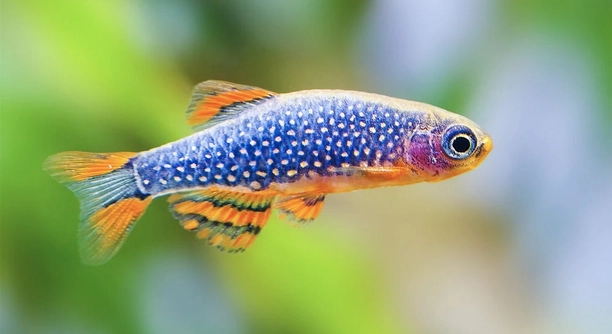
Do your Danios sometimes dart around the tank without any apparent reason, startling both you and their tankmates? These sudden bursts of energy can seem random, but they often occur in response to specific environmental or social triggers.
Danio darting is primarily triggered by changes in their environment, the presence of other fish, or sudden disturbances. Understanding these situations helps aquarists minimize stress and maintain the fish’s health, ensuring a stable and comfortable habitat.
Recognizing these triggers allows you to create a calmer tank environment, supporting your Danios’ natural behavior while reducing unnecessary stress.
Sudden Movements in the Tank
When Danios detect sudden movements outside their tank, they often react by darting rapidly. Even small motions, like someone walking past or tapping the glass lightly, can trigger this behavior. Their instincts make them sensitive to potential threats, which is why these bursts appear so unpredictable. Maintaining a calm environment around the tank helps reduce unnecessary stress. Over time, observing their patterns can also reveal which external stimuli are most likely to cause darting. Adjusting the tank placement away from high-traffic areas and reducing reflective surfaces can create a more stable environment for the fish. Adding plants or decorations for hiding spots can also help Danios feel more secure, providing areas where they can retreat if startled. Recognizing these behavioral responses allows you to manage the tank setting proactively and reduce frequent sudden movements, supporting the overall health and comfort of your Danios.
Frequent movement near the tank should be minimized to prevent stress. Danios thrive best in a consistent, calm environment.
Providing visual barriers or planting dense areas in the tank gives Danios a safe space. Over time, reduced external triggers lead to calmer, more predictable behavior. Observing how different setups impact darting can guide improvements in tank management. Adjusting light sources, furniture placement, and even the angle of viewing areas can contribute to a more relaxed environment. Additionally, grouping Danios in compatible numbers helps them feel secure, reducing sudden bursts. Paying attention to these details can make their daily behavior smoother and less erratic. Keeping water conditions stable, including temperature and pH, complements these changes and supports natural activity levels. By understanding and managing their reactions, you ensure both their comfort and the tank’s overall balance, creating a habitat where Danios can swim confidently without frequent alarming starts.
Interactions with Tankmates
Danios often dart when other fish swim aggressively or invade their space.
Aggressive or overly active tankmates can cause stress. Observing fish interactions helps identify which companions trigger sudden movements. Separating incompatible species or adding hiding spaces can reduce these stressful encounters, encouraging calmer swimming patterns. Maintaining compatible groupings ensures balanced social behavior and reduces conflicts.
Sudden Changes in Water Conditions
Danios react quickly to shifts in temperature, pH, or ammonia levels. Even minor changes can trigger darting, as their instincts respond to potential danger in the environment. Maintaining stable water parameters helps reduce sudden movements and supports overall health.
Monitoring water regularly is essential. Temperature fluctuations can occur from heaters, lights, or room changes. Rapid pH shifts stress the fish and cause erratic swimming. High ammonia or nitrite levels irritate their gills, prompting darting. Using a reliable test kit and adjusting conditions gradually prevents these reactions. Consistent partial water changes and proper filtration help maintain stable water chemistry. By keeping the environment steady, Danios can swim naturally without sudden bursts caused by stress from their surroundings.
Acclimating new Danios or changes in water chemistry should be gradual. Sudden introductions or adjustments often lead to panic darting, which can be minimized with careful planning. Adding water slowly when performing changes and monitoring fish behavior during acclimation ensures they adjust safely. Avoiding abrupt lighting or heater changes also reduces stress. Observing patterns over time can identify which environmental shifts consistently trigger darting. Implementing preventive measures maintains calm activity and promotes the fish’s well-being.
Feeding Time Excitement
Danios often dart in response to food entering the tank, reacting with bursts of energy.
Feeding stimulates high activity. Danios may dash rapidly toward the surface or around the tank when they see food. This behavior is normal and shows their natural enthusiasm for feeding. Proper portioning and predictable schedules can help moderate frantic movements while ensuring all fish get enough nutrition.
Overfeeding or irregular feeding times can intensify darting. Danios have fast metabolisms, so sudden large portions lead to competition and erratic swimming. Smaller, more frequent feedings encourage controlled activity and reduce stress. Observing how quickly they approach food helps gauge hunger levels and adjust amounts appropriately. Floating pellets or sinking options allow the fish to feed at their own pace, minimizing frantic bursts. Consistency in feeding location and timing further stabilizes their behavior, creating a calmer atmosphere during mealtime. Watching their response over several sessions provides insights into optimal feeding practices, reducing unnecessary panic and supporting balanced social interaction during feeding periods.
Tank Cleaning Disturbances
Danios may dart during tank maintenance, reacting to sudden activity or water movement. Even gentle cleaning can trigger short bursts of speed, as they perceive changes as potential threats.
Minimizing disturbance during cleaning helps reduce stress. Using calm, slow movements and avoiding sudden splashes allows the fish to remain relaxed while the tank is maintained.
Lighting Changes
Rapid changes in light intensity can startle Danios, causing immediate darting. Sudden bright or dim lighting disrupts their sense of safety and triggers instinctive escape responses. Gradual adjustments or using a dimmer light system reduces stress and encourages stable swimming behavior throughout the day.
Introduction of New Fish
New tankmates can create tension and prompt darting. Danios respond to unfamiliar fish with heightened alertness, often darting to establish space or assess threats. Observing their interactions closely ensures compatible groupings and allows timely intervention if aggressive behavior arises.
Reflections in Glass
Danios may react to their own reflection, mistaking it for another fish. Glass reflections can trigger chasing or darting behavior, especially under bright lighting conditions. Adjusting tank placement or reducing reflective surfaces helps limit these unnecessary bursts.
Why do my Danios dart around the tank suddenly?
Danios naturally react to changes in their environment. Sudden movements, bright lights, or disturbances in the water often trigger their darting behavior. This is an instinctive response to potential threats, which is common in small, fast-moving fish. Maintaining a calm environment and predictable routines helps reduce these sudden bursts.
Is darting a sign of stress or illness?
While darting is often a normal behavior, frequent and intense darting can indicate stress or poor water conditions. High ammonia, nitrite, or rapid pH shifts irritate the fish and provoke erratic swimming. Stress from aggressive tankmates or overcrowding can also increase darting. Monitoring water parameters and observing fish interactions helps determine whether the behavior is normal or a concern.
How can I minimize darting caused by external disturbances?
Positioning the tank in a low-traffic area reduces stress from outside movement. Avoid tapping the glass, sudden hand movements, or shadows near the tank. Adding plants, decorations, or hiding spaces gives Danios areas to retreat. Over time, they adjust to consistent external stimuli, and frequent darting decreases.
Does feeding influence darting behavior?
Yes, feeding is a common trigger. Danios are naturally fast-moving during mealtime, especially if food is dropped suddenly or in large amounts. Smaller, frequent feedings reduce competition and frantic activity. Using floating pellets or sinking food allows fish to eat at their own pace, preventing stress-related darting and promoting calmer behavior during feeding.
Do lighting changes affect Danio activity?
Sudden bright or dim lighting can startle Danios. They react instinctively, often darting when light intensity changes quickly. Gradual adjustments or using timers for lights helps fish acclimate and reduces erratic movements. Consistent lighting schedules also maintain natural activity patterns, supporting overall well-being.
Can reflections in the tank cause darting?
Yes, reflections on glass can confuse Danios. They may mistake their reflection for another fish, leading to chasing or darting behavior. Minimizing reflective surfaces, adjusting light angles, or placing the tank away from windows reduces these reactions. Plants and decorations further limit reflective areas, calming the fish.
Will introducing new fish increase darting?
Introducing new tankmates often triggers temporary darting. Danios are alert to unfamiliar fish and may dash to establish space or assess potential threats. Observing interactions carefully, quarantining new fish before introduction, and ensuring compatible species reduces prolonged stress and prevents aggressive bursts.
Is darting harmful to my Danios?
Occasional darting is harmless and part of their natural behavior. Excessive darting, however, may indicate stress or poor environmental conditions. Monitoring water quality, reducing disturbances, and providing adequate space and hiding spots ensure that darting remains a normal, healthy activity rather than a stress response.
Can tank setup influence darting frequency?
Yes, tank layout impacts behavior. Open tanks with minimal hiding areas often see more darting, while planted tanks with decorations give Danios secure spots. Consistent water parameters, proper filtration, and compatible group sizes also reduce stress-induced darting. Regular observation helps fine-tune the setup to support calm swimming.
How long does it take for Danios to adjust to a new tank?
Adjustment varies by individual fish, but typically Danios settle within a few days to a week. Providing stable water conditions, gradual acclimation, and minimal disturbances allows them to explore the tank confidently. Over time, darting decreases as they become comfortable in their environment, establishing normal activity patterns.
Danios are naturally active fish, and darting is a common part of their behavior. These sudden bursts of movement are often triggered by environmental changes, interactions with other fish, or feeding excitement. While it can look alarming, darting is usually a normal response to stimuli in the tank. Understanding the reasons behind this behavior is important for maintaining a calm and healthy environment. By observing your fish and identifying what triggers these sudden movements, you can adjust tank conditions to reduce unnecessary stress. Creating a stable, predictable environment helps Danios feel secure and encourages natural swimming patterns.
Stable water conditions are essential for minimizing darting caused by stress. Sudden changes in temperature, pH, or water chemistry can lead to erratic movements as the fish react instinctively. Regular testing and gradual adjustments are key to maintaining a comfortable habitat. In addition, careful placement of the tank in low-traffic areas and avoiding sudden disturbances outside the tank can help reduce stress-related darting. Providing plants, decorations, and hiding spots gives Danios areas to retreat when they feel threatened, helping them regain a sense of security. Consistent feeding schedules and controlled portions also prevent overly excited bursts during mealtime, supporting calmer overall behavior.
Social dynamics and tank setup play a large role in Danios’ activity levels. Introducing new fish or housing incompatible species can cause stress and increased darting as the fish adjust. Observing interactions and separating aggressive or overly active fish reduces conflicts. Lighting changes and reflections in the tank can also trigger sudden movement, so maintaining a consistent light schedule and minimizing reflective surfaces helps create a more stable environment. Over time, these adjustments allow Danios to swim naturally and confidently. Understanding these factors ensures their physical health and psychological comfort, making the tank a safer and more enjoyable space for both the fish and the aquarist.

Hello,
If you enjoy the content that we create, please consider saying a "Thank You!" by leaving a tip.
Every little bit helps us continue crafting quality advice that supports the health, happiness, and well-being of pets around the world, for pets of all shapes, sizes, and species.
We really appreciate the kindness and support that you show us!