
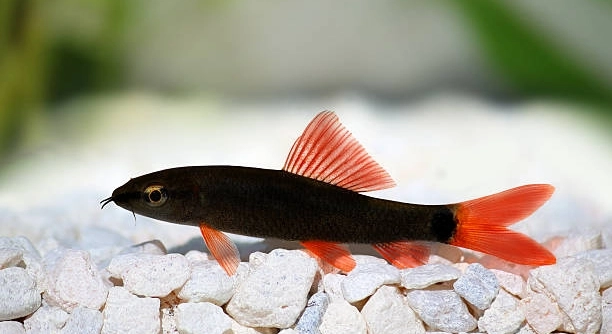
Rainbow sharks are popular freshwater fish known for their sleek bodies and vibrant colors. Many aquarium owners enjoy keeping them for their peaceful nature. However, these fish can face several health problems that affect their wellbeing and appearance.
Seven common diseases in rainbow sharks include ich, fin rot, swim bladder disorder, fungal infections, dropsy, parasites, and bacterial infections. Proper diagnosis and timely treatment are essential to prevent serious harm or death in affected fish.
Learning about these diseases and how to treat them will help you maintain a healthy and thriving aquarium for your rainbow sharks.
Ich (White Spot Disease)
Ich is one of the most common diseases in rainbow sharks. It shows as small white spots on the fish’s body and fins. The fish may rub against surfaces in the tank, trying to relieve irritation. This disease is caused by a parasite that thrives in poor water conditions. Stress and sudden changes in temperature can make the fish more vulnerable. If left untreated, ich can spread quickly and lead to severe health issues. Raising the water temperature gradually and adding medication designed for ich can help eliminate the parasite. Keeping the tank clean and maintaining good water quality is the best prevention. Regular water changes and monitoring water parameters will reduce the risk of ich outbreaks. Observing your fish daily helps catch the disease early before it gets worse.
Treatment involves increasing the water temperature slightly and using over-the-counter ich medication. It usually takes a week or more to fully clear up.
Preventing ich means keeping the tank clean and avoiding sudden temperature changes that stress the fish.
Fin Rot
Fin rot causes the edges of the rainbow shark’s fins to look frayed or rotten. It is usually caused by bacteria that infect damaged fins. Poor water quality or injuries make fish more susceptible. Early signs include ragged fins and discoloration at the fin edges.
To treat fin rot, improving water quality is essential. Perform frequent water changes and remove uneaten food or waste from the tank. Medication containing antibacterial properties can help control the infection. It is important to isolate infected fish if possible to prevent spreading. Fin rot is often a sign that the tank environment needs better care. Avoid overcrowding and maintain stable water conditions to reduce the risk. Healthy fish with a strong immune system are less likely to develop fin rot. If treated early, fins can regrow and heal completely without lasting damage. Monitoring your rainbow shark regularly ensures quick action at the first signs of fin rot.
Swim Bladder Disorder
Swim bladder disorder causes rainbow sharks to have trouble swimming properly. They may float to the surface or sink to the bottom and struggle to stay balanced. This condition often results from overfeeding, constipation, or poor water quality.
To help a fish with swim bladder disorder, reduce feeding amounts and switch to easily digestible foods like peas. Maintain clean water by performing regular water changes and checking tank parameters. Avoid sudden temperature changes that stress the fish. Sometimes, adding aquarium salt can help reduce swelling and improve buoyancy. Monitoring your rainbow shark closely will show if these steps improve its swimming.
If symptoms persist, consider isolating the fish to avoid further stress. Consult a vet or experienced aquarist for medication options, but many cases improve with diet and water care.
Fungal Infections
Fungal infections appear as white, cottony growths on the fish’s body or fins. These infections often develop when the fish has wounds or weakened immunity. Poor water conditions contribute to fungal growth.
To treat fungal infections, clean the tank thoroughly and improve water quality. Use antifungal medications made for aquarium fish. Remove any infected fish from the main tank to prevent spread. Healing is faster when wounds are cared for, and stress is minimized. Keep water temperature stable and avoid overcrowding. Consistent maintenance and good nutrition help prevent fungal infections in rainbow sharks. Early detection is key to successful treatment and recovery.
Dropsy
Dropsy causes swelling of the fish’s body and raised scales. It is usually a sign of internal infection or organ failure. The fish may become lethargic and lose appetite.
Treatment requires antibiotics and improved tank conditions. Early action is vital to give the fish a chance to recover.
Parasites
Parasites can live on or inside rainbow sharks, causing irritation and illness. Common signs include scratching, weight loss, and abnormal swimming. Treatment involves using antiparasitic medications and maintaining clean water. Quarantining new fish helps prevent parasite introduction.
Bacterial Infections
Bacterial infections can cause ulcers, redness, and fin damage. Poor water quality often leads to bacterial outbreaks. Treat infections with antibacterial medicines and keep the tank clean to support healing.
Preventing Diseases
Good tank hygiene and stable water parameters are key to keeping rainbow sharks healthy. Regular monitoring helps catch issues early.
FAQ
What causes diseases in rainbow sharks?
Diseases in rainbow sharks often arise from poor water quality, overcrowding, stress, and improper diet. Sudden changes in temperature or introducing new fish without quarantine can also lead to infections. Maintaining clean water and stable conditions helps prevent most health problems.
How can I improve water quality for my rainbow shark?
Regular water changes, removing uneaten food, and cleaning the filter are essential steps. Test water parameters like ammonia, nitrite, nitrate, and pH frequently. Keeping these levels stable reduces stress and the risk of disease.
How long does it take to treat ich?
Treatment for ich usually lasts around one to two weeks. Raising the water temperature and adding ich medication helps kill the parasite. Be patient and continue treatment even after spots disappear to ensure all parasites are eliminated.
Can fin rot be reversed?
Yes, fin rot can be reversed with early treatment. Improving water quality and using antibacterial medication allows fins to heal and regrow. Severe cases may take longer, but recovery is possible with consistent care.
Is swim bladder disorder fatal?
Swim bladder disorder is rarely fatal if treated early. Adjusting diet and tank conditions often improves buoyancy. However, if left untreated or caused by serious internal issues, it can lead to death.
How do I know if my fish has fungal infections?
Look for white, fuzzy patches on the body or fins. These patches resemble cotton and may grow rapidly. Fungal infections often follow injuries or poor water conditions.
Are parasites visible on rainbow sharks?
Some parasites, like anchor worms or fish lice, can be seen on the fish’s body. Others live inside and cause symptoms like scratching or weight loss without being visible.
Can I prevent diseases by quarantining new fish?
Quarantining new fish for at least two weeks helps catch illnesses before introducing them to your main tank. This step reduces the risk of spreading diseases to your healthy rainbow sharks.
What should I feed my rainbow shark during illness?
Provide easily digestible foods such as cooked peas or specialized medicated pellets. Avoid overfeeding to prevent constipation and help the immune system focus on recovery.
When should I seek professional help?
If your rainbow shark’s condition worsens despite treatment, or symptoms last more than two weeks, consulting a vet or experienced aquarist is advised. Some diseases require prescription medication or special care.
Can disease spread to other fish in the tank?
Many diseases like ich, fin rot, and parasites can spread quickly in shared tanks. Isolating sick fish helps control outbreaks and protects other tank inhabitants.
How important is tank maintenance in disease prevention?
Tank maintenance is the most important factor in disease prevention. Clean water, proper filtration, and stable temperature create an environment where rainbow sharks stay healthy and resist infections.
Do stress and poor diet weaken a rainbow shark’s immune system?
Yes, stress from overcrowding, handling, or poor water can weaken immunity. A balanced diet rich in nutrients supports the immune system and helps fish fight off infections.
Can aquarium salt help treat diseases?
Aquarium salt can help reduce stress and treat minor infections but is not a cure-all. Use it carefully according to instructions, as some fish may be sensitive.
How often should I monitor my rainbow shark’s health?
Daily observation is ideal to notice any early signs of illness. Quick detection improves treatment success and prevents disease spread.
Are there natural remedies for rainbow shark diseases?
Some hobbyists use natural remedies like garlic or herbal treatments, but their effectiveness varies. Conventional medications recommended by experts are usually more reliable.
What is the best way to prevent recurring diseases?
Maintaining a clean, stable tank environment, avoiding overcrowding, quarantining new fish, and feeding a balanced diet are the best ways to prevent recurring illnesses.
How do I know if my rainbow shark is stressed?
Signs of stress include hiding, rapid breathing, loss of appetite, and abnormal swimming. Addressing tank conditions and water quality usually helps reduce stress.
Can disease in rainbow sharks be cured without medication?
Mild cases sometimes improve with water changes and better care alone. However, many diseases require specific treatments to fully recover.
Is it safe to use multiple medications at once?
Using multiple medications can be risky and may harm fish or beneficial bacteria. Always follow dosage instructions and avoid combining treatments unless advised by a professional.
What is the best way to introduce new fish to a tank?
Quarantine new fish for two weeks in a separate tank to observe health. Gradually acclimate them to the main tank’s water to reduce stress.
How do I handle an emergency disease outbreak?
Isolate sick fish immediately and test water quality. Perform a partial water change and start treatment quickly. Consulting an expert can improve outcomes.
Can diseases in rainbow sharks be completely prevented?
While it’s impossible to guarantee zero risk, careful tank management, quarantine, and good feeding practices significantly reduce disease chances.
How do I know if my treatment is working?
Look for reduced symptoms, improved swimming, and appetite. If no progress occurs within a week, reassess treatment or seek expert advice.
Are all diseases contagious among fish?
Not all diseases are contagious, but many bacterial, fungal, and parasitic infections can spread in shared tanks. Isolation and hygiene limit transmission.
What common mistakes lead to rainbow shark diseases?
Common mistakes include poor water quality, overcrowding, overfeeding, skipping quarantine, and ignoring early illness signs.
How long can rainbow sharks live if healthy?
With proper care, rainbow sharks can live 5 to 8 years or more. Healthy conditions and disease prevention support a longer life.
Can disease affect rainbow shark coloration?
Yes, illness and stress often cause faded colors or dull appearance. Recovery usually restores vibrant colors.
Should I remove decorations during treatment?
Removing sharp or rough decorations can prevent further injury during treatment. However, keep hiding spots to reduce stress.
What temperature is best for rainbow sharks to stay healthy?
A stable temperature between 72°F and 78°F (22°C–26°C) is ideal. Avoid sudden changes that stress the fish.
How does overcrowding affect disease risk?
Overcrowding increases stress, waste buildup, and competition, making fish more prone to infections. Maintain proper tank size and stocking levels.
Taking care of rainbow sharks means paying close attention to their health and environment. These fish are beautiful and active, but they can easily get sick if their tank conditions are not right. Diseases like ich, fin rot, and fungal infections are common, but many problems can be avoided with proper care. Keeping the water clean, maintaining stable temperature, and feeding a balanced diet are important steps. Regular tank maintenance and observation help catch early signs of illness before they become serious. It is important to act quickly and treat any symptoms as soon as they appear. This reduces the risk of the disease spreading or causing permanent damage.
When a disease does occur, knowing how to treat it properly is essential. Different illnesses require different medications or adjustments in care. For example, ich often needs temperature changes combined with specific medication, while fin rot calls for antibacterial treatments and better water quality. Swim bladder disorder might improve simply by changing diet and reducing stress. Many treatments take time, so patience and consistency are key. Isolating sick fish helps protect the others and allows for closer monitoring. If the disease is severe or hard to diagnose, seeking advice from a vet or experienced aquarist is the best choice. They can provide guidance on the right medicine and care plan.
Keeping rainbow sharks healthy is about creating a good environment and watching for signs of trouble. Stress from overcrowding, poor water, or sudden changes makes fish more vulnerable. Quarantining new fish before adding them to the main tank can prevent many diseases from spreading. Feeding quality food and avoiding overfeeding help keep the immune system strong. While diseases can be concerning, many can be managed or cured with proper knowledge and care. Staying informed and attentive will help your rainbow sharks live longer, healthier lives. Good habits in tank care and treatment lead to a more enjoyable experience with these striking fish.

Hello,
If you enjoy the content that we create, please consider saying a "Thank You!" by leaving a tip.
Every little bit helps us continue crafting quality advice that supports the health, happiness, and well-being of pets around the world, for pets of all shapes, sizes, and species.
We really appreciate the kindness and support that you show us!