
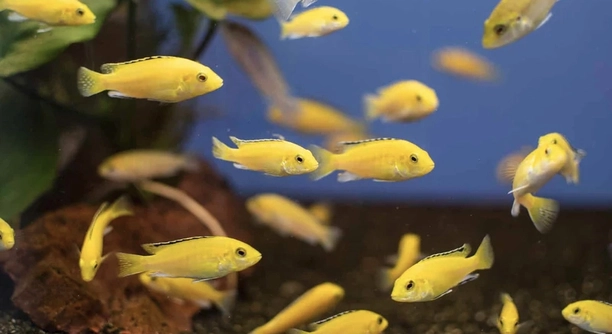
Electric Yellow Cichlids are vibrant and lively fish that naturally establish a social hierarchy within their tanks. Their interactions may seem subtle, yet each movement, glance, and posture communicates their rank to other cichlids in the group.
These cichlids assert dominance through visual signals, body positioning, fin displays, and controlled aggression. Subtle movements, such as head jerks, flaring fins, or changes in coloration, allow them to establish hierarchy without overt conflict. These behaviors are consistent, observable, and critical to social structure.
Observing these quiet behaviors can reveal much about the social dynamics within your tank. Understanding them allows for better care and a harmonious environment for all your cichlids.
Subtle Color Shifts
Electric Yellow Cichlids use changes in coloration to communicate their mood and status. A bright, vibrant yellow often signals confidence and dominance, while duller shades can indicate submission or stress. Observing these shifts helps in understanding the hierarchy within the tank. These changes are most noticeable around the head and fins, where color intensifies during interactions. Even small, temporary darkening or lightening can reveal how a fish perceives its surroundings and peers. Some cichlids subtly flash iridescent spots to signal readiness to assert rank or warn others to keep distance. Over time, these visual cues create a silent dialogue, allowing fish to navigate social tensions without engaging in aggressive encounters. Paying attention to these subtle color cues can prevent unnecessary stress and aggression in the tank. They are an essential part of maintaining harmony and understanding the social network among your cichlids.
Color shifts are immediate indicators of mood, letting you gauge which fish feels dominant or stressed.
Subtle changes in color serve multiple functions beyond signaling dominance. They can help reduce direct conflict by establishing visual boundaries. In group tanks, these shifts allow cichlids to communicate efficiently without constant physical confrontation. This behavior also reflects overall health; a consistently dull color may indicate illness or stress. By observing these patterns, caretakers can anticipate potential disputes and create spaces that minimize tension. Lighting, tank decorations, and hiding spots influence how visible these shifts are. Adjusting the environment to highlight natural coloration can aid in monitoring social interactions and rank assertion, ensuring a balanced and peaceful community. Recognizing and responding to these visual cues not only helps maintain a stable hierarchy but also supports the well-being of each cichlid, making it easier to manage multiple fish without frequent aggression or unexpected dominance struggles.
Fin Displays and Posturing
Flaring and spreading fins are common ways cichlids assert rank. These displays make them appear larger and more intimidating to others.
Fin movements are deliberate signals, showing both confidence and dominance. They are often paired with body tilts or slow circling motions, indicating a fish’s intent to hold its position in the social structure. These postures are rarely aggressive in the sense of causing injury; instead, they communicate boundaries effectively. Observing how a dominant cichlid uses its fins can help identify the pecking order quickly. Subordinates will often respond by retreating or minimizing their own displays. Fin posturing also reflects energy levels and comfort within the tank. By providing enough space and visual barriers, each cichlid can express these signals without escalating tension. This behavior is particularly evident during feeding times or when new fish are introduced. Understanding these cues allows for a smoother coexistence, as fish naturally respect visual signals without constant fights. Watching these interactions over time reveals a consistent pattern of silent communication, essential for managing a thriving Electric Yellow Cichlid group.
Territory Marking
Territorial behavior is a key way Electric Yellow Cichlids assert rank. They patrol areas, guard hiding spots, and establish dominance by controlling prime locations in the tank. This ensures they have priority access to food and resting spaces.
Cichlids clearly define territories by swimming along boundaries, circling key decorations, and occasionally nudging or chasing other fish. These actions are usually non-lethal but serve as a warning to others. Dominant fish maintain central, preferred areas, while subordinates occupy peripheral spaces. Observing which fish claims the best spots can indicate hierarchy. Decorations, rocks, and plants provide visual markers that cichlids use to set these boundaries. This natural behavior is essential for reducing constant conflict and maintaining a peaceful community. By recognizing territory patterns, caretakers can avoid overcrowding and ensure each fish has adequate space.
Territory marking also reflects confidence and status within the group. Submissive fish will avoid central zones and respect dominant fish boundaries.
Controlled Aggression
Controlled aggression is used sparingly to establish rank without causing harm. Quick, targeted movements signal dominance while preventing injury or prolonged fights.
These brief aggressive displays are often paired with chasing, ramming, or head-down postures. Dominant fish use them to assert authority over subordinates, ensuring social order. The intensity and frequency of these actions vary depending on the individual’s confidence and position within the hierarchy. Observing patterns of controlled aggression helps in predicting conflicts and understanding the pecking order. It is a balance between showing strength and avoiding unnecessary confrontation. Subordinate fish respond by retreating or displaying submissive behavior, which reinforces hierarchy. Recognizing controlled aggression allows for better tank management, reducing stress and preventing injury while maintaining the natural social structure of Electric Yellow Cichlids.
Eye Contact and Gaze
Electric Yellow Cichlids use direct eye contact to assert rank. A steady, unwavering gaze signals confidence and dominance, while avoiding eye contact shows submission.
Subordinates often look away or lower their bodies when confronted. Dominant fish rely on this visual communication to maintain social order without escalating conflict.
Subtle Body Vibrations
Body vibrations are a quiet but effective way cichlids communicate dominance. Small shakes or shivers send signals to nearby fish, indicating alertness and control.
This behavior is more noticeable when fish are near boundaries or competing for resources. Vibrations are often combined with fin displays to reinforce rank.
Shadowing and Following
Dominant cichlids often follow or shadow subordinates closely. This behavior reinforces authority without direct aggression.
By maintaining proximity, the dominant fish signals control over space and movement. Subordinates respond by adjusting their swimming patterns or avoiding the area.
How can I tell which Electric Yellow Cichlid is dominant?
Dominant cichlids often display brighter coloration, more assertive body postures, and frequent fin flaring. They control prime spots in the tank, such as central rocks or hiding spaces, and may patrol their territory more actively. Subordinates usually avoid these areas and display submissive behaviors like lowering their bodies or turning away. Watching feeding times can also reveal hierarchy, as dominant fish eat first and may chase others gently to maintain priority.
Why do my cichlids chase each other but rarely fight?
Chasing is a form of controlled aggression used to assert rank without causing harm. Electric Yellow Cichlids rely on visual cues, fin displays, and brief nudges to communicate authority. These interactions are short and non-lethal, allowing them to maintain social order efficiently. Subordinates typically respond by retreating, lowering their posture, or avoiding the dominant fish. This behavior prevents serious injury while reinforcing the hierarchy.
Do color changes mean my fish are stressed or angry?
Not always. While dull or faded colors can indicate stress, temporary darkening or bright flashes are often normal dominance signals. Fish may intensify coloration when asserting rank or responding to a challenge. Observing the context of color changes, such as during interactions or when near other fish, helps distinguish normal social signaling from signs of poor health. Maintaining stable water conditions and providing hiding spots reduces stress-related color shifts.
How do fin displays work in establishing rank?
Flaring fins make a fish appear larger and more intimidating. Dominant cichlids use this posture to communicate authority and boundaries. Subordinate fish respond by retreating or minimizing their own displays. Fin posturing is a non-violent way to reinforce hierarchy and is most noticeable when multiple fish compete for the same space or resource.
Are body vibrations normal behavior?
Yes. Small body vibrations or shivers signal alertness and dominance. These subtle movements are often combined with fin displays or chasing behaviors. They communicate authority quietly and reduce the need for physical fights. Observing these vibrations can help identify dominant fish and monitor social dynamics within the tank.
What is the role of shadowing or following in hierarchy?
Dominant fish follow subordinates to reinforce control without aggression. By staying close, they signal authority over movement and space. Subordinates often adjust their swimming patterns, giving way to dominant individuals. This behavior helps maintain social order and reduces conflict in the tank.
How can I reduce aggression in a tank with multiple cichlids?
Provide plenty of hiding spots, rocks, and decorations to create visual barriers. Increasing space and maintaining stable water conditions reduces stress and competition. Observing fish interactions allows you to identify dominant and submissive individuals, helping prevent prolonged conflicts. Balanced feeding ensures all fish get sufficient food, limiting competition.
Do all Electric Yellow Cichlids display the same behaviors?
While patterns are generally consistent, individual personality and confidence levels affect expression. Some fish are naturally more assertive or bold, while others remain submissive. Tank size, group composition, and environmental factors also influence behavior. Monitoring each fish over time helps understand unique social roles and manage harmony effectively.
Can these behaviors indicate health problems?
Changes in behavior, such as excessive hiding, lack of fin displays, or sudden color dulling, may signal stress or illness. Healthy fish maintain regular social interactions, display normal colors, and respond predictably to others. Regular observation and water quality checks are important to detect potential issues early.
How long does it take for a hierarchy to stabilize?
Hierarchy can stabilize within days or weeks, depending on tank size, number of fish, and personality differences. Dominant fish usually establish control quickly, but subtle shifts may continue as new individuals or changes occur. Consistent observation ensures that the social structure remains peaceful and reduces unexpected conflicts.
Are these silent behaviors important for tank management?
Absolutely. Recognizing fin displays, color shifts, shadowing, and body vibrations allows caretakers to understand social order and prevent stress or injury. Supporting these behaviors with a well-structured environment promotes natural interactions, ensures balanced hierarchy, and keeps your cichlids healthy and thriving.
Can introducing new fish disrupt rank?
Yes. New additions often trigger temporary conflicts as hierarchy is reestablished. Dominant fish may assert control, while subordinates adjust positions. Providing ample space and hiding areas helps minimize stress and aggression. Gradual introductions and careful observation ensure a smoother integration process.
What are signs of excessive aggression?
Constant chasing, fin nipping, or persistent cornering of subordinates may indicate excessive aggression. These behaviors can cause stress or injury. Interventions include rearranging tank decorations, increasing hiding spots, or separating particularly aggressive individuals temporarily. Monitoring interactions ensures a balanced, safe environment for all fish.
How can I encourage peaceful coexistence?
Maintaining stable water parameters, providing sufficient space, and offering hiding spots encourages natural social behavior. Feeding all fish adequately reduces competition. Respecting the hierarchy while observing for unusual aggression supports a harmonious tank. Careful monitoring of behaviors like color shifts, fin displays, and shadowing helps maintain balance.
Why is observing these silent behaviors rewarding?
Understanding these subtle signals enhances the enjoyment of watching your cichlids. It allows you to anticipate conflicts, maintain harmony, and support each fish’s well-being. Observing the hierarchy in action reveals the complexity of their social interactions, making tank management easier and more engaging.
Electric Yellow Cichlids are fascinating fish, not only for their bright colors but also for the subtle ways they communicate and assert rank. Watching these behaviors can be both educational and rewarding, helping you understand the social structure within your tank. From color changes to fin displays and shadowing, each action serves a purpose in maintaining harmony among the group. Dominant fish often take central or preferred areas, while subordinates occupy peripheral spaces. Observing these patterns gives insight into the pecking order and shows how fish naturally avoid unnecessary conflict. These behaviors are not aggressive in a harmful sense but are carefully designed to keep interactions balanced. Recognizing them helps you create a stable environment where all cichlids can coexist comfortably. Paying attention to their subtle cues allows you to predict potential disputes before they escalate, which is especially useful when introducing new fish or changing tank decorations.
Understanding the silent ways Electric Yellow Cichlids assert rank also contributes to their overall health and well-being. Dominant fish use visual signals, small movements, and controlled aggression to communicate effectively, while subordinates respond with avoidance or submissive gestures. This balance prevents stress and injury, making the tank safer for all inhabitants. Providing adequate hiding spots, open swimming areas, and visual barriers supports these natural behaviors and reduces tension. Water quality, tank size, and sufficient feeding also play critical roles in maintaining peace. Observing each fish’s interactions over time helps you notice when something is off, whether it is a change in behavior or a subtle shift in color. These signs can indicate stress, illness, or an adjustment in the social hierarchy. A well-structured environment, combined with attentive observation, ensures that the social order is respected and each fish feels secure within its space.
Focusing on these silent behaviors can deepen your appreciation of Electric Yellow Cichlids and their social dynamics. They are intelligent fish that rely on subtle communication to navigate daily life, and understanding these cues allows for better care. Dominance is not just about aggression; it is about communication, confidence, and mutual recognition of roles within the group. Observing fin displays, color shifts, vibrations, and territorial behavior provides insight into each fish’s personality and rank. Maintaining a balanced environment with proper space, hiding spots, and resources encourages natural interactions and minimizes stress. By respecting these behaviors and supporting the hierarchy, you create a thriving, peaceful tank where each cichlid can express its natural tendencies. Watching these silent interactions unfold can be both satisfying and informative, making the care of Electric Yellow Cichlids a more engaging and mindful experience.

Hello,
If you enjoy the content that we create, please consider saying a "Thank You!" by leaving a tip.
Every little bit helps us continue crafting quality advice that supports the health, happiness, and well-being of pets around the world, for pets of all shapes, sizes, and species.
We really appreciate the kindness and support that you show us!