
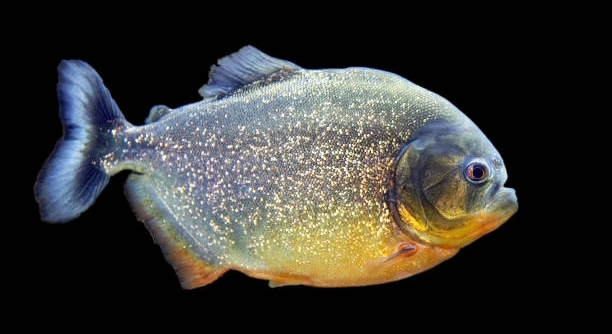
Piranhas are often seen as fierce fish, but their behavior is more complex than just aggression. These fish use subtle signals to communicate with each other in their underwater world. Understanding these silent messages helps us appreciate their social interactions better.
Piranhas pass silent messages through body movements, fin positions, and subtle gestures to coordinate group behavior, establish dominance, and avoid unnecessary conflicts. These nonverbal cues are essential for maintaining order and cooperation within their schools.
Learning about these hidden signals reveals the fascinating ways piranhas interact beyond their reputation. These insights offer a clearer picture of their social lives beneath the water’s surface.
Fin Flicks and Body Postures
Piranhas often use small fin flicks and body postures to send messages to one another. These movements can signal warnings or invitations to stay close. For example, a quick flick of the tail fin might warn others to back off without starting a fight. Likewise, lowering their bodies slightly signals submission to a more dominant fish. These gestures help piranhas avoid unnecessary clashes that could waste energy or cause injury. Observing these subtle signs gives us a better idea of how piranhas maintain peace within their groups. It’s interesting to see how much they rely on these tiny motions to express feelings and intentions clearly.
These silent signals help maintain balance in their social groups. Piranhas use these movements to prevent chaos and keep their schools organized.
By watching fin flicks and body postures closely, researchers have learned that piranhas communicate a lot without noise. These movements serve many purposes, like showing who leads and who follows. They also help fish decide when to hunt or when to stay calm. Understanding this behavior shows that piranhas are more thoughtful in their interactions than people might expect.
Jaw and Teeth Displays
Jaw and teeth displays are another way piranhas communicate. They open their mouths wide to show their sharp teeth. This is not always about attacking. Sometimes, it’s a warning to others to stay away or respect boundaries. This display helps prevent fights by making threats clear without physical contact. When a piranha flashes its teeth, it is saying, “I am ready if needed.” This silent message can be enough to keep other fish at a safe distance and maintain order in the group.
Eye Contact and Movement
Eye contact among piranhas can show alertness or challenge. A fixed stare often means one fish is watching another closely, ready to react. This silent message helps them gauge intentions without wasting energy on unnecessary fights.
When piranhas lock eyes, they communicate dominance or curiosity. This focused gaze allows them to assess threats or opportunities. It’s a way to understand each other’s mood and plan their next move. In a school, this eye contact helps maintain order by signaling who is paying attention and who might challenge authority.
Movement patterns also speak volumes. Quick darting motions can warn others to be cautious, while slow swimming shows calm. By reading these signals, piranhas keep their group synchronized, reducing confusion during feeding or danger.
Chemical Signals in Water
Piranhas release chemical signals to communicate danger or stress. These invisible messages alert others to nearby threats, helping the group respond quickly. It’s an important part of their survival strategy underwater.
These chemical cues travel through the water and can trigger immediate reactions, like fleeing or grouping tightly. When one piranha senses danger, it releases substances that warn the others. This creates a rapid response without any sound or visible signal, which is crucial in murky river waters.
Scientists have discovered that these chemicals affect piranha behavior deeply. The signals help maintain the safety and coordination of the whole school. This quiet but powerful communication method shows how piranhas stay connected even when out of sight. It’s an effective way to share information and protect each other in their environment.
Tail Slaps
Tail slaps are quick, sharp movements used to warn other piranhas nearby. This action signals irritation or a desire for space. It’s a clear, silent way to communicate without escalating to aggression.
When a piranha feels crowded or threatened, a strong tail slap tells others to keep their distance. This helps avoid fights and keeps the group balanced. Tail slaps work as immediate reminders of personal boundaries.
Color Changes
Piranhas can slightly change their body color to send messages. Darkening or lightening certain areas signals mood or readiness to interact with others. These subtle shifts help fish communicate without noise or movement.
Bubble Blowing
Some piranhas blow bubbles as part of their communication. This behavior can indicate curiosity or be used to attract attention within the group. It’s a quiet and interesting way to send messages underwater.
How do piranhas use silent messages to avoid fighting?
Piranhas rely on many quiet signals like fin flicks, body postures, and jaw displays to avoid conflicts. Instead of fighting immediately, they show warnings or submission through these gestures. This helps reduce energy loss and injury. For example, a lowered body signals surrender, while an open mouth shows readiness but not aggression. These silent cues keep their group calm and organized.
Why are chemical signals important for piranhas?
Chemical signals are vital because piranhas live in murky water where vision is limited. When one piranha senses danger or stress, it releases chemicals into the water. These signals quickly spread to others, alerting the entire group. This method helps the school react fast to threats without needing visual or physical contact.
Do piranhas communicate with sounds?
Piranhas mainly communicate silently, but they can produce some sounds like clicks or pops during certain behaviors. These sounds are rare and not the primary way they share information. Most of their communication depends on body language, chemical signals, and subtle movements.
How do tail slaps work as a message?
Tail slaps are sharp, quick movements that tell other fish to back off or give space. When a piranha feels crowded or annoyed, it uses this action as a warning. This silent signal helps avoid fights and keeps order in the group.
Can piranhas change their color to communicate?
Yes, piranhas slightly change their color to show mood or intentions. Darker colors may mean stress or aggression, while lighter tones indicate calmness or submission. These color shifts are subtle but important for their social interactions.
What role does eye contact play in piranha communication?
Eye contact is a powerful way piranhas show alertness or dominance. A steady stare can warn others to be careful or indicate curiosity. It helps fish assess each other’s mood and intentions without needing physical contact.
Why do piranhas blow bubbles sometimes?
Blowing bubbles is a less common behavior used to attract attention or show curiosity. It is another silent way to communicate within the group, especially when visual signals might not be enough.
How do these silent messages help piranhas survive?
Silent communication helps piranhas stay organized, avoid injury, and respond quickly to danger. By using body language, chemical signals, and subtle movements, they coordinate as a group. This cooperation improves their chances of finding food and staying safe.
Are silent signals used only within the same group of piranhas?
Mostly, yes. Silent signals maintain order inside their own schools. These messages help reduce fights and build social hierarchies. However, some signals like chemical alerts might be noticed by nearby fish, affecting interactions beyond their group.
How can understanding piranha communication benefit us?
Knowing how piranhas communicate silently gives us better insight into their behavior. It helps researchers create better environments for them in captivity and improves conservation efforts. Understanding these signals also changes how we view these fish, beyond just being aggressive predators.
Piranhas are often seen as fierce and dangerous fish, but their way of communicating shows a different side. They use many silent messages to interact with each other without making noise or fighting. These signals include fin flicks, body postures, eye contact, and even chemical signals in the water. Each of these helps piranhas stay organized and peaceful within their groups. This communication is important because it helps them avoid unnecessary fights, save energy, and stay safe from danger. Understanding these quiet signals gives us a clearer picture of how piranhas live together.
The way piranhas communicate also shows how smart they are in their social behavior. For example, when a piranha opens its mouth to show its teeth, it is often a warning rather than a sign of attack. Tail slaps, color changes, and bubble blowing are other small actions that carry meaning within their groups. These silent messages help piranhas keep order and respect among themselves. It’s interesting to see that such small fish rely on so many subtle ways to share feelings and intentions. This means piranhas are more thoughtful and less random than people often think.
Learning about the silent messages of piranhas can change how we view them. Instead of only seeing them as aggressive predators, we begin to appreciate their complex social lives. These fish communicate carefully to survive in their environment and live well in groups. This knowledge can help with caring for piranhas in aquariums and protecting them in the wild. Silent communication is a key part of their behavior, showing that even fierce animals have gentle and clever ways to connect with others around them.

Hello,
If you enjoy the content that we create, please consider saying a "Thank You!" by leaving a tip.
Every little bit helps us continue crafting quality advice that supports the health, happiness, and well-being of pets around the world, for pets of all shapes, sizes, and species.
We really appreciate the kindness and support that you show us!