
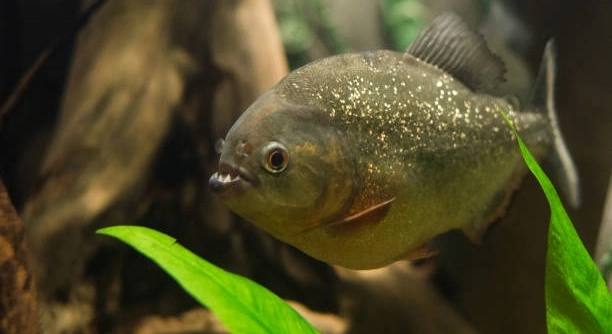
Is your piranha acting different lately, maybe hiding more or swimming in odd patterns around the tank? These changes might seem small, but they could point to something more serious going on beneath the surface.
Piranhas can be bullied by other fish in their group, especially in captivity where space is limited. Common signs include torn fins, loss of appetite, hiding often, or sudden changes in behavior.
Each clue can help you understand what your piranha is going through and how to respond in a safe and helpful way.
Torn or Ragged Fins
In a peaceful tank, piranhas usually maintain clean, smooth fins. But if you notice one with torn or ragged fins, it may be a sign of bullying. This can happen when another piranha nips at its fins repeatedly, especially during feeding times or when establishing territory. Piranhas are social but can turn aggressive if the tank is too small or lacks hiding spaces. A bullied fish might be picked on daily, even while swimming or resting. If left unnoticed, the wounds can get worse, leading to infection or stress-related illness. It’s important to keep a close eye on these subtle but damaging signs and separate the fish if needed. Make sure your tank is large enough for all of them and provides hiding places like plants or rocks.
A bullied piranha with damaged fins may also stop moving around much and hang in one corner. That’s another clear sign it needs help.
Clean water and a proper tank setup can help the fins heal. It’s also a good idea to check if the same piranha is always the one getting hurt. If so, isolating it until it’s healthy again might reduce its stress and give it time to recover. Watch carefully when you reintroduce it to the group.
Refusing to Eat
A piranha that stops eating could be scared or stressed by another more dominant one in the tank. This often happens when it gets chased away from food too often.
Piranhas are naturally aggressive feeders, and weaker ones can miss out if they’re being harassed. In a group setting, dominant individuals may push others out during mealtime, leaving one or two to go hungry. A piranha that refuses to eat might not be sick but simply afraid to come out when food is present. This can quickly lead to weight loss and weaken its immune system. To help, you can try feeding during low-light times or placing food in different areas of the tank to reduce tension. Adding more cover or breaking up the space with decorations may also help distribute the group more evenly. In some cases, it may be necessary to feed the bullied fish separately until it builds confidence and strength.
Constant Hiding
A bullied piranha will often spend long periods hiding, especially during the day when others are active. It may stay behind decorations, in corners, or under rocks, avoiding interaction with the rest of the group. This behavior usually means it feels unsafe or is trying to avoid aggression.
When piranhas feel threatened, they seek shelter. If one is always out of sight, it may be avoiding an aggressive tank mate. This kind of hiding is different from normal resting behavior. Instead of occasional retreat, the bullied piranha might rarely come out, even during feeding or when the tank is quiet. Over time, this can lead to stress, weight loss, and a weaker immune system. It’s important to observe how often and how long it hides. Try rearranging the tank layout to provide more hiding spots. If the behavior continues, the aggressive piranha may need to be separated temporarily.
Some fish become chronic hiders after being bullied. This is often tied to trauma and doesn’t always go away quickly. If the hiding behavior has gone on for weeks, it may take a while to reverse. Reducing stressors in the tank can help. Keep the water clean, avoid sudden changes, and limit bright lighting to create a calm space.
Frequent Chasing
Frequent chasing is one of the clearest signs that a piranha is being targeted. You might notice a particular fish always following or rushing another one. The bullied fish may swim quickly away, looking panicked. This often happens during feeding, resting, or whenever space feels tight.
Chasing behavior often begins with one dominant piranha trying to assert itself. If the tank is too small or lacks structure, this behavior becomes more common. Over time, the targeted fish becomes more stressed and can suffer physical damage from the repeated attempts to escape. Its activity level may drop, and it might stop eating. To manage this, start by checking the size of your tank—piranhas need more room than many expect. Add plants, rocks, or dividers to break up the space and help weaker fish avoid constant contact. In serious cases, the aggressor may need to be removed to stop the bullying altogether.
Unusual Swimming Patterns
A bullied piranha might swim erratically or stay near the surface or bottom more than usual. It could move in fast, jerky motions or circle one part of the tank, trying to avoid others. These behaviors show the fish is stressed or trying to escape.
This kind of movement can also mean it’s feeling cornered. When there’s nowhere to retreat, it may dart or shake in short bursts. These aren’t normal swimming behaviors and are easy to spot when watching the tank for a few minutes. It’s a sign the fish is not feeling safe.
Loss of Color
Piranhas that feel unsafe may lose their usual bold coloring. Stress can cause them to turn pale or look dull. This isn’t always permanent but often shows that something in their environment, like bullying, is affecting them. Helping the fish feel secure can improve its color again.
Injuries Without Explanation
Visible injuries, like missing scales or small open wounds, are often caused by aggression in the tank. If one piranha keeps showing up with new marks while others look fine, bullying is likely. Frequent fights or bites usually happen when the group dynamic is off or space is too limited.
FAQ
How do I know if bullying is the reason for my piranha’s behavior?
Watch for patterns. If one piranha is always hiding, swimming oddly, or has torn fins while others act normally, bullying is likely. You might also notice one fish chasing or biting another, especially around feeding time. These are strong signs that the affected fish is being targeted. Physical injuries without clear cause are another indicator. Always compare the behavior and appearance of each piranha to spot changes. If only one fish is acting off, and there’s no sign of illness, stress from bullying may be the cause.
What should I do if I think one of my piranhas is being bullied?
Start by increasing hiding spots in the tank using rocks, plants, or decorations. This can give the bullied fish more places to escape. Check your tank size too—piranhas need lots of room. A cramped tank often makes aggression worse. Feeding at different ends of the tank can help reduce conflict. If the same piranha keeps getting picked on, you may need to isolate the aggressor or the victim temporarily. After separation, reintroduce the fish carefully, watching how the group reacts. Sometimes, a permanent separation is best if the aggression doesn’t stop.
Can piranhas live alone if they’re being bullied too much?
Yes, some piranhas can live alone if group dynamics cause too much stress. While they are schooling fish in the wild, captivity often changes that behavior. If one fish isn’t thriving in a group and shows clear signs of fear or injury, a solo tank might be safer. Just make sure the tank meets its needs in size, water quality, and enrichment. Some piranhas even become more active and eat better when kept alone, especially after repeated bullying.
How big should the tank be to prevent bullying?
A small tank can cause big problems. For a group of piranhas, you should aim for at least 20 gallons per fish, though bigger is always better. Overcrowding increases stress and makes it hard for weaker fish to escape aggressive ones. Adding decorations, plants, and hiding places can help break up sight lines, which reduces tension. Open swimming space is important too. A well-sized tank helps maintain a more balanced and peaceful group.
Will changing the feeding routine help reduce aggression?
Yes. Aggression often increases at feeding time. Try feeding in more than one spot or at different times of the day. Use tongs or a feeding stick to place food away from the bullied fish, giving it a better chance to eat. Feeding just before lights go out can also help reduce food-related aggression. Spread out food portions so no one fish dominates the meal. Making these small changes often lowers stress during feeding and gives all fish a fair shot.
Is it always bullying, or could it be sickness?
Sometimes sickness and bullying look similar. Loss of appetite, pale color, or strange swimming can come from both. The key is to look for wounds, torn fins, or changes in behavior after interactions with other fish. If a fish is acting odd but has no marks and isn’t being chased, illness might be the cause. Check water quality, temperature, and look for signs like bloating or spots on the body. If you’re unsure, separating the fish and monitoring it can help you figure out what’s really going on.
Can bullied piranhas recover fully?
Yes, many bullied piranhas bounce back once the stressor is removed. With clean water, a calm environment, and proper care, they often heal both physically and mentally. It may take time—weeks or even months—for the fish to eat regularly, regain color, or stop hiding. During this time, avoid loud noises, sudden tank changes, or aggressive tank mates. If the fish is still young and healthy, recovery tends to be quicker. Some fish may become more shy long-term, but with the right setup, they can still live a good, healthy life.
Final Thoughts
Watching a piranha go through bullying can be upsetting, especially when you’re not sure what’s wrong at first. Many signs, like hiding, torn fins, or a lack of appetite, are easy to miss if you’re not looking closely. That’s why it’s important to know what behavior is normal and what might mean trouble. Being aware of these clues can help you catch problems early, before they get worse. Even one small change in behavior can tell you something important. When you notice these signs, it’s not about blame—it’s about making the tank a safer place for all your fish.
Not all piranhas will get along. Sometimes one fish is naturally more dominant or territorial. In small tanks or ones without enough hiding spots, this can quickly turn into a stressful situation. Giving the fish space, cover, and feeding options is a good way to reduce the chances of bullying. If you do need to separate a fish, it doesn’t mean you failed. In fact, knowing when to step in shows you care and understand your fish’s needs. Some fish simply do better on their own, and that’s okay. The goal is to create an environment where each fish feels secure, whether it’s part of a group or alone.
Taking care of piranhas means more than just feeding them or cleaning the tank. It means paying attention to how they act and how they relate to one another. Bullying may not always stop right away, but with patience and the right setup, most issues can be managed. Keep watching for the signs, make changes when needed, and don’t be afraid to adjust the group if things aren’t working. Over time, your attention to detail will help your piranhas live better, healthier lives. When your fish feel safe, they’ll act more naturally, eat better, and show more of their usual behavior. That’s the best sign that things are back on track.

Hello,
If you enjoy the content that we create, please consider saying a "Thank You!" by leaving a tip.
Every little bit helps us continue crafting quality advice that supports the health, happiness, and well-being of pets around the world, for pets of all shapes, sizes, and species.
We really appreciate the kindness and support that you show us!