
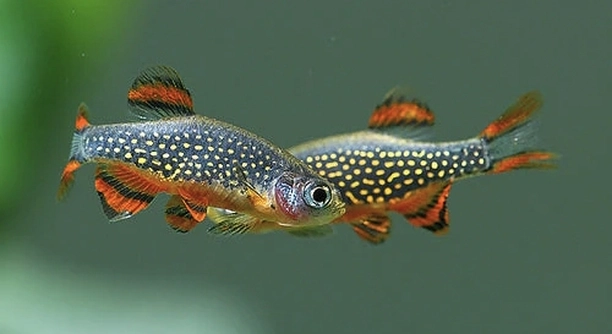
Have you ever set up a danio aquarium only to notice the fish seem restless or crowded? Sometimes the tank looks fine at first, but too many danios can create subtle problems that are easy to miss.
Overcrowding a danio aquarium occurs when the number of fish exceeds the tank’s capacity, leading to increased stress, poor water quality, limited swimming space, and higher susceptibility to disease, which can significantly impact the overall health of the aquatic environment.
Recognizing the warning signs early can prevent long-term damage and help your fish thrive in a healthier, more balanced aquarium setting.
Restless and Constantly Swimming Danios
Danios are naturally active fish, but when you notice them swimming frantically or constantly darting around the tank, it may be a sign of overcrowding. In a properly sized aquarium, danios usually have room to explore and establish territories. Overcrowding restricts their space, creating tension and increasing competition for food. This leads to erratic swimming patterns and can stress the fish, weakening their immune systems over time. Stress from limited space also makes them more prone to disease. Water quality can worsen quickly in crowded conditions, causing ammonia and nitrate levels to spike, which can further irritate gills and skin. Even if all fish appear healthy at first, subtle changes in behavior are early warning signs that the tank is overpopulated. Observing how often and how vigorously your danios swim can help you identify issues before they become severe. Proper spacing ensures calmer, healthier, and more vibrant fish.
Constant swimming often indicates stress from insufficient space, signaling that the tank may be overstocked.
Providing adequate space and monitoring swimming patterns helps maintain a stable environment, reducing stress and improving overall fish health in the aquarium.
Uneven Growth and Size Differences
In overcrowded tanks, smaller danios may struggle to compete for food, leading to uneven growth. When larger fish dominate feeding areas, smaller ones may not receive enough nutrition, slowing their growth. This imbalance can create weak fish that are more susceptible to illness. Overcrowding also increases waste, which reduces water quality, further impacting growth rates. Nutrient distribution becomes inconsistent, so even if the tank is regularly fed, not all fish get their share. Uneven growth can be subtle at first but becomes noticeable as the size gap widens. Observing your fish carefully during feeding times helps identify which ones are not thriving. Addressing overcrowding and ensuring proper feeding techniques can restore balance. This may include separating smaller fish temporarily or adjusting tank density to give each fish enough space and access to food. Keeping growth consistent promotes healthier and more active danios.
Size differences often reflect competition caused by too many fish in limited space.
Monitoring feeding behavior and making necessary adjustments ensures all danios receive proper nutrition, helping them grow uniformly and maintain a healthier, more stable aquarium environment.
Increased Aggression Among Danios
Overcrowding can trigger aggressive behavior in danios. Fish may nip fins, chase each other, or act territorial when space is limited. Stress from tight conditions often amplifies these conflicts.
Aggression arises because danios need personal space to establish temporary territories and swim freely. When multiple fish are forced into a small area, competition for resources like food and hiding spots increases. Continuous chasing and fin nipping are common signs that the aquarium is too crowded. Stress from repeated confrontations can weaken immune systems, making fish more vulnerable to infections. Even minor injuries from aggression can become serious if water quality is poor or if pathogens are present. Maintaining a balanced population ensures a calmer, safer environment for all fish, reducing stress-related aggression and promoting healthier behavior.
Aggressive interactions are more frequent in overcrowded tanks, often disrupting the natural social balance of danios.
Addressing overpopulation and providing hiding spots or plants can minimize conflict, helping fish coexist peacefully while supporting overall health and stress reduction in the aquarium.
Cloudy or Poor Water Quality
Overstocked tanks often develop cloudy water quickly. Excess fish waste, uneaten food, and limited filtration contribute to water that looks murky or discolored. Poor water quality affects gills, skin, and overall health.
When a tank is overcrowded, the filtration system struggles to keep up with ammonia, nitrites, and nitrates. These compounds build up rapidly, creating toxic conditions. Cloudy water is usually the first visible sign of imbalance. Even with frequent water changes, overstocked aquariums can’t maintain stable conditions for long. High waste levels can also encourage algae growth, further reducing clarity and oxygen levels. Monitoring water parameters and ensuring proper tank capacity are essential to avoid these issues. Regular maintenance, careful feeding, and limiting population density help preserve clean, healthy water. Consistently clear water supports stronger immune systems and reduces stress for all inhabitants.
Keeping water clean in a crowded tank is a constant struggle due to excessive waste and limited filtration efficiency.
Proper tank management and monitoring water chemistry are necessary to maintain a safe, balanced environment for danios, preventing health problems linked to poor water quality.
Excessive Hiding and Shyness
When danios suddenly start hiding more than usual, overcrowding could be the reason. Limited space forces fish to retreat to corners or decorations to avoid constant contact with others.
Shy behavior often signals stress. In crowded tanks, dominant fish may intimidate smaller ones, causing them to stay hidden. This reduces activity, impacts feeding, and can slow growth.
Reduced Breeding Success
Overcrowded aquariums often lead to fewer successful breeding attempts. Stress and lack of space interfere with natural mating behaviors. Danios need room to display courtship and build temporary territories.
High density increases competition for food and hiding spots, further discouraging reproduction. Eggs or fry may get eaten by other fish, and poor water quality can prevent proper development. Ensuring adequate space and stable conditions is critical to encourage successful breeding and support healthy offspring.
Frequent Disease Outbreaks
Overcrowded conditions weaken fish immune systems, making them more vulnerable to bacterial, fungal, and parasitic infections.
Rapid Algae Growth
Excess waste from too many fish contributes to nutrient buildup, fueling algae growth in the tank.
FAQ
How many danios can I keep in my tank?
The number of danios depends on tank size and filtration. A common guideline is one inch of fish per gallon, but danios are active swimmers, so giving extra space is better. Overcrowding can lead to stress, aggression, and water quality issues, so it’s safer to slightly understock.
What are the early signs of overcrowding?
Early signs include restless swimming, frequent chasing, hiding, uneven growth, and cloudy water. Fish may also show minor injuries from fin nipping. Observing daily behavior and feeding patterns helps detect overcrowding before it becomes severe.
Can water changes fix overcrowding?
Water changes improve water quality but don’t solve overcrowding. Even with regular maintenance, limited space causes stress, aggression, and competition for food. Reducing fish numbers or moving them to a larger tank is necessary to fully resolve the problem.
Why do smaller danios stop growing?
Smaller fish often struggle in crowded tanks because larger fish dominate food sources. Competition limits nutrition, slowing growth. Uneven growth can make weaker fish more prone to illness and reduce overall health. Proper feeding, tank space, and monitoring are essential to support all fish.
How does overcrowding affect disease?
Overcrowding weakens immune systems and increases pathogen spread. Close contact makes infections like fin rot, ich, and fungal issues more likely. Maintaining proper population levels reduces disease risk and helps fish recover faster if an outbreak occurs.
Can overcrowding cause aggression even in peaceful species?
Yes. Danios are naturally social but need space to establish temporary territories. Overcrowding triggers chasing, fin nipping, and stress. Providing extra space, hiding spots, and decorations can reduce conflict, but reducing fish numbers is the most effective solution.
Is cloudy water always a sign of overcrowding?
Not always. Cloudy water can result from new tank cycling, overfeeding, or insufficient filtration. However, in combination with behavioral changes and poor fish health, it’s a strong indicator of overpopulation. Regular water testing helps identify the root cause.
How can I prevent overcrowding in the future?
Plan your tank with proper stocking limits and consider growth rates. Avoid impulse purchases and account for filtration and maintenance capacity. Introducing new fish gradually and monitoring behavior ensures your tank remains balanced, healthy, and stress-free for all danios.
Can tank decorations help with overcrowding?
Decorations don’t reduce overcrowding but can provide hiding spots and visual barriers. Plants, rocks, and driftwood allow shy fish to escape harassment and give a sense of territory. Proper placement can reduce stress and aggression in an otherwise crowded tank.
What’s the easiest way to fix an overcrowded tank?
The most effective solution is reducing the number of fish. Rehoming some danios or upgrading to a larger tank restores space, improves water quality, and lowers stress. Temporary fixes like water changes and decorations help but don’t fully solve overcrowding problems.
How soon will fish recover after reducing overcrowding?
Recovery depends on water quality, health, and stress levels. Behavior usually improves within days, with less chasing and hiding. Growth rates and immune strength may take weeks to stabilize. Maintaining clean water and adequate nutrition supports full recovery.
Are all danios affected the same way by overcrowding?
No. Some fish tolerate crowding better, while others become stressed quickly. Individual temperament, size, and social rank influence how each danio responds. Observing behavior and adjusting tank conditions accordingly ensures a healthier environment for all fish.
What is the impact on breeding if the tank is crowded?
Overcrowding reduces breeding success. Danios need space to display courtship and deposit eggs safely. Eggs and fry are more likely to be eaten, and poor water quality can prevent development. Ensuring adequate space and stable conditions increases breeding success.
How can I balance feeding in a crowded tank?
Feed small amounts multiple times a day to ensure all fish get food. Observing feeding behavior helps identify fish that are being left out. Using feeding rings or separating shy fish temporarily can improve nutrition and reduce competition.
What long-term effects can overcrowding have?
Chronic overcrowding can lead to stunted growth, recurring disease, weakened immune systems, shortened lifespan, and behavioral problems. Maintaining proper stocking levels, water quality, and nutrition prevents these long-term consequences and promotes a healthier, more active aquarium.
Are some tank sizes more prone to overcrowding issues?
Smaller tanks are more sensitive to overcrowding because even a few extra fish can quickly overwhelm space and filtration. Larger tanks provide more room and stability, but population management is still necessary to prevent stress and water quality problems.
How do I know if my tank is close to overcrowding?
Watch for frequent chasing, hiding, uneven growth, cloudy water, and reduced activity. Regular measurement of water parameters and comparing fish count to recommended guidelines helps prevent reaching dangerous levels before problems appear.
Can plants or filtration prevent overcrowding problems?
Plants and filters improve water quality and reduce stress but don’t replace space. A well-planted tank can make crowded conditions slightly more tolerable, but long-term health depends on proper stocking limits and behavior monitoring.
What should I do if I notice sudden aggressive outbreaks?
Check tank population, water quality, and decorations. Remove extra fish or add hiding spots. Isolate injured fish if needed and maintain clean water to reduce stress and prevent infections. Addressing the root cause of overcrowding is essential to restore calm.
How often should I monitor my tank for overcrowding signs?
Daily observation is best. Watch behavior, swimming patterns, feeding, and hiding. Weekly checks of water quality help detect early issues. Prompt action prevents stress, disease, and long-term health problems in your danios.
Can overcrowding affect tank plants or other aquatic life?
Yes. Excess waste increases nutrients, fueling algae growth that competes with plants. Fish may damage plants while seeking space. Maintaining proper population helps both fish and plants thrive, supporting a balanced and healthy ecosystem.
Is it better to upgrade the tank or rehome fish?
It depends on your goals and resources. Upgrading provides long-term space, while rehoming reduces immediate stress. Both strategies restore balance, but tank size must match the number of fish to maintain proper water quality and behavior.
How do I adjust stocking if I want to add new danios?
Calculate current tank capacity, factoring in adult size and activity level. Introduce new fish gradually, monitor behavior, and adjust decorations or hiding spots. Avoid exceeding safe limits to prevent stress and aggression.
Can overcrowding affect water chemistry beyond ammonia and nitrates?
Yes. Overcrowding can reduce oxygen levels, increase carbon dioxide, and alter pH. These changes impact fish metabolism, stress levels, and overall health. Regular testing and proper aeration help maintain stable chemistry.
What signs indicate fish are finally thriving after reducing overcrowding?
Fish become more active, less aggressive, and feed evenly. Hiding decreases, growth stabilizes, and water clarity improves. Behavioral balance combined with improved health signals that the tank is now at a sustainable population.
Are juvenile danios more sensitive to overcrowding?
Yes. Young fish are smaller and weaker, so competition and stress affect them more quickly. Ensuring adequate space and monitoring growth supports juvenile health and prevents stunted development.
How long should I wait after adding new fish to ensure the tank isn’t overcrowded?
Observe behavior and water quality for several weeks. Look for chasing, hiding, and feeding competition. Stable conditions and calm social behavior indicate the tank is still within safe stocking limits.
Can overcrowding lead to permanent behavioral changes?
Prolonged stress can cause lasting aggression, timidity, or altered swimming patterns. Early detection and corrective measures reduce long-term effects, but chronic overcrowding may leave some fish permanently affected.
How important is filtration in preventing overcrowding problems?
Filtration helps manage waste and water quality but doesn’t prevent overcrowding stress. Proper population management is crucial. Filters maintain stable conditions, but sufficient swimming space and behavioral freedom are essential for healthy fish.
What steps should I take if multiple signs of overcrowding appear simultaneously?
Prioritize reducing population or increasing tank size, improve water quality, and add hiding spots. Monitor feeding to ensure all fish get food and observe for injuries or disease. Immediate action prevents further health decline and restores balance.
Are danios more tolerant of overcrowding than other fish?
They tolerate some crowding due to their social nature, but constant stress from excessive numbers still harms health, behavior, and reproduction. Monitoring behavior and tank conditions ensures even tolerant species remain healthy.
Can water testing alone reveal overcrowding?
No. Testing helps detect chemical stress but doesn’t show behavioral issues. Observing swimming patterns, aggression, hiding, and feeding alongside water parameters gives a complete picture of tank conditions.
How can I safely rehome excess danios?
Use clean containers with proper aeration, stable water temperature, and minimal stress during transfer. Gradually acclimate fish to new tanks and avoid sudden environmental changes to prevent shock or disease.
Are there visual signs on fish that indicate overcrowding stress?
Yes. Faded colors, frayed fins, lethargy, or rapid gill movement often signal stress. Monitoring daily appearance helps detect issues before serious health problems occur.
What long-term practices prevent overcrowding?
Plan stocking carefully, account for adult sizes, feed appropriately, maintain water quality, and observe behavior. Adjust tank population gradually as needed. Combining space, nutrition, and clean water ensures danios remain healthy and stress-free.
How can I balance multiple species in a single tank?
Research compatibility, swimming space needs, and aggression levels. Avoid exceeding total population capacity. Provide hiding spots, separate feeding areas, and monitor interactions to maintain harmony and reduce stress in mixed-species tanks.
Can overcrowding reduce fish lifespan?
Yes. Chronic stress, disease, and poor water quality shorten lifespan. Maintaining proper stocking, water quality, and nutrition supports healthier, longer-living fish.
What should I do if I notice persistent cloudy water even after addressing overcrowding?
Check filtration, feeding, and cleaning routines. Test water for ammonia, nitrates, and pH. Persistent cloudiness may indicate bacterial blooms or algae issues unrelated to population, requiring targeted treatment and maintenance adjustments.
How often should I re-evaluate tank capacity?
Regularly, especially after adding new fish or seeing growth changes. Periodic evaluation ensures proper space, reduces stress, and maintains stable water conditions, preventing future overcrowding problems.
Can rearranging decorations help overcrowded tanks temporarily?
Yes. Adding barriers, plants, or hiding spots can reduce stress and aggression temporarily, but it doesn’t replace proper tank size. Long-term solutions still require population adjustments or larger tanks.
How do I recognize if my filtration is insufficient for my current population?
Cloudy water, rapid ammonia or nitrate spikes, and slow recovery after water changes indicate filtration may be overloaded. Upgrading filters or reducing fish numbers restores balance and water quality.
What role does diet play in overcrowded tanks?
Balanced, appropriate feeding ensures weaker fish get enough nutrition. Overfeeding can worsen water quality, while underfeeding increases competition. Proper diet supports health and reduces stress in crowded conditions.
Can overcrowding affect fish coloration?
Yes. Stress from limited space or aggression can cause colors to fade. Healthier, properly spaced fish display brighter, more vibrant colors, reflecting reduced stress and better overall well-being.
What monitoring tools are most useful for preventing overcrowding issues?
Regular observation, water testing kits, and measuring fish sizes and numbers are key. Logging behaviors and water parameters helps track trends and act before overcrowding causes serious problems.
Are there signs that overcrowding has already caused permanent damage?
Stunted growth, chronic aggression, recurring disease, or permanently shy behavior may indicate lasting effects. Early detection and corrective measures reduce impact, but prolonged overcrowding can leave some effects irreversible.
How do I know when it’s safe to add new fish after fixing overcrowding?
Ensure behavior is calm, water parameters are stable, and fish are feeding evenly. Gradually introduce new fish while monitoring interactions to maintain balance and prevent renewed stress.
What is the best way to combine multiple preventative measures?
Maintain proper stocking, clean water, hiding spots, balanced diet, and regular observation. Using all these strategies together ensures healthy behavior, stable water quality, and reduced stress for all danios.
How can I educate myself to avoid future overcrowding?
Research species needs, tank sizes, and adult growth. Join hobby groups or read credible guides. Understanding natural behaviors and environmental requirements helps prevent overpopulation and ensures long-term fish health.
How quickly should I act once I notice signs of overcrowding?
Immediately. Delaying action allows stress, aggression, disease, and water quality problems to worsen. Quick corrective measures restore balance and protect fish health.
Are smaller tanks more forgiving of mistakes than larger ones?
No. Smaller tanks reach critical conditions faster due to limited space and filtration capacity. Overcrowding effects appear quickly, making careful management crucial regardless of tank size.
Can overcrowding affect oxygen levels?
Yes. More fish consume more oxygen, especially at night. Low oxygen increases stress and can lead to gasping or lethargy. Aeration and population management are key to maintaining healthy oxygen levels.
How do I track behavioral changes effectively?
Observe daily routines, feeding behavior, swimming patterns, and social interactions. Taking notes helps identify subtle changes early and allows prompt action to prevent stress and health issues.
What should I prioritize if multiple overcrowding symptoms appear?
Reduce fish numbers or expand tank size first, then address water quality, diet, and hiding spots. Prioritizing space restores natural behavior and prevents cascading health problems.
Can temperature changes worsen overcrowding effects?
Yes. High temperatures reduce oxygen and increase metabolism, intensifying stress in crowded tanks. Keeping stable, appropriate temperatures supports health and reduces the impact of overpopulation.
How important is observation compared to water testing?
Both are equally important. Water testing tracks chemical balance, while observation reveals stress, aggression, and behavioral changes. Combined monitoring ensures early detection of overcrowding issues.
Are certain danio strains more tolerant of crowding?
Some strains tolerate close quarters slightly better due to temperament, but all danios eventually show stress in overcrowded conditions. Proper population management remains essential.
Can overcrowding affect the substrate or tank decorations?
Yes. Excess fish movement and waste can disturb substrate, uproot plants, and damage decorations. Maintaining proper population protects both fish and tank aesthetics.
What long-term maintenance practices reduce overcrowding risk?
Plan stocking carefully, monitor growth, maintain clean water, observe behavior, and upgrade tanks as needed. Consistent attention ensures a balanced, healthy aquarium and prevents future overcrowding problems.
How do I balance curiosity with caution when adding new fish?
Add fish gradually, monitor interactions, and ensure sufficient space. Avoid adding too many at once. Careful observation and patience prevent stress and aggression in the tank.
Can overcrowding affect water pH stability?
Yes. Excess waste and high fish density can cause pH fluctuations, stressing fish. Regular testing and partial water changes help maintain stable conditions.
How can I tell if hiding behavior is normal or stress-related?
Occasional hiding is normal, but persistent retreat, reluctance to feed, or clustering in corners signals stress from overcrowding or other issues.
What is the role of aeration in crowded tanks?
Aeration improves oxygen distribution, reduces carbon dioxide buildup, and helps fish cope with limited space. Proper aeration supports overall health, especially when population density is higher.
How do I prevent permanent stress after overcrowding?
Correct the population quickly, stabilize water quality, provide hiding spots, and monitor behavior. Early intervention reduces long-term behavioral and health consequences.
Can overcrowding affect the lifespan of danios?
Yes. Chronic stress, poor water quality, and disease shorten lifespan. Maintaining proper stocking and environment supports healthier, longer-living fish.
How do I determine the proper tank size for future stocking?
Calculate adult size, activity level, and recommended density. Account for filtration and decorations. Planning ahead prevents overcrowding and ensures sustainable tank conditions.
Is it possible to fix overcrowding without removing fish?
Only temporarily. Decorations, hiding spots, and water changes ease stress, but permanent solutions require reducing population or expanding tank size.
How do I monitor juvenile danios specifically?
Watch feeding, growth, and hiding. Juveniles are more sensitive to competition and stress, so ensure they get food, space, and protection to thrive.
What long-term signs indicate a tank is balanced?
Calm behavior, even growth, active feeding, bright coloration, clear water, and minimal aggression indicate a healthy, balanced aquarium with proper population levels.
How often should I reassess my tank after resolving overcrowding?
Weekly observation and monthly water testing help ensure population, water quality, and behavior remain stable. Adjustments should be made promptly if signs of stress return.
Can overcrowding impact filtration efficiency over time?
Yes. Excess waste overwhelms filters, reducing efficiency. Upgrading filtration or reducing population restores performance and keeps water conditions stable.
Are behavioral changes reversible after fixing overcrowding?
Most are reversible if addressed early. Reduced aggression, improved feeding, and active swimming usually return within days to weeks, though prolonged stress can leave minor lasting effects.
How does competition for food affect danios in crowded tanks?
Dominant fish eat first, leaving smaller or shy fish underfed. Unequal nutrition causes growth disparities, weak immune systems, and stress. Careful feeding strategies help balance nutrition in dense populations.
What’s the relationship between overcrowding and algae growth?
More fish produce excess nutrients, fueling algae. Crowded tanks often see faster algae growth, which reduces water clarity and competes with plants. Proper population and cleaning routines help control algae.
Can overcrowding impact social hierarchy?
Yes. Close quarters force constant competition, disrupting normal social structures. Dominant fish may control resources, while weaker fish are stressed or hide excessively, altering natural behavior patterns.
How do I track overcrowding trends over time?
Keep notes on fish numbers, behavior, feeding, growth, and water quality. Tracking trends allows early detection of overcrowding and helps plan tank management proactively.
What’s the role of regular tank maintenance in preventing overcrowding issues?
Cleaning, water changes, filter upkeep, and observation reduce stress, disease, and waste accumulation, supporting balanced populations and preventing problems from escalating.
Can overcrowding affect fish metabolism?
Yes. High density increases competition and stress, raising metabolic rates. Stressed fish may eat more or less than normal, affecting growth, energy, and overall health.
Is overcrowding more problematic in heated or tropical tanks?
Higher temperatures increase metabolism and oxygen demand, intensifying stress in crowded tanks. Careful monitoring of both population and temperature ensures healthier conditions.
How can I tell if overcrowding is causing permanent growth issues?
Persistent size
Overcrowding is one of the most common problems in danio aquariums, and it affects fish health in many ways. Fish in crowded tanks often show stress through constant swimming, hiding, aggression, or uneven growth. Stress from overcrowding can make them more susceptible to disease and reduce their overall lifespan. Even if the water appears clear, the behavioral changes can indicate that the tank is too full. It is important to pay attention to these signs early because they are often subtle at first. Observing your fish daily helps you catch overcrowding before it leads to serious health issues. A calm and active aquarium is usually a sign that the fish have enough space to thrive.
Maintaining the right number of fish in your tank goes beyond just water quality. Overcrowding limits the space each fish needs to swim and establish temporary territories. This lack of space can increase aggression and competition for food, leaving some fish underfed while others dominate. Over time, this uneven distribution of resources can weaken weaker or smaller fish, slowing their growth and leaving them vulnerable to illness. Proper tank management, including monitoring population density and providing enough hiding spots, plants, and decorations, is crucial to creating a balanced environment. Even small adjustments, such as moving some fish to another tank or upgrading to a larger one, can make a significant difference in reducing stress and improving overall health.
The long-term benefits of preventing overcrowding are clear. Fish that have enough space tend to be healthier, more vibrant, and more active. Breeding success improves when danios have room to display courtship behaviors and deposit eggs safely. Water quality remains more stable because filtration can handle waste levels more effectively, reducing the risk of ammonia, nitrite, and nitrate spikes. Maintaining proper stocking also reduces algae growth, which can otherwise interfere with plants and tank aesthetics. By paying attention to behavior, growth, and tank conditions, you can ensure that your aquarium remains a safe and comfortable home for your danios. Creating this balance requires consistent observation and maintenance, but it pays off with healthier fish, a calmer tank, and a more enjoyable experience overall.

Hello,
If you enjoy the content that we create, please consider saying a "Thank You!" by leaving a tip.
Every little bit helps us continue crafting quality advice that supports the health, happiness, and well-being of pets around the world, for pets of all shapes, sizes, and species.
We really appreciate the kindness and support that you show us!