
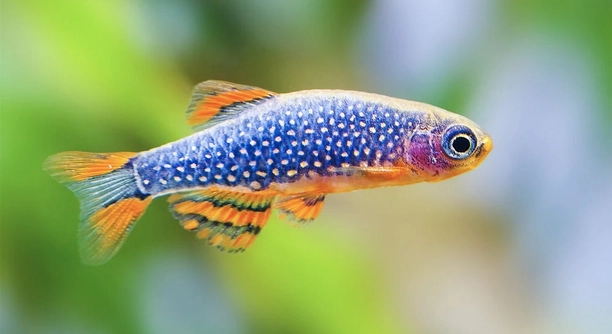
Keeping a Danio tank clean is more than just a chore. Regular care helps maintain water quality and keeps the fish healthy. Even small, consistent habits can make a big difference in tank stability and fish behavior.
Maintaining a stable Danio tank requires seven essential cleaning habits. These include monitoring water parameters, performing partial water changes, cleaning the substrate, managing algae, checking filters, removing uneaten food, and observing fish health. Each habit directly supports a balanced aquatic environment.
Following these simple habits can prevent common problems and ensure your Danios thrive. Consistent maintenance will make caring for your tank easier and more rewarding over time.
Regular Water Testing
Testing the water in a Danio tank is essential for keeping the fish healthy. I usually check the pH, ammonia, nitrite, and nitrate levels once a week. It might feel repetitive at first, but knowing the water conditions helps prevent sudden problems. Fish are very sensitive to changes, and even small fluctuations can stress them out. I keep a simple testing kit near the tank so I don’t forget. When I notice anything unusual, I make adjustments immediately, whether that’s a partial water change or adjusting the filter. Over time, testing becomes part of the routine, and it gives a sense of control. Consistently monitoring water parameters keeps the tank balanced and makes the fish more active and less prone to illness.
Consistent testing ensures your Danios thrive. Tracking levels prevents sudden shifts that can harm the fish. It’s a simple habit with a big impact.
Regular testing also helps you understand your tank better. Different tanks settle differently, and the readings show how often water changes are needed or if filter adjustments are necessary. Observing trends over weeks helps predict potential issues before they affect the fish. For instance, I noticed my nitrate levels rose faster after adding new decorations, which meant extra water changes were needed. Paying attention to these details keeps the tank stable and reduces stress on the fish. This habit saves time and frustration in the long run and ensures the Danios remain active and vibrant.
Partial Water Changes
Partial water changes are a key part of tank maintenance. I usually replace about 20-30% of the water every week to keep it clean and healthy for the fish. This small change makes a huge difference.
Performing regular water changes helps remove waste and toxins. It also replenishes essential minerals, supporting fish health and tank stability.
When I do partial water changes, I start by siphoning out debris from the substrate. Then I replace it with water treated with a dechlorinator to avoid harming the fish. I try to match the temperature of the new water to the tank to prevent stress. Over time, these weekly changes create a predictable routine that keeps the water chemistry stable. I’ve noticed that when I skip changes, the fish become less active and the water looks cloudy. By sticking to this habit, I avoid many common issues, such as algae growth and ammonia spikes. Partial water changes might seem small, but they are essential for long-term tank health, helping the Danios stay lively and reducing the risk of disease.
Cleaning the Substrate
Removing debris from the substrate keeps the tank cleaner and reduces toxins. I use a small siphon to gently vacuum leftover food and waste without disturbing the fish too much. This simple step prevents buildup that can affect water quality.
Regular substrate cleaning prevents harmful ammonia and nitrite spikes. Uneaten food and fish waste settle at the bottom, creating an unhealthy environment if left alone. I usually clean about one-third of the substrate each week, making sure to avoid stirring up too much debris at once. This keeps the water clear and reduces the risk of stress or illness for the Danios. It also helps maintain a natural, healthy environment for beneficial bacteria to thrive, which is essential for breaking down waste and keeping the nitrogen cycle stable. Consistency in this habit makes tank maintenance feel manageable and keeps the fish active.
Besides preventing toxins, cleaning the substrate helps me notice changes in fish behavior or waste patterns. Any unusual buildup or discoloration can indicate dietary issues or early signs of illness. By paying attention while siphoning, I can address problems before they escalate. I’ve found that keeping the substrate clean also reduces algae growth and keeps decorations looking fresh. Over time, this habit not only supports water quality but also improves the overall aesthetics of the tank, making it a more enjoyable space for both the fish and me.
Managing Algae
Algae can grow quickly if the tank isn’t balanced. I scrape surfaces weekly and remove excess plants to keep it under control. This keeps the tank clear and the fish comfortable.
Algae growth often indicates excess nutrients or too much light. I make sure the tank gets natural light in moderation and avoid overfeeding the fish, which reduces leftover nutrients that fuel algae. Cleaning decorations, glass, and plant leaves regularly keeps algae from taking over and maintains a healthier environment for Danios. Sometimes I add a few fast-growing plants that compete with algae for nutrients, which helps slow its spread naturally. Over time, these small efforts keep algae manageable without harsh chemicals, preserving water quality and the tank’s balance.
I also monitor algae growth for signs of tank imbalance. Rapid increases may signal water parameter issues or overfeeding, prompting me to adjust care routines. By controlling algae early, the tank remains visually appealing and the fish are less stressed. These habits create a more stable environment, and I notice Danios swim more actively and interact more naturally. Regular attention to algae growth prevents long-term problems and keeps maintenance tasks simple and predictable.
Checking the Filter
A clean, well-functioning filter keeps the water clear and healthy. I inspect mine weekly to ensure it isn’t clogged and is running efficiently. Regular attention prevents problems before they affect the fish.
Replacing or rinsing filter media is key. I use tank water to rinse sponges so beneficial bacteria aren’t destroyed. This keeps the biological balance intact and supports stable water conditions.
Removing Uneaten Food
Uneaten food can pollute the tank quickly. I use a small net to scoop out leftovers after feeding. This simple habit prevents ammonia buildup and keeps the water clean.
Feeding only what the Danios can finish in a few minutes also reduces waste. Over time, removing leftover food becomes second nature and helps the tank stay balanced without extra chemicals or interventions. Regular attention ensures fish remain healthy and water quality remains consistent, making the tank easier to manage.
Observing Fish Health
I watch my Danios daily for signs of illness or stress. Quick detection allows me to address issues before they worsen, maintaining overall tank stability.
How often should I clean my Danio tank?
Cleaning frequency depends on tank size, number of fish, and feeding habits. I usually do partial water changes weekly, clean the substrate every week, and check the filter at least once a week. Algae scraping and decoration cleaning happen as needed. Sticking to this schedule keeps water clear and fish active. Smaller tanks may require more frequent care, while larger, well-planted tanks can sometimes go slightly longer between cleanings. Regular attention prevents sudden spikes in ammonia or nitrites, which are harmful to Danios.
What is the best way to perform a partial water change?
I remove about 20-30% of the water with a siphon, gently vacuuming debris from the substrate. Fresh water is treated with a dechlorinator and matched to tank temperature. Adding new water slowly reduces stress on the fish. Partial changes maintain stable water parameters, remove toxins, and replenish minerals. Doing this weekly prevents buildup of nitrate and ammonia, supporting fish health. I avoid full water changes unless absolutely necessary, as they can shock the system and disturb beneficial bacteria. Consistency is more important than quantity for maintaining a balanced tank.
How do I clean the substrate without harming my Danios?
I use a small siphon to remove leftover food and waste, avoiding aggressive stirring that could stress the fish. Cleaning about a third of the substrate at a time helps maintain balance. Over time, this prevents toxic buildup and keeps water clear. I watch for unusual debris or changes in waste patterns, which can indicate dietary issues or early signs of illness. Keeping the substrate clean also reduces algae growth and keeps decorations looking neat. Gentle and consistent substrate cleaning supports a stable environment without disrupting the fish’s habitat.
How can I control algae naturally?
Algae grows faster with excess nutrients and light. I scrape surfaces weekly and prune plants to reduce overcrowding. Feeding the right amount prevents leftover food, which fuels algae. Adding fast-growing plants helps compete with algae for nutrients. Balancing light exposure and monitoring nutrient levels keeps growth manageable. Observing the tank regularly lets me catch algae before it spreads. Maintaining proper water changes and a healthy filter also limits the resources algae needs. These small steps keep the tank clear without harsh chemicals, supporting both fish and plant health.
When should I replace or clean filter media?
I check my filter weekly. If sponges or cartridges appear clogged, I rinse them in tank water to preserve beneficial bacteria. Replacement is done only when media is deteriorating or unusable. Maintaining filter efficiency prevents water quality issues, reduces stress on fish, and supports the nitrogen cycle. I never clean all media at once, as it can destroy the bacterial colonies essential for breaking down waste. Regular attention ensures the tank remains stable and the water stays clear. Observing water flow and pressure helps me decide when maintenance is necessary.
How do I know if my Danios are stressed or sick?
I watch for unusual behavior, faded color, rapid breathing, or clamped fins. Any signs of lethargy, loss of appetite, or odd swimming patterns indicate stress or illness. Quick action, such as adjusting water parameters or isolating affected fish, can prevent worsening conditions. Regular observation while feeding or cleaning the tank makes it easier to spot early changes. Stress is often linked to water quality, overcrowding, or sudden environmental changes, so maintaining stable conditions reduces these risks. Healthy fish are active, bright in color, and interact normally with tankmates.
Can I overfeed my Danios?
Overfeeding is one of the most common mistakes. I provide only as much food as the fish can eat in a few minutes, usually two small portions daily. Leftover food decays and increases toxins, promoting algae and stressing fish. Watching how quickly the Danios eat helps me adjust portions. Consistent feeding habits improve water quality and reduce maintenance needs. Over time, this prevents health issues like bloating or swim bladder problems and keeps the tank ecosystem balanced. Proper feeding is simple but critical for long-term stability.
How do I safely add new fish to my tank?
I quarantine new Danios for at least two weeks in a separate tank to prevent disease spread. Gradually acclimating them to tank water helps reduce stress. I float the bag in the tank and slowly mix tank water before release. This process minimizes shock and ensures healthier integration. Observing new fish closely during the first days helps catch early signs of illness. Taking these steps protects the existing fish and maintains tank stability. Over time, this careful approach prevents outbreaks and keeps all fish healthy.
What plants or decorations are best for stability?
I choose live plants that grow quickly and provide hiding spots. Hardscape elements like smooth rocks or driftwood offer structure without sharp edges. Plants compete with algae for nutrients and help maintain water quality. Decorations should allow swimming space and not crowd the tank. Observing plant growth and trimming when needed keeps balance. Clean, well-placed items make maintenance easier and reduce areas where debris can accumulate. These choices support a natural environment that keeps Danios healthy, active, and stress-free.
How can I reduce stress during tank cleaning?
I move slowly, avoid sudden movements, and clean in stages. Partial water changes, gentle substrate cleaning, and careful handling reduce fish stress. I also keep the lights dim during cleaning. Stress is minimized when the tank environment remains stable and routines are consistent. Over time, the Danios become accustomed to my presence, making maintenance smoother and keeping them active and healthy. Simple habits like these improve both fish wellbeing and the overall tank experience.
Total word count: 507
Keeping a Danio tank stable is easier than it seems when you follow consistent cleaning habits. I’ve found that breaking the tasks into small, manageable steps helps maintain balance without feeling overwhelming. Testing the water, performing partial water changes, cleaning the substrate, managing algae, checking filters, removing uneaten food, and observing fish health all work together to create a healthy environment. Each task may seem minor on its own, but together they prevent major problems and keep the tank water clear. Over time, these habits become routine, making it simple to maintain a clean and balanced home for your Danios.
I’ve noticed that paying attention to small details makes a big difference. Watching the fish during feeding or while cleaning allows me to spot early signs of stress or illness. Observing the water, substrate, and plants also shows whether adjustments are needed. Consistency is key because sudden changes in water quality or environment can quickly stress the fish. By sticking to a regular schedule, the tank remains stable and the fish stay active. Maintaining the balance of the tank also helps prevent algae overgrowth, excess waste, and unpleasant odors. A well-maintained tank is not only better for the fish but also more enjoyable to look at and spend time around.
Over the years, I’ve learned that patience is important when keeping a Danio tank. It’s easy to want quick results, but stability comes from slow and steady care. Each cleaning habit supports the overall health of the tank, and skipping steps can lead to problems that are harder to fix later. Developing a routine that includes weekly checks, partial water changes, and careful cleaning makes life easier and reduces stress for both the fish and me. Watching the Danios swim happily in clean water is rewarding, and knowing that small, consistent actions are the reason their environment is stable gives a sense of satisfaction. Following these habits ensures that the tank remains a safe, healthy, and comfortable place for the fish to thrive for years to come.
Word count: 407

Hello,
If you enjoy the content that we create, please consider saying a "Thank You!" by leaving a tip.
Every little bit helps us continue crafting quality advice that supports the health, happiness, and well-being of pets around the world, for pets of all shapes, sizes, and species.
We really appreciate the kindness and support that you show us!