
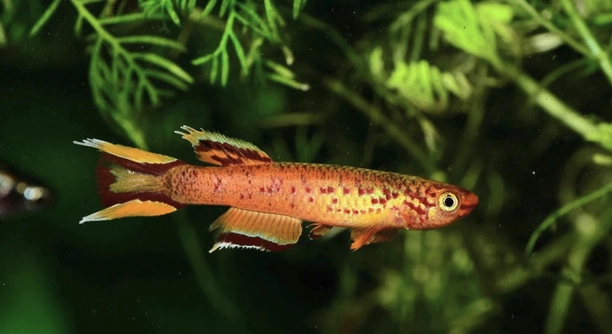
Keeping Killifish, or Killis, in a tank requires attention to their space needs. Overcrowding can lead to stress, illness, and poor water quality. Knowing the signs can help maintain a healthy and comfortable environment for your fish.
Overcrowding Killifish often results in increased aggression, stunted growth, reduced oxygen levels, and a buildup of harmful waste products. These conditions negatively affect the fish’s health and behavior, making it essential to monitor tank population carefully and adjust accordingly.
Recognizing these signs early ensures your Killis thrive and stay healthy in their habitat. This guide will help you identify common indicators of overcrowding.
Aggression and Territorial Behavior
When Killis are crowded, aggression tends to increase. Fish may nip at each other, chase, or display dominance more frequently. This behavior creates stress and can lead to injuries or even death. Territorial disputes often arise because each fish struggles to claim its own space. When a tank is overcrowded, it’s harder for Killis to find safe hiding spots, which only adds to their frustration. Stress from constant fighting weakens their immune systems, making them more susceptible to diseases. It’s important to watch for sudden changes in behavior and separate aggressive individuals if needed. Proper tank size and careful monitoring help reduce these issues and promote peaceful interactions.
Overcrowded tanks force Killis into close quarters, increasing conflict and stress that harm their well-being.
Understanding how aggression manifests will help you create a calmer, healthier environment for your Killis. Adjusting tank population and adding plants or decorations can give them places to retreat, lowering tension and encouraging natural behavior.
Poor Water Quality and Its Effects
Poor water quality is a major problem in overcrowded Killifish tanks. When too many fish share limited space, waste builds up quickly. Ammonia, nitrite, and nitrate levels rise, making the water toxic. This impacts the fish’s health and can cause fin rot, respiratory issues, and lowered immunity. Frequent water changes become necessary but may not always keep up with waste production. Overcrowding also reduces oxygen levels, which is stressful and sometimes fatal for Killis. The water filtration system can be overwhelmed, making it harder to maintain a stable environment. Testing water parameters regularly helps catch problems early. Maintaining proper fish density is essential to keep water conditions safe and comfortable.
Keeping too many Killis in a tank leads to rapid waste accumulation, deteriorating water quality, and health problems. Proper filtration and regular water tests are vital for early detection of harmful conditions. Adding fewer fish allows your filtration system to function efficiently, keeping toxins low and oxygen levels adequate. This balance supports strong, vibrant Killis that can thrive without constant illness or stress. Clean water promotes growth and activity, making your tank a healthier place for all its inhabitants. Managing tank population is one of the simplest ways to ensure water quality remains at its best.
Stunted Growth and Health Issues
Overcrowding limits space for Killis to swim freely, which can stunt their growth. Limited room means less exercise and more competition for food.
When Killis don’t have enough space, they may not get proper nutrition as dominant fish often eat first. This can lead to poor development and weakened health. Crowding also increases stress, which suppresses their immune systems, making them vulnerable to infections and parasites. Chronic stress affects their lifespan and overall vitality, causing many problems that could have been avoided with better tank management.
Providing enough space encourages natural swimming behavior, reduces stress, and allows Killis to reach their full growth potential. Paying attention to their size and activity is important to spot early signs of stunting or illness.
Reduced Oxygen Levels
Overcrowded tanks often have lower oxygen levels because many fish consume oxygen faster than it can be replaced. This causes respiratory stress.
Oxygen depletion makes Killis more lethargic and can lead to gasping at the surface. It also weakens their ability to fight off diseases. Increasing aeration or water movement can help, but reducing the number of fish is the most effective solution. Proper stocking density ensures there is enough oxygen for every fish to breathe comfortably, which supports their health and energy.
Ensuring good oxygen levels helps your Killis stay active and healthy. Proper tank maintenance and population control work together to maintain this balance.
Poor Breeding Success
Overcrowded tanks reduce breeding success among Killis. Stress and competition make spawning difficult. Eggs may be eaten or neglected.
Limited space also causes parents to abandon eggs, leading to fewer fry. Overcrowding disrupts natural breeding behaviors, so it’s important to keep tank populations manageable for healthy reproduction.
Increased Waste Buildup
More fish produce more waste, which quickly accumulates in small tanks. This buildup harms water quality and strains filtration systems, requiring more frequent cleaning and maintenance.
Stress-Related Illnesses
Stress from overcrowding weakens Killis’ immune systems. This makes them prone to infections, fin rot, and parasites that are harder to treat in crowded conditions.
Difficulty Maintaining Tank Conditions
Too many Killis make it harder to keep stable water parameters. This instability affects their health and behavior, requiring extra care and attention.
FAQ
How many Killis can I keep in one tank?
The number of Killis depends on the tank size and species. A general rule is one inch of fish per gallon of water. Smaller tanks need fewer fish to avoid overcrowding. Always research your Killis species’ size and behavior before adding them to the tank.
What signs show my Killis tank is overcrowded?
Signs include increased aggression, constant chasing, hiding, stunted growth, poor water quality, and visible stress like gasping at the surface. If you notice more injuries or disease outbreaks, overcrowding may be the cause.
How can I reduce aggression in an overcrowded tank?
Adding plants and decorations helps break sight lines and creates hiding spots, reducing stress and fights. Separating aggressive fish or moving some to another tank also helps. But the best solution is to lower the number of fish in the tank.
Can overcrowding cause my Killis to stop breeding?
Yes. Stress from overcrowding disrupts natural spawning behaviors. Killis may ignore eggs or even eat them. Providing enough space and a peaceful environment encourages successful breeding.
How often should I test water quality in a Killis tank?
Testing water weekly is ideal, especially in tanks with many fish. Overcrowding causes quicker buildup of harmful chemicals like ammonia and nitrites. Regular testing helps catch problems early to prevent health issues.
What should I do if I find my Killis tank overcrowded?
Start by reducing the number of fish. You can move some to another tank or rehome them responsibly. Improving filtration and increasing water changes can help temporarily, but lowering fish density is the long-term solution.
Is it safe to add more plants to reduce overcrowding stress?
Yes. Plants provide hiding spots and territories, which help Killis feel secure. They also improve water quality by absorbing waste. However, plants don’t replace the need for proper tank space and fish numbers.
How does overcrowding affect the lifespan of Killis?
Chronic stress and poor water quality shorten Killis’ lifespan. Overcrowded fish are more prone to disease and injury. Keeping your tank well-stocked but not crowded helps Killis live longer and healthier lives.
Can a strong filtration system fix overcrowding problems?
Filtration helps maintain water quality but cannot fix overcrowding. Too many fish produce more waste than most filters can handle. The best approach is to balance fish numbers with filtration capacity for a healthy tank.
What is the ideal tank size for a small group of Killis?
A 10-gallon tank is a good start for a small group of Killis. This size provides enough swimming space and easier maintenance. Larger tanks are always better for more fish or bigger species to avoid crowding.
Final Thoughts
Keeping Killis in a tank can be very rewarding, but it requires careful attention to their living conditions. Overcrowding is a common problem that can harm your fish in many ways. When Killis have too little space, they become stressed, fight more, and get sick more easily. It is important to provide enough room for each fish so they can swim freely, grow properly, and behave naturally. This helps keep them healthy and happy.
Maintaining good water quality is another key part of caring for Killis. Overcrowded tanks produce more waste, which quickly pollutes the water and affects the fish’s health. Regular water changes and proper filtration are necessary, but they can only do so much if the tank is too full. Keeping the number of fish within a reasonable limit helps the filtration system work better and prevents dangerous buildups of harmful chemicals. This balance between fish number and tank size makes a big difference in the well-being of your Killis.
Paying attention to signs of overcrowding and acting early can save your Killis from many health issues. Changes in behavior, aggression, slow growth, and poor water quality are all warnings to watch for. By reducing the number of fish when needed, adding plants or decorations, and testing water often, you can create a better environment for your Killis. Taking these steps will ensure that your fish live longer, stay active, and remain beautiful. Proper care and space are the best ways to enjoy keeping Killifish.

Hello,
If you enjoy the content that we create, please consider saying a "Thank You!" by leaving a tip.
Every little bit helps us continue crafting quality advice that supports the health, happiness, and well-being of pets around the world, for pets of all shapes, sizes, and species.
We really appreciate the kindness and support that you show us!