
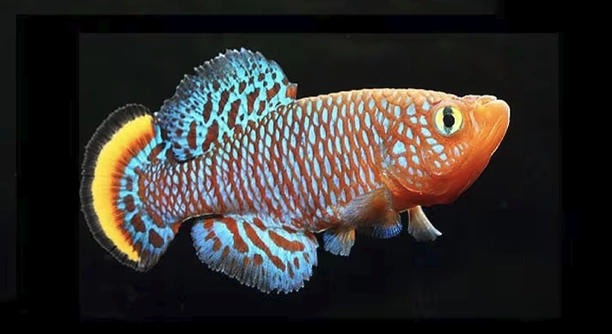
Moving killifish can be tricky, especially when trying to avoid stress or injury. Many hobbyists seek gentle methods that do not involve nets, which can sometimes harm these delicate fish. This article explores safer alternatives for transferring killifish effectively.
One effective method is to use a container or cup to scoop the fish gently from the tank. This minimizes contact and reduces stress by avoiding the direct capture with a net. Careful handling and slow movements ensure the fish remain calm throughout the process.
Understanding these techniques can improve your killifish’s well-being during moves. Safe handling promotes healthier fish and a more enjoyable aquarium experience for hobbyists.
Preparing to Move Killifish Without a Net
Before moving killifish, it is important to prepare your equipment and environment carefully. Start by selecting a clean, smooth container like a small cup or jar that will comfortably hold the fish. Make sure the container is free of sharp edges or anything that could harm the fish’s delicate fins. Fill it with water from the tank to avoid sudden changes in water parameters that might stress the fish. It is also helpful to dim the lights slightly to keep the fish calm during the transfer. Clear the area of any distractions or sudden movements that might cause the fish to dart or injure itself. Taking these simple steps helps create a smooth and safe process for both the fish and yourself.
Avoid rushing the preparation stage, as calmness benefits the fish.
Having a well-prepared setup reduces stress and increases the chances of a successful transfer. It also helps maintain water quality during the move, protecting the fish’s health.
Using a Container to Transfer Killifish
A container method is often preferred for moving killifish without a net because it limits direct handling. Slowly approach the fish with the container, moving it gently under the fish’s body without sudden movements. This helps avoid startling the fish, which can lead to injury or escape attempts. Once the fish is inside, lift the container steadily, keeping the water level stable to avoid spills. Transport the fish carefully to the new tank or location. Slowly introduce the fish by placing the container in the new water to allow gradual acclimation. This method is less invasive than netting and reduces the risk of damage to the fish’s fins and scales. Proper technique and patience make this approach reliable and safer.
Keeping the fish calm and steady during the transfer is key.
Minimizing Stress During Transfer
Keeping killifish calm during transfer is essential to prevent shock or injury. Avoid sudden movements and loud noises around the tank. Gentle, slow handling helps maintain their well-being. Using a quiet and dim environment further reduces stress, making the process smoother.
Temperature consistency is crucial. Use water from the original tank in the container to maintain stable conditions. Rapid changes in temperature can cause severe stress or health issues. Also, try to move the fish during cooler parts of the day, as they tend to be less active and easier to handle.
Timing your transfer carefully supports the fish’s adjustment. Avoid peak feeding or activity times to reduce agitation. Pay attention to your killifish’s behavior and act calmly and steadily, ensuring their safety and comfort throughout the process.
After the Transfer
Place the container gently in the new tank, allowing the fish to acclimate gradually. Slowly mix tank water into the container over 15 to 30 minutes. This reduces shock from different water parameters. Avoid removing the fish abruptly; instead, let it swim out on its own.
Once the fish enters the new tank, observe it for signs of stress or injury. Keep the environment calm and avoid sudden changes for at least a day. Maintaining stable lighting and water conditions helps the killifish settle. If the fish shows signs of distress, check water quality and consider further acclimation.
Cleaning and preparing the original and new tanks before and after moving killifish is essential. Regular water testing and careful monitoring support their health during transitions. Proper care after transfer encourages a successful adjustment and long-term well-being.
Choosing the Right Container
Select a container that is smooth and free of sharp edges to protect the fish. It should be just large enough to hold the fish comfortably, with enough water to keep it safe during transfer.
Avoid using containers with strong colors or patterns, as these can stress killifish. Clear containers work best for observing the fish during the move.
Avoiding Common Mistakes
Rushing the transfer or handling the fish roughly can cause injury or shock. Always move slowly and carefully. Avoid transferring killifish during feeding times or when they are very active.
Monitoring Water Quality
Water quality plays a vital role in killifish health, especially during moves. Test parameters such as temperature, pH, and ammonia levels regularly to ensure a stable environment.
Handling Multiple Fish
When moving several killifish, transfer them one at a time or use larger containers to reduce stress and avoid overcrowding.
FAQ
How can I safely move killifish without using a net?
The safest method is to use a small container or cup filled with tank water. Approach the fish slowly and gently scoop it up with the container. Avoid sudden movements to reduce stress. Once inside, carefully transfer the container to the new tank and let the fish swim out on its own.
Why is netting not recommended for killifish?
Killifish have delicate fins and bodies that can easily tear or get damaged by nets. Nets also cause more stress compared to gentle scooping methods. Avoiding nets helps prevent injuries and improves the overall health of the fish.
Can I use a plastic bag to move killifish?
Using a plastic bag is possible but not ideal for short transfers. It may cause more stress due to lack of oxygen and movement restrictions. For longer trips, a properly aerated and sealed bag can be used, but for short moves, a container with tank water is safer.
How long should I acclimate killifish after moving them?
Acclimation should last at least 15 to 30 minutes. Place the container in the new tank and slowly add tank water to the container over this period. This gradual change helps the fish adjust to new water conditions and reduces shock.
What water parameters should I check before moving killifish?
Check temperature, pH, ammonia, nitrite, and nitrate levels in both the original and new tanks. Consistency in these parameters helps prevent stress and health problems. Use water from the original tank during transfer to maintain stable conditions.
Is it better to move killifish during the day or at night?
Moving killifish during cooler, less active parts of the day is better. Early morning or late evening transfers reduce activity levels, making the fish easier to handle and less likely to be stressed during the move.
How can I reduce stress during transfer?
Keep the environment quiet and dim. Avoid sudden movements or loud noises near the tank. Use gentle, slow handling techniques and maintain stable water conditions. Stress reduction is key to preventing injury and health issues.
Should I feed killifish before moving them?
It’s best to avoid feeding right before moving killifish. Full stomachs can cause stress and discomfort during transfer. Feed the fish several hours before the move, allowing time for digestion.
What should I do if a fish shows signs of stress after moving?
Watch for signs like rapid breathing, clamped fins, or lethargy. Check water quality immediately. Improve conditions by adjusting temperature or filtering water. If necessary, isolate the fish in a quarantine tank with stable parameters until it recovers.
Can multiple killifish be moved together?
Yes, but avoid overcrowding. Use a large enough container to allow comfortable movement and prevent fighting. Transfer fish one by one if needed. Overcrowding increases stress and the risk of injury.
How often should I clean the containers used for moving killifish?
Clean containers thoroughly after each use. Rinse with warm water and avoid harsh chemicals or soaps that can leave harmful residues. Keeping containers clean helps prevent infections and maintains water quality during transfers.
Is there a difference in moving adult and juvenile killifish?
Juveniles are more sensitive and fragile than adults. Handle juveniles with extra care, using smaller containers and slower movements. Adults are generally more robust but still require gentle handling to avoid damage.
Can I use a net for very quick transfers?
Even quick transfers with a net can cause injury or stress. Nets are best avoided unless absolutely necessary. Using a container method is safer and still efficient for quick moves.
What type of container is best for moving killifish?
Clear plastic or glass containers with smooth edges work best. They allow easy observation of the fish and reduce the risk of injury. Avoid containers with rough surfaces or sharp edges.
How do I handle killifish that jump during transfer?
Use a container with a lid or cover the top to prevent escapes. Move slowly and avoid startling the fish. Keeping water levels stable and movements gentle reduces the chance of jumping.
Can killifish tolerate brief exposure to air during transfer?
No, killifish should never be exposed to air outside of water for more than a few seconds. Prolonged exposure causes stress and can damage their delicate gills. Always keep them submerged during transfer.
Are there signs that killifish are too stressed to move?
If the fish hide excessively, refuse to eat, or display erratic swimming, they may be too stressed. In such cases, delay the move if possible and focus on calming the fish and stabilizing water conditions.
What temperature should the water be during transfer?
The water should match the temperature of the original tank closely, usually between 72°F and 78°F (22°C to 26°C) for most killifish species. Sudden temperature changes can shock the fish.
How long can killifish stay in a transfer container?
Limit time in the container to under 30 minutes. Prolonged confinement reduces oxygen levels and increases waste buildup, which harms the fish. Prepare the new tank beforehand to minimize waiting time.
Is it necessary to treat the water in the transfer container?
Using water from the original tank is best. Avoid adding treatments unless absolutely necessary. This helps keep familiar water chemistry and reduces shock during the move.
Moving killifish without using a net requires care and patience. The delicate nature of these fish means that rough handling or sudden movements can cause injury or stress. Using a small container filled with water from the original tank is the safest way to transfer them. This method avoids direct contact and limits the risk of damage to their fins and scales. Preparing the container and environment before the move helps ensure a smooth process. It is important to move slowly and gently to keep the fish calm.
Keeping water conditions consistent during the transfer is crucial. Using tank water in the container prevents sudden changes in temperature, pH, or other parameters that could shock the fish. Acclimating the fish gradually to the new tank by mixing water slowly also helps reduce stress. Observing the fish closely after the transfer allows you to identify any signs of distress or health issues early. Providing a calm and stable environment helps the killifish adjust to their new surroundings and promotes long-term health.
Patience is important throughout the entire process. Rushing or handling the fish roughly can lead to injuries or illness. It is best to avoid moving killifish during active or feeding times, as they tend to be more sensitive then. Cleaning and preparing containers properly before each use helps maintain water quality and prevents infections. For multiple fish, transferring them one at a time or using larger containers reduces stress. Following these careful steps can make moving killifish safer and easier, ensuring the well-being of these delicate fish in their new home.

Hello,
If you enjoy the content that we create, please consider saying a "Thank You!" by leaving a tip.
Every little bit helps us continue crafting quality advice that supports the health, happiness, and well-being of pets around the world, for pets of all shapes, sizes, and species.
We really appreciate the kindness and support that you show us!