
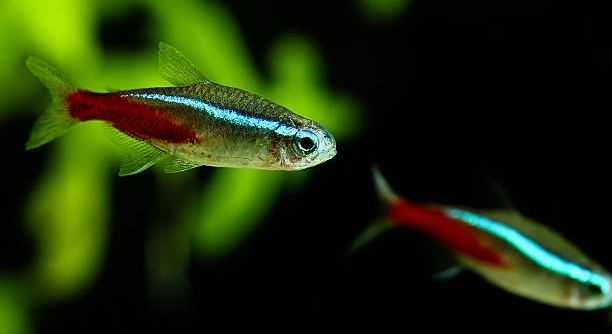
Sudden death in tetras is a heartbreaking event for many aquarium owners. These small fish often appear healthy until they unexpectedly pass away. Understanding the causes can help prevent such losses and keep your tank thriving.
The primary causes of sudden tetra death include poor water quality, temperature fluctuations, stress, infections, improper diet, overcrowding, and exposure to toxins. Each factor disrupts the fish’s delicate balance, leading to rapid health decline and mortality.
Knowing these common causes allows you to take steps to protect your tetras. This article will guide you through the key reasons behind sudden deaths and how to avoid them.
Poor Water Quality
Poor water quality is one of the main reasons tetras suddenly die. If the water contains too much ammonia, nitrites, or nitrates, it can quickly become toxic. Even small changes in pH or hardness can stress tetras and weaken their immune systems. Dirty tanks with leftover food and waste increase harmful bacteria growth, which can lead to infections. Regular water testing and changes are essential to keep the tank safe. Many aquarium owners don’t realize that tap water can contain chlorine or chloramine, which harm fish. Using a water conditioner helps neutralize these chemicals. Keeping a clean and stable environment will help tetras stay healthy and live longer.
Poor water conditions affect fish quickly and should be monitored often. Testing kits make it easy to track key water parameters. Consistency is the key to avoiding sudden problems.
Maintaining proper water quality involves regular partial water changes—typically 20-30% weekly—and avoiding overfeeding. Also, using a good filter and not overcrowding the tank will reduce waste buildup. It’s important to monitor water temperature along with chemical levels. Sudden shifts in temperature can stress fish and worsen poor water effects. By keeping water clean and stable, you create a healthier habitat where tetras can thrive without sudden health issues.
Temperature Fluctuations
Tetras are sensitive to changes in water temperature. Even small swings can cause stress or shock. Keeping the tank temperature stable helps prevent sudden deaths.
Rapid temperature changes disrupt fish metabolism and immune function. Consistent warmth around 74-80°F is ideal. Use a reliable heater and thermometer to maintain steady conditions. Avoid placing tanks near windows or vents where temperature varies. Stress from temperature swings makes tetras more vulnerable to diseases and lowers their chances of survival. Monitoring temperature daily and ensuring a steady environment is an easy but important step to protect your fish.
Stress
Stress weakens tetras and makes them more likely to get sick. Changes in environment, aggressive tank mates, or overcrowding can all cause stress.
When tetras are stressed, their immune system weakens, making it easier for infections to take hold. Stress can come from too many fish in a small tank or from aggressive species chasing or bullying them. Even sudden changes like moving the tank or changing water too quickly can upset their balance. Providing hiding spots and peaceful companions helps reduce stress. A calm and stable environment supports healthier fish and lowers sudden death risks.
Stress also affects feeding behavior. Stressed fish may stop eating or become lethargic, which further lowers their ability to fight illness. Keeping the tank quiet and stable, avoiding sudden changes, and watching for aggressive behavior are simple ways to keep tetras comfortable and healthy.
Infections
Bacterial, fungal, or parasitic infections are common causes of sudden tetra death. These infections spread quickly in poor conditions.
Infections often appear after stress or injury weakens fish defenses. Signs may be subtle, like small spots, faded colors, or unusual swimming patterns. If left untreated, infections can rapidly worsen, leading to death. Quarantining new fish before adding them to the main tank can help prevent infections. Good tank hygiene and water quality also reduce infection risks. Using medications carefully when needed can stop infections from spreading to other fish.
Early detection and treatment are key to controlling infections. Regular observation helps spot problems before they become severe. Avoid overstocking and keep water clean to minimize risks. Providing a healthy environment gives tetras the best chance to resist infections and stay alive.
Improper Diet
Feeding tetras the wrong food can cause health problems. Poor nutrition weakens their immune system and shortens their lifespan.
Tetras need a balanced diet with proteins, fats, and vitamins. Overfeeding or giving only one type of food leads to deficiencies. A mix of flakes, frozen, and live foods helps keep them healthy and active.
Overcrowding
Too many fish in one tank causes stress and poor water quality. Overcrowding limits space and oxygen, increasing the chance of disease and sudden death.
Maintaining a proper fish-to-water ratio reduces competition and keeps the environment stable. Providing enough room helps tetras thrive peacefully.
Exposure to Toxins
Toxins from cleaning products, decorations, or untreated water can harm tetras quickly. Even small amounts affect their health severely.
FAQ
What are the signs that my tetra is stressed?
Stressed tetras often show changes in behavior. They might hide more than usual, swim erratically, or lose interest in food. You may notice faded colors or clamped fins. These signs indicate your fish is uncomfortable and might be at risk for illness if the cause isn’t fixed quickly.
How often should I test my aquarium water?
Testing water weekly is a good rule of thumb, especially for ammonia, nitrites, nitrates, and pH levels. More frequent testing is helpful when adding new fish or adjusting equipment. Consistent testing helps catch problems early before they harm your tetras.
Can I treat infections at home?
Some infections can be treated with over-the-counter medications, but it’s important to identify the problem first. Bacterial infections often respond to antibiotics, while fungal infections need antifungal treatments. Parasites require specific medicines. Always follow instructions carefully and isolate sick fish if possible.
Is tap water safe for tetras?
Tap water usually contains chlorine or chloramine, which are harmful to fish. Using a water conditioner is essential to neutralize these chemicals before adding water to the tank. Letting tap water sit out to dechlorinate is not enough and can cause toxin buildup.
How many tetras can I keep in a 20-gallon tank?
A general rule is one inch of fish per gallon, so about 10-15 tetras in a 20-gallon tank is safe. This helps avoid overcrowding, reduces stress, and maintains good water quality. Providing hiding spots and plants also supports their wellbeing.
Why is my tetra suddenly not eating?
Loss of appetite can be a sign of stress, illness, or poor water quality. Check the tank conditions and look for signs of disease. Sometimes, a sudden change in environment or water parameters causes feeding issues. Addressing these factors often restores appetite quickly.
What temperature is best for tetras?
Tetras do well in water between 74°F and 80°F. Keeping the temperature steady within this range avoids stress and supports their immune system. Use a reliable heater and thermometer to maintain stable conditions.
How can I reduce stress in my tetra tank?
Provide plenty of hiding places with plants or decorations. Avoid aggressive fish that might bully your tetras. Keep the tank environment stable by making slow, gradual changes during water changes or rearranging the tank.
Can sudden death be prevented completely?
While it’s impossible to prevent all sudden deaths, good care reduces the risk significantly. Maintaining water quality, stable temperature, proper diet, and a peaceful environment keeps tetras healthy and lowers the chance of unexpected loss.
How long do tetras usually live?
With good care, tetras live around 3 to 5 years. Proper tank conditions, balanced feeding, and low stress all contribute to reaching their full lifespan. Sudden death often results from avoidable problems, so prevention is key.
Should I quarantine new fish before adding them to my tank?
Quarantining new fish for at least two weeks helps prevent introducing diseases to your established tank. Observing new arrivals in a separate tank allows you to spot illnesses early and treat them before they spread.
What foods are best for tetras?
A mix of high-quality flake food, frozen or live brine shrimp, daphnia, and bloodworms provides balanced nutrition. Rotating foods ensures your tetras get a variety of nutrients needed for good health and color.
How often should I do water changes?
Weekly partial water changes of about 20-30% keep the tank clean and reduce toxins. More frequent changes may be necessary in heavily stocked tanks or when water parameters shift.
Can overcrowding cause sudden deaths in tetras?
Yes, overcrowding stresses fish and worsens water quality. It increases competition for food and oxygen, making tetras more vulnerable to disease and sudden death. Proper stocking levels are essential for a healthy aquarium.
What should I do if I notice sudden death in my tank?
Remove the dead fish immediately and test water parameters. Check for signs of disease or poor water quality. If needed, treat the tank and review care routines to prevent further losses. Quarantine new fish to avoid spreading illness.
Sudden death in tetras can be upsetting, especially when you don’t see any warning signs. Many causes, like poor water quality or stress, can quickly affect these small fish. Taking simple steps to maintain their environment and health can prevent many problems. Paying attention to water conditions, temperature, and feeding habits helps create a stable and safe home for your tetras. Small changes often make a big difference in how well they thrive.
Keeping the tank clean and stable is one of the best ways to protect your tetras. Regular water testing and partial water changes reduce harmful chemicals and keep water safe. Avoid overcrowding the tank because too many fish lead to stress and poor water quality. Also, watch for signs of illness or unusual behavior, so you can act quickly if something is wrong. Using a good filter and maintaining the right temperature supports your fish’s overall health and lowers the risk of sudden death.
Diet and stress management are equally important. Feeding your tetras a varied and balanced diet strengthens their immune system. Stress from aggressive tank mates or sudden environment changes weakens their resistance to disease. Providing hiding spots and peaceful companions creates a calm atmosphere that helps tetras feel safe. By following these care basics, you give your fish a better chance to live longer and stay healthy. Keeping your tetras happy takes attention but pays off with a lively and vibrant tank.

Hello,
If you enjoy the content that we create, please consider saying a "Thank You!" by leaving a tip.
Every little bit helps us continue crafting quality advice that supports the health, happiness, and well-being of pets around the world, for pets of all shapes, sizes, and species.
We really appreciate the kindness and support that you show us!