
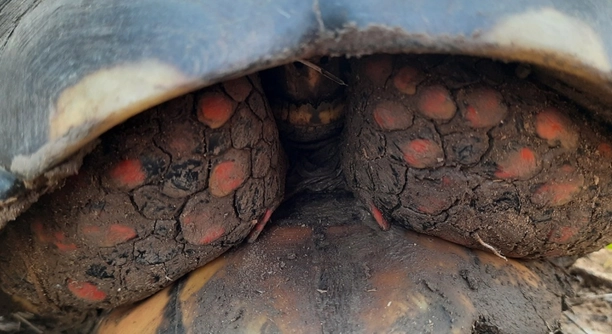
Red-footed tortoises are generally hardy, but like all pets, they can fall ill. Recognizing early signs of illness can help prevent further health complications. Knowing what to look for will ensure you can take the necessary steps to care for them.
A red-footed tortoise may display several signs when it’s unwell. These include a lack of appetite, lethargy, abnormal shell condition, respiratory issues, and changes in behavior. Close observation and timely veterinary consultation are essential for diagnosing and treating these health concerns.
Identifying these symptoms early can help you keep your red-footed tortoise healthy and comfortable. Understanding how to respond to these signs is crucial for their overall well-being.
Loss of Appetite
If your red-footed tortoise suddenly stops eating or seems uninterested in food, it could be a sign of illness. Tortoises are usually active eaters, so any change in appetite should be taken seriously. This behavior can indicate respiratory issues, digestive problems, or even stress. Dehydration is another common factor that affects their appetite. Always ensure fresh water is available and observe if they are drinking. Stress from environmental changes or improper habitat conditions can also contribute to a lack of appetite.
Changes in diet can also cause temporary loss of appetite. However, if this behavior continues for a prolonged period, it’s essential to seek veterinary attention. A lack of food intake can lead to weakness, affecting your tortoise’s overall health. Keep track of their food preferences and consumption habits to spot changes early.
Monitoring their eating habits and the environment will give you a better understanding of what might be causing the issue. Keeping a consistent routine is essential for their well-being.
Lethargy and Lack of Movement
Red-footed tortoises are naturally active, and a sudden lack of movement is a red flag. If your tortoise becomes unusually sluggish or spends too much time hiding, it could be due to a health problem. This condition may indicate an internal issue, such as an infection, or external factors like stress from sudden changes in their habitat.
Lethargy can also be a symptom of temperature imbalances. Tortoises require a proper temperature gradient in their habitat to stay active. A cooler environment may cause them to slow down or seek warmth. If your tortoise’s behavior does not return to normal after adjusting the temperature, it’s time to consult a veterinarian. Even minor shifts in behavior can signify deeper health concerns.
You may notice other changes, such as a reduction in activity and a lack of interest in exploring or basking. When lethargy persists, it’s vital to take action and ensure your tortoise’s habitat and diet are optimal for its health.
Abnormal Shell Condition
Changes in the condition of your tortoise’s shell can signal illness. A healthy shell should be smooth, firm, and without cracks. If you notice softness, discoloration, or visible damage, something may be wrong. Shell rot can be a result of poor living conditions, inadequate humidity, or infections. This condition can be serious if not addressed quickly.
Shell rot is usually accompanied by foul smells and visible sores. It’s important to keep the tortoise’s environment clean and ensure they’re not exposed to excessive moisture or dampness for long periods. A dry, clean environment with adequate ventilation is key to preventing shell problems.
If shell abnormalities are noticed, take immediate action. A visit to the vet for treatment is crucial to prevent further deterioration. With proper care and attention, your tortoise can recover and regain a healthy shell. Always check for signs of shell damage when handling them.
Respiratory Issues
Respiratory problems are common in tortoises, especially when their environment is too cold or humid. Signs of respiratory illness include wheezing, nasal discharge, and difficulty breathing. If you notice these symptoms, it’s essential to act quickly. Respiratory infections in tortoises can worsen rapidly and lead to more severe health complications.
Ensure the temperature of their habitat is properly regulated to avoid cold stress, which can contribute to respiratory issues. A consistent warm environment is vital for their health. Additionally, check for any signs of mucus around the nose or mouth, as this can indicate a respiratory infection that needs medical attention.
Even slight changes in breathing patterns or nasal discharge should not be ignored. If your tortoise is showing signs of distress while breathing, it’s important to provide immediate care. Early intervention will give your tortoise the best chance for a full recovery.
Unusual Behavior
When a red-footed tortoise starts displaying unusual behavior, it’s a sign something is off. This can include increased aggression, hiding for extended periods, or acting unusually restless. A drastic change in their behavior often indicates stress or a health issue that requires attention.
Tortoises are creatures of habit, so any shifts in behavior should not be ignored. Whether it’s a change in social interaction or how they move around their enclosure, these changes can reveal underlying problems. Monitoring their habits closely will help you detect early signs of illness or discomfort.
Excessive Drinking or Lack of Drinking
Changes in your tortoise’s drinking habits are another warning sign. If they are drinking much more or less than usual, it could point to dehydration or kidney problems. Excessive drinking might also be linked to infections or metabolic disorders, which need medical attention.
Proper hydration is essential for your tortoise’s well-being, so any drastic changes should be monitored. If your tortoise refuses to drink water or seems overly thirsty, these issues need to be addressed right away. Ensure they have easy access to clean water at all times and observe any further changes.
Changes in Urination
Changes in urination are another indicator of potential health issues. If you notice your tortoise’s urine is unusually dark or they aren’t urinating as much, it could be a sign of dehydration or kidney dysfunction. These issues require prompt attention.
Check for any changes in their diet or habitat that could contribute to this behavior. Dehydration can lead to serious complications, so ensuring your tortoise drinks enough water is vital. If these changes persist, contact a vet for further evaluation. It’s always better to be cautious when it comes to urinary changes.
FAQ
What should I do if my red-footed tortoise stops eating?
If your tortoise suddenly stops eating, check their environment first. Make sure the temperature is appropriate and that their habitat is clean and stress-free. If the problem persists for more than a day, consult a vet. A lack of appetite could be linked to various issues like digestive problems, stress, or illness.
How can I tell if my red-footed tortoise is dehydrated?
Signs of dehydration in red-footed tortoises include sunken eyes, lethargy, and dry skin. Ensure your tortoise has access to fresh water daily and is soaking in a shallow dish if needed. If dehydration seems severe, consider seeing a vet for advice and possible treatment.
Why is my red-footed tortoise’s shell soft?
A soft shell can be a sign of improper diet or poor environmental conditions. Lack of calcium or improper lighting can lead to softening. Ensure your tortoise is receiving a balanced diet with proper UVB exposure. If the softness persists, a vet check-up is recommended.
What temperature should I keep my red-footed tortoise’s habitat?
Red-footed tortoises require a temperature gradient in their habitat, with a basking area between 90-95°F (32-35°C) and a cooler side around 75°F (24°C). Make sure there is a temperature variation within the enclosure to allow your tortoise to regulate its body temperature.
How can I prevent shell rot in my red-footed tortoise?
Maintaining proper humidity levels and cleanliness in their habitat is key. Shell rot is often caused by excessive moisture or dirty living conditions. Keep your tortoise’s environment dry and clean. Regularly inspect their shell for signs of infection, and if you spot any, consult a vet immediately.
Is it normal for my red-footed tortoise to sleep a lot?
Tortoises naturally sleep a lot, especially at night or when temperatures drop. However, if your tortoise is excessively lethargic during the day or seems to be sleeping more than usual, it might indicate a health issue such as infection or stress. Check their surroundings and consult a vet if concerned.
Why is my red-footed tortoise’s skin flaky?
Flaky skin can occur during a natural shedding process, but if it’s excessive, it might be a sign of an infection or improper humidity levels. Ensure your tortoise has a proper humidity level in its habitat, and check for other signs of illness like lethargy or loss of appetite.
Can red-footed tortoises live in an outdoor enclosure?
Yes, red-footed tortoises can live outside in a secure, safe, and properly maintained enclosure. Ensure they have access to shade, fresh water, and a basking spot. The climate should be warm, but if temperatures drop too low, they may need to be brought inside.
What is the best diet for a red-footed tortoise?
A red-footed tortoise’s diet should consist of a variety of leafy greens, fruits, and occasional flowers. Avoid feeding them too much high-oxalate food like spinach. A balanced diet with calcium and fiber will keep them healthy. Make sure to offer fresh food daily and remove leftovers to prevent spoilage.
How can I tell if my red-footed tortoise is stressed?
Stress in a red-footed tortoise can be indicated by hiding, loss of appetite, or unusual behavior. Changes in their environment, lack of hiding spots, or the presence of predators can contribute to stress. Keep their habitat consistent and secure to minimize stress triggers.
Is it safe to handle my red-footed tortoise?
It’s safe to handle your tortoise occasionally, but avoid frequent or rough handling, as it can cause stress. When handling, do so gently, supporting their body fully. Allow them to explore their environment on their own terms as much as possible.
Why is my red-footed tortoise’s breathing noisy?
Noisy breathing can indicate respiratory issues. This could be due to a cold or respiratory infection, often caused by cold temperatures or poor humidity levels. If your tortoise is wheezing, has discharge, or seems to struggle while breathing, it’s important to consult a vet.
What type of UV light does my red-footed tortoise need?
Red-footed tortoises require a UVB light to help them synthesize vitamin D3 and absorb calcium. The light should be placed within 6-12 inches of the basking spot. Change the bulb every 6 months, as its effectiveness diminishes over time.
Can red-footed tortoises live with other animals?
While red-footed tortoises can coexist with other reptiles, it’s best to avoid housing them with species that may stress or harm them. Avoid mixing tortoises with aggressive species. Always monitor their interactions to ensure the safety and well-being of all animals involved.
How long can red-footed tortoises live?
Red-footed tortoises can live for 50 years or more when properly cared for. Their lifespan depends on factors like diet, environment, and overall health. Providing consistent care will help ensure they live a long and healthy life.
What do I do if my red-footed tortoise has diarrhea?
If your tortoise is experiencing diarrhea, it could be due to stress, diet changes, or infection. Ensure they have access to clean water and monitor their food intake. If the diarrhea persists for more than a few days, take your tortoise to the vet for evaluation.
How can I make sure my red-footed tortoise is getting enough calcium?
Calcium is vital for bone health and shell development. Ensure your tortoise’s diet includes foods high in calcium like leafy greens and calcium supplements. Offering cuttlebone or a calcium block in their enclosure can also help maintain proper levels.
Final Thoughts
Caring for a red-footed tortoise requires attention to detail and a commitment to their well-being. While they are hardy animals, they need proper care to thrive. Creating the right environment, offering a balanced diet, and regularly monitoring their health are all important aspects of tortoise care. Consistency is key in providing the necessary conditions for them to feel secure and comfortable. If you notice any signs of illness or abnormal behavior, it’s crucial to address the issue quickly, as early intervention can often prevent more serious health problems.
Another important consideration is ensuring that your red-footed tortoise has a space that mimics its natural habitat. They are used to warm, humid environments, so replicating these conditions in an enclosure can help them feel at ease. Additionally, providing hiding spots, proper lighting, and clean water will keep them healthy and active. Their diet also plays a major role in their overall health. A varied, nutritious diet will help prevent deficiencies that could lead to health issues. Monitoring their hydration and calcium intake is particularly important to maintain strong bones and a healthy shell.
Lastly, while red-footed tortoises can live a long time, they are not the easiest pets for beginners. They need daily care and attention, so it’s important to ensure you’re prepared for the commitment. Regular check-ups with a vet will help catch potential health problems early. Overall, red-footed tortoises can make wonderful pets for the right person, but they do require dedication. With the right care, these tortoises can live long, healthy lives and provide years of enjoyment as fascinating reptiles.

Hello,
If you enjoy the content that we create, please consider saying a "Thank You!" by leaving a tip.
Every little bit helps us continue crafting quality advice that supports the health, happiness, and well-being of pets around the world, for pets of all shapes, sizes, and species.
We really appreciate the kindness and support that you show us!