
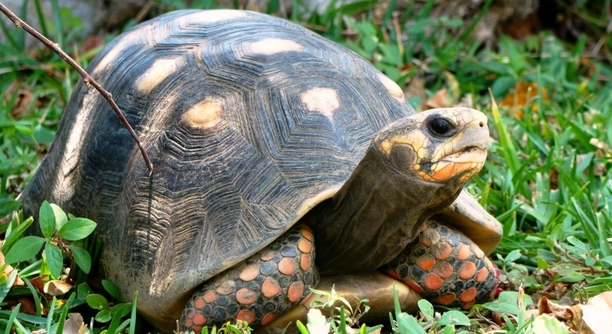
Red-footed tortoises are known for their varied diet, which includes fruits, vegetables, and plants. Understanding what is safe for them to eat is crucial to their health. Mint may seem like a fun addition, but is it appropriate?
Red-footed tortoises can consume mint in moderation. While it is not toxic, too much mint can cause digestive upset. It is best to offer mint as an occasional treat rather than a regular part of their diet.
Mint can provide some benefits when served sparingly, but it’s essential to consider the overall balance of their nutrition. Understanding what’s safe for them ensures a happy and healthy tortoise.
Can Red-Footed Tortoises Eat Mint Regularly?
Red-footed tortoises enjoy a varied diet that includes fruits, vegetables, and herbs. Mint is one herb that can be fed to them occasionally. It is not harmful in small quantities, but it should not become a regular part of their meals. Too much mint can cause digestive issues and disrupt the balance of nutrients in their diet. These tortoises need a mix of foods that provide vitamins and minerals, and mint should be offered as a treat, not a staple. Mint can also have a strong flavor that some tortoises may find overwhelming, so it’s best to monitor their reaction when introducing it.
Offering mint sparingly can bring some variety to their diet, but it should not overshadow the main food groups they need for proper nutrition.
If you want to provide mint to your tortoise, cut small amounts of fresh leaves and add them to their usual meals. Always ensure that it is well-washed and free from pesticides. Keep the portion small, especially when introducing it for the first time. You can also mix mint with other leafy greens to ensure that your tortoise gets the essential nutrients they need from their diet. It’s important to not rely on herbs like mint to provide the bulk of their food.
Are There Any Risks with Mint?
Mint is generally safe for red-footed tortoises, but risks arise when it is given in excess.
Too much mint can disrupt the balance of the tortoise’s digestive system. While mint is not toxic, its strong flavor can be hard on their stomachs if overfed. Over time, this could lead to health issues like bloating, lack of appetite, or diarrhea. It’s also crucial to avoid giving your tortoise mint from plants treated with chemicals or pesticides. This can lead to more serious health complications and should be avoided at all costs.
To be safe, it is better to offer mint occasionally and watch for any signs of discomfort. As long as the tortoise’s overall diet is balanced, a small amount of mint is unlikely to cause harm. However, if your tortoise shows signs of distress, it’s best to remove mint from their diet entirely.
How Much Mint Can Red-Footed Tortoises Eat?
Red-footed tortoises should only be given mint in small amounts. A few fresh leaves once or twice a week is plenty. Mint is strong in flavor and can cause digestive discomfort if overfed. Keeping the portion small allows you to introduce the herb without harming their health.
Mint can be a fun addition to your tortoise’s diet but should not be a primary food source. You can mix it with other leafy greens for variety, ensuring they still get their essential nutrients. When introducing mint, start with just one leaf to see how your tortoise reacts. Monitor them for any signs of digestive upset, such as bloating or loss of appetite.
Over time, you can adjust the quantity based on your tortoise’s tolerance, but mint should always remain an occasional treat. Keeping portions small ensures that your tortoise gets a well-rounded diet and avoids digestive issues caused by an excess of mint. Make sure that the mint is fresh and free of any chemicals before offering it.
Is Mint Safe for Red-Footed Tortoises?
Mint can be safe for red-footed tortoises when provided in moderation.
The main concern is the strong flavor and the possibility of digestive upset when consumed in large quantities. Although not toxic, mint should never be a mainstay in their diet. When fed occasionally, mint can add some variety and a mild aroma that your tortoise might enjoy. Be cautious of any reactions after introducing mint to their diet and adjust accordingly.
If you want to safely include mint in your tortoise’s meals, always ensure it is from a reliable source and pesticide-free. The best way to serve mint is in small, well-washed portions. A little goes a long way with this herb, so it’s best not to overdo it.
Other Safe Herbs for Red-Footed Tortoises
Red-footed tortoises can enjoy a variety of herbs. Some good options include dandelion greens, parsley, and cilantro. These herbs are safe in moderation and can provide additional nutrients. Introducing new herbs can keep your tortoise’s diet interesting and balanced.
While mint can be offered occasionally, it’s not the only herb that provides benefits. Dandelion greens are rich in vitamins and safe to feed regularly. Parsley also offers a good source of nutrients, though it should be given in moderation due to its high oxalate content. Be mindful of each herb’s properties before adding them to your tortoise’s diet.
Herbs can be part of a well-rounded diet that includes leafy greens, vegetables, and fruits. It’s important to offer a variety, ensuring your tortoise gets a balance of nutrients. Always avoid herbs that could be toxic, such as oregano or thyme, and focus on safe options like parsley or cilantro.
How to Introduce New Foods to Red-Footed Tortoises
When introducing mint or any new food, start slow. Offer a small portion to see how your tortoise reacts. Watch for signs of discomfort, such as bloating or loss of appetite. Gradually increase the amount if they seem to tolerate it well.
If your tortoise enjoys the new herb, you can continue offering it occasionally. Keep track of how they respond to different foods, and always ensure their main diet consists of staple greens and vegetables. Introducing foods one at a time helps avoid upsetting their digestive system and ensures a balanced diet.
Common Mistakes When Feeding Red-Footed Tortoises
Many owners overfeed herbs like mint, thinking they are harmless. This can lead to digestive problems and an unbalanced diet. While herbs are beneficial, they should only be offered occasionally and in small portions. It’s important not to rely on mint or any single food for nutrition.
FAQ
Can red-footed tortoises eat other herbs besides mint?
Yes, red-footed tortoises can eat various herbs. Safe options include parsley, cilantro, dandelion greens, and basil. These herbs can add variety to their diet while offering additional nutrients. However, always provide them in moderation and avoid any potentially harmful herbs like oregano or thyme. Herbs should not make up the bulk of their diet but can be offered as an occasional treat.
Is it okay to feed mint to my red-footed tortoise every day?
No, mint should not be fed daily. While mint is not toxic, its strong flavor can cause digestive issues if fed too often. Offer mint only a couple of times a week in small amounts to ensure it doesn’t upset your tortoise’s digestive system. Keep the main portion of their diet made up of staple foods like leafy greens and vegetables.
What are the signs that mint may be upsetting my tortoise’s stomach?
If your tortoise’s stomach is upset from mint, signs may include bloating, diarrhea, or a loss of appetite. These symptoms usually indicate that they’ve eaten too much of something, such as mint. If any of these signs appear, stop offering mint and focus on a balanced diet with safe, regular foods.
Can mint cause any long-term health problems for red-footed tortoises?
Mint itself is not likely to cause long-term health problems if fed in moderation. However, regularly offering mint in large quantities could lead to digestive issues, imbalanced nutrition, or even loss of appetite. As long as you stick to small amounts, your tortoise should not face long-term health problems from mint.
How can I know if my tortoise likes mint?
Introducing mint to your tortoise is the best way to see if they like it. Place a small amount in their food dish and watch their reaction. If they show interest, nibbling at the mint or eating it quickly, it’s likely they enjoy it. If they ignore it, they may not be as fond of the herb.
Can I feed my tortoise dried mint leaves?
It’s better to feed your tortoise fresh mint leaves. Dried mint may lose some of its nutrients and can also be more concentrated, making it potentially too strong for your tortoise’s stomach. If fresh mint isn’t available, consider other safe, fresh herbs or greens instead. Always ensure any dried herb is free of preservatives or chemicals.
What’s the best way to prepare mint for my red-footed tortoise?
The best way to prepare mint is by thoroughly washing fresh leaves to remove any dirt or pesticides. Simply tear the leaves into smaller pieces and mix them with other safe greens, or serve them separately as a small treat. Avoid any cooking or processing, as raw mint is the healthiest option.
Can mint be toxic to red-footed tortoises?
Mint is not toxic to red-footed tortoises, but it can cause digestive issues if consumed in excess. It’s important to offer it in moderation and keep an eye on your tortoise’s reaction. Some tortoises may be more sensitive than others, so always introduce mint slowly.
How often should I feed my tortoise mint?
You can feed mint to your tortoise once or twice a week. The frequency should be limited to avoid digestive upset. Offer small portions to ensure your tortoise is not consuming too much at once. Focus on a well-rounded diet with a variety of vegetables, leafy greens, and fruits as the main staples.
Can mint help with my tortoise’s digestion?
Mint has been known to aid digestion in some animals, but it should not be relied on as a main source of digestive help. Small amounts of mint can act as a mild digestive aid but should not replace proper, balanced food. Ensure your tortoise’s overall diet is rich in fiber, vitamins, and minerals for optimal digestion.
Is it safe to grow mint for my red-footed tortoise at home?
Yes, growing mint at home is a great idea as long as you avoid using any pesticides or chemicals. Growing your own mint ensures that it’s fresh and safe for your tortoise to eat. Just be sure to harvest mint in moderation and introduce it gradually to your tortoise’s diet.
What other plants can I grow for my red-footed tortoise to eat?
Besides mint, you can grow various safe plants for your red-footed tortoise, such as hibiscus flowers, dandelion greens, clover, and certain types of grass. These plants are safe and nutritious for tortoises. Always research each plant to ensure it’s not toxic and provides beneficial nutrients.
Can mint cause my red-footed tortoise to become too energetic or agitated?
Mint does not typically cause red-footed tortoises to become overly energetic or agitated. However, the strong scent may make them more alert or curious, leading to mild changes in behavior. If your tortoise seems unusually restless or stressed after eating mint, it could be due to a sensitivity to the herb.
What should I do if my tortoise refuses to eat mint?
If your tortoise refuses mint, don’t force it. Not all tortoises like the strong taste. Simply try other herbs or greens they might enjoy more. It’s important to offer a variety of safe foods to ensure they are getting a well-rounded diet.
Can I mix mint with other vegetables?
Yes, you can mix mint with other safe vegetables and herbs to offer variety. Combining mint with leafy greens like collard or mustard greens can add interest to your tortoise’s meals. Just remember that mint should be a small part of the overall mix, with more emphasis on other vegetables for nutrition.
Does mint affect the flavor of my tortoise’s other food?
Mint can have a strong aroma and flavor, which may affect how your tortoise perceives other foods if served in large quantities. It’s best to mix mint with other greens and vegetables to ensure your tortoise doesn’t get overwhelmed by the mint’s flavor. Small portions will help keep things balanced.
Should I avoid feeding mint to a baby red-footed tortoise?
While mint is not toxic, it’s best to avoid giving mint to baby tortoises. Their digestive systems are still developing, and strong herbs like mint may be too harsh. Stick to softer greens and vegetables to ensure they’re getting the nutrients they need for growth and development.
Can I feed mint to my tortoise if it’s wilting?
It’s best to avoid feeding your tortoise wilted mint leaves. Wilting indicates that the plant is not as fresh, and it may have lost some of its nutritional value. Offer only fresh, crisp leaves to ensure the best quality and safest option for your tortoise.
Final Thoughts
Red-footed tortoises can safely eat mint, but it should only be given in moderation. While mint is not toxic to them, its strong flavor can cause digestive upset if consumed in large amounts. As with any new food, it’s important to introduce mint slowly and observe your tortoise’s reaction. If you notice any signs of digestive distress, such as bloating or loss of appetite, stop feeding mint and focus on offering other safe, balanced foods. Always remember that variety is key in a tortoise’s diet, and mint should never replace their primary food sources.
The best approach is to feed mint occasionally, along with other herbs and greens. Red-footed tortoises thrive on a diet that includes a variety of vegetables, fruits, and high-fiber plants. Offering different types of greens, such as dandelion leaves, collard greens, or clover, will help ensure your tortoise gets a well-rounded diet full of essential nutrients. Mint can be a fun and flavorful addition to their meals, but it should only be one part of a much larger, balanced diet.
Mint should be treated as a treat or supplement, not a main food source. Providing fresh mint in small quantities will keep your tortoise healthy and happy. Growing your own mint at home can be a great option, as long as you avoid using chemicals or pesticides. Above all, pay attention to your tortoise’s individual needs. Every tortoise is different, and while mint may be well tolerated by some, it’s always best to err on the side of caution.

Hello,
If you enjoy the content that we create, please consider saying a "Thank You!" by leaving a tip.
Every little bit helps us continue crafting quality advice that supports the health, happiness, and well-being of pets around the world, for pets of all shapes, sizes, and species.
We really appreciate the kindness and support that you show us!