
Is your rainbow shark acting calm, exploring confidently, or spending more time out in the open than hiding in corners or behind decorations?
A rainbow shark that feels comfortable will show signs such as regular swimming, peaceful behavior, healthy appetite, vibrant coloring, and limited aggression. These signs reflect a stable environment and indicate that your fish is adapting well to its tank.
From swimming habits to social behavior, these signs reveal more about your rainbow shark’s comfort than you might expect at first glance.
They Swim Freely and Explore Often
A rainbow shark that feels comfortable will move around its tank with ease. It won’t spend all its time hiding or stuck in one corner. Instead, you’ll notice it swimming along the bottom, checking out different areas, and sometimes even exploring decorations or tunnels. Active swimming shows the shark isn’t feeling stressed or threatened. A comfortable rainbow shark will usually have a steady rhythm, not frantic or erratic movements. This regular behavior is a strong sign the tank conditions are suitable, and your fish feels safe in its environment. Good water quality, stable temperatures, and enough space are all important. When these conditions are met, your rainbow shark feels secure enough to swim freely. You might also notice it swimming along the glass or gliding around its territory—another natural and healthy sign. Free movement means it’s physically healthy and mentally at ease with its surroundings.
They don’t hide for long. They’re more interested in exploring their space than staying tucked away in one spot.
Consistent movement paired with curiosity tells you a lot. If your rainbow shark is checking corners and calmly swimming around plants, that’s a strong indicator of comfort. It means they’ve accepted their surroundings and aren’t on constant alert.
Their Appetite Remains Steady
When a rainbow shark feels comfortable, it maintains a regular eating pattern. Skipping meals or showing sudden disinterest in food can mean something’s off. A healthy appetite suggests everything in its environment feels right.
Feeding time is a good way to check in on your rainbow shark’s mood and health. If your fish comes out as soon as food enters the tank and eats eagerly, that’s a solid sign of comfort. Watch for steady, calm feeding behavior—no frantic darting or hiding while eating. A relaxed fish will approach food with confidence. Make sure the diet is varied, including algae wafers, protein-rich options, and vegetables. This keeps your shark well-fed and encourages continued interest in food. Avoid overfeeding, as it can lead to poor water quality, which affects comfort. Stick to a feeding schedule and watch how your rainbow shark behaves. A calm, consistent eater is often a sign everything else is going well in their environment.
Their Colors Appear Bright and Vivid
Bright, rich coloring is a strong indicator that your rainbow shark feels secure. Dull or faded colors can signal stress, illness, or poor water conditions, while a healthy glow often means they’re relaxed and well-adjusted to their environment.
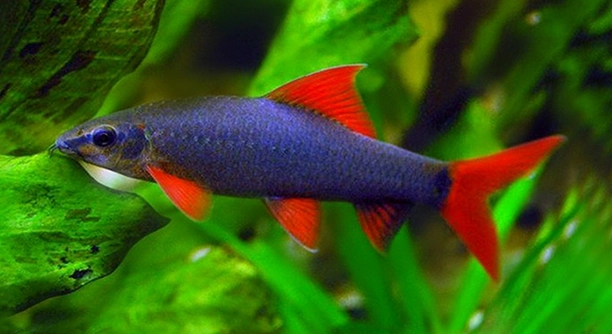
Color changes in rainbow sharks are subtle but noticeable. When they’re comfortable, their deep gray or black body and vibrant red fins will look sharp and defined. This appearance reflects good nutrition, clean water, and low stress levels. Poor tank conditions or bullying from other fish may cause their colors to fade slightly or look washed out. If you keep their water parameters stable, provide enough hiding spots, and avoid overcrowding, your shark is more likely to maintain bright colors. Always check for any dulling or patchiness in their fins or body—it’s one of the easiest ways to tell how they’re feeling without needing advanced tools or testing.
Your shark’s natural shine should stay consistent throughout the day. If you notice the colors dulling during certain times, look for possible stressors like lighting changes, sudden movement near the tank, or noisy surroundings. Even small environmental shifts can affect their comfort. Keeping their space calm and predictable helps them feel safe and keeps their colors bold.
They Show Limited Aggression
Rainbow sharks naturally defend their territory, but constant chasing or nipping can suggest stress or discomfort. If they’re calm most of the time and avoid unnecessary aggression, that’s a good sign they’re comfortable in their space.
Territorial behavior is common in rainbow sharks, especially in smaller tanks. However, when they feel settled, this behavior becomes less intense. You might still notice short chases or posturing, but it won’t last long or result in injuries. A peaceful shark won’t bully other fish constantly or flare up at every movement. Giving them enough space and plenty of decorations helps establish clear boundaries. When they know their place in the tank, they won’t feel the need to guard it all the time. If you’re seeing aggressive bursts only during feeding or when new fish are added, that’s normal. Otherwise, consistent calmness shows that your shark feels in control and at ease.
They Rest Calmly in Hidden Spots
Comfortable rainbow sharks take short, calm breaks in caves or behind decorations. This resting behavior is natural and shows they feel safe. They don’t stay hidden all day—just enough to recharge without signs of fear or stress.
If your shark hides but still comes out regularly, it’s a healthy balance. Extended hiding could mean something’s wrong, but short periods of rest are perfectly normal. It’s their way of managing energy and feeling secure in their territory.
Their Movements Are Smooth and Controlled
When your rainbow shark feels at ease, its swimming becomes smooth and purposeful. There’s no darting, jerking, or sudden changes in direction. You’ll notice a steady glide across the tank, especially near the bottom where they’re most comfortable. Sudden or erratic movement usually means they’re stressed, scared, or reacting to poor tank conditions. A relaxed shark won’t bump into tank walls or constantly try to escape. Controlled movement, especially around known hiding spots or areas they’ve claimed, shows they trust their space. If you see this type of calm swimming often, it means they’re adjusting well and feel secure in their environment.
Their Breathing Looks Calm
Comfortable rainbow sharks breathe slowly and steadily. Their gill movements should be consistent and not too fast. Rapid breathing can signal stress, poor water quality, or illness, while calm breathing suggests they’re healthy and relaxed.
FAQ
How do I know if my rainbow shark is stressed?
Signs of stress include hiding for long periods, darting quickly, faded colors, and loss of appetite. Rapid breathing or aggressive behavior that doesn’t stop can also point to stress. Check your tank conditions first—unstable temperature, poor water quality, or limited space often cause these reactions. Make sure your shark has enough hiding spots and isn’t being harassed by tank mates. If stress continues, test your water and consider adjusting the tank layout. Regular routines and stable conditions are key to keeping them calm.
Can a rainbow shark get lonely?
Rainbow sharks are not social fish. They don’t need companions and can become aggressive if kept with their own kind. They prefer to claim a space and live independently. Unlike schooling fish, they don’t form bonds or feel isolated when kept alone. In fact, keeping more than one in the same tank usually leads to constant fighting unless the space is very large and well-divided. One rainbow shark per tank is usually the safest option for long-term comfort and stability.
What size tank is best for a rainbow shark to feel comfortable?
A tank of at least 55 gallons is recommended for a single rainbow shark. They need plenty of room to swim and establish their own territory. A smaller tank can lead to stress, aggression, and health problems. The more space you give them, the more comfortable they’ll feel. Make sure the tank has plants, rocks, or caves for hiding, and leave open areas for swimming. Avoid overcrowding with other bottom dwellers or territorial fish. Proper space helps prevent territorial disputes and supports healthier behavior.
Why is my rainbow shark hiding all the time?
Constant hiding may be caused by stress, new surroundings, or poor water quality. If your shark is new to the tank, hiding is normal at first. However, if this continues, check the temperature, pH, and ammonia levels. Bright lighting or lack of shelter can also increase hiding. Adding plants and decorations gives them a place to feel safe, which can reduce their need to stay out of sight. Make sure tank mates aren’t too aggressive or crowding their space. Gradual improvements can help your shark feel secure enough to come out more often.
What should I feed a rainbow shark for better health and comfort?
Offer a varied diet with algae wafers, sinking pellets, blanched vegetables like zucchini, and occasional protein such as brine shrimp or bloodworms. A well-balanced diet supports strong color and overall health. Feeding once or twice daily is enough—avoid overfeeding, as it affects water quality and can lead to discomfort. Monitor their eating habits, and if they suddenly stop eating, check water conditions immediately. Consistent feeding routines help them feel safe and reduce stress in their environment.
Can rainbow sharks live with other fish?
They can live with certain fish that are fast, peaceful, and not bottom dwellers. Avoid slow or long-finned fish and other territorial bottom feeders. Good tank mates include barbs, danios, and some types of tetras. Always make sure there’s enough space to avoid conflict. Use decorations to break the line of sight and give each fish a place to retreat. Observe your shark’s behavior closely when adding new fish. Even compatible species can trigger aggression if space is too limited or territory is not clearly defined.
Why is my rainbow shark swimming against the glass?
Swimming along the glass repeatedly can be a sign of stress or boredom. It may also indicate that the fish feels confined or is responding to its reflection. Make sure the tank is large enough and that water parameters are stable. Reduce reflections by adjusting lighting or background placement. Sometimes, they do this out of habit, but frequent pacing is not ideal. Check for possible causes of stress and provide more distractions like plants or tunnels to redirect their energy.
How often should I clean the tank to keep my rainbow shark happy?
Perform partial water changes weekly, replacing 20–30% of the water. Clean the substrate regularly and remove uneaten food. Monitor ammonia, nitrite, and nitrate levels to maintain good water quality. Avoid over-cleaning, which can remove beneficial bacteria. A stable, clean environment is key to keeping your rainbow shark calm and comfortable. Keep the filter running properly, and avoid sudden changes in temperature or pH. Consistency helps your shark feel secure and behave normally.
Final Thoughts
Rainbow sharks are unique fish that can show clear signs when they feel comfortable in their environment. From smooth swimming and bright colors to a steady appetite and calm breathing, each behavior gives you insight into their well-being. These signs may seem small at first, but paying attention to them helps you understand how your fish is adjusting to its tank. When your rainbow shark feels secure, it becomes more active, more visible, and easier to care for. A stable environment supports both physical health and calm behavior, making things easier for both you and your fish.
Providing enough space, keeping water conditions steady, and choosing compatible tank mates all play a big role in their comfort. It doesn’t take expensive equipment or complicated steps to keep your rainbow shark healthy—it just takes consistency and attention. Watch how it moves, rests, eats, and interacts with its surroundings. Even small changes can impact how it feels. If something seems off, take time to review the basics: check the tank size, filtration, water parameters, and diet. Making small adjustments early can prevent stress and long-term health issues. Over time, you’ll learn your shark’s routine and notice when something shifts.
Caring for a rainbow shark is about balance. They don’t need constant attention, but they do need a stable, quiet space where they can move freely and feel secure. Give them enough hiding places, keep feeding times regular, and avoid sudden changes in their environment. By watching for the comfort signs listed throughout this article, you’ll be able to spot problems before they become serious. A healthy rainbow shark is a beautiful addition to your aquarium and can bring quiet enjoyment for years. When treated well, they become confident, active fish that thrive in their space without causing trouble. Paying attention to their comfort is not just about meeting their needs—it’s also what allows them to show their best colors and natural behavior.

Hello,
If you enjoy the content that we create, please consider saying a "Thank You!" by leaving a tip.
Every little bit helps us continue crafting quality advice that supports the health, happiness, and well-being of pets around the world, for pets of all shapes, sizes, and species.
We really appreciate the kindness and support that you show us!