
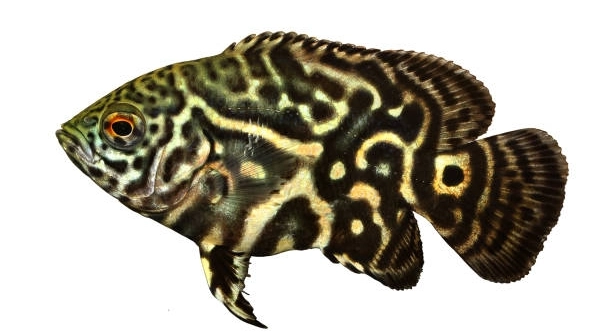
Oscar fish are popular pets known for their personality and beauty. However, they can be sensitive to their tank conditions. If your Oscar fish isn’t thriving, it might be showing signs of dissatisfaction with its environment.
The primary signs that an Oscar fish does not like its tank include unusual swimming patterns, loss of appetite, lethargy, excessive hiding, aggression, abnormal coloration, and frequent scratching. These indicators often suggest an environment that is stressful or unhealthy.
Addressing these signs can improve your fish’s well-being and make their habitat more comfortable. Keep reading to learn how to adjust the tank conditions for a happier, healthier Oscar fish.
Unusual Swimming Patterns
If your Oscar fish isn’t swimming as it should, it may be a sign that something’s wrong. Healthy Oscars usually swim gracefully through the water. However, if they begin to swim erratically, hover near the tank surface, or spend time in the corners, it may indicate stress. This behavior can be due to poor water quality, incorrect tank conditions, or even an unbalanced diet. Another factor to consider is overcrowding, as Oscars require enough space to move freely.
Fish are very sensitive to their environment, and it doesn’t take much for them to show discomfort. Watching how your Oscar swims can provide insights into its health and well-being. When an Oscar is swimming unnaturally, the root cause is often an issue that needs immediate attention.
It’s important to address the issue as soon as you notice strange swimming patterns. Ensure the tank conditions—such as water temperature, pH, and cleanliness—are suitable for the species. Regular maintenance and proper space can prevent further problems.
Loss of Appetite
If your Oscar fish has stopped eating, it’s often a red flag.
A lack of appetite can occur for many reasons, such as stress or illness. If water conditions are poor, Oscars might avoid eating because of discomfort. Additionally, temperature fluctuations or changes in the environment can cause this reaction.
If your Oscar’s appetite isn’t returning quickly, check the water conditions first. Any alterations to the tank setup could cause stress and lead to a reduced appetite. Changing the water frequently and ensuring it stays clean can help return your fish’s interest in food. Always monitor the water temperature and make sure it’s within the proper range for Oscars. If the issue persists, consider consulting an expert to rule out illness or disease.
Lethargy
A lethargic Oscar fish is a clear sign that something’s off. Oscars are known for their energy and activity, so when they suddenly become inactive, it’s important to address the issue.
Lack of movement can be a symptom of various factors like poor water quality, low oxygen levels, or stress. Oscars require clean, well-filtered water to thrive. If your fish becomes lethargic, start by testing the water for toxins, checking for ammonia or nitrite spikes. If the water seems fine, it might be related to their diet or temperature, both of which need careful monitoring.
Ensure the tank is kept at the right temperature range and that the filtration system is running efficiently. When Oscar fish are constantly inactive, they may not be able to recover from stress or illness on their own, making proper care and environmental adjustments crucial.
Excessive Hiding
Oscar fish are typically active and curious. If your Oscar spends more time hiding than usual, it’s a signal that something is wrong.
Excessive hiding could point to water conditions that are too harsh or an inappropriate tank setup. A lack of space or the presence of aggressive tankmates can also contribute to a stressed Oscar. Often, Oscars retreat to dark corners or behind tank decorations to escape perceived threats.
To resolve this, first ensure the tank is large enough to accommodate your fish. Oscars are territorial, and overcrowding or too many other fish can lead to stress and hiding. Adjust the tank layout to provide more open swimming areas and add plants or decorations that encourage exploration, but avoid overcrowding the tank with too many hiding spots. Also, monitor water quality and make sure that the environment is stable.
Aggression
If your Oscar is showing increased aggression, it’s a sign of discomfort or dissatisfaction. Oscars can be territorial and aggressive toward tankmates when they feel their space is threatened.
This aggressive behavior could be due to overcrowding, the presence of incompatible tankmates, or environmental stress. A stressed Oscar may display aggression by chasing or attacking other fish. It’s essential to monitor tank size and ensure that your Oscar has enough space to feel comfortable. Avoid keeping smaller fish or species that may provoke your Oscar. It’s also critical to make sure the water conditions are optimal, as poor water quality can lead to aggression.
Abnormal Coloration
An Oscar fish’s color is a strong indicator of its overall health. If your Oscar’s color changes significantly, it may be a sign that something is wrong.
Oscars can lose their vibrant colors or develop darker patches due to stress or illness. Stress from poor water quality, temperature fluctuations, or overcrowding can result in dull colors. Additionally, the presence of diseases like fungal or bacterial infections can also cause color changes. To resolve this, first ensure your tank is properly filtered and maintained. Make sure the temperature stays within the ideal range for Oscars and that they are not exposed to sudden changes in water conditions.
Frequent Scratching
If your Oscar is constantly rubbing or scratching itself against tank decorations, it might be dealing with parasites or skin irritation.
Scratching behavior is often a response to external issues like parasites or poor water quality. Parasites such as ich or external infections can cause itching and irritation, prompting the fish to scrape its body on objects in the tank. Check for any visible signs of infection or abnormal growths on the fish’s skin. Improving the water quality and ensuring proper filtration can help prevent this behavior. Additionally, consider adding medication to treat any potential infections or parasites if you notice signs of disease.
FAQ
What should the ideal water temperature be for an Oscar fish?
Oscar fish thrive in warm water, with an ideal temperature range of 74°F to 81°F (23°C to 27°C). Water temperatures outside of this range can cause stress and affect the fish’s health. It’s important to use a reliable heater to maintain a steady temperature. Rapid temperature fluctuations should be avoided, as they can weaken the fish’s immune system and make them more susceptible to disease.
How often should I change the water in an Oscar tank?
You should change about 20-30% of the water in your Oscar fish tank every week. Regular water changes help to maintain optimal water quality by removing toxins, such as ammonia and nitrates, and replenishing minerals that the fish need. In addition, check the water parameters regularly, including pH, hardness, and temperature, to ensure they stay within the ideal range for your fish.
What type of filtration system is best for an Oscar tank?
Oscars are messy eaters, and a powerful filtration system is crucial for maintaining clean water. A high-quality canister filter or a large internal filter is recommended. These filters provide thorough filtration of both mechanical and biological waste, helping to prevent the buildup of harmful substances. Make sure to clean the filter regularly to keep it running efficiently.
Can Oscars live with other fish?
Oscars are territorial and can be aggressive, especially in smaller tanks. They may tolerate certain tankmates, but it’s important to choose compatible species. Large, peaceful fish like larger catfish or other cichlids are often suitable, but avoid small or slow-moving fish that might be seen as prey. Always monitor their behavior to ensure peaceful coexistence.
What can I feed my Oscar fish?
Oscar fish are carnivores and thrive on a diet that includes live, frozen, or pellet foods. They particularly enjoy fish, shrimp, worms, and other meaty options. High-quality pellet food designed for cichlids is a great staple. Variety is key to providing a well-rounded diet. Occasionally, you can feed them live or frozen foods to mimic their natural diet, but ensure they are from a reputable source to avoid introducing diseases.
Why is my Oscar fish breathing rapidly?
Rapid breathing in Oscar fish can indicate poor water quality or a lack of oxygen. If your Oscar is breathing quickly, it’s important to check the water parameters, particularly oxygen levels. Make sure the tank is properly aerated, especially if you have a larger tank with fewer plants. Also, check for high levels of ammonia, nitrites, or nitrates, which can cause respiratory distress.
What size tank does an Oscar fish need?
Oscar fish need plenty of space to swim and grow, so a large tank is essential. A minimum tank size for a single adult Oscar is 55 gallons, but larger tanks, such as 75 gallons or more, are recommended. Providing sufficient space reduces stress and helps maintain better water quality. If you plan to keep multiple Oscars or other fish, you will need an even larger tank.
How can I tell if my Oscar has a disease?
Symptoms of disease in Oscar fish can include abnormal swimming, color changes, scratching, loss of appetite, or lesions on the skin. If you notice any of these signs, it’s important to isolate the sick fish if possible and treat the tank accordingly. Common diseases in Oscars include ich, fin rot, and external parasites. Proper water quality and a balanced diet are essential to prevent illness.
Can Oscar fish live in a community tank?
Oscar fish are not always the best choice for community tanks due to their aggressive nature. They tend to be territorial, especially when they are spawning or feel threatened. If you want to keep them in a community tank, choose fish that are similarly large and not easily intimidated. Always monitor the tank to ensure there are no signs of aggression or stress among tankmates.
What is the lifespan of an Oscar fish?
Oscar fish can live for 10 to 15 years in the right conditions. With proper care, including a suitable tank size, good water quality, and a healthy diet, they can enjoy a long life. Regular maintenance of the tank, including water changes and filter cleaning, helps to maintain their health and longevity.
How do I know if my Oscar fish is happy?
A happy Oscar will be active, swim around the tank confidently, and have vibrant coloration. If your Oscar is constantly hiding, swimming erratically, or has faded colors, it could be a sign of stress. Monitoring water conditions, feeding habits, and overall behavior will give you an indication of your fish’s well-being.
Final Thoughts
Oscar fish can make fascinating pets, but they require attention and care to thrive. These fish are active, intelligent, and have distinct personalities. However, they also have specific needs when it comes to their tank environment, diet, and social interactions. Their behavior and health can be affected by various factors, including water quality, temperature, tankmates, and feeding habits. By understanding the signs of distress or discomfort in your Oscar, you can ensure it stays happy and healthy for years to come.
One of the most important factors in keeping an Oscar fish healthy is maintaining good water quality. Oscars are sensitive to changes in their environment, and poor water conditions can lead to stress, illness, or even death. Regular water changes, proper filtration, and monitoring water parameters are essential steps in providing the best possible living conditions. The temperature should also remain stable, within the optimal range for Oscars, to avoid any undue stress on the fish. The importance of a consistent and clean environment cannot be overstated when it comes to the overall well-being of your Oscar.
In addition to proper tank care, it’s essential to feed your Oscar a balanced diet to promote growth and good health. These fish are carnivorous and thrive on a diet rich in protein. High-quality pellets, along with occasional live or frozen food, will help ensure they receive the nutrients they need. Remember that overfeeding can be just as harmful as underfeeding, so portion control is key. By observing your Oscar closely and adjusting its care as needed, you can prevent many common issues and create a peaceful, thriving environment for your fish.

Hello,
If you enjoy the content that we create, please consider saying a "Thank You!" by leaving a tip.
Every little bit helps us continue crafting quality advice that supports the health, happiness, and well-being of pets around the world, for pets of all shapes, sizes, and species.
We really appreciate the kindness and support that you show us!