
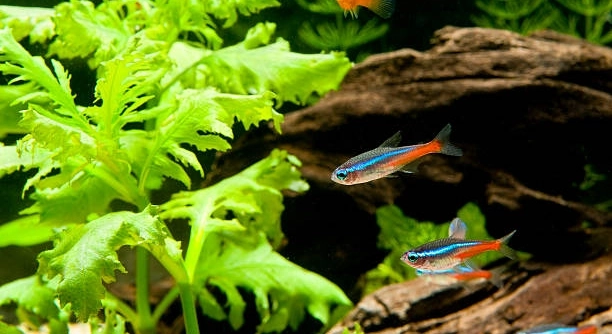
Neon tetras are a popular choice for aquarium enthusiasts, but maintaining the right water parameters for their health can sometimes be tricky. If the water isn’t ideal, they can show signs of distress, affecting their well-being.
Neon tetras are sensitive to water conditions. If their water parameters are off, you may notice changes in their behavior, appearance, or health. Common issues include changes in color, lethargy, or difficulty swimming.
Ensuring your neon tetras stay healthy involves monitoring their water closely. Identifying early signs of water issues can help you make adjustments before problems escalate. Let’s look at how to spot these early indicators and fix them.
Water Temperature is Too High or Low
Neon tetras thrive in water temperatures between 70°F and 81°F (21°C to 27°C). If the water is too hot or cold, it can stress them out. Extreme temperatures can affect their immune system and make them more susceptible to illness. It’s important to regularly check the temperature with an aquarium thermometer. If the water fluctuates too much, neon tetras may become lethargic or show signs of rapid breathing.
A sudden change in temperature can also cause shock, leading to death. Keeping the temperature stable is crucial for their well-being.
If you notice your neon tetras swimming near the surface gasping for air or staying hidden in the corners of the tank, it could indicate a temperature issue. Using a reliable heater and placing it in the right spot helps maintain consistency. If the water gets too warm, cooling fans or adjusting the room temperature may help. A small aquarium chiller could also be an option if you’re in a particularly hot climate.
pH Levels Are Off
Neon tetras prefer slightly acidic to neutral water with a pH level between 6.0 and 7.0. Water that is too alkaline or too acidic can lead to stress and health problems. Consistent testing is essential to ensure the water stays within this ideal range.
When the pH levels are off, neon tetras may have trouble breathing, appear sluggish, or even stop eating. Extreme pH fluctuations can cause irreversible damage to their gills and skin. To maintain the right pH, invest in a reliable test kit. If your water is too acidic or alkaline, you can adjust it by adding specific chemicals made for aquarium use, such as pH buffers. Regular water changes also help maintain balanced pH levels.
Ammonia or Nitrite Levels Are Too High
Ammonia and nitrites are toxic to neon tetras, even in small amounts. They can harm their gills and lead to difficulty breathing. Ammonia spikes usually happen in newly set-up tanks, while nitrites build up when the biological filtration isn’t working properly.
Both ammonia and nitrite levels can be easily tested using aquarium test kits. If the levels are high, perform water changes immediately to dilute the toxins. Additionally, check your filtration system to ensure it is working efficiently. Regular maintenance of the filter and cleaning the tank can prevent these issues from reoccurring.
Adding live plants can help absorb excess ammonia and nitrites, while also providing a more natural environment. If these toxins are a recurring issue, consider adding a biological filter booster to help establish a healthy nitrogen cycle. Consistent monitoring and action will keep your neon tetras safe.
Inadequate Water Hardness
Neon tetras need water that is soft to moderately hard, with a hardness range between 4-8 dGH. Hard water, which has high levels of dissolved minerals, can stress your tetras and affect their overall health.
Testing your water’s hardness can easily be done with a water hardness test kit. If your water is too hard, you may need to soften it using a water softener or by using distilled water mixed with tap water. If the water is too soft, adding minerals designed for aquarium use can help raise the hardness to the desired level.
Regular water changes and keeping an eye on your tank’s mineral balance will keep your neon tetras comfortable. A stable hardness range prevents additional stress and allows your fish to thrive. If you live in an area with naturally hard water, a reverse osmosis (RO) filter might be the best solution.
Poor Water Circulation
Neon tetras are small fish that prefer calm water. Strong water currents can make them feel stressed and cause them to swim erratically or hide. Low water flow, on the other hand, can lead to poor oxygenation and affect their health.
To keep water circulation balanced, consider adjusting the position of your filter’s output or using a flow valve to control the strength of the current. Adding plants or decorations can also help reduce water movement in specific areas. Ensure that the water reaches all corners of the tank for proper oxygen exchange without overwhelming the fish.
Too much or too little flow can make your neon tetras uncomfortable. Maintaining the right balance encourages natural swimming behavior, which reduces stress. Regularly check your filter and water circulation to prevent buildup or stagnation.
Overcrowding in the Tank
Overcrowding can lead to poor water quality, increased competition for food, and higher stress levels for neon tetras. It’s important to ensure that your tank has enough space for each fish to swim freely.
In general, you should allow 1 inch of fish per gallon of water. If you have too many neon tetras in a small tank, consider reducing the number of fish or upgrading to a larger tank. This provides enough space for the fish to feel secure and helps maintain water quality.
Overcrowding can also lead to poor oxygen exchange and increased waste, further compromising the health of your neon tetras.
Water Contaminants
Contaminants like heavy metals, pesticides, or chlorine can harm neon tetras, leading to health problems or death. These chemicals can enter the tank through untreated tap water or poor-quality decorations.
To prevent contamination, always treat tap water with a dechlorinator before adding it to the tank. Avoid using household cleaners or chemicals around the aquarium. Regular water changes help remove any harmful substances that may have built up. Keeping your tank environment clean and free from pollutants ensures a healthier living space for your neon tetras.
FAQ
What should the ideal water temperature be for neon tetras?
Neon tetras do best in water temperatures ranging from 70°F to 81°F (21°C to 27°C). Staying within this range is essential for their health. Water that is too hot can stress them, leading to problems like rapid breathing or lethargy. On the other hand, water that is too cold can slow down their metabolism and make them more vulnerable to illness. Using an aquarium heater with a thermostat can help keep the water temperature stable. It’s also important to avoid large temperature fluctuations, as neon tetras are sensitive to sudden changes.
How often should I test my neon tetra tank’s water?
Testing your tank water regularly is key to maintaining a healthy environment for your neon tetras. At a minimum, you should test once a week, especially in the early stages of setting up your tank. Regular testing ensures that parameters like pH, ammonia, nitrites, and nitrates are within the safe range. During periods of high activity, like after adding new fish or making changes to the tank, you may need to test more frequently. Testing your water helps you catch any issues early and prevents long-term health problems.
Why are my neon tetras swimming near the surface?
Neon tetras swimming near the surface of the tank could be a sign that the water temperature is too high or low. They may also be searching for more oxygen if the water’s oxygen levels are low. It’s important to check the water temperature and adjust the heater if necessary. Additionally, ensure your filter is properly aerating the tank. If the surface swimming continues despite normal temperature and aeration levels, you may need to test for other factors like ammonia or nitrite poisoning, which can also cause respiratory distress in fish.
Can neon tetras live with other fish?
Yes, neon tetras are peaceful and do well in community tanks with other non-aggressive fish. However, it’s important to choose tankmates carefully. Avoid large or predatory fish that may view neon tetras as prey. Compatible tankmates include other small, peaceful fish like guppies, mollies, or other tetras. Be sure to avoid overcrowding, as this can stress out your neon tetras and affect their health. Keeping the tank well-maintained with proper filtration and water changes is also essential to ensure a harmonious environment for all fish.
How can I tell if my neon tetra is stressed?
Stressed neon tetras may exhibit several signs, including unusual swimming behavior, such as swimming erratically or staying in one corner of the tank. They may also show a loss of color, becoming dull or faded, or they could develop visible signs of disease, such as spots or lesions. Another sign of stress is if your neon tetra refuses to eat or becomes more reclusive than usual. Stress can be caused by poor water conditions, overcrowding, sudden temperature changes, or aggression from other tankmates. Addressing the root cause of stress is crucial to restoring your neon tetra’s health.
What are the common signs of poor water quality in a neon tetra tank?
Poor water quality can be detrimental to your neon tetras, and there are a few signs to watch out for. If the fish are lethargic, struggling to swim, or swimming near the surface, it could be a sign that the water quality is off. You might also notice your tetras hiding more often or showing a change in color, becoming dull or pale. Another sign is an increase in algae growth or a noticeable smell from the tank, indicating high levels of organic waste. Regular water changes and monitoring your water parameters are the best ways to avoid these issues.
How can I prevent ammonia spikes in my neon tetra tank?
Ammonia spikes typically occur due to overfeeding or insufficient filtration. Neon tetras are sensitive to ammonia, so it’s essential to ensure your tank has a proper filtration system and you avoid overfeeding. Remove any uneaten food from the substrate to prevent it from decomposing and releasing ammonia. Additionally, you can use a biological filter to help break down ammonia into less harmful substances. Performing regular water changes, especially in a newly set-up tank, will also help keep ammonia levels in check. Test your water frequently to catch ammonia spikes before they affect your fish.
Can I use tap water for my neon tetra tank?
While you can use tap water, it’s crucial to treat it before adding it to your tank. Tap water often contains chlorine, chloramine, and other chemicals that can harm your neon tetras. Using a dechlorinator ensures the water is safe for them. Additionally, you should test the water’s pH, hardness, and other parameters to ensure they are within the ideal range for neon tetras. If your tap water has high levels of minerals, you may need to soften it or mix it with distilled water. Regular testing is essential to avoid water quality issues.
How do I keep my neon tetras from getting sick?
The best way to keep neon tetras healthy is by maintaining stable and clean water conditions. Regular water changes, consistent temperature, and proper filtration are key. Avoid overcrowding your tank and provide plenty of hiding places for your fish to reduce stress. You should also avoid sudden changes in water parameters, as neon tetras are sensitive to fluctuations. Monitoring for signs of illness and responding quickly will help prevent diseases from spreading. Lastly, ensure your tetras are eating a balanced diet of high-quality fish food, and avoid overfeeding, which can pollute the water.
Final Thoughts
Maintaining proper water conditions for neon tetras is essential to keep them healthy and thriving. These small fish are sensitive to changes in their environment, and even minor fluctuations in water quality can lead to stress or illness. By regularly monitoring factors like temperature, pH, ammonia, and water hardness, you can ensure that your neon tetras remain in a comfortable habitat. Regular water changes and good filtration systems play a crucial role in keeping the tank clean and free of harmful toxins. If you stay on top of these aspects, your neon tetras will have a much better chance at living a long, healthy life.
Understanding the signs that your neon tetras are not doing well is also important. Whether they are swimming erratically, hiding, or showing signs of fading colors, these changes could be a warning that something is wrong with their water conditions. Being proactive and identifying issues early can help you prevent long-term health problems. Always test the water before assuming the issue lies with the fish. Often, small adjustments like changing the water, fixing filtration, or adjusting the temperature can make a significant difference. Staying alert and acting quickly can save your fish from stress or even more serious harm.
Neon tetras are a rewarding species to care for, and their vibrant colors can bring life to any tank. However, to keep them looking their best and prevent health issues, it’s vital to provide a stable environment with good water quality. Keep track of the essential water parameters and avoid overcrowding, as these factors all contribute to their well-being. While it may take some effort, the satisfaction of seeing your neon tetras thrive is well worth the attention to detail. Remember, a little care and observation can go a long way in making sure your neon tetras stay happy and healthy.

Hello,
If you enjoy the content that we create, please consider saying a "Thank You!" by leaving a tip.
Every little bit helps us continue crafting quality advice that supports the health, happiness, and well-being of pets around the world, for pets of all shapes, sizes, and species.
We really appreciate the kindness and support that you show us!